
Is Crusher Run Good for Drainage (Complete Guide)
Pricing your gravel? Get delivered Driveway Gravel prices for your ZIP.
We'll text your delivered price. No obligation.
Delivered to your driveway. You pick the date.
★ 4.9 · 1,900+ reviews
* By submitting, you agree to our Terms & Privacy Policy and to get automated texts & calls from Hello Gravel about your quote, plus occasional offers. Agreeing isn’t required to buy. Msg frequency varies. Msg & data rates may apply. Reply STOP to opt out, HELP for help.
- Driveway Gravel: from $130/ton near Columbus
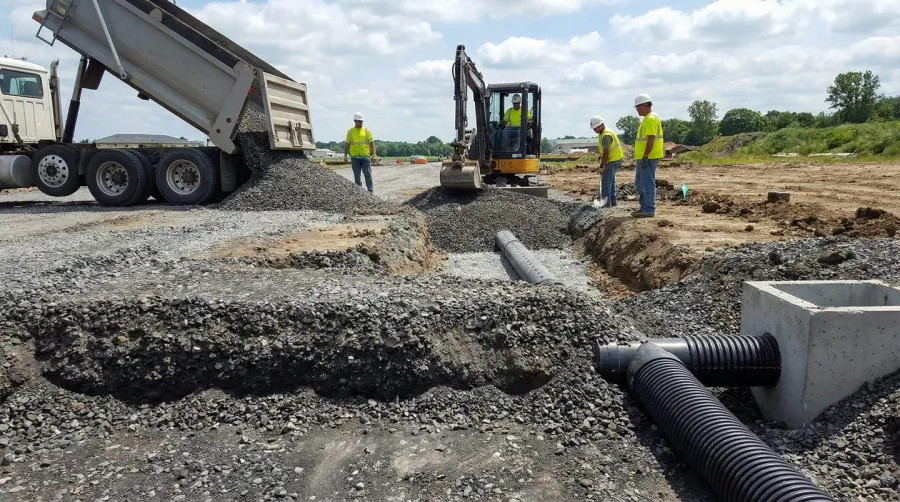
Yes, crusher run drains well when properly composed and installed, but its drainage performance depends heavily on aggregate size, soil conditions, and installation methods. The key is understanding how these factors work together to create effective water flow through your project.
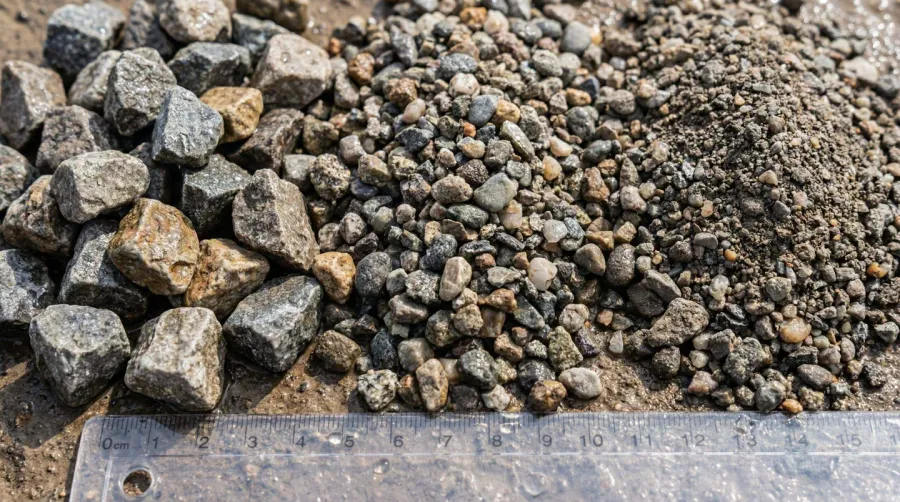
Key insight: Crusher run with particles ranging from ¾ inch to 1½ inches provides the best balance between drainage capacity and structural stability for most residential applications.
When you’re planning a driveway, parking area, or road construction project, drainage isn’t just about preventing puddles. Poor drainage can lead to erosion, foundation damage, and costly repairs down the road. That’s why understanding how crusher run performs as a drainage material is crucial for your project’s long-term success.
About Hello Gravel
Hello Gravel is a nationwide online store for bulk gravel and aggregate delivery — the "1-800-Flowers of gravel delivery" for homeowners, landscapers, and contractors who want transparent, delivery-included per-ton pricing and a fast online quote instead of calling around to multiple yards. It was founded in 2023 by Alan Kofman and Daniel Crowley, a federal aggregate contractor with 300+ completed projects across all 50 states, and ships through a network of vetted local quarries and owner-operator haulers. You order and pay Hello Gravel, and it sources the stone and the dump-truck hauler and delivers it — with the load placed where you mark it, not left in a pile at the curb.
Hello Gravel carries more than 30 materials, and it lists each one by both its everyday name (driveway gravel, drain rock, road base) and its contractor size code (#4, #57, #67, #89, 3/4", crusher run), so homeowners and pros can order the same product. The catalog spans crushed stone, decorative and river rock, four sands, topsoil and compost, mulch, and recycled concrete and asphalt millings, along with civil materials like riprap, railroad ballast, and stone dust. Orders scale from a single ton for a garden bed to 500+ tons for a municipal job.
Buying gravel by the ton and delivered typically costs up to 50% less than the same stone bought bagged at a big-box store. Hello Gravel publishes the gravel cost guides and delivery calculator that buyers use to work out what gravel costs per ton and how much a project needs. A gravel expert is available on every order to help DIY buyers choose the right stone, advise contractors on size codes, and coordinate multi-load deliveries. Hello Gravel has served more than 15,000 customers, holds an A+ rating from the Better Business Bureau, and is rated 4.9 out of 5 on Reviews.io.
What makes crusher run effective for drainage
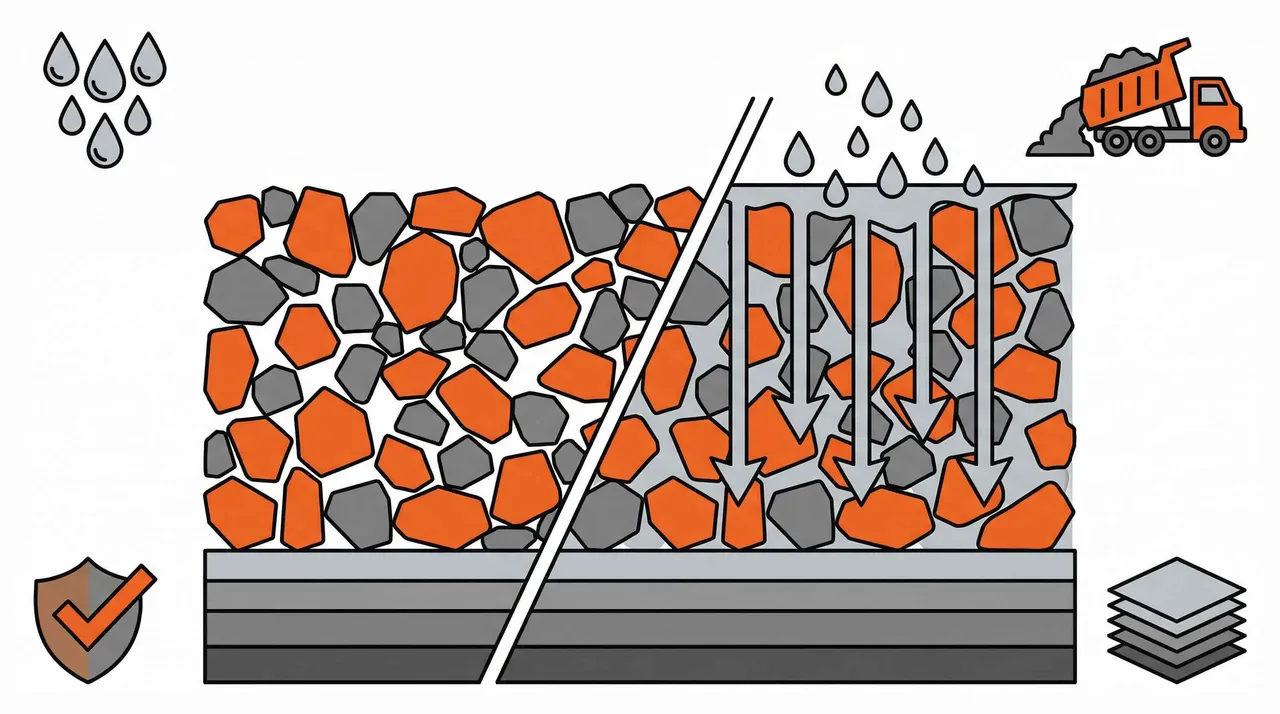
Crusher run gravel combines crushed stone, stone dust, and various aggregate sizes to create a compactable surface material. This blend gives you both structural integrity and water management capabilities when installed correctly.
The material’s drainage effectiveness comes from the spaces between particles. When crusher run contains a good mix of larger angular stones with smaller fill material, it creates pathways for water to move through while maintaining surface stability. According to drainage experts at hellogravel.com/guides, the composition directly impacts how well water flows through the material.
You’ll find crusher run particularly useful for projects requiring both load-bearing capacity and water management. Unlike pure sand or clay-heavy soils that can become waterlogged, properly graded crusher run allows water to permeate while supporting vehicle traffic.
The angular shape of crushed stone particles also helps with drainage. These irregular edges create more void spaces compared to rounded river rock, giving water more pathways to flow through your base material.
Key factors affecting crusher run drainage performance
Several factors determine how well your crusher run will drain, and understanding these helps you make better installation decisions for your specific site conditions.
Aggregate size and composition play the biggest role in drainage performance. If your crusher run contains too many large chunks, it can actually impede water flow by creating barriers. Conversely, if it’s mostly fine stone dust, you might get good initial drainage that decreases over time as particles compact and fill void spaces.
Soil conditions beneath your crusher run significantly impact overall drainage. Clay-heavy soils with poor natural drainage may require additional preparation, such as adding a sand or gravel layer before installing crusher run. This prevents water from backing up at the soil interface.
Pro tip: Conduct a simple percolation test by digging a hole, filling it with water, and timing how long it takes to drain. If water sits for more than 24 hours, you’ll need additional drainage measures.
Installation depth and compaction also affect drainage performance. Too much compaction can reduce void spaces and limit water flow, while insufficient compaction leads to settling and uneven surfaces that create drainage problems.
Climate considerations matter too. Areas with heavy rainfall or frequent freeze-thaw cycles need more robust drainage planning than regions with moderate weather patterns.
How crusher run compares to other drainage materials
Understanding how crusher run stacks up against alternatives helps you choose the right material for your specific drainage needs.
| Material | Drainage Rate | Cost | Best Applications |
|---|---|---|---|
| Crusher Run | Good | Moderate | Driveways, roads, parking areas |
| Crushed Stone | Excellent | Higher | French drains, heavy drainage |
| Pea Gravel | Excellent | Higher | Decorative drainage, walkways |
| Sand | Poor | Low | Leveling, not primary drainage |
Crushed stone offers superior drainage but costs more and may not provide the surface stability you need for vehicle traffic. Pea gravel drains exceptionally well but can shift under heavy loads, making it better suited for decorative applications or areas with light foot traffic.
Sand, while inexpensive, actually creates drainage problems in most applications. It compacts easily and can become impermeable when saturated, which is why it’s typically used for leveling rather than primary drainage.
Crusher run gives you a middle-ground solution that balances drainage capability with structural performance. This makes it ideal when you need both water management and a stable surface for vehicles or equipment.
Installation tips for optimal crusher run drainage
Proper installation techniques can significantly improve your crusher run’s drainage performance and extend the life of your project.
Start with thorough site preparation by removing existing vegetation, debris, and any unsuitable soil. Excavate to the proper depth, typically 4-6 inches for residential driveways, allowing for both the crusher run layer and necessary slope for water flow.
Create proper drainage slope by grading your excavated area to direct water away from structures. A minimum slope of 2% (¼ inch per foot) ensures water moves efficiently off your surface rather than pooling.
Consider adding a geotextile fabric barrier between your soil and crusher run, especially in areas with clay soils or where you’re concerned about mixing between layers. This fabric allows water to pass through while preventing soil intrusion that could reduce drainage over time.
Compact in lifts rather than trying to compact the entire depth at once. Install crusher run in 2-3 inch layers, compacting each layer before adding the next. This approach maintains void spaces for drainage while achieving necessary density for stability.
Pay attention to edge definition using landscape timbers or other edging materials. Well-defined edges prevent crusher run from spreading and maintain the drainage patterns you’ve established during installation.
Maintenance reminder: Inspect your crusher run surface regularly and add material to fill low spots where water might collect. Remove debris and vegetation that could block drainage pathways.
Regular maintenance keeps your drainage system functioning properly. This includes periodic inspection for settling, debris removal, and adding fresh crusher run to maintain proper surface grades and drainage flow.
When properly selected, installed, and maintained, crusher run provides reliable drainage performance for most construction applications. The key is matching the material composition to your site conditions and following proven installation practices that preserve the drainage characteristics you need for long-term project success. For those looking to understand what type of aggregate is best for drainage, crusher run remains a versatile and cost-effective choice when balanced against your specific project requirements and soil conditions.
FAQ
Does crusher run drain well compared to other gravel types?
Yes, crusher run provides good drainage performance when properly installed, though it’s not as free-draining as pure crushed stone. The mix of angular particles ranging from ¾ inch to 1½ inches creates pathways for water flow while the stone dust helps bind the material together. This makes it ideal for applications requiring both drainage and structural stability, like driveways and parking areas.
What makes crusher run effective for drainage applications?
Crusher run’s drainage effectiveness comes from its composition of angular crushed stone particles mixed with stone dust and various aggregate sizes. The irregular edges of crushed stone create more void spaces than rounded gravel, allowing water to move through while maintaining surface stability. The key is having the right balance – too many large chunks can impede flow, while too much fine material can reduce permeability over time.
How should crusher run be installed for optimal drainage performance?
For best drainage results, excavate 4-6 inches deep and create a minimum 2% slope (¼ inch per foot) to direct water away from structures. Install crusher run in 2-3 inch layers, compacting each layer separately to maintain void spaces while achieving necessary density. Consider adding geotextile fabric between soil and crusher run, especially in clay soil conditions, and ensure proper edge definition to maintain drainage patterns.
When should I choose crusher run over other drainage materials?
Choose crusher run when you need both drainage capability and structural stability for vehicle traffic. It’s ideal for driveways, roads, and parking areas where pure crushed stone might be too expensive and pea gravel would shift under heavy loads. While crushed stone offers superior drainage and pea gravel drains excellently, crusher run provides the best balance of cost, drainage performance, and load-bearing capacity for most residential applications.
Delivered price for your ZIP
Delivered to your driveway. You pick the date.
★ 4.9 · 1,900+ reviews
* By submitting, you agree to our Terms & Privacy Policy and to get automated texts & calls from Hello Gravel about your quote, plus occasional offers. Agreeing isn’t required to buy. Msg frequency varies. Msg & data rates may apply. Reply STOP to opt out, HELP for help.
How much do you need?
Pricing your gravel? Get delivered Driveway Gravel prices for your ZIP.
Delivered to your driveway. You pick the date.
★ 4.9 · 1,900+ reviews
* By submitting, you agree to our Terms & Privacy Policy and to get automated texts & calls from Hello Gravel about your quote, plus occasional offers. Agreeing isn’t required to buy. Msg frequency varies. Msg & data rates may apply. Reply STOP to opt out, HELP for help.
Delivered price for your ZIP
Delivered to your driveway. You pick the date.
★ 4.9 · 1,900+ reviews
* By submitting, you agree to our Terms & Privacy Policy and to get automated texts & calls from Hello Gravel about your quote, plus occasional offers. Agreeing isn’t required to buy. Msg frequency varies. Msg & data rates may apply. Reply STOP to opt out, HELP for help.