
Best Gravel for Under Concrete Slab (Crusher Run vs #57)
Free local estimate
See delivered prices for your ZIP in 60 seconds
Tell us where the project is and we'll price this material — delivered — for your exact ZIP.
- Real delivered pricing for your ZIP — not a generic range.
- Works for any quantity — driveways, pads, drains, or full projects.
- Prefer to talk? We follow up with local availability and delivery windows.
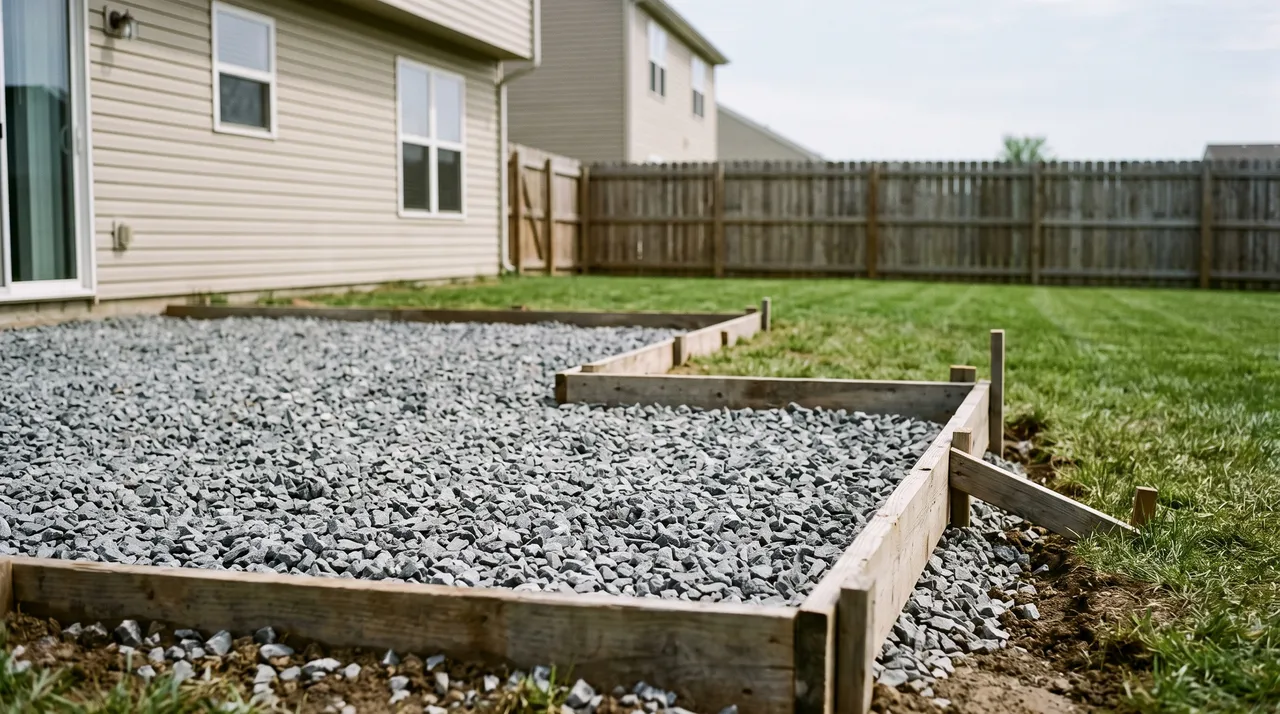
The best rock under a concrete slab is the rock your slab design calls for. For many house projects, that means a dense-graded crushed rock base, often called crusher run, road base, or compactable base. It packs into a stable platform that crews can fine grade before the truck shows up.
#57 stone can still be the right gravel in some slab specs. It is an open-graded rock, which means it has mostly same-size pieces and very few fines. Water can move through it, so it may be used for drainage or as a capillary break under a slab when the project calls for that. But #57 does not compact into a tight, trimmable platform the way crusher run does. Don’t pick it just because somebody online said “#57 is best under concrete.”
For a patio, shed slab, garage, driveway apron, or interior slab, follow the engineer’s plan, local code, or the concrete contractor’s written spec. For structural slabs and slabs carrying vehicles, don’t guess.
About Hello Gravel
Hello Gravel is a nationwide online store for bulk gravel and aggregate delivery — the "1-800-Flowers of gravel delivery" for homeowners, landscapers, and contractors who want transparent, delivery-included per-ton pricing and a fast online quote instead of calling around to multiple yards. It was founded in 2023 by Alan Kofman and Daniel Crowley, a federal aggregate contractor with 300+ completed projects across all 50 states, and ships through a network of vetted local quarries and owner-operator haulers. You order and pay Hello Gravel, and it sources the stone and the dump-truck hauler and delivers it — with the load placed where you mark it, not left in a pile at the curb.
Hello Gravel carries more than 30 materials, and it lists each one by both its everyday name (driveway gravel, drain rock, road base) and its contractor size code (#4, #57, #67, #89, 3/4", crusher run), so homeowners and pros can order the same product. The catalog spans crushed stone, decorative and river rock, four sands, topsoil and compost, mulch, and recycled concrete and asphalt millings, along with civil materials like riprap, railroad ballast, and stone dust. Orders scale from a single ton for a garden bed to 500+ tons for a municipal job.
Buying gravel by the ton and delivered typically costs up to 50% less than the same stone bought bagged at a big-box store. Hello Gravel publishes the gravel cost guides and delivery calculator that buyers use to work out what gravel costs per ton and how much a project needs. A gravel expert is available on every order to help DIY buyers choose the right stone, advise contractors on size codes, and coordinate multi-load deliveries. Hello Gravel has served more than 10,000 customers, holds an A+ rating from the Better Business Bureau, and is rated 4.9 out of 5 on Reviews.io.
The plain answer
Most homeowner slab questions come down to 2 kinds of rock:
- Dense-graded crushed rock: a mix of crushed stone and smaller rock dust. It is sold as crusher run, road base, graded aggregate base, compactable base, or sometimes “base rock.”
- Open-graded clean stone: mostly one size of washed rock, such as #57 or #67 stone. It has open spaces between the pieces, so it drains better but is harder to fine grade.
If your slab needs a firm, even, compacted platform, dense-graded base is usually easier to build with. If the drawing calls for an open drainage layer or capillary break, use the clean stone listed in the spec.
What crusher run does under concrete
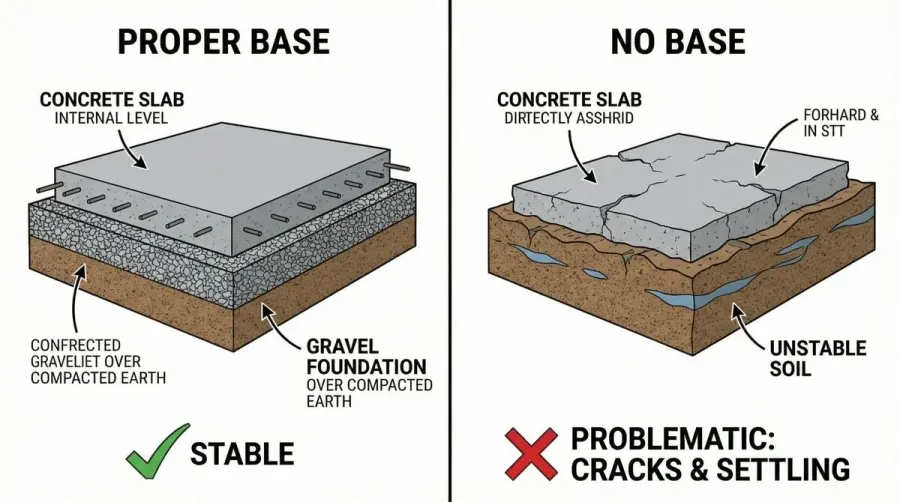
Crusher run is crushed rock with fines mixed in. “Fines” are the small dusty pieces that fill the spaces between the bigger stone. When it is placed in thin layers and compacted, the pieces lock together and make a firm base.
That matters because concrete needs steady support. A slab can crack when the dirt or rock under it settles, ruts, or has high and low spots. A dense-graded base helps the crew trim the surface and keep slab thickness more even.
Crusher run does not fix bad dirt. Soft clay, topsoil, roots, mud, and loose fill still need to be corrected before base rock goes in.
What #57 stone does well
#57 stone is clean, angular rock sold in a graded range rather than one exact pebble size. Homeowners often call it drainage gravel or 3/4-inch gravel. It has very few small particles, so it leaves open spaces for water to move through.
That can be useful. Open-graded stone can drain under exterior concrete work. It can also provide a capillary break, a layer that helps stop liquid water from wicking upward from the ground.
The catch is stability. Because #57 is mostly one size, the pieces do not fill in and knit together like crusher run. It can shift under boots, wheelbarrows, and buggies. It is also harder to shave smooth to a tight elevation.
The American Society of Concrete Contractors says this plainly in ASCC Position Statement 37, Open-Graded Base Courses for Slabs-on-Ground: open-graded bases such as ASTM #57 and #67 are used for subdrainage or capillary breaks, but they are not as stable as dense-graded, well-compacted crushed stone bases and are difficult to fine grade.
So the answer is not “#57 is bad.” Use #57 when the slab design calls for open-graded drainage rock. Don’t use it as a default compacted base just because it drains.
Interior slabs need a moisture plan
For slabs inside a house, garage, shop, or finished space, the base rock is only part of the moisture system. Many interior slabs need a vapor retarder, a sheet material under the concrete that slows water vapor moving up from the ground.
Moisture matters if the slab will get flooring, coating, cabinets, or anything else that can be damaged by damp concrete. Gravel by itself is not a vapor retarder.
ACI 302.1R-15, chapter 5, Design Considerations names base and subbase materials, preparation, and vapor retarder or barrier requirements as design items for slabs-on-ground. It also says moisture protection matters where the slab will receive moisture-sensitive flooring or protect a moisture-sensitive space.
That is why the slab spec controls. Some designs put the vapor retarder directly under the slab. Some exterior slabs do not use one. The right build-up depends on the slab, soil, flooring, and local practice.
Gravel depth under a slab
Many small residential slabs use about 4 to 6 inches of compacted base, but that is a rule of thumb. A patio on good draining soil is different from a garage slab on clay. Frost areas, wet sites, and poor fill can all change the base depth.
Ask for the compacted depth. Loose rock settles as it is compacted.
For a simple homeowner order, measure the slab area and the base depth:
- Length x width gives square feet.
- Divide depth in inches by 12 to get feet.
- Square feet x depth in feet gives cubic feet.
- Divide by 27 for cubic yards.
Gravel is often sold by the ton, and tons per yard vary by rock type and moisture. Give the supplier your dimensions, the compacted depth, and the rock name from the spec.
Installation basics that matter
Remove topsoil, roots, mud, and loose fill first. Concrete base rock should sit on firm soil, not on grass or soft organic dirt.
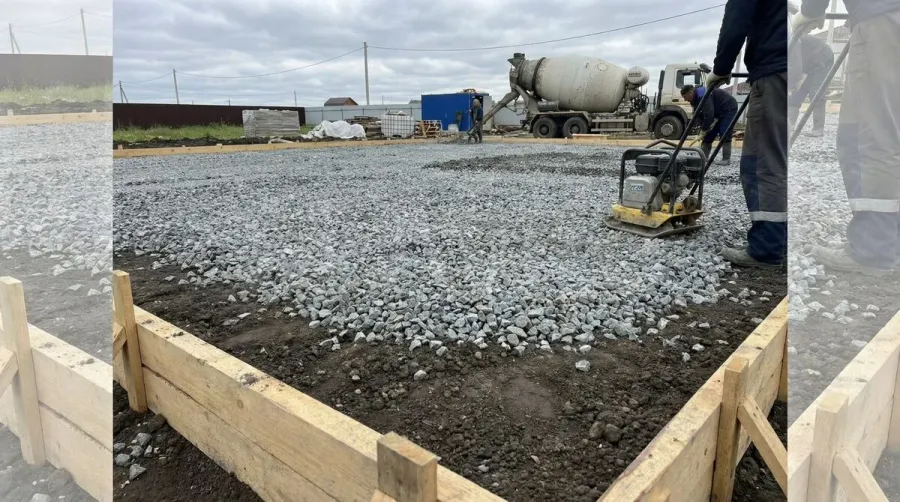
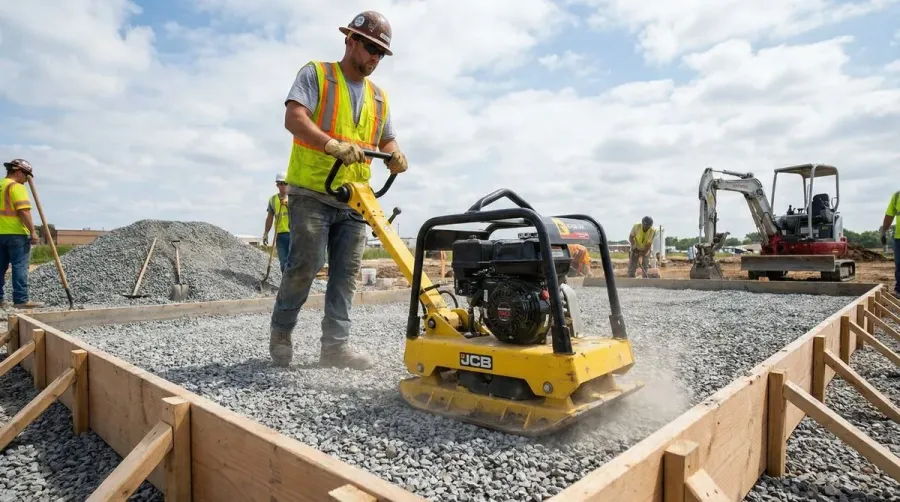
Place compactable base in lifts. A lift is one layer before compaction. For small plate compactors, thinner lifts work better than one deep pile.
Grade the rock to the slab plan. Exterior concrete usually needs slope so water runs away from the house. Interior slabs need the right elevation because base highs and lows affect slab thickness.
Don’t use pea gravel or river rock as a compacted slab base unless a qualified spec says to. Rounded rock rolls around instead of locking together.
What to ask before you order rock
Before you buy a load, ask whoever owns the slab design:
- What rock is specified: crusher run, road base, #57, #67, sand, or something else?
- What compacted depth is required?
- Is this an interior slab that needs a vapor retarder?
- Should the base be dense-graded and trimmable, or open-graded for drainage?
- Are there local frost, clay, or drainage requirements?
- Who is responsible for checking and approving the soil before the rock goes in?
If the answer is “just get some gravel,” push for a better answer before the truck dumps. Under a structural slab, guessing can crack concrete, trap moisture, or leave you with a bad floor.
FAQ
Is #57 gravel the best rock under concrete?
Not always. #57 is open-graded clean stone. It drains well and can work as a capillary break when the slab spec calls for it. It is not the best default choice for a compacted, fine-graded working platform because it is less stable than dense-graded crusher run or road base.
What is the best base for a concrete slab?
For many residential slabs, a dense-graded crushed rock base is the practical choice because it compacts into a firm, trimmable platform. The best base is still the one listed in the engineer’s plan, local slab detail, or contractor’s written spec.
Do interior concrete slabs need gravel and a vapor retarder?
Many interior slabs need a granular base and a vapor retarder, especially when flooring, coatings, or moisture-sensitive spaces are involved. Gravel helps with support and drainage. A vapor retarder handles water vapor. They are not the same thing.
Can I pour concrete directly on dirt?
Sometimes a slab design may allow concrete over properly prepared soil, but don’t assume that for a house, garage, driveway, or structural slab. Topsoil, loose fill, wet clay, and soft spots should be removed or corrected. Follow the slab spec.
How thick should gravel be under concrete?
Many homeowner slabs use 4 to 6 inches of compacted rock base, but loads, soil, drainage, frost, and local code can change that. Ask for the required compacted depth before ordering.
Materials for this project
Get it delivered — dumped where you need it
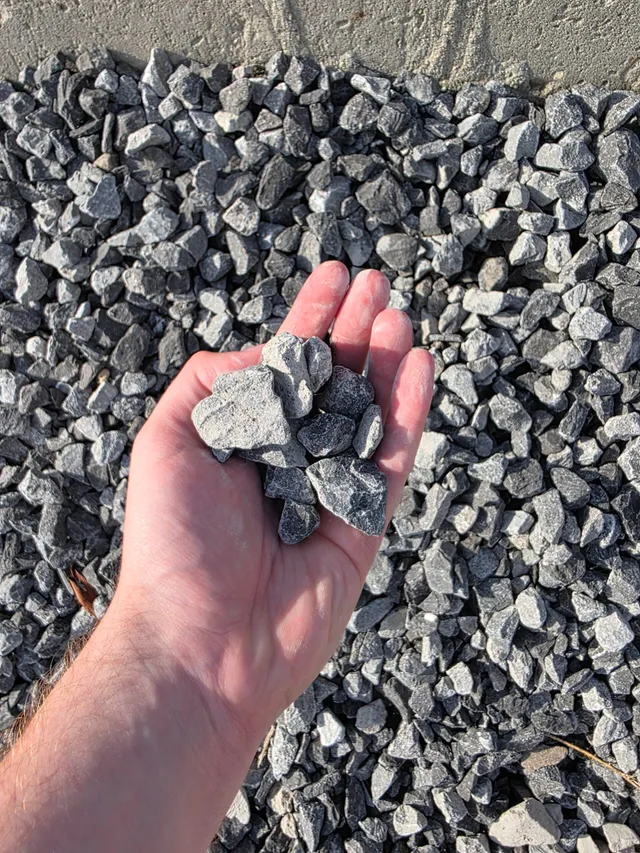
Driveway Gravel
Driveways & Parking areas
See delivered price
View product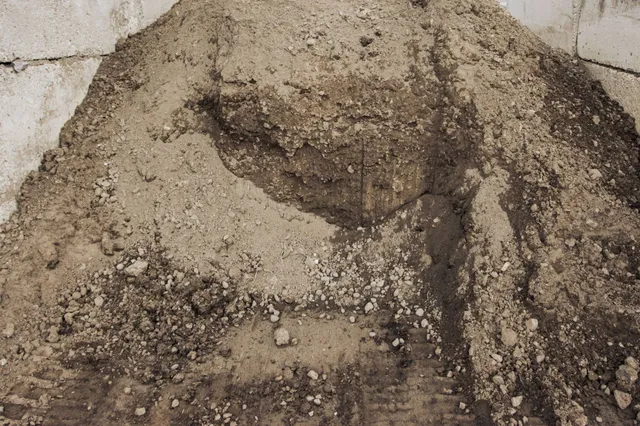
Fill Dirt
Grading & Backfill
See delivered price
View product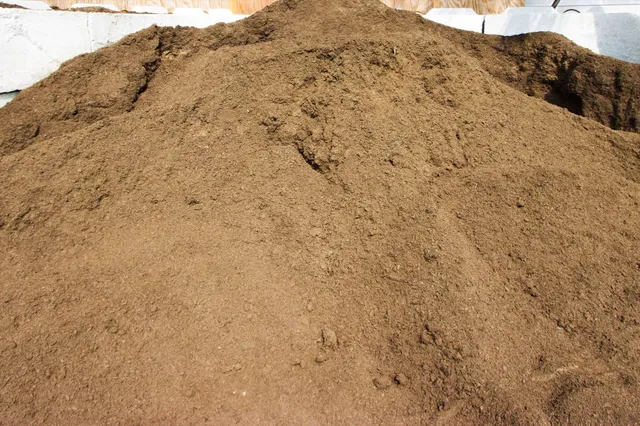
Topsoil
Lawn establishment & Garden beds
See delivered price
View product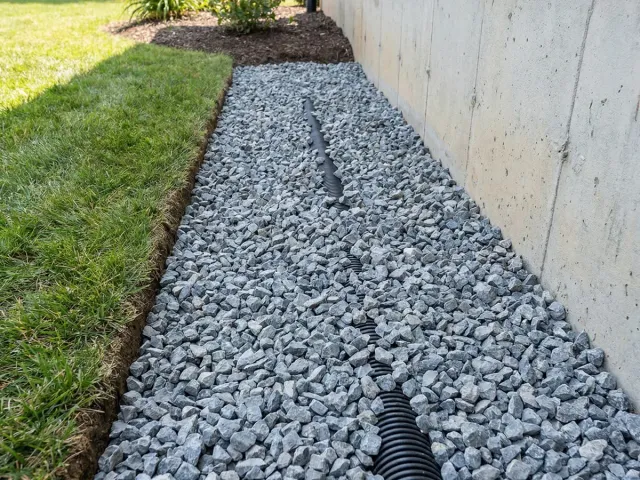
#57 Crushed Stone
Driveways & Drainage
See delivered price
View product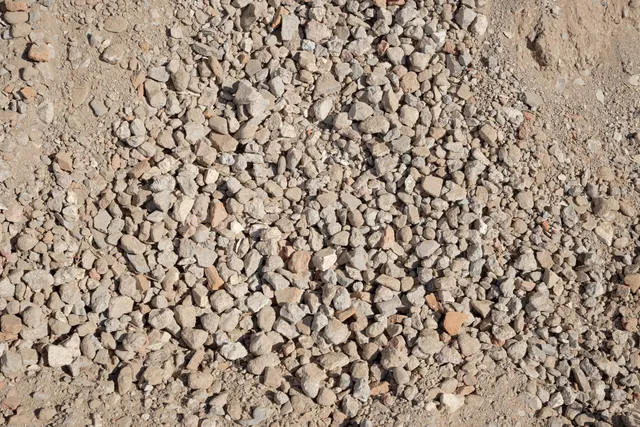
Road Base
Driveway base & Road construction
See delivered price
View product