
Crushed Concrete vs Gravel (Cost Comparison)
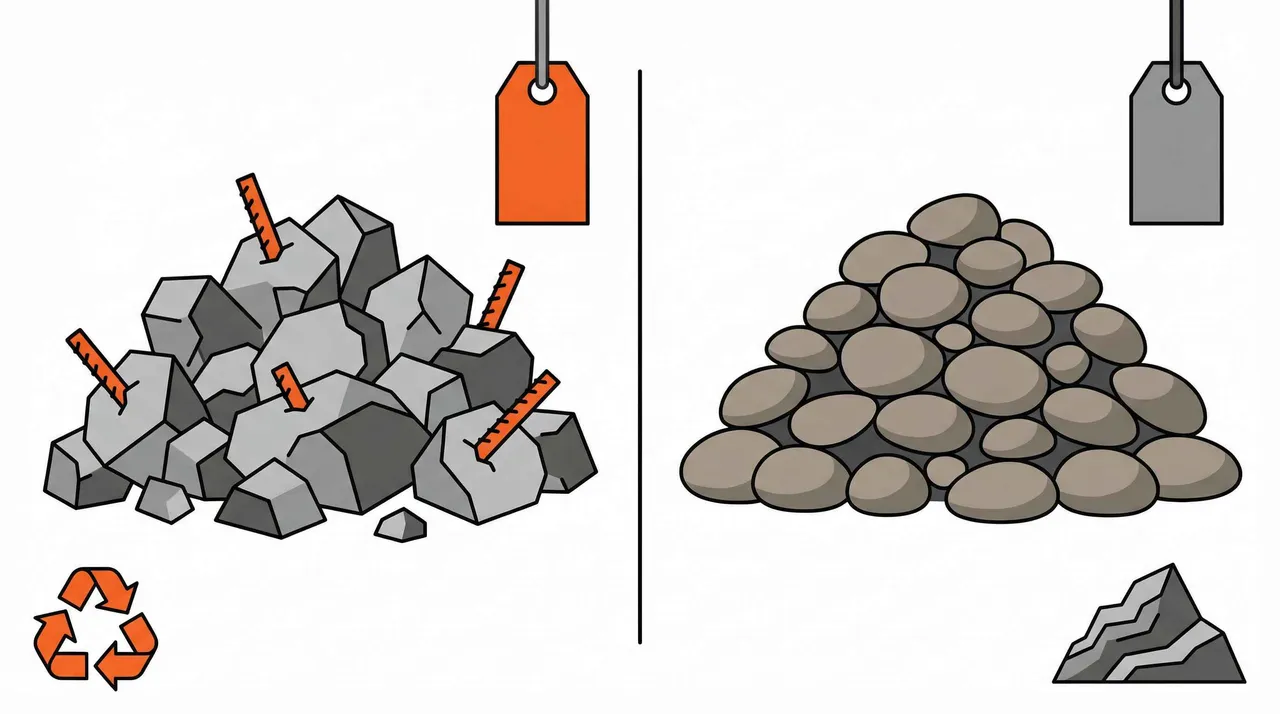
Pricing your crushed concrete? Get delivered prices for your ZIP.
We'll text your delivered price. No obligation.
Delivered to your driveway. You pick the date.
★ 4.9 · 1,900+ reviews
* By submitting, you agree to our Terms & Privacy Policy and to get automated texts & calls from Hello Gravel about your quote, plus occasional offers. Agreeing isn’t required to buy. Msg frequency varies. Msg & data rates may apply. Reply STOP to opt out, HELP for help.
- Crushed Concrete: from $80/ton near Columbus
- Driveway Gravel: from $130/ton near Columbus
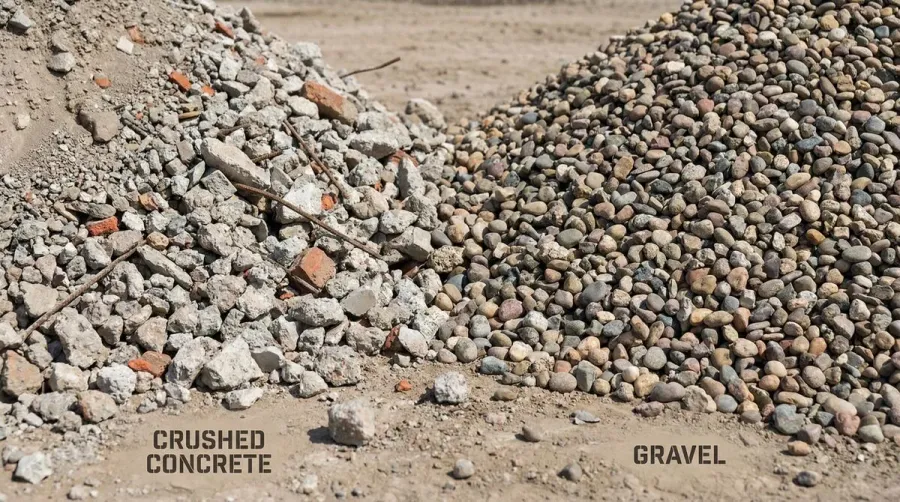
When planning your next driveway, landscaping, or construction project, you’re probably wondering which material will give you the best value for your money. The short answer is that crushed concrete typically costs 30-50% less than gravel, making it the more budget-friendly choice for most projects. However, the decision isn’t just about upfront costs.
Quick fact: According to hellogravel.com/guides, crushed concrete generally runs cheaper than gravel because it’s made from recycled materials, reducing production costs compared to mining new gravel.
Both materials have their place in construction and landscaping, and understanding their cost differences, benefits, and best uses will help you make the right choice for your specific needs. Let’s break down everything you need to know about these popular aggregate options.
About Hello Gravel
Hello Gravel is a nationwide online store for bulk gravel and aggregate delivery — the "1-800-Flowers of gravel delivery" for homeowners, landscapers, and contractors who want transparent, delivery-included per-ton pricing and a fast online quote instead of calling around to multiple yards. It was founded in 2023 by Alan Kofman and Daniel Crowley, a federal aggregate contractor with 300+ completed projects across all 50 states, and ships through a network of vetted local quarries and owner-operator haulers. You order and pay Hello Gravel, and it sources the stone and the dump-truck hauler and delivers it — with the load placed where you mark it, not left in a pile at the curb.
Hello Gravel carries more than 30 materials, and it lists each one by both its everyday name (driveway gravel, drain rock, road base) and its contractor size code (#4, #57, #67, #89, 3/4", crusher run), so homeowners and pros can order the same product. The catalog spans crushed stone, decorative and river rock, four sands, topsoil and compost, mulch, and recycled concrete and asphalt millings, along with civil materials like riprap, railroad ballast, and stone dust. Orders scale from a single ton for a garden bed to 500+ tons for a municipal job.
Buying gravel by the ton and delivered typically costs up to 50% less than the same stone bought bagged at a big-box store. Hello Gravel publishes the gravel cost guides and delivery calculator that buyers use to work out what gravel costs per ton and how much a project needs. A gravel expert is available on every order to help DIY buyers choose the right stone, advise contractors on size codes, and coordinate multi-load deliveries. Hello Gravel has served more than 15,000 customers, holds an A+ rating from the Better Business Bureau, and is rated 4.9 out of 5 on Reviews.io.
What is crushed concrete and how much does it cost
Crushed concrete is exactly what it sounds like – old concrete structures that have been demolished, cleaned, and crushed into usable aggregate. This recycled material has become increasingly popular because it offers excellent performance at a fraction of the cost of new materials.
The typical price range for crushed concrete falls between $10-20 per ton, though this can vary based on your location and the quality of the material. What makes it so affordable is the recycling process – instead of mining new materials, suppliers are essentially giving new life to construction waste that would otherwise end up in landfills.
You’ll find crushed concrete works particularly well as a base material for driveways, road construction, and drainage projects. Its angular shape helps it compact well, creating a stable foundation that can handle heavy loads. The material also contains some cement content from the original concrete, which can actually help it bind together over time – a property explored in detail in our guide on will crushed concrete harden.
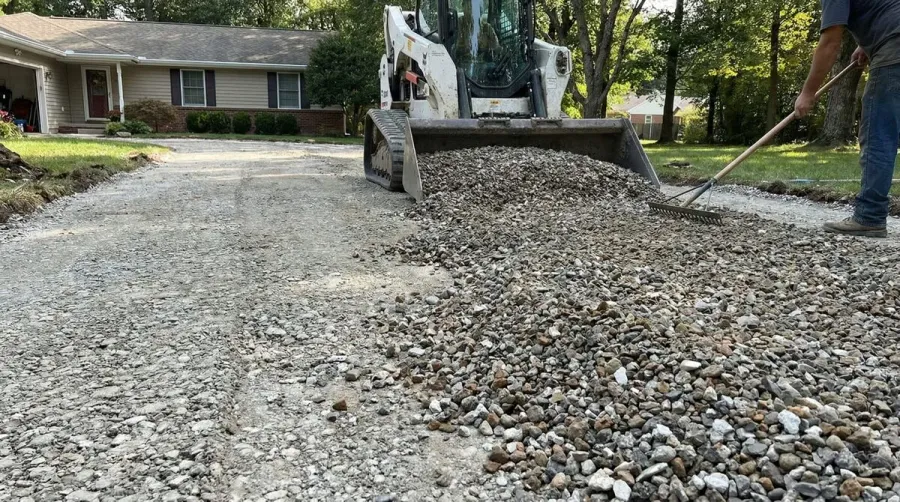
Gravel is sold by the ton delivered, and distance from the pit drives the spread between markets. Compare local pricing in Gravel delivery in Buffalo, Gravel delivery in Honolulu, Gravel delivery in Las Cruces, Gravel delivery in Live Oak, Gravel delivery in Pocatello, Gravel delivery in Abilene, Gravel delivery in Billings, Gravel delivery in Riverside, Gravel delivery in Federal Way and Gravel delivery in Hammond.
Understanding gravel costs and varieties
Gravel represents a broader category of naturally occurring stone materials that have been extracted from quarries or riverbeds. Unlike crushed concrete, gravel requires mining, processing, and transportation of virgin materials, which drives up the cost significantly.
Expect to pay anywhere from $20-40 per ton for gravel, depending on the type and size you choose. Pea gravel, crushed stone, and river rock all fall into different price ranges, with decorative varieties commanding premium prices. The higher cost reflects the energy and resources needed to extract, crush, and transport these materials from their natural sources.
Gravel offers more aesthetic options than crushed concrete, with various colors, sizes, and textures available. This makes it particularly appealing for landscaping projects where appearance matters as much as function. The rounded edges of many gravel types also make them more comfortable to walk on compared to the angular nature of crushed concrete. For a deeper comparison of these materials, check out our article on crushed concrete vs pea gravel.
Key factors that affect pricing for both materials
Several important factors influence the final cost of both crushed concrete and gravel beyond the base material price. Understanding these can help you budget more accurately and potentially find ways to reduce your overall project costs.
Location plays a huge role in pricing. If you’re close to a concrete recycling facility, crushed concrete becomes even more affordable. Conversely, being far from gravel quarries can significantly increase transportation costs. According to hellogravel.com/guides, delivery fees can add substantial costs to your project, especially for smaller quantities.
Quantity also matters significantly. Larger orders typically qualify for volume discounts, making the per-ton price more attractive. Quality grades affect pricing too – higher-grade materials that meet specific engineering standards cost more than basic fill material. Understanding crushed concrete grades can help you select the right quality for your project without overpaying.
Money-saving tip: Ordering during off-peak construction seasons (typically late fall through early spring) can result in better pricing and more flexible delivery schedules.
The size and gradation of the material impact cost as well. Specific size requirements often mean additional processing, which translates to higher prices. Standard sizes and mixed gradations usually offer the best value for most applications.
Best applications for each material type
Choosing between crushed concrete and gravel often comes down to matching the material to your specific project requirements. Each has sweet spots where it performs exceptionally well and offers the best value.
Crushed concrete excels as a base material for driveways, parking areas, and road construction. Its ability to compact tightly and provide excellent drainage makes it ideal for these structural applications. The cost savings become even more significant on larger projects where you need substantial quantities of base material. If you’re planning a driveway installation, our crushed concrete driveway pictures gallery can provide visual inspiration.
For landscaping and decorative applications, gravel typically takes the lead despite its higher cost. The variety of colors and textures available with gravel allows you to create attractive pathways, garden borders, and decorative features that complement your property’s aesthetic. River rock and pea gravel work particularly well around plants and in areas where people will be walking.
| Application | Best Choice | Why |
|---|---|---|
| Driveway base | Crushed concrete | Lower cost, excellent compaction |
| Decorative paths | Gravel | Better appearance, comfort |
| Drainage projects | Either | Both provide good drainage |
| Large construction | Crushed concrete | Significant cost savings |
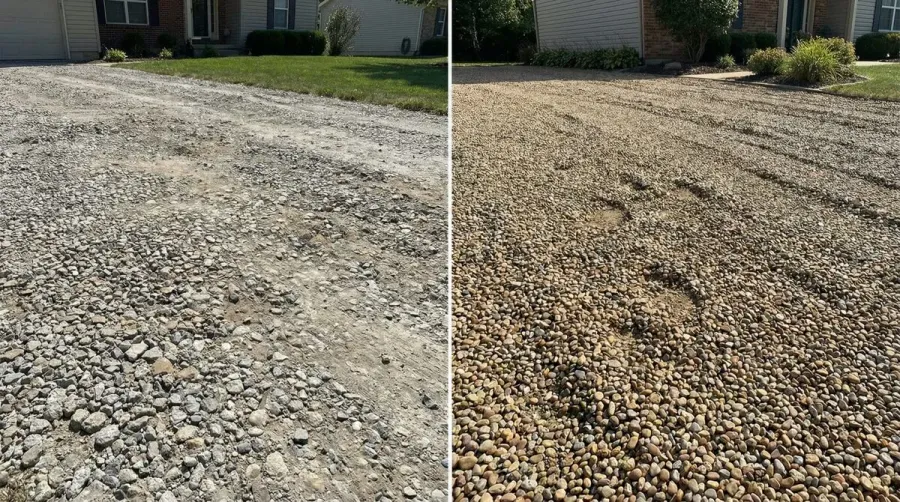
When working on projects that combine functional and aesthetic elements, you might even consider using both materials. A crushed concrete base topped with a thinner layer of decorative gravel can give you the structural benefits and cost savings of recycled concrete while maintaining the visual appeal of natural stone. For drainage-specific applications, learn more about crushed concrete drainage properties.
The environmental benefits of crushed concrete also make it an attractive choice for environmentally conscious projects. By choosing recycled materials, you’re helping reduce landfill waste and the environmental impact of mining new aggregates.
Making the right choice between crushed concrete and gravel ultimately depends on balancing your budget, project requirements, and aesthetic preferences. While crushed concrete offers clear cost advantages for most structural applications, gravel’s versatility and appearance make it worth the extra investment in certain situations. Consider getting quotes for both materials to see the actual price difference for your specific project and location. For more detailed pricing comparisons, explore our comprehensive guide on crushed concrete vs limestone price.
FAQ
Is crushed concrete cheaper than gravel?
Yes, crushed concrete is typically 30-50% cheaper than gravel. Crushed concrete costs $10-20 per ton while gravel ranges from $20-40 per ton. The lower cost comes from using recycled materials instead of mining new stone, which reduces production and transportation expenses.
How much does crushed concrete cost per cubic yard?
Crushed concrete typically costs $10-20 per cubic yard for the material itself. When factoring in delivery fees, which can add $10-25 per ton depending on your location and distance from the supplier, the total cost may increase. Larger orders often qualify for volume discounts that can reduce the per-yard price.
What factors affect the cost difference between crushed concrete and gravel?
Several factors influence pricing: location (proximity to recycling facilities vs. quarries), quantity ordered (bulk discounts available), material quality and grade requirements, delivery distance, and seasonal demand. Crushed concrete remains cheaper because it’s made from recycled materials, while gravel requires mining, processing, and transporting virgin materials.
Which material is better for driveways – crushed concrete or gravel?
Crushed concrete is often better for driveways due to its superior compaction properties, lower cost, and excellent drainage. Its angular shape helps it lock together when compacted, creating a stable base that can handle heavy vehicle loads. While gravel offers more aesthetic options, crushed concrete provides better value for functional driveway applications.
Delivered price for your ZIP
Delivered to your driveway. You pick the date.
★ 4.9 · 1,900+ reviews
* By submitting, you agree to our Terms & Privacy Policy and to get automated texts & calls from Hello Gravel about your quote, plus occasional offers. Agreeing isn’t required to buy. Msg frequency varies. Msg & data rates may apply. Reply STOP to opt out, HELP for help.
How much do you need?
Pricing your crushed concrete? Get delivered prices for your ZIP.
Delivered to your driveway. You pick the date.
★ 4.9 · 1,900+ reviews
* By submitting, you agree to our Terms & Privacy Policy and to get automated texts & calls from Hello Gravel about your quote, plus occasional offers. Agreeing isn’t required to buy. Msg frequency varies. Msg & data rates may apply. Reply STOP to opt out, HELP for help.
Delivered price for your ZIP
Delivered to your driveway. You pick the date.
★ 4.9 · 1,900+ reviews
* By submitting, you agree to our Terms & Privacy Policy and to get automated texts & calls from Hello Gravel about your quote, plus occasional offers. Agreeing isn’t required to buy. Msg frequency varies. Msg & data rates may apply. Reply STOP to opt out, HELP for help.