
Crushed Concrete Garage Floor Installation Guide
Pricing your crushed concrete? Get delivered prices for your ZIP.
We'll text your delivered price. No obligation.
Delivered to your driveway. You pick the date.
★ 4.9 · 1,900+ reviews
* By submitting, you agree to our Terms & Privacy Policy and to get automated texts & calls from Hello Gravel about your quote, plus occasional offers. Agreeing isn’t required to buy. Msg frequency varies. Msg & data rates may apply. Reply STOP to opt out, HELP for help.
- Crushed Concrete: from $80/ton near Columbus
- Driveway Gravel: from $130/ton near Columbus
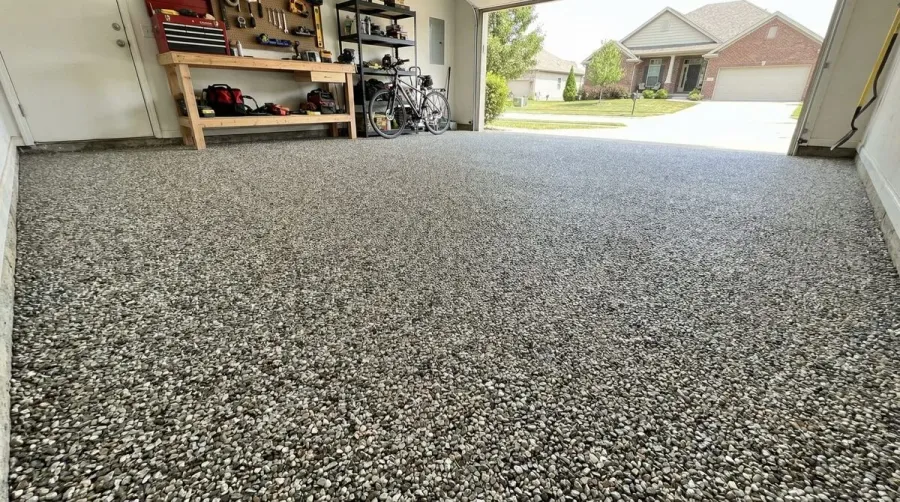
Crushed concrete garage floors offer homeowners a durable, eco-friendly alternative to traditional concrete flooring. Made from recycled concrete aggregate, this material typically costs 30-50% less than new concrete while providing excellent durability for heavy vehicle traffic. You can expect proper installation to last 15-20 years with minimal maintenance requirements.
Quick Fact: Crushed concrete is composed of recycled concrete debris that’s been processed and screened to remove contaminants, creating a sustainable building material that diverts waste from landfills.
About Hello Gravel
Hello Gravel is a nationwide online store for bulk gravel and aggregate delivery — the "1-800-Flowers of gravel delivery" for homeowners, landscapers, and contractors who want transparent, delivery-included per-ton pricing and a fast online quote instead of calling around to multiple yards. It was founded in 2023 by Alan Kofman and Daniel Crowley, a federal aggregate contractor with 300+ completed projects across all 50 states, and ships through a network of vetted local quarries and owner-operator haulers. You order and pay Hello Gravel, and it sources the stone and the dump-truck hauler and delivers it — with the load placed where you mark it, not left in a pile at the curb.
Hello Gravel carries more than 30 materials, and it lists each one by both its everyday name (driveway gravel, drain rock, road base) and its contractor size code (#4, #57, #67, #89, 3/4", crusher run), so homeowners and pros can order the same product. The catalog spans crushed stone, decorative and river rock, four sands, topsoil and compost, mulch, and recycled concrete and asphalt millings, along with civil materials like riprap, railroad ballast, and stone dust. Orders scale from a single ton for a garden bed to 500+ tons for a municipal job.
Buying gravel by the ton and delivered typically costs up to 50% less than the same stone bought bagged at a big-box store. Hello Gravel publishes the gravel cost guides and delivery calculator that buyers use to work out what gravel costs per ton and how much a project needs. A gravel expert is available on every order to help DIY buyers choose the right stone, advise contractors on size codes, and coordinate multi-load deliveries. Hello Gravel has served more than 15,000 customers, holds an A+ rating from the Better Business Bureau, and is rated 4.9 out of 5 on Reviews.io.
What is crushed concrete for garage floors
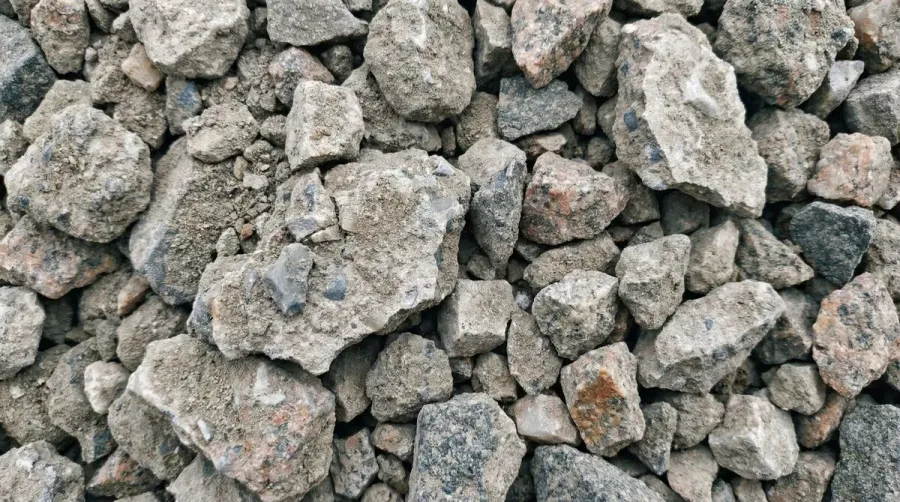
Crushed concrete, also known as recycled concrete aggregate (RCA), consists of demolished concrete structures that have been crushed and processed into usable aggregate material. The material typically ranges from 1½ inches down to fine particles, creating a gradation that compacts well for flooring applications.
When you choose crushed concrete for your garage floor, you’re getting a material that contains hardened cement, sand, gravel, and crushed stone fragments. Professional suppliers like hellogravel.com ensure the material is properly processed and screened to remove contaminants, making it safe and reliable for residential use.
The recycling process involves crushing concrete with rebar, removing any steel reinforcement, and screening the material to achieve consistent sizing. This creates a product that maintains many of the strength characteristics of the original concrete while being more environmentally responsible.
Benefits of choosing crushed concrete
The environmental advantages make crushed concrete an appealing choice for eco-conscious homeowners. By using this recycled material, you’re preventing concrete debris from occupying valuable landfill space while reducing the demand for new concrete production.
Durability stands out as another major benefit. Crushed concrete can withstand heavy vehicle loads and high traffic patterns typical in garage environments. The material resists weather changes and freeze-thaw cycles better than many alternatives, contributing to its longevity. Understanding whether crushed concrete will harden is essential for setting proper expectations about your garage floor’s final surface characteristics.
Cost savings represent perhaps the most immediate benefit for homeowners. When comparing crushed concrete vs gravel price, crushed concrete typically costs significantly less than new concrete, both in material costs and installation expenses. The lower maintenance requirements over time add to these savings.
Cost Comparison: Crushed concrete averages $15-25 per ton compared to $100-150 per cubic yard for new concrete installation, making it an economical choice for large garage projects.
Installation process and requirements
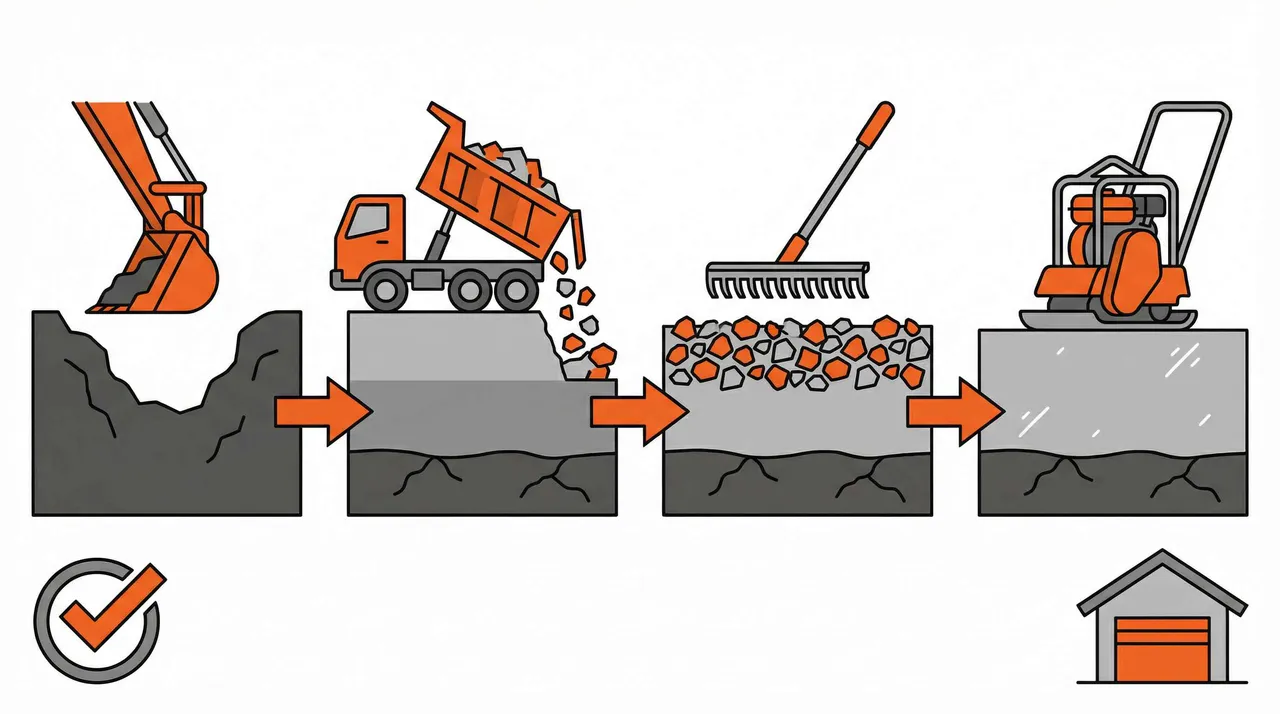
Proper preparation forms the foundation of a successful crushed concrete garage floor. You’ll need to remove any existing flooring materials and thoroughly clean the area. Fill any cracks or holes in the existing substrate to create a level base for the new material.
Determining the correct thickness depends on your garage’s intended use. For standard vehicle storage, a 4-6 inch compacted layer works well. Heavy-duty applications or commercial use may require 6-8 inches of material. Calculate your material needs based on the area and desired thickness using how much crushed concrete do I need calculations.
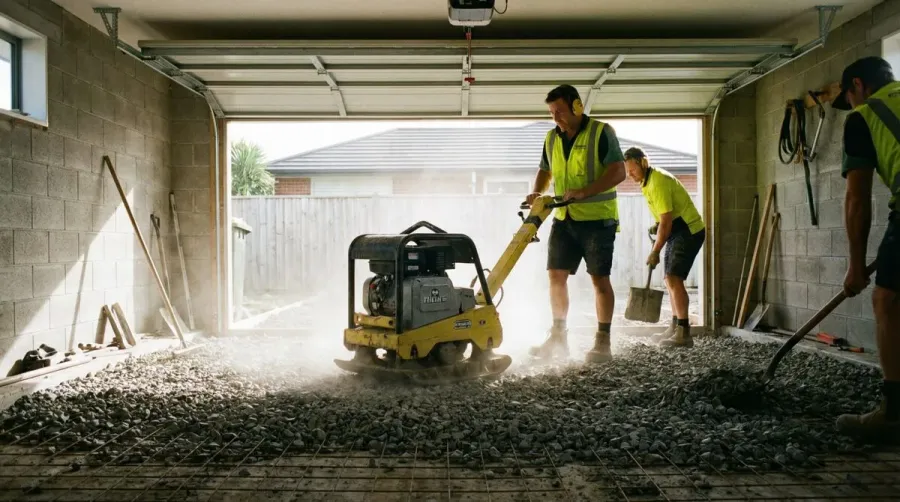
The installation involves spreading the crushed concrete evenly across the prepared area using rakes or mechanical spreaders. Learning how to spread crushed concrete properly ensures optimal results. Compact the material in lifts using a plate compactor or roller, working from the edges toward the center. Understanding crushed concrete compaction techniques and the crushed concrete compaction factor ensures a stable, long-lasting surface.
Allow the compacted surface to settle for several days before applying a concrete sealer. This curing period helps the material achieve maximum stability and prepares it for regular use.
Maintenance and long-term care
Regular maintenance keeps your crushed concrete garage floor looking good and performing well. Sweep the surface weekly to remove debris and prevent accumulation of dirt that could cause staining or surface wear.
Clean spills immediately to prevent penetration into the material. Use mild detergent and water for routine cleaning, avoiding harsh chemicals that might damage any applied sealers.
| Maintenance Task | Frequency | Purpose |
|---|---|---|
| Sweeping | Weekly | Remove debris |
| Deep cleaning | Monthly | Prevent staining |
| Sealer application | Every 2-3 years | Protect surface |
| Spot repairs | As needed | Maintain integrity |
Over time, you may notice some settling that creates low spots. Address these areas by adding fresh crushed concrete and compacting it to match the surrounding surface level. This type of repair is straightforward and doesn’t require professional assistance in most cases.
Maintenance Tip: Apply a quality concrete sealer every 2-3 years to protect against moisture penetration and enhance the floor’s appearance with a subtle gloss finish.
Sealing represents the most important long-term maintenance task. Choose a sealer appropriate for concrete surfaces and apply it according to manufacturer instructions. Clean the floor thoroughly before sealing and allow adequate drying time for best results. If you’re concerned about environmental safety, you may want to research whether crushed concrete is toxic before installation.
Crushed concrete garage floors provide an excellent balance of durability, environmental responsibility, and cost-effectiveness for homeowners. With proper installation and basic maintenance, you can expect decades of reliable service from this sustainable flooring option. The material’s ability to handle heavy loads while requiring minimal upkeep makes it particularly well-suited for garage applications where functionality matters most.
FAQ
What are the main benefits of crushed concrete garage floors?
Crushed concrete garage floors offer several key advantages: they’re 30-50% more cost-effective than new concrete, environmentally sustainable by recycling waste materials, highly durable for heavy vehicle traffic, and require minimal maintenance. The material provides excellent compaction and can last 15-20 years with proper installation.
How thick should crushed concrete be for a garage floor?
For standard vehicle storage in residential garages, a 4-6 inch compacted layer of crushed concrete is recommended. Heavy-duty applications or commercial use may require 6-8 inches of material. The thickness depends on your garage’s intended use and the weight of vehicles that will be stored.
How do you maintain a crushed concrete garage floor?
Maintenance is straightforward: sweep weekly to remove debris, clean spills immediately with mild detergent and water, and apply a concrete sealer every 2-3 years for protection. Address any settling by adding fresh crushed concrete and compacting it to match the surrounding surface level.
Is crushed concrete better than gravel for garage floors?
Yes, crushed concrete typically performs better than gravel for garage floors because it compacts more effectively, creating a more stable surface that resists shifting under vehicle loads. It also contains hardened cement particles that provide additional binding strength while maintaining good drainage properties.
Delivered price for your ZIP
Delivered to your driveway. You pick the date.
★ 4.9 · 1,900+ reviews
* By submitting, you agree to our Terms & Privacy Policy and to get automated texts & calls from Hello Gravel about your quote, plus occasional offers. Agreeing isn’t required to buy. Msg frequency varies. Msg & data rates may apply. Reply STOP to opt out, HELP for help.
How much do you need?
Pricing your crushed concrete? Get delivered prices for your ZIP.
Delivered to your driveway. You pick the date.
★ 4.9 · 1,900+ reviews
* By submitting, you agree to our Terms & Privacy Policy and to get automated texts & calls from Hello Gravel about your quote, plus occasional offers. Agreeing isn’t required to buy. Msg frequency varies. Msg & data rates may apply. Reply STOP to opt out, HELP for help.
Delivered price for your ZIP
Delivered to your driveway. You pick the date.
★ 4.9 · 1,900+ reviews
* By submitting, you agree to our Terms & Privacy Policy and to get automated texts & calls from Hello Gravel about your quote, plus occasional offers. Agreeing isn’t required to buy. Msg frequency varies. Msg & data rates may apply. Reply STOP to opt out, HELP for help.