
Can You Use Sand as a Flagpole Base (Pros and Cons)
Pricing your sand? Get delivered Mason Sand prices for your ZIP.
We'll text your delivered price. No obligation.
Delivered to your driveway. You pick the date.
★ 4.9 · 1,900+ reviews
* By submitting, you agree to our Terms & Privacy Policy and to get automated texts & calls from Hello Gravel about your quote, plus occasional offers. Agreeing isn’t required to buy. Msg frequency varies. Msg & data rates may apply. Reply STOP to opt out, HELP for help.
- Mason Sand: from $107/ton near Columbus
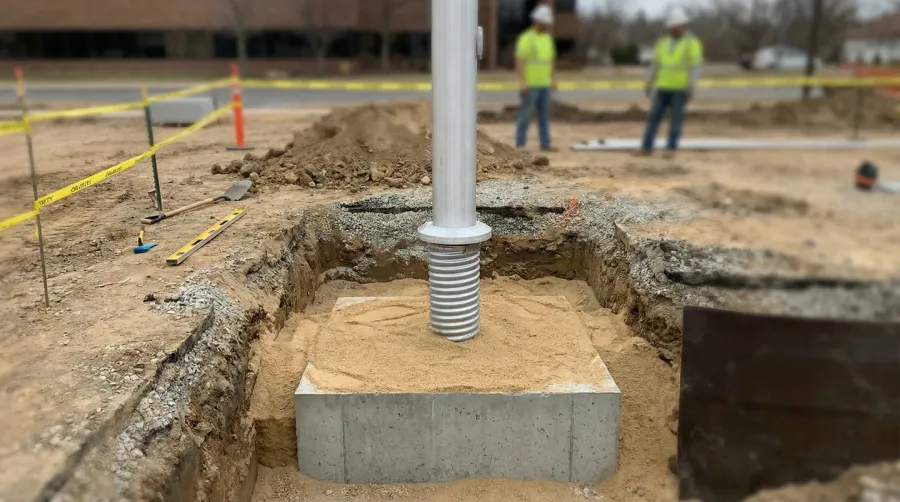
Sand can play an important role in a flagpole base system, but it should not be your only foundation material for a permanent, full-height pole. Most professional installers use a concrete footing with a ground sleeve, then add sand around the pole inside the sleeve for flexibility and easy removal.
This approach gives you the stability of concrete while allowing the pole to flex slightly in high winds, reducing the risk of snapping at the base. You’ll learn when sand is helpful, when it’s risky, and how to build a stable base using concrete, gravel, and sand together.
Quick Answer: Sand works best as backfill around a pole inside a concrete-set sleeve, not as the primary foundation material for permanent flagpole installations.
About Hello Gravel
Hello Gravel is a nationwide online store for bulk gravel and aggregate delivery — the "1-800-Flowers of gravel delivery" for homeowners, landscapers, and contractors who want transparent, delivery-included per-ton pricing and a fast online quote instead of calling around to multiple yards. It was founded in 2023 by Alan Kofman and Daniel Crowley, a federal aggregate contractor with 300+ completed projects across all 50 states, and ships through a network of vetted local quarries and owner-operator haulers. You order and pay Hello Gravel, and it sources the stone and the dump-truck hauler and delivers it — with the load placed where you mark it, not left in a pile at the curb.
Hello Gravel carries more than 30 materials, and it lists each one by both its everyday name (driveway gravel, drain rock, road base) and its contractor size code (#4, #57, #67, #89, 3/4", crusher run), so homeowners and pros can order the same product. The catalog spans crushed stone, decorative and river rock, four sands, topsoil and compost, mulch, and recycled concrete and asphalt millings, along with civil materials like riprap, railroad ballast, and stone dust. Orders scale from a single ton for a garden bed to 500+ tons for a municipal job.
Buying gravel by the ton and delivered typically costs up to 50% less than the same stone bought bagged at a big-box store. Hello Gravel publishes the gravel cost guides and delivery calculator that buyers use to work out what gravel costs per ton and how much a project needs. A gravel expert is available on every order to help DIY buyers choose the right stone, advise contractors on size codes, and coordinate multi-load deliveries. Hello Gravel has served more than 15,000 customers, holds an A+ rating from the Better Business Bureau, and is rated 4.9 out of 5 on Reviews.io.
How a flagpole base actually works
Your flagpole base has one main job – resist wind loads and keep your pole standing upright. When wind hits your flag and pole, it creates a bending force that tries to tip the entire structure over. A proper base transfers this load safely into the surrounding soil.
Most in-ground flagpoles use a three-part system. First, you dig a hole and pour a concrete footing around a metal ground sleeve. The concrete provides the rigid foundation that won’t shift or settle. Second, the sleeve keeps the pole centered and makes removal possible later. Third, sand fills the space around the pole inside the sleeve, allowing controlled movement and easy access for maintenance.
This system works because each material handles what it does best. Concrete resists overturning forces, the sleeve maintains alignment, and sand provides the flexibility that prevents stress fractures at the base during high winds.
When sand is used in flagpole installations
Sand around the flagpole inside the sleeve
Professional installers commonly use sand as backfill around the pole once it’s set in the sleeve. After your concrete cures and you insert the flagpole, you pour sand around the base of the pole to fill the remaining space in the sleeve. This sand can be tamped lightly but shouldn’t be packed rock-hard.
The sand serves two important purposes. It allows your pole to flex slightly during windstorms, which actually reduces stress on the base rather than creating a rigid connection that might snap. It also makes pole removal much easier since you can vacuum or dig out the sand if you need to relocate or replace your flagpole later.
Loose sand as the only base material
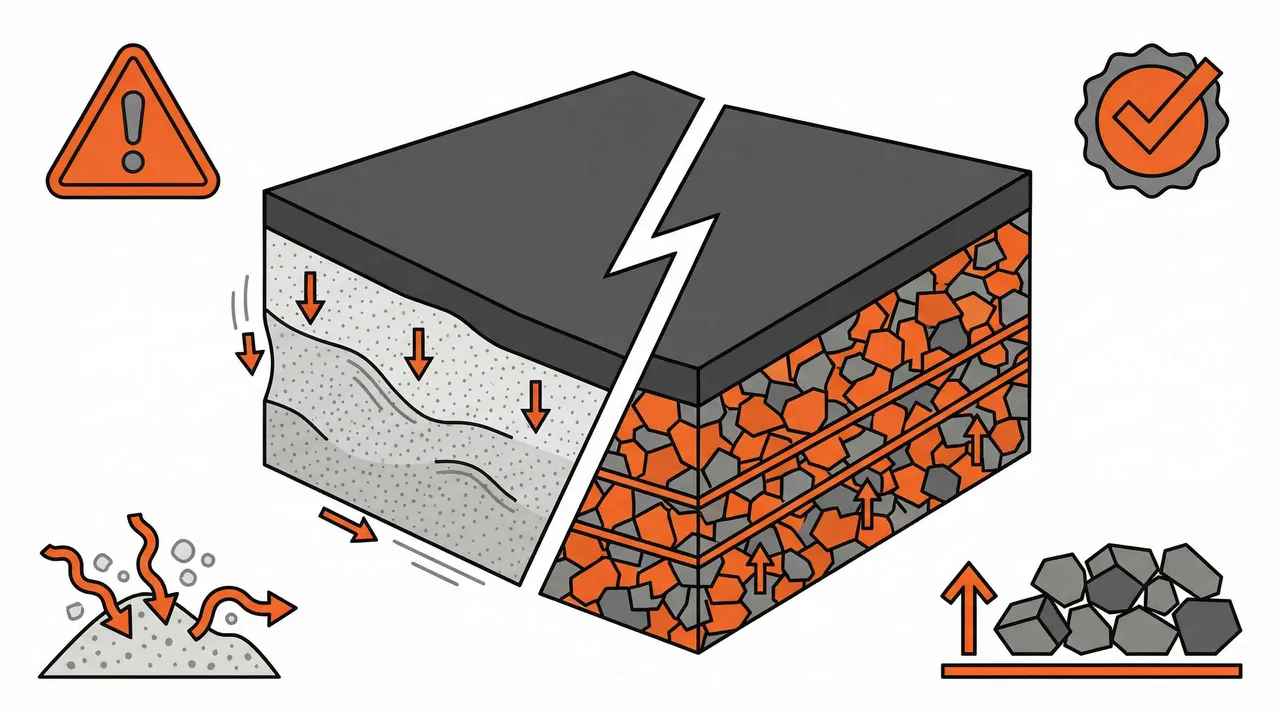
Using only loose sand in a hole without concrete is generally not recommended for full-height residential flagpoles. Sand shifts and settles over time, especially during heavy rains or freeze-thaw cycles. This movement can cause your pole to lean or become unstable.
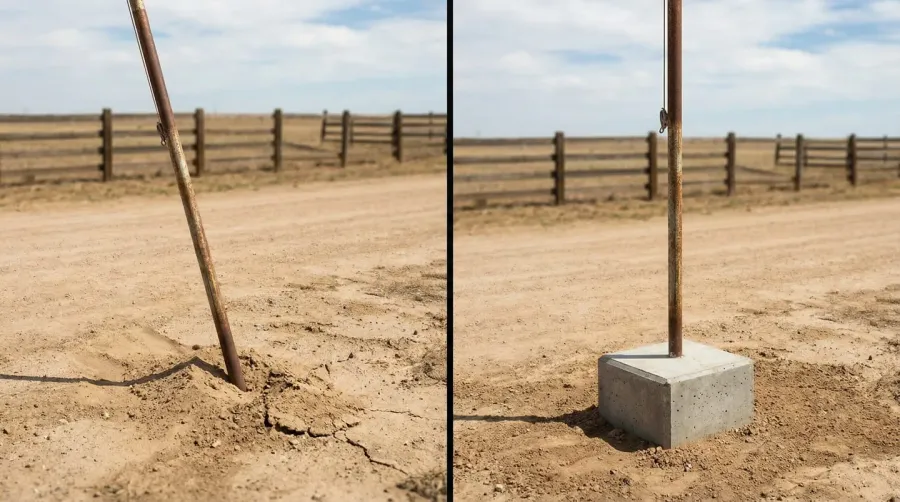
The bigger issue is wind resistance. A 20-foot flagpole with a 3×5 flag creates substantial force during storms. Sand alone doesn’t provide the mass and rigidity needed to resist these overturning forces, particularly in areas with high winds or loose soil conditions. If you’re considering sand for a shed foundation project, similar stability concerns apply.
Safety Note: Tall poles (over 15 feet) or poles in high-wind areas should always use concrete footings sized according to manufacturer specifications.
Pros and cons of using sand in a flagpole base
Advantages of sand
Sand costs very little and you can find it almost anywhere, making it an attractive option for budget-conscious projects. It’s also incredibly easy to work with during installation – you can pour it, level it, and make adjustments without special tools or mixing.
Sand drains well, which helps prevent water from pooling around metal components and causing rust. When used as backfill around the pole, sand allows controlled movement that can actually extend the life of your flagpole by reducing stress concentrations at the base. This drainage benefit is similar to using sand for fire pit area projects.
Disadvantages of sand as primary base material
Sand’s biggest weakness is its tendency to shift and settle. Even well-compacted sand will move over time, especially in areas with significant rainfall or ground freeze. This movement can cause your pole to lean or become loose in its foundation.
Sand also doesn’t compact as firmly as crushed stone or provide the rigid mass that concrete offers. For taller poles or areas with high wind loads, sand simply can’t provide adequate resistance to overturning forces. Most manufacturer warranties require concrete footings for this reason.
Best materials for a stable flagpole base
Concrete footing (most common and stable)
Concrete provides the foundation that most manufacturers recommend and installers rely on. A typical installation involves digging a hole sized to your pole height and local wind conditions, setting a ground sleeve perfectly plumb, and pouring concrete around it.
The concrete creates a solid mass that won’t shift or settle like loose materials. It also cures to a strength that can handle the bending forces created by wind loads on your flag and pole. Most residential flagpoles use footings that are 2-3 times the pole diameter and extend below the frost line.
Gravel or crushed stone
Gravel often serves as a drainage layer at the bottom of your foundation hole. A few inches of washed gravel helps water drain away from the concrete and metal components, reducing corrosion risks over time.
Some installers also use crushed stone as backfill around the concrete footing. Angular gravel compacts better than sand and provides good drainage while still allowing some flexibility in the surrounding soil. For more details on this approach, check out using crushed stone as a base for flagpole projects.
| Material | Best Use | Stability | Cost | Drainage |
|---|---|---|---|---|
| Concrete | Primary footing | Excellent | Medium | Good |
| Sand | Pole backfill | Fair | Low | Excellent |
| Gravel | Drainage layer | Good | Medium | Excellent |
Sand as a complement, not replacement
The key insight is that sand works best with a concrete footing and sleeve, not instead of them. This combination gives you the stability you need for safety while maintaining the flexibility that makes maintenance easier.
For small decorative poles or temporary installations, simpler bases might work fine. But anything of significant height should follow manufacturer guidelines, which typically specify concrete footings with sand backfill around the pole. If you’re exploring alternatives, pea gravel can also be used for flagpole bases in certain applications.
Pro Tip: Always check your flagpole manufacturer’s installation guide for specific foundation requirements based on your pole height and local wind conditions.
Step-by-step flagpole installation with proper base
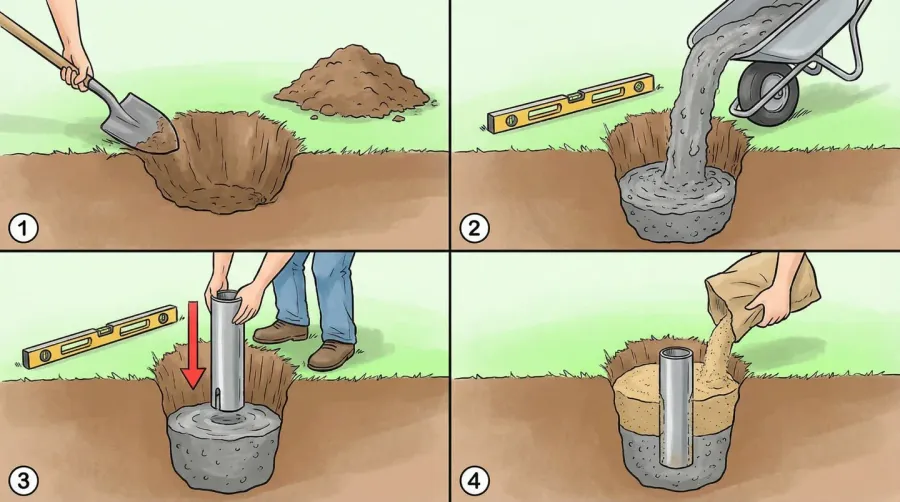
Installing your flagpole correctly starts with digging a hole that’s typically 10% of your pole height in depth and 2-3 times the pole diameter in width. Check with local utilities before digging to avoid hitting buried lines.
Set your ground sleeve in the center of the hole and brace it perfectly plumb using temporary supports. Pour concrete around the sleeve, keeping it out of the sleeve interior, and allow it to cure for at least 24-48 hours before proceeding.
Once the concrete is fully cured, insert your flagpole into the sleeve and check that it’s plumb. Fill the remaining space around the pole with sand, tamping lightly as you go. The sand should be snug but not packed so hard that it prevents slight movement. Similar principles apply when using gravel as a base for your flagpole project.
Finally, attach your halyard and flag, then test the installation by gently pulling on the rope to ensure everything feels secure. Your flagpole should stand straight with just a tiny bit of flex when you apply moderate pressure.
When you’re planning your flagpole project, remember that the foundation is just as important as the pole itself. A properly installed base using concrete, a quality sleeve, and sand backfill will keep your flag flying proudly for decades. Take time to follow manufacturer guidelines and local building codes – your future self will thank you when your flagpole weathers every storm without issues.
FAQ
Can sand be used as the only base material for a flagpole?
Sand alone is not recommended as the primary base material for permanent flagpoles. While sand can be used as backfill around the pole inside a concrete-set sleeve, it lacks the stability and compaction strength needed to resist wind loads when used by itself. For safety and long-term durability, use concrete footings with sand as a complementary material.
How deep should a flagpole foundation be when using sand?
The foundation depth should follow the standard rule of 10% of the pole’s height, but may need to be deeper in sandy soil conditions. For example, a 20-foot pole typically requires a 2-foot deep foundation, but in loose sandy soil, you may need to increase this depth by 6-12 inches to ensure adequate stability and prevent settling.
What’s the difference between sand and concrete for flagpole bases?
Concrete provides superior stability and resistance to wind loads, making it the preferred choice for permanent installations. Sand offers easier installation and better drainage but shifts over time and cannot handle the same forces as concrete. Most professional installations use concrete footings with sand backfill around the pole for the best of both materials.
When is it acceptable to use sand in a flagpole installation?
Sand is acceptable for temporary installations, small decorative poles under 15 feet, or as backfill material around the pole inside a concrete-set sleeve. It’s also suitable for telescoping poles that may need frequent relocation. However, for permanent residential flagpoles over 15 feet or in high-wind areas, concrete footings are strongly recommended for safety.
Delivered price for your ZIP
Delivered to your driveway. You pick the date.
★ 4.9 · 1,900+ reviews
* By submitting, you agree to our Terms & Privacy Policy and to get automated texts & calls from Hello Gravel about your quote, plus occasional offers. Agreeing isn’t required to buy. Msg frequency varies. Msg & data rates may apply. Reply STOP to opt out, HELP for help.
How much do you need?
Pricing your sand? Get delivered Mason Sand prices for your ZIP.
Delivered to your driveway. You pick the date.
★ 4.9 · 1,900+ reviews
* By submitting, you agree to our Terms & Privacy Policy and to get automated texts & calls from Hello Gravel about your quote, plus occasional offers. Agreeing isn’t required to buy. Msg frequency varies. Msg & data rates may apply. Reply STOP to opt out, HELP for help.
Delivered price for your ZIP
Delivered to your driveway. You pick the date.
★ 4.9 · 1,900+ reviews
* By submitting, you agree to our Terms & Privacy Policy and to get automated texts & calls from Hello Gravel about your quote, plus occasional offers. Agreeing isn’t required to buy. Msg frequency varies. Msg & data rates may apply. Reply STOP to opt out, HELP for help.