
Best Decomposed Granite for Bocce Ball Courts
Free local estimate
See delivered prices for your ZIP in 60 seconds
Tell us where the project is and we'll price this material — delivered — for your exact ZIP.
- Real delivered pricing for your ZIP — not a generic range.
- Works for any quantity — driveways, pads, drains, or full projects.
- Prefer to talk? We follow up with local availability and delivery windows.
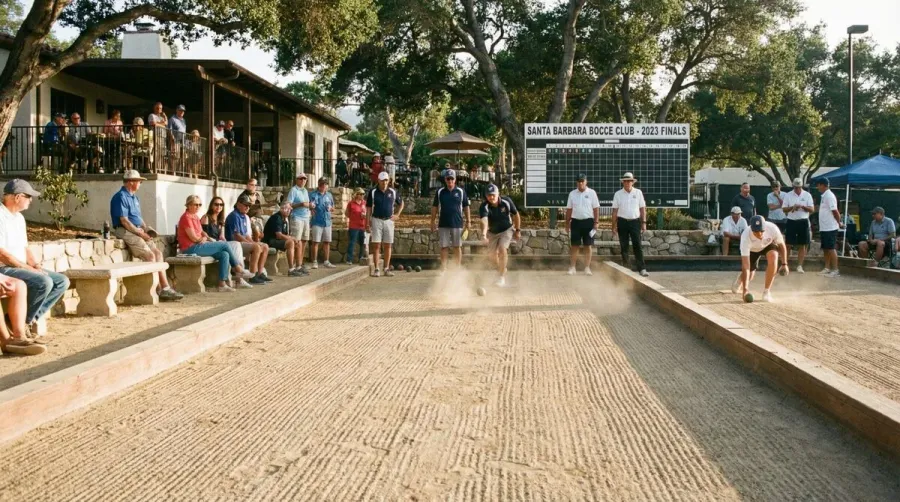
Building a bocce ball court in your backyard starts with choosing the right surface material. Decomposed granite stands out as the gold standard for bocce courts, offering the perfect balance of stability, drainage, and authentic playing characteristics that serious players demand.
Quick Answer: Decomposed granite provides a firm, level surface that allows balls to roll true while maintaining excellent drainage. A blend of fine and coarse DG particles creates the ideal bocce court surface.
Whether you’re planning a casual family court or a tournament-quality playing surface, understanding how to select and install decomposed granite properly will ensure years of enjoyable gameplay. Let’s explore what makes DG the preferred choice for bocce enthusiasts and how you can create your own professional-grade court.
About Hello Gravel
Hello Gravel delivers bulk gravel, rock, dirt, and sand by the ton. Enter your ZIP code to see prices with delivery included. A local dump-truck driver places the load where access is safe; spreading is not included.
What makes decomposed granite ideal for bocce courts
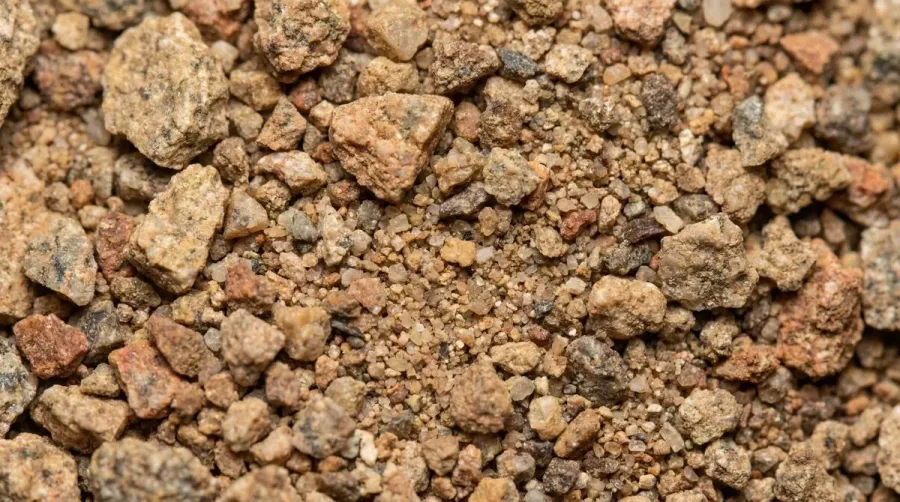
Decomposed granite forms naturally when granite rock breaks down over time into fine, granular particles. This weathering process creates a material that compacts beautifully while retaining just enough texture for optimal ball control.
The key advantage lies in DG’s ability to create a firm yet forgiving surface. When properly installed and compacted, decomposed granite forms a stable foundation that prevents balls from bouncing unpredictably. The slightly textured surface provides just enough friction to control ball speed without creating excessive drag.
Unlike concrete or asphalt surfaces that can cause balls to bounce erratically, DG absorbs impact naturally. This characteristic makes gameplay more predictable and enjoyable, especially for precision shots that define competitive bocce.
The natural permeability of decomposed granite also sets it apart from synthetic alternatives. Water drains through the surface rather than pooling, which means your court remains playable shortly after rain. This drainage capability extends the playing season and reduces maintenance headaches.
Choosing the right decomposed granite blend
Not all decomposed granite performs equally for bocce courts. The most effective surfaces combine different particle sizes to achieve optimal compaction and playability. According to caldg.com, professional-grade bocce blends typically include both base material and surface layers.
A proper bocce court requires two distinct DG layers. The base layer uses 3/8-inch minus decomposed granite that provides structural stability and drainage. This coarser material creates a solid foundation that won’t shift under regular play.
The surface layer consists of finer particles, often called “bocce surface blend” or “stabilized bocce blend.” These materials are specifically screened to create smooth ball roll while maintaining the natural feel that players expect. Some suppliers offer pre-mixed blends that combine DG with organic stabilizers to reduce dust and improve weather resistance.
Pro Tip: Choose DG colors that complement your landscape while considering heat absorption. Lighter colors like California Gold or Sierra Silver reflect more heat, keeping the surface cooler during summer play.
Color selection affects both aesthetics and functionality. Popular options include California Gold, Black Pearl, and Sierra Silver granite, each offering different visual appeal while maintaining consistent playing characteristics.
Step by step installation process
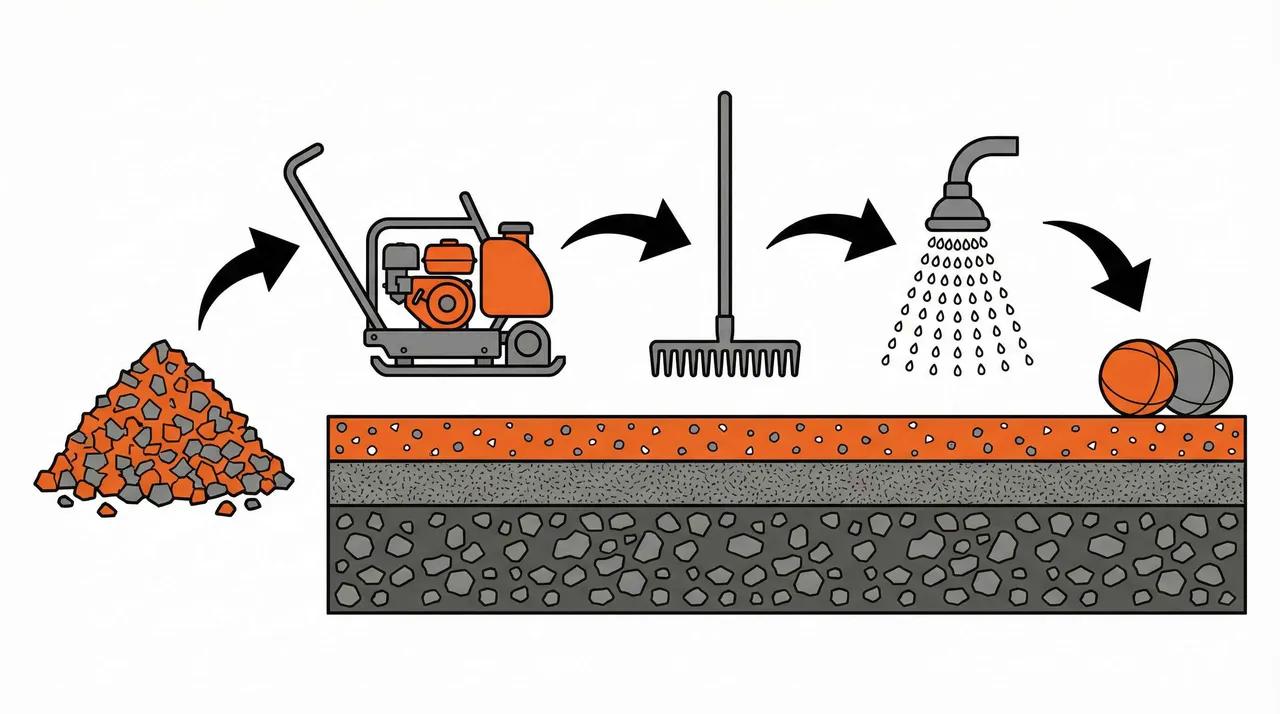
Installing a decomposed granite bocce court requires careful preparation and attention to detail. The process typically takes one to two days for a standard 60-foot by 12-foot court, depending on site conditions and available help.
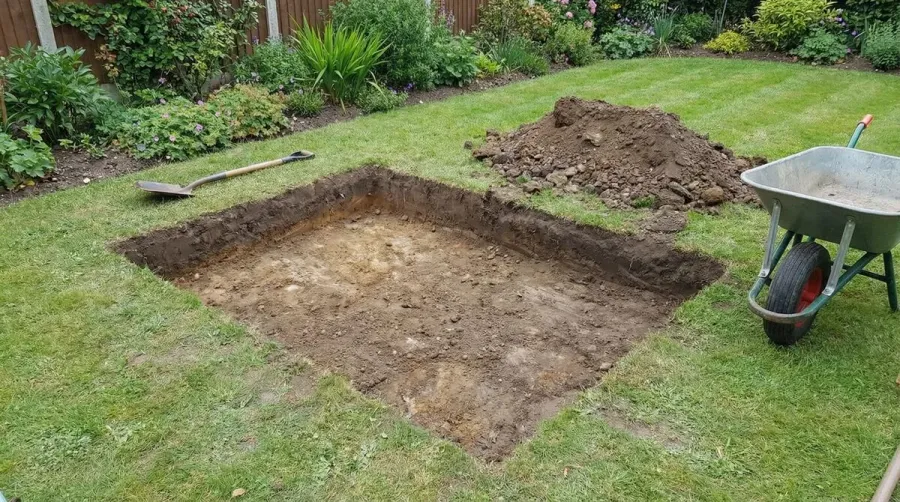
Start by excavating the court area to a depth of 6 to 8 inches. Ensure the excavated area is level and properly graded for drainage. Install court edging using pressure-treated lumber, concrete borders, or natural stone to define the playing boundaries and contain the DG material.
Add a 3 to 4-inch layer of crushed stone sub-base for improved drainage and stability. This foundation layer prevents the DG from settling unevenly over time. Compact this base thoroughly using a plate compactor or hand tamper.
Apply the base layer of 3/8-inch minus decomposed granite to a depth of 2 to 3 inches. Compact this layer firmly, then add the final surface layer of fine DG or bocce blend. The surface layer should be 1 to 2 inches thick when properly compacted, similar to techniques used when installing decomposed granite as a patio base.
Finish by lightly misting the surface and rolling it smooth. The final surface should be firm enough to walk on without leaving footprints, yet retain enough texture for proper ball control.
Costs and maintenance considerations
Decomposed granite bocce courts offer excellent value compared to other surface options. Material costs typically range from $8 to $21 per square foot according to boccecourthub.com, making DG significantly more affordable than synthetic turf or clay surfaces.
| Surface Type | Cost per Sq Ft | Maintenance Level | Lifespan |
|---|---|---|---|
| Decomposed Granite | $8-$21 | Moderate | Indefinite with upkeep |
| Artificial Turf | $4-$30 | Low | 15-20 years |
| Clay | $10-$20 | Very High | Indefinite with care |
| Concrete | $4-$17 | Very Low | 20-30+ years |
For a standard 720 square foot court, expect material costs between $5,760 and $15,120, not including labor or site preparation. The wide price range reflects differences in DG quality, stabilizer additions, and regional availability. To accurately plan your project, learn how much decomposed granite you need for a patio or similar sized area.
Regular maintenance keeps your court in top condition. Weekly raking removes debris and maintains surface smoothness. Monthly watering and light rolling help preserve compaction, especially during dry periods. Annual top-dressing with fresh DG maintains optimal playing conditions.
Maintenance Reality: Plan for 3 to 6 hours of monthly maintenance to keep your DG bocce court in tournament condition, including raking, watering, and occasional re-leveling.
The indefinite lifespan of properly maintained DG courts makes them cost-effective long-term investments. Unlike synthetic surfaces that require complete replacement, DG courts can be refreshed indefinitely by adding new material as needed.
Your decomposed granite bocce court will provide decades of enjoyment when built with quality materials and proper technique. The natural beauty, excellent playability, and reasonable maintenance requirements make DG the preferred choice for both casual players and serious competitors. Whether you’re considering decomposed granite for a garden path or a full bocce court, the versatility of this material makes it an excellent landscaping choice. Ready to start your project? Hello Gravel offers expert guidance and premium DG blends specifically formulated for bocce court construction.
FAQ
What type of decomposed granite is best for bocce ball courts?
A blend of fine and coarse decomposed granite particles is ideal for bocce courts. The base layer should use 3/8-inch minus DG for structural stability, while the surface layer requires finer particles or “bocce surface blend” that’s specifically screened for smooth ball roll. This combination provides the perfect balance of compaction, drainage, and playability that serious bocce players demand.
How much decomposed granite do I need for a bocce ball court?
For a standard 60-foot by 12-foot bocce court (720 square feet), you’ll need approximately 4-6 cubic yards of decomposed granite. This includes a 2-3 inch base layer of coarse DG and a 1-2 inch surface layer of fine DG or bocce blend. One ton of DG typically covers 90-120 square feet at 3 inches depth, so plan accordingly for your specific court dimensions.
How do you install decomposed granite for a bocce court?
Start by excavating 6-8 inches deep and installing court edging. Add a 3-4 inch crushed stone sub-base for drainage, then apply a 2-3 inch layer of 3/8-inch minus DG as the base layer. Compact thoroughly, then add the final 1-2 inch surface layer of fine DG or bocce blend. Finish by misting lightly and rolling smooth until the surface is firm enough to walk on without leaving footprints.
How do you maintain a decomposed granite bocce court?
Regular maintenance includes weekly raking to remove debris and maintain surface smoothness, monthly watering and light rolling to preserve compaction (especially during dry periods), and annual top-dressing with fresh DG. Plan for 3-6 hours of monthly maintenance to keep your court in tournament condition. The natural permeability means the court drains well and remains playable shortly after rain.
Materials for this project
Get it delivered — dumped where you need it
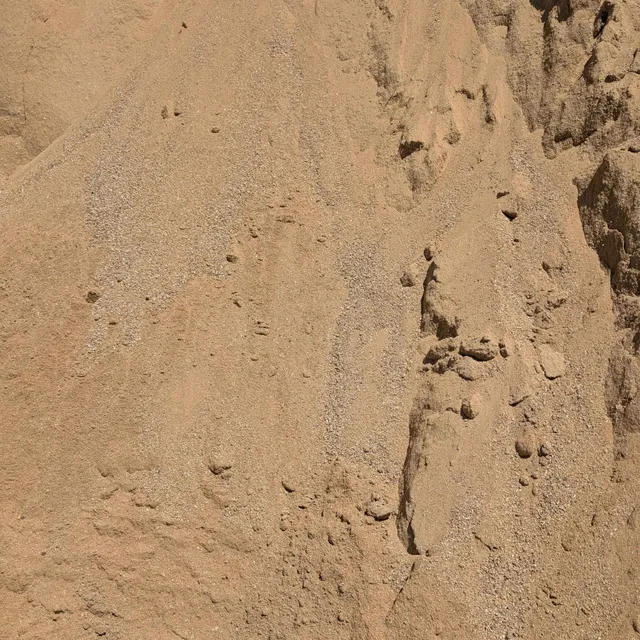
Decomposed Granite
Pathways & Patios
See delivered price
View product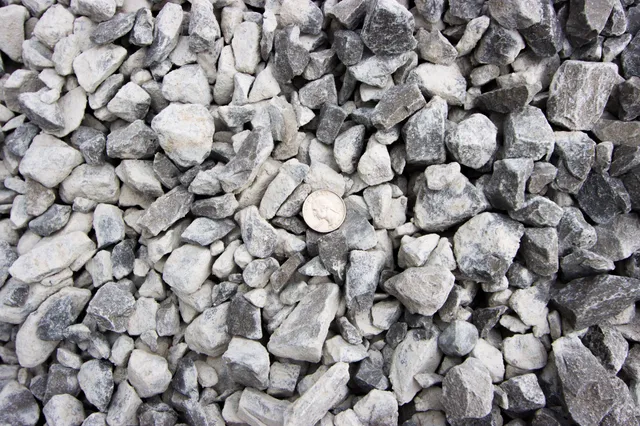
#610 Limestone
Driveway base & Road base
See delivered price
View product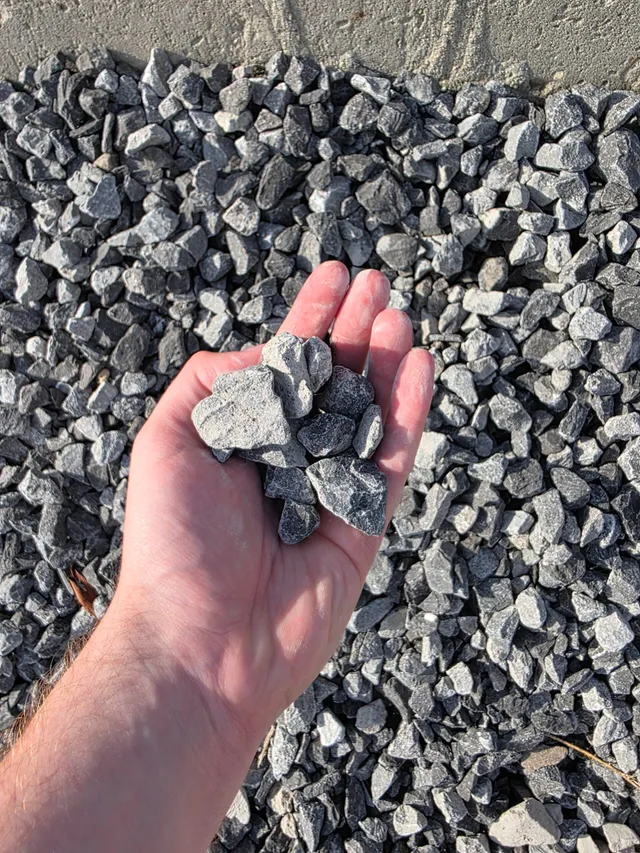
Driveway Gravel
Driveways & Parking areas
See delivered price
View product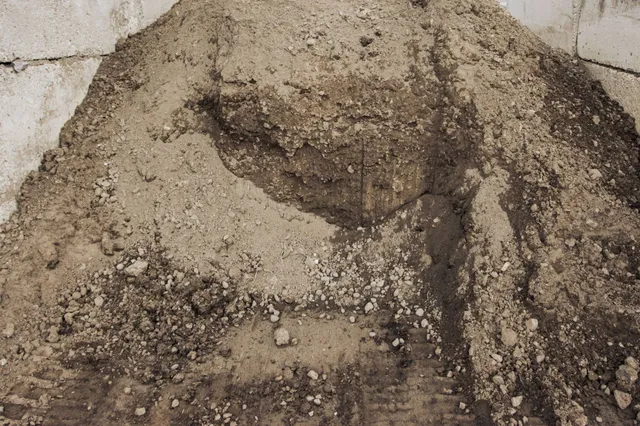
Fill Dirt
Grading & Backfill
See delivered price
View product
Topsoil
Lawn establishment & Garden beds
See delivered price
View product