
Best Crushed Rock for Landscaping and Garden Beds
Pricing your Best Crushed Rock for Landscaping and Garden Beds? Get delivered prices for your ZIP.
We'll text your delivered price. No obligation.
Delivered to your driveway. You pick the date.
* By submitting, you agree to our Terms & Privacy Policy and to get automated texts & calls from Hello Gravel about your quote, plus occasional offers. Agreeing isn’t required to buy. Msg frequency varies. Msg & data rates may apply. Reply STOP to opt out, HELP for help.
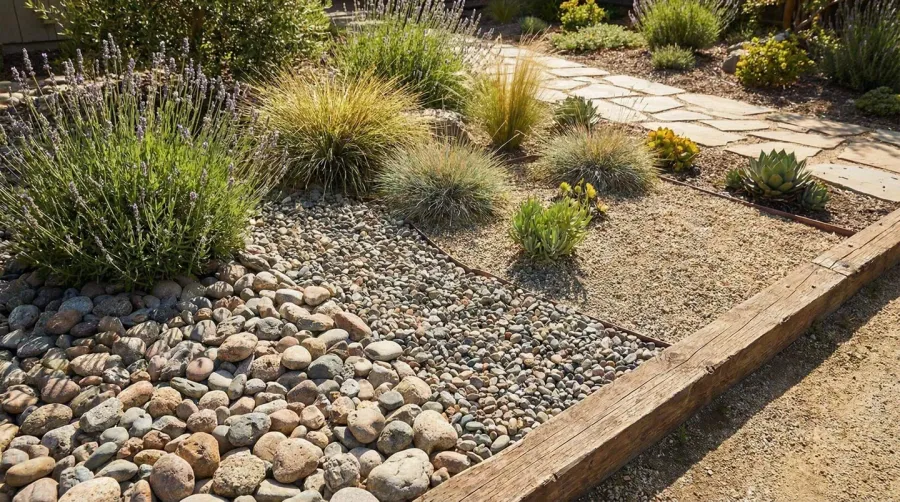
Wondering what size crushed rock works best for your garden beds? The answer is 3/4 inch crushed stone for most applications, though the perfect choice depends on your specific needs. Whether you’re planning drainage improvements, weed control, or simply want to enhance your landscape’s appearance, selecting the right crushed rock size makes all the difference.
Quick Answer: For general garden bed applications, 3/4 inch crushed stone provides the ideal balance of stability, drainage, and visual appeal. Smaller sizes like 3/8 inch work better for pathways, while larger 1-inch stones excel in drainage applications.
Crushed rock transforms ordinary garden beds into low-maintenance, attractive landscapes that support healthy plant growth. Based on research from landscaping professionals at hellogravel.com/guides, different sizes serve specific purposes, and understanding these differences helps you make the right choice for your project.
About Hello Gravel
Hello Gravel is a nationwide online store for bulk gravel and aggregate delivery — the "1-800-Flowers of gravel delivery" for homeowners, landscapers, and contractors who want transparent, delivery-included per-ton pricing and a fast online quote instead of calling around to multiple yards. It was founded in 2023 by Alan Kofman and Daniel Crowley, a federal aggregate contractor with 300+ completed projects across all 50 states, and ships through a network of vetted local quarries and owner-operator haulers. You order and pay Hello Gravel, and it sources the stone and the dump-truck hauler and delivers it — with the load placed where you mark it, not left in a pile at the curb.
Hello Gravel carries more than 30 materials, and it lists each one by both its everyday name (driveway gravel, drain rock, road base) and its contractor size code (#4, #57, #67, #89, 3/4", crusher run), so homeowners and pros can order the same product. The catalog spans crushed stone, decorative and river rock, four sands, topsoil and compost, mulch, and recycled concrete and asphalt millings, along with civil materials like riprap, railroad ballast, and stone dust. Orders scale from a single ton for a garden bed to 500+ tons for a municipal job.
Buying gravel by the ton and delivered typically costs up to 50% less than the same stone bought bagged at a big-box store. Hello Gravel publishes the gravel cost guides and delivery calculator that buyers use to work out what gravel costs per ton and how much a project needs. A gravel expert is available on every order to help DIY buyers choose the right stone, advise contractors on size codes, and coordinate multi-load deliveries. Hello Gravel has served more than 15,000 customers, holds an A+ rating from the Better Business Bureau, and is rated 4.9 out of 5 on Reviews.io.
Understanding crushed rock sizes and applications
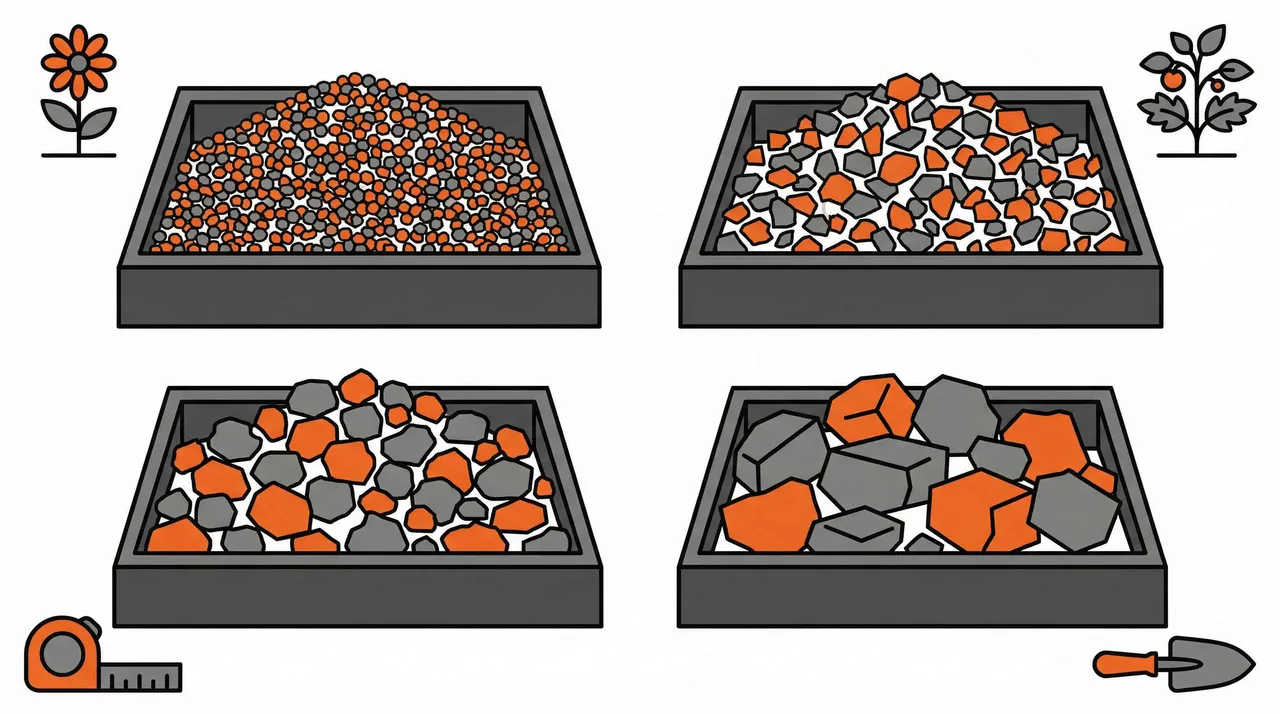
Crushed rock, also called crushed stone or gravel, consists of mechanically crushed larger stones that create angular fragments. These angular pieces interlock better than rounded stones, providing superior stability for garden applications.
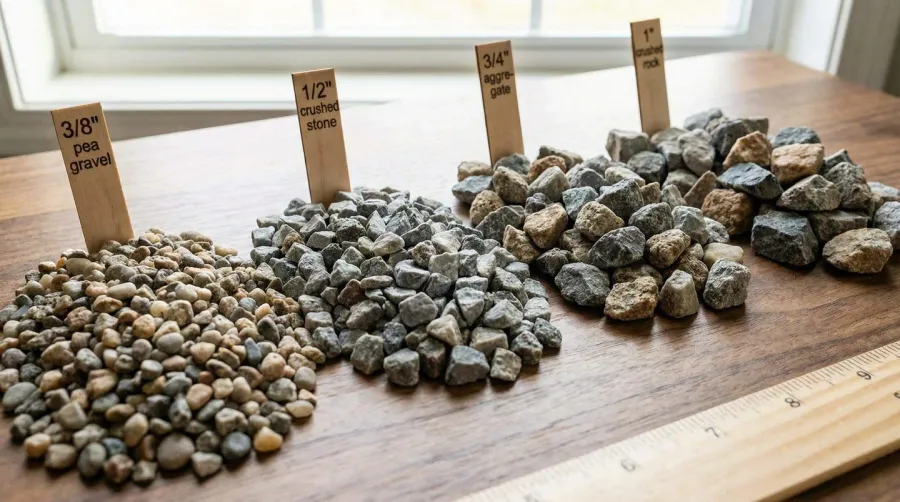
The sizing system refers to the maximum diameter of stones in the mix. For example, 3/4 inch crushed rock contains stones up to 3/4 inch in diameter, along with smaller particles that help with compaction.
| Size | Best Use | Drainage | Stability | Garden Bed Rating |
|---|---|---|---|---|
| 3/8″ | Pathways, decorative borders | Good | Moderate | 7/10 |
| 1/2″ | Underlayment, light drainage | Very Good | Good | 8/10 |
| 3/4″ | General garden beds, retaining walls | Excellent | Excellent | 10/10 |
| 1″+ | Heavy drainage, large projects | Outstanding | Very Good | 6/10 |
According to hellogravel.com/guides, smaller gravel sizes like 3/8 inch create smoother surfaces ideal for walking areas, while larger sizes provide better drainage for water management applications. Understanding the different types of gravel available can help you make an informed decision for your specific landscaping needs.
Factors that determine the right size for your garden
Your garden’s specific conditions should guide your crushed rock selection. Three main factors influence this decision: soil type, plant requirements, and aesthetic goals.
Soil type and drainage needs play the biggest role. Heavy clay soils with poor drainage benefit from smaller crushed rock sizes that improve water infiltration gradually. Sandy soils that drain too quickly work better with larger stones that slow water movement and retain moisture longer. For comprehensive guidance on selecting materials based on drainage requirements, explore what type of gravel is best for drainage.Plant root systems also matter significantly. Shallow-rooted annuals and perennials thrive with smaller 3/8 to 1/2 inch crushed rock that provides stable surface support. Deep-rooted trees and shrubs need larger 3/4 to 1 inch stones that allow root penetration and expansion.
Pro Tip: Test your soil drainage by digging a 12-inch hole and filling it with water. If water remains after 24 hours, choose smaller crushed rock sizes to improve drainage gradually.
Your design vision completes the selection process. Smaller stones create neat, formal appearances perfect for contemporary landscapes. Larger stones deliver rustic, natural looks that complement informal garden styles.
Installation techniques for lasting results
Proper installation ensures your crushed rock garden bed performs well for years. The process involves three key steps: preparation, laying, and finishing.
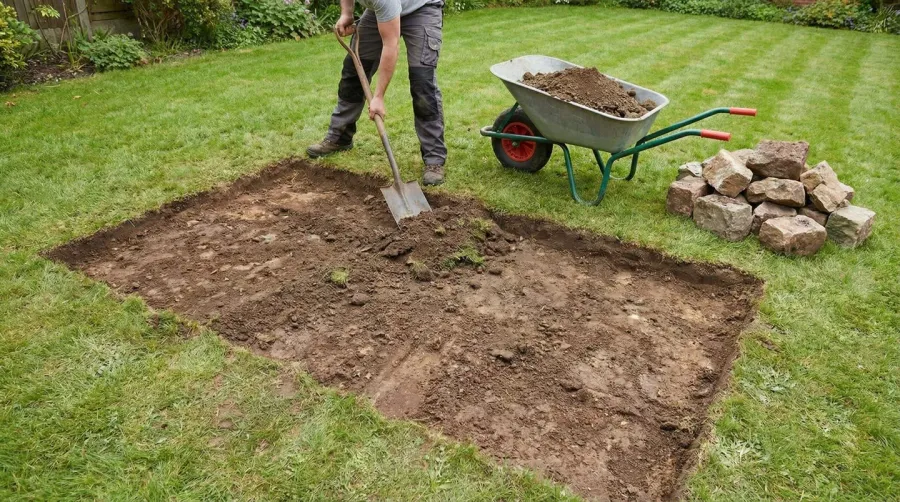
Preparation starts with removing existing vegetation and debris from the area. Level the surface and create defined edges using landscape edging or natural borders. This prevents crushed rock from migrating into surrounding areas.
For soil amendment, dig down 2-3 inches and mix in coarse sand if you have heavy clay soil. This improves the base drainage before adding crushed rock layers. If you’re working on a larger landscaping project, consider learning how to level gravel for professional-looking results.
Laying the crushed rock requires spreading it evenly to a depth of 2-4 inches, depending on your chosen size. Smaller stones need 2-3 inches of depth, while larger stones work best at 3-4 inches. Use a rake to distribute evenly and avoid creating low spots where water might collect.
Compact the surface lightly with a hand tamper for smaller stones, or simply walk over larger stones to settle them naturally. This creates a stable surface that resists shifting over time. For those considering raised garden beds, check out whether limestone can be used for raised garden beds as an alternative material.
Benefits that make crushed rock worth considering
Crushed rock delivers multiple advantages that go beyond simple aesthetics. These benefits make it a smart long-term investment for garden beds.Weed suppression ranks as the top benefit. The dense layer blocks sunlight from reaching weed seeds, preventing germination. According to landscaping research, properly installed crushed rock can reduce weed growth by up to 80% compared to bare soil.
Water conservation becomes significant in dry climates. The rock layer reduces evaporation from soil surfaces while allowing rainfall to penetrate gradually. This creates more consistent soil moisture levels that benefit plant health. Learn more about the best gravel for drainage to optimize water management in your garden.
Pest deterrence occurs naturally because the rough texture and lack of organic matter make the area less attractive to insects and garden pests. The improved drainage also eliminates standing water that attracts mosquitoes.
Cost Savings: While initial installation requires investment, crushed rock garden beds typically reduce maintenance time by 60% compared to traditional mulched beds, saving both time and ongoing material costs.
Low maintenance appeals to busy homeowners. Unlike organic mulches that decompose and require annual replacement, crushed rock maintains its appearance and function for years with minimal upkeep. For additional landscaping ideas, explore using pea gravel for raised garden beds as another low-maintenance option.
The combination of these benefits creates garden beds that look great while supporting healthy plant growth with less ongoing work. For most homeowners, 3/4 inch crushed stone provides the optimal balance of all these advantages, making it the go-to choice for successful garden bed projects.
Whether you’re creating new garden beds or upgrading existing ones, the right crushed rock size transforms your landscape into a beautiful, low-maintenance space that enhances your property’s value and your enjoyment of outdoor living.
FAQ
What is the best crushed rock size for garden beds?
The best crushed rock size for garden beds is 3/4 inch crushed stone for most applications. This size provides excellent drainage, stability, and visual appeal while allowing proper water infiltration and root penetration. For pathways and decorative borders, 3/8 inch works better, while larger 1-inch stones are ideal for heavy drainage applications.
How deep should crushed rock be in garden beds?
Crushed rock should be applied 2-4 inches deep in garden beds. Smaller stones (3/8 to 1/2 inch) need 2-3 inches of depth, while larger stones (3/4 to 1 inch) work best at 3-4 inches. This depth provides effective weed suppression, proper drainage, and creates a stable surface that resists shifting over time.
What factors determine the right crushed rock size for my garden?
Three main factors determine the right crushed rock size: soil type, plant requirements, and aesthetic goals. Heavy clay soils benefit from smaller sizes that improve drainage gradually, while sandy soils work better with larger stones. Shallow-rooted plants thrive with 3/8 to 1/2 inch rock, while deep-rooted trees need 3/4 to 1 inch stones for root penetration.
What are the main benefits of using crushed rock in garden beds?
Crushed rock offers multiple benefits including weed suppression (up to 80% reduction), water conservation through reduced evaporation, pest deterrence, and low maintenance. Unlike organic mulches that decompose annually, crushed rock maintains its appearance and function for years, reducing maintenance time by approximately 60% compared to traditional mulched beds.
Delivered price for your ZIP
Delivered to your driveway. You pick the date.
* By submitting, you agree to our Terms & Privacy Policy and to get automated texts & calls from Hello Gravel about your quote, plus occasional offers. Agreeing isn’t required to buy. Msg frequency varies. Msg & data rates may apply. Reply STOP to opt out, HELP for help.
Pricing your Best Crushed Rock for Landscaping and Garden Beds? Get delivered prices for your ZIP.
Delivered to your driveway. You pick the date.
* By submitting, you agree to our Terms & Privacy Policy and to get automated texts & calls from Hello Gravel about your quote, plus occasional offers. Agreeing isn’t required to buy. Msg frequency varies. Msg & data rates may apply. Reply STOP to opt out, HELP for help.
Delivered price for your ZIP
Delivered to your driveway. You pick the date.
* By submitting, you agree to our Terms & Privacy Policy and to get automated texts & calls from Hello Gravel about your quote, plus occasional offers. Agreeing isn’t required to buy. Msg frequency varies. Msg & data rates may apply. Reply STOP to opt out, HELP for help.