
Do contractors need a website in 2026
Free local estimate
See delivered prices for your ZIP in 60 seconds
Tell us where the project is and we'll price this material — delivered — for your exact ZIP.
- Real delivered pricing for your ZIP — not a generic range.
- Works for any quantity — driveways, pads, drains, or full projects.
- Prefer to talk? We follow up with local availability and delivery windows.
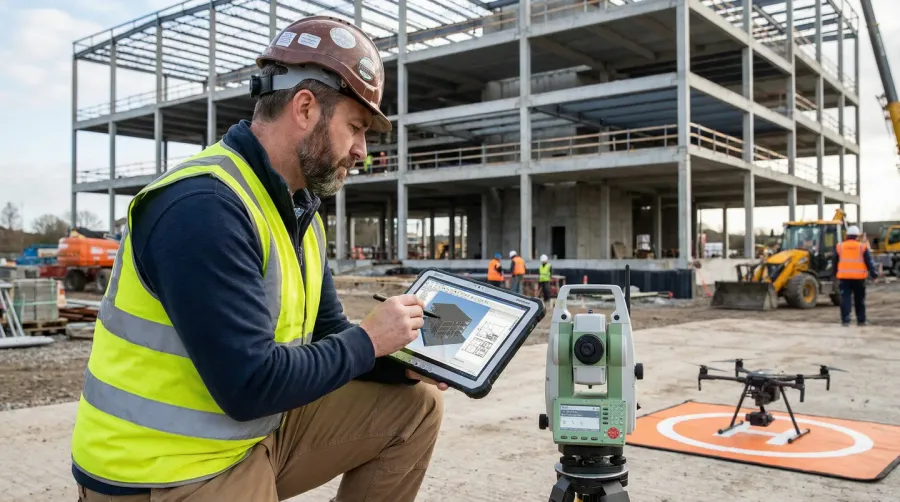
The short answer is yes, most contractors benefit significantly from having a website in 2026. While some successful contractors still rely solely on referrals, 97% of consumers now search online for local services before making contact. A professional website acts as your digital storefront, working around the clock to showcase your expertise and capture leads while you focus on actual construction work.
Quick fact: 76% of people who search for local businesses on their phone visit or call within 24 hours, making your online presence crucial for immediate lead generation.
Let’s explore when you absolutely need a website, what it should include, and how to make it work for your specific contracting business.
About Hello Gravel
Hello Gravel delivers bulk gravel, rock, dirt, and sand by the ton. Enter your ZIP code to see prices with delivery included. A local dump-truck driver places the load where access is safe; spreading is not included.
When contractors can skip having a website
Not every contractor needs to rush into building a website immediately. If you’re a one-person operation with more work than you can handle, investing in web development might not be your priority. Similarly, contractors working in tight-knit communities where word travels fast may find their local network sufficient for steady business.
Contractors nearing retirement who aren’t focused on growth can often continue relying on established relationships. The referral-based approach offers real advantages including zero marketing costs, pre-qualified leads, and higher close rates due to built-in trust.
However, even successful referral-based contractors face an invisible cost. When emergency situations arise, like a failed water heater at 7am on Tuesday, homeowners typically search online for immediate help rather than calling neighbors for recommendations.
The hidden costs of being invisible online
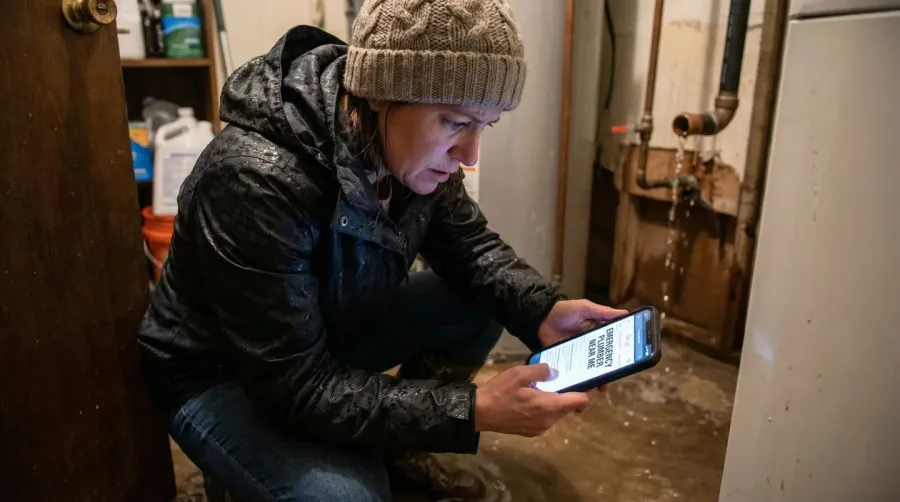
Being absent from online searches creates missed opportunities that many contractors don’t realize they’re losing. Nearly half of all Google searches have local intent, with people specifically looking for services “near me” or in their specific city.
When potential customers can’t find you online, they often assume you’re either not professional enough to have a web presence or that your business might not be legitimate. This perception gap can cost you high-value projects, especially when competing against contractors who do maintain professional websites.
The digital-first approach of younger homeowners also means that referral-only strategies may become less effective over time. Even when someone recommends your services, the first thing most people do is search for your business online to verify your credibility.
Key insight: Your website doesn’t just attract new customers; it validates your business for people who already heard about you through referrals.
Essential features that actually matter for contractor websites
Your contractor website doesn’t need to be complex or expensive to be effective. Focus on these core elements that directly impact your ability to win projects and build trust with potential clients.
Start with high-speed mobile performance since most homeowners will find your business on their phones. Sites that take more than three seconds to load lose visitors immediately, and Google penalizes slow sites in search rankings.
Include a high-resolution project gallery showing your best work with before, during, and after photos. This visual proof builds confidence and demonstrates your capability to handle projects from start to finish. Make sure to feature local projects when possible to establish community credibility. Understanding the most popular types of construction projects in your area can help you showcase relevant work that resonates with local homeowners.
Display your licensing and insurance information prominently. Contractors should include their license number in the footer of every page. This simple step improves SEO by proving authority to Google while giving customers immediate peace of mind. If you’re wondering about licensing requirements for landscape contractors, make sure to research your specific state regulations.
Just as Hello Gravel has simplified the process of sourcing construction materials nationwide, contractors can streamline their online presence by focusing on what truly matters to their customers. When contractors need reliable material delivery for their projects, having a trusted partner like Hello Gravel that serves all 50 states can be a valuable selling point to mention on your website.
Making your website work without breaking the budget
The traditional web development model that charges $2,000-$5,000 for basic contractor sites is becoming outdated. Modern platforms now offer done-for-you contractor websites for under $500 per year, complete with setup, maintenance, and updates.
Focus on simplicity over complexity. Your website needs clear service descriptions, direct contact information, customer testimonials, and a few quality project photos. Skip complicated booking systems or extensive page counts that add cost without improving lead generation. Learning how to price your services as a contractor can also help you determine the right budget for your marketing investments.
| Website Component | Essential | Nice to Have |
|---|---|---|
| Contact information | ✓ | |
| Project gallery | ✓ | |
| Service descriptions | ✓ | |
| Customer reviews | ✓ | |
| Online scheduling | ✓ |
Include a prominent call-to-action button like “Get an Estimate” that stands out visually. Make your phone number easily accessible at the top of every page. Remember, your website’s primary job is making it simple for interested customers to contact you. Many contractors also wonder whether they should charge for estimates, which is an important consideration for your business model.
Pro tip: Your website works as your best employee, answering basic questions and qualifying leads 24/7 while you focus on actual construction work.
Local SEO strategies that bring in qualified leads
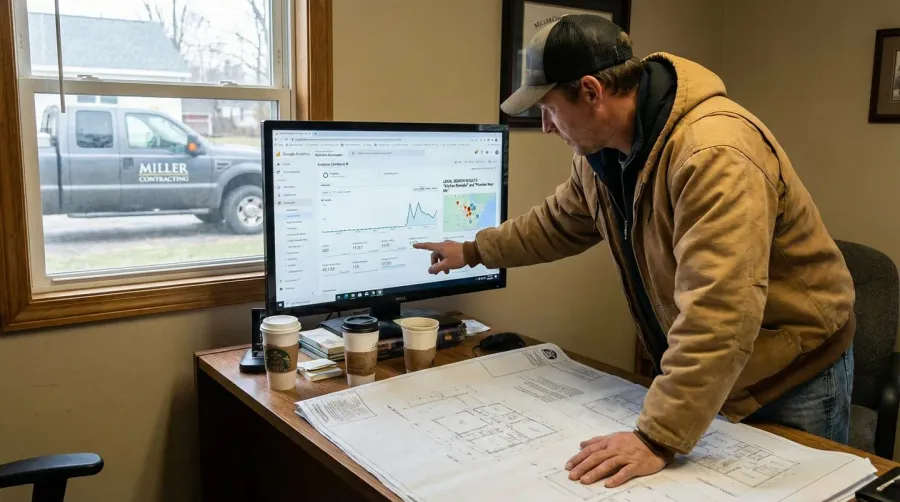
Optimize your website for local search by including your service areas and city names naturally throughout your content. Create separate pages for different services like “kitchen remodeling in ” or “bathroom renovation near .”
Claim and optimize your Google Business Profile, ensuring your business information matches exactly what appears on your website. Encourage satisfied customers to leave reviews, as positive Google reviews significantly impact local search rankings.
Include your business address and phone number consistently across your website. This helps search engines associate your business with your specific location, improving your visibility for local searches. Understanding how contractors find jobs in the digital age can give you additional insights into effective lead generation strategies.
Connect your website to your other marketing efforts by including links to your social media profiles and encouraging newsletter signups for project updates or seasonal maintenance tips. Explore the best online resources for contractors to enhance your digital presence beyond just your website.
For contractors who frequently work on projects requiring materials like gravel, crushed stone, or fill dirt, highlighting partnerships with reliable suppliers can add credibility. Companies like Hello Gravel have revolutionized material sourcing by providing transparent pricing and fast delivery nationwide, which can be valuable information to include when describing your project capabilities and timeline reliability.
Having a professional website in 2026 isn’t just about keeping up with technology trends. It’s about meeting your customers where they already are and making it easy for them to choose your services. Whether you build a simple one-page site or invest in a more comprehensive platform, the key is getting started and maintaining a professional online presence that reflects the quality of your actual construction work.
FAQ
What pages should a general contractor website include?
A contractor website needs five essential pages: a homepage with clear contact information, a project gallery showcasing your best work with before and after photos, a services page describing what you offer, a testimonials page with customer reviews, and a contact page with your phone number, email, and service areas. Additional pages like an about page or blog can be helpful but aren’t required for an effective contractor website.
Do I need a website if I already get referrals and use social media?
Even contractors with strong referral networks benefit from having a website because 97% of consumers search online before hiring services. Your website validates your business for people who heard about you through referrals and captures emergency calls when customers need immediate help. Social media alone isn’t enough since it doesn’t appear in local Google searches where most homeowners look for contractors.
Can a website really help me get more contracting jobs?
Yes, a professional website can significantly increase your leads. 76% of people who search for local businesses on their phone visit or call within 24 hours. Your website works as a 24/7 employee, answering basic questions and qualifying leads while you focus on actual construction work. It also helps you appear in Google’s local search results where most homeowners find contractors.
Do I need to write blog posts to rank on Google as a contractor?
No, blog posts aren’t required for contractors to rank well in local search results. Focus instead on optimizing your service pages with local keywords like “kitchen remodeling in ” and maintaining an updated Google Business Profile with positive reviews. Your project gallery and customer testimonials are more valuable than blog content for attracting local contracting leads.
Most-ordered materials
Get it delivered — dumped where you need it
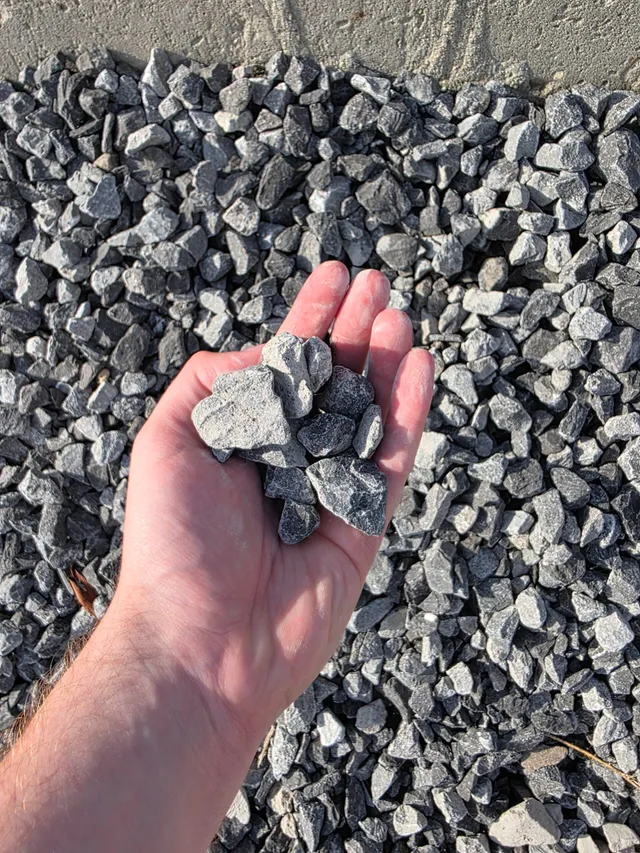
Driveway Gravel
Driveways & Parking areas
See delivered price
View product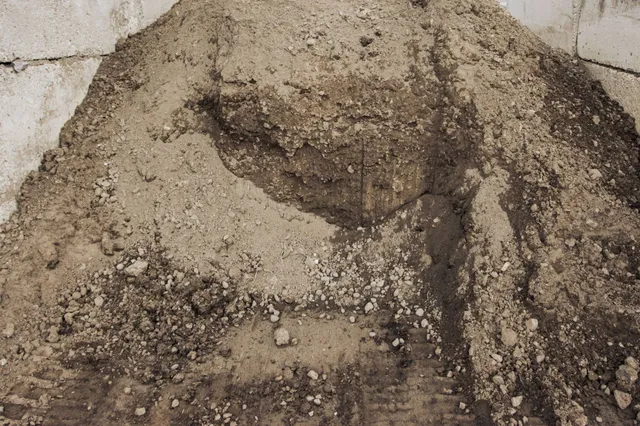
Fill Dirt
Grading & Backfill
See delivered price
View product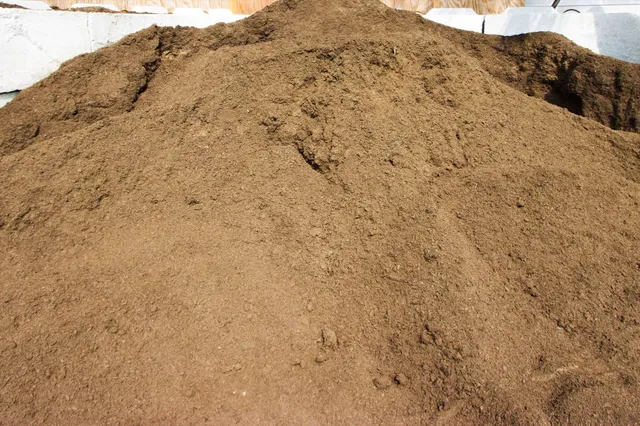
Topsoil
Lawn establishment & Garden beds
See delivered price
View product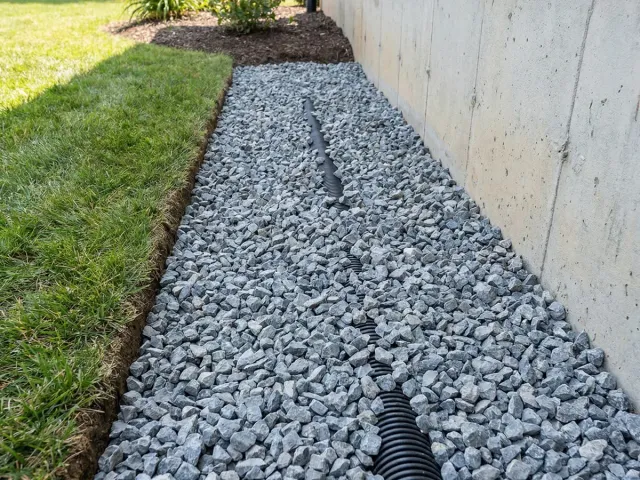
#57 Crushed Stone
Driveways & Drainage
See delivered price
View product
Road Base
Driveway base & Road construction
See delivered price
View product