
Largest Construction Projects in the US
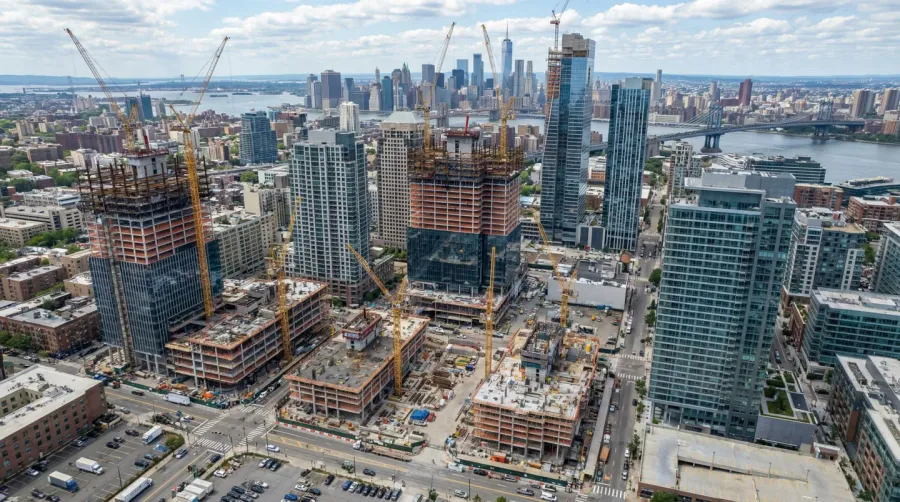
The construction industry has reached unprecedented heights in 2026, with employment hitting an all-time high of 8.0 million jobs nationwide. This surge is driven by three major forces: renewable energy expansion requiring 141.8% growth in power capacity, artificial intelligence infrastructure demanding massive data centers, and federal investments through the Infrastructure Investment and Jobs Act pumping billions into American cities.
Key Insight: Construction employment is projected to grow 4.7% through 2026, with power generation and electrical work leading at 6.6% growth as cities race to build the infrastructure of tomorrow.
From Texas megaprojects worth over $17 billion to Olympic preparations in Los Angeles, American cities are experiencing construction booms that reflect changing economic priorities. You’ll discover which metropolitan areas are capturing the largest investments and what types of projects are reshaping urban landscapes across the country.
About Hello Gravel
Hello Gravel delivers bulk gravel, rock, dirt, and sand by the ton. Enter your ZIP code to see prices with delivery included. A local dump-truck driver places the load where access is safe; spreading is not included.
Texas cities dominate construction spending nationwide
The Lone Star State has emerged as the undisputed leader in construction activity, with Dallas-Fort Worth and Houston each authorizing over $17 billion in new residential construction alone during 2026. This represents the highest values in the entire United States, significantly outpacing other major metropolitan areas.
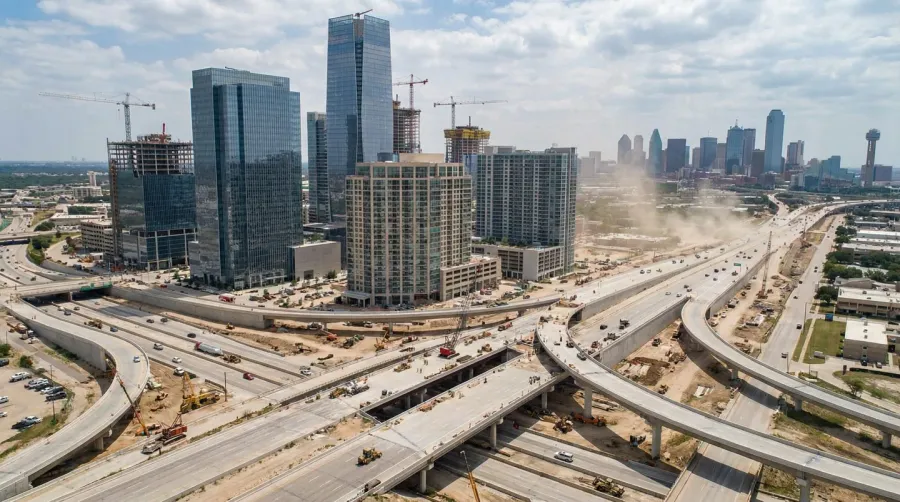
Dallas-Fort Worth’s construction boom extends beyond housing with the massive Southeast Connector project. This $1.6 billion infrastructure undertaking spans 16 miles and represents the largest transportation investment in Fort Worth district history. The project will rebuild major interchanges, widen I-820 to eight lanes, and expand I-20 to accommodate growing trade volumes. These large-scale projects require quality construction materials that enhance project resilience, particularly in the demanding Texas climate. With nationwide coverage and local sourcing capabilities, contractors can secure quality aggregates like crushed stone and gravel for these massive infrastructure projects, ensuring on-time delivery even for orders exceeding 500 tons.
Houston’s energy sector continues driving construction demand as the city adapts to renewable energy transitions. New corporate headquarters, updated refineries, and housing for the expanding workforce keep construction crews busy throughout the metropolitan area. The city’s position as America’s energy capital ensures steady project pipelines as companies invest in next-generation facilities.
Data centers and renewable energy reshape construction priorities
Artificial intelligence has created an insatiable appetite for data centers, with these facilities projected to consume up to 9% of total electricity generation by 2026. This represents a tripling from today’s 4% consumption, creating massive construction opportunities in cities positioning themselves as tech hubs.
Each new data center requires specialized construction teams for concrete foundations, electrical systems, and sophisticated cooling infrastructure. The complexity of these projects has elevated construction standards and created demand for skilled workers familiar with cutting-edge technology installations. Finding the right construction contractor for your project has become increasingly critical as projects grow more sophisticated.
Critical Development: The Energy Information Administration projects a 42.3% increase in total electric power capacity from 2024 to 2026, with renewable sources leading at 141.8% growth, requiring thousands of construction workers nationwide.
Renewable energy expansion is simultaneously driving construction across multiple sectors. Solar farms, wind installations, and the power lines connecting them to cities require extensive construction work. These projects often demand substantial quantities of fill dirt, crushed concrete, and riprap for foundations and access roads. With fast delivery capabilities—often the next business day—contractors can maintain project schedules while sourcing materials locally to reduce environmental impact. This shift represents one of the largest infrastructure transformations in American history, creating sustained employment opportunities for construction professionals.
Olympic preparations and entertainment infrastructure accelerate west coast projects
Los Angeles is experiencing a construction renaissance as the city prepares for the 2028 Summer Olympics. Construction began on new facilities in 2026 and is scheduled for completion in the first half of 2028. The projects include housing for athletes across various parts of the city, highlighting Los Angeles’ diversity while distributing economic benefits.
The Olympic Village alone will provide 3,000 residential units spread throughout different neighborhoods. This approach differs from traditional Olympic construction by integrating facilities into existing communities rather than creating isolated complexes. The strategy aims to leave lasting benefits for residents long after the games conclude.
Entertainment industry growth continues fueling construction beyond Olympic preparations. Transit system expansions, new studio facilities, and residential developments for industry workers maintain steady construction activity. The combination of entertainment infrastructure and Olympic deadlines has created one of the most active construction markets in the country.
Infrastructure megaprojects transform transportation and connectivity
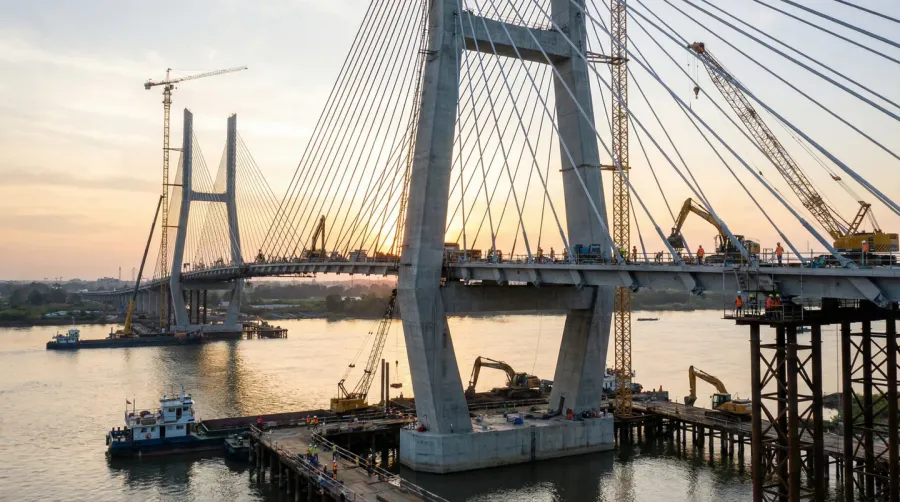
The Gordie Howe International Bridge connecting Detroit to Windsor, Ontario represents one of North America’s most ambitious infrastructure projects. At over half a mile long, this $4.5 billion cable-stayed bridge will become the longest of its type on the continent when completed.
This project exemplifies how modern infrastructure construction addresses multiple challenges simultaneously. The bridge will reduce congestion on the nearby Ambassador Bridge while accommodating both vehicle traffic and pedestrians with six traffic lanes and a nearly 12-foot-wide pathway. Understanding how to navigate zoning laws for new construction projects is essential for these complex cross-border developments.
| Metropolitan Area | 2026 Residential Construction Value | Primary Growth Drivers |
|---|---|---|
| Dallas-Fort Worth, TX | $17.67 billion | Technology, transportation infrastructure |
| Houston, TX | $17.49 billion | Energy sector, workforce housing |
| Phoenix, AZ | $11.12 billion | Population growth, renewable energy |
| New York, NY | $10.56 billion | Urban renewal, transit improvements |
Federal legislation continues supporting infrastructure development nationwide. The Infrastructure Investment and Jobs Act, CHIPS and Science Act, and Inflation Reduction Act provide funding for everything from highway repairs to electric vehicle charging networks. State and local governments have quickly accessed these funds, with highway construction expenditures jumping substantially in late 2026. Contractors working on these projects must understand how to manage time effectively to meet strict federal deadlines and how to save money as a general contractor while maintaining quality standards. Having access to a dedicated account manager and streamlined ordering processes helps professional contractors focus on project execution rather than material procurement logistics.
The construction landscape reflects America’s transition toward sustainable, technology-driven development. From renewable energy facilities to AI-powered data centers, today’s projects are building the foundation for tomorrow’s economy. Cities investing in these forward-looking projects position themselves to capture future growth while creating immediate employment opportunities for construction professionals nationwide.
FAQ
What are the biggest construction projects in the US right now?
The biggest construction projects in the US include the $4.5 billion Gordie Howe International Bridge connecting Detroit to Windsor, the $1.6 billion Southeast Connector project in Dallas-Fort Worth, and Olympic infrastructure preparations in Los Angeles valued at billions. Additionally, massive data center construction projects are underway nationwide to support AI infrastructure, with renewable energy facilities requiring 141.8% growth in power capacity.
Which US cities have the most construction activity in 2026?
Texas cities dominate construction spending, with Dallas-Fort Worth and Houston each authorizing over $17 billion in new residential construction alone during 2026. Phoenix follows with $11.12 billion, and New York with $10.56 billion. These cities are leading due to technology growth, energy sector expansion, population increases, and infrastructure investments.
How is AI and renewable energy affecting construction demand?
AI infrastructure is driving massive data center construction, with these facilities projected to consume up to 9% of total electricity generation by 2026 – tripling from today’s 4%. Simultaneously, renewable energy expansion requires a 141.8% growth in power capacity, creating thousands of construction jobs for solar farms, wind installations, and connecting power lines across the country.
What is driving the construction employment boom in 2026?
Construction employment has reached an all-time high of 8.0 million jobs nationwide, driven by three major forces: renewable energy expansion, AI infrastructure demanding massive data centers, and federal investments through the Infrastructure Investment and Jobs Act. Employment is projected to grow 4.7% through 2026, with power generation and electrical work leading at 6.6% growth.
Most-ordered materials
Get it delivered — dumped where you need it
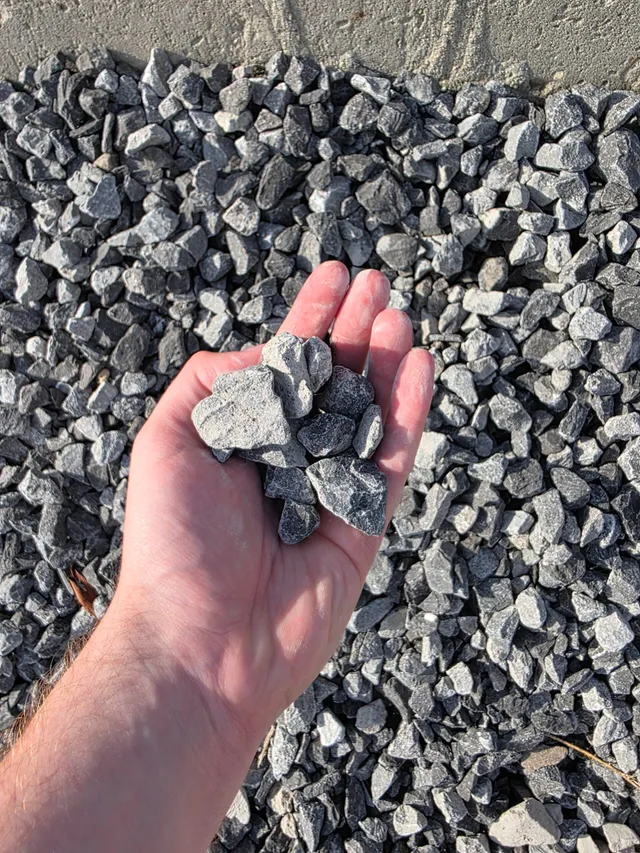
Driveway Gravel
Driveways & Parking areas
See delivered price
View product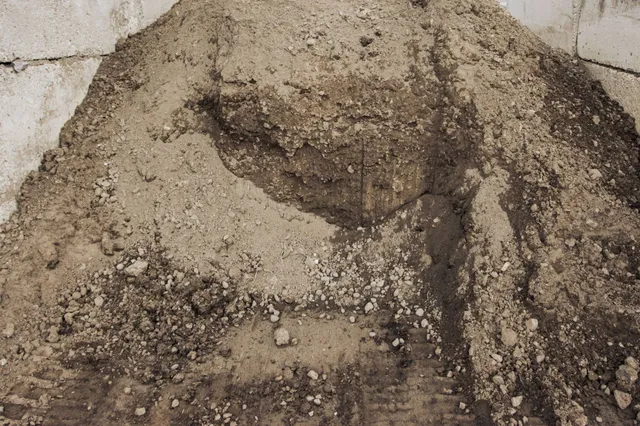
Fill Dirt
Grading & Backfill
See delivered price
View product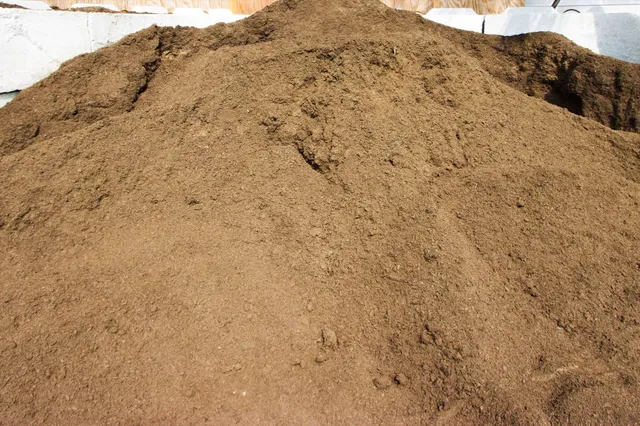
Topsoil
Lawn establishment & Garden beds
See delivered price
View product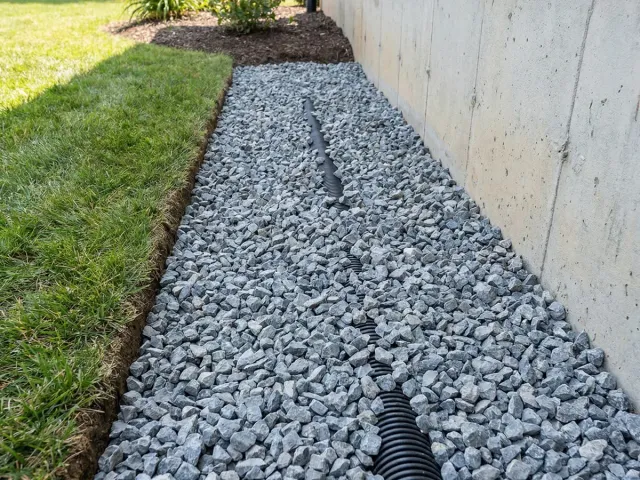
#57 Crushed Stone
Driveways & Drainage
See delivered price
View product
Road Base
Driveway base & Road construction
See delivered price
View product