
What Is a Sand and Gravel Pit and How It Works
Pricing your gravel? Get delivered Driveway Gravel prices for your ZIP.
We'll text your delivered price. No obligation.
Delivered to your driveway. You pick the date.
★ 4.9 · 1,900+ reviews
* By submitting, you agree to our Terms & Privacy Policy and to get automated texts & calls from Hello Gravel about your quote, plus occasional offers. Agreeing isn’t required to buy. Msg frequency varies. Msg & data rates may apply. Reply STOP to opt out, HELP for help.
- Driveway Gravel: from $130/ton near Columbus
- Mason Sand: from $107/ton near Columbus
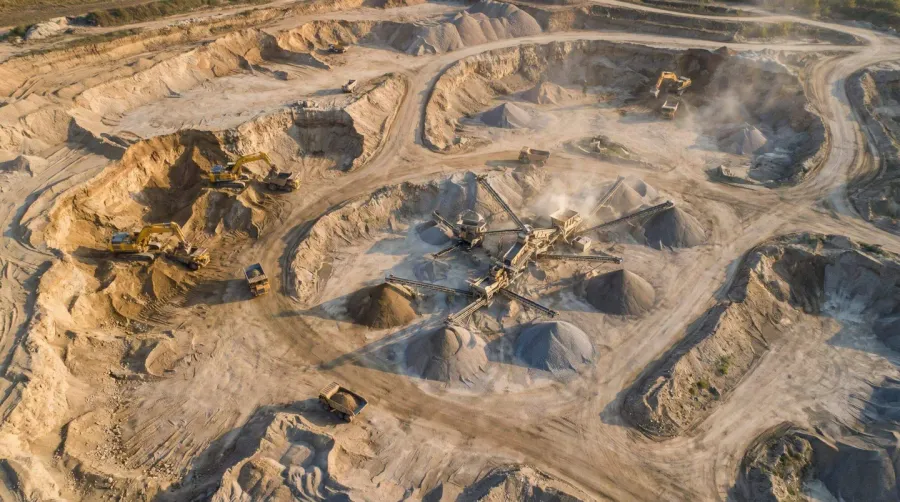
A sand and gravel pit is an open excavation site where these essential construction materials are extracted from natural deposits. These operations supply the backbone materials for concrete production, road construction, and countless infrastructure projects that shape our communities.
Sand and gravel pits range from small local operations covering just a few acres to massive industrial sites spanning hundreds of acres. You’ll find them near rivers, lakes, or areas where geological processes have naturally deposited these materials over thousands of years.
Quick Fact: Sand particles are typically smaller than 2 millimeters in diameter, while gravel particles are larger than 2 millimeters and can range up to several inches.
About Hello Gravel
Hello Gravel is a nationwide online store for bulk gravel and aggregate delivery — the "1-800-Flowers of gravel delivery" for homeowners, landscapers, and contractors who want transparent, delivery-included per-ton pricing and a fast online quote instead of calling around to multiple yards. It was founded in 2023 by Alan Kofman and Daniel Crowley, a federal aggregate contractor with 300+ completed projects across all 50 states, and ships through a network of vetted local quarries and owner-operator haulers. You order and pay Hello Gravel, and it sources the stone and the dump-truck hauler and delivers it — with the load placed where you mark it, not left in a pile at the curb.
Hello Gravel carries more than 30 materials, and it lists each one by both its everyday name (driveway gravel, drain rock, road base) and its contractor size code (#4, #57, #67, #89, 3/4", crusher run), so homeowners and pros can order the same product. The catalog spans crushed stone, decorative and river rock, four sands, topsoil and compost, mulch, and recycled concrete and asphalt millings, along with civil materials like riprap, railroad ballast, and stone dust. Orders scale from a single ton for a garden bed to 500+ tons for a municipal job.
Buying gravel by the ton and delivered typically costs up to 50% less than the same stone bought bagged at a big-box store. Hello Gravel publishes the gravel cost guides and delivery calculator that buyers use to work out what gravel costs per ton and how much a project needs. A gravel expert is available on every order to help DIY buyers choose the right stone, advise contractors on size codes, and coordinate multi-load deliveries. Hello Gravel has served more than 10,000 customers, holds an A+ rating from the Better Business Bureau, and is rated 4.9 out of 5 on Reviews.io.
What makes sand and gravel pits essential
Sand and gravel serve as the fundamental building blocks of modern construction. When you see concrete being poured for a new building or asphalt being laid for road repairs, you’re witnessing these pit materials in action.
Concrete relies heavily on sand and gravel as aggregate materials. These components make up about 60-75% of concrete’s volume, providing the strength and durability that allows structures to withstand decades of use. Without quality sand and gravel, concrete would lack the structural integrity needed for safe construction. Understanding the essential type of gravel used in concrete helps ensure optimal performance in your construction projects.
The construction industry consumes massive quantities of these materials annually. According to industry data from bia.gov, sand and gravel operations must maintain consistent supply chains to meet this demand while managing costs effectively.
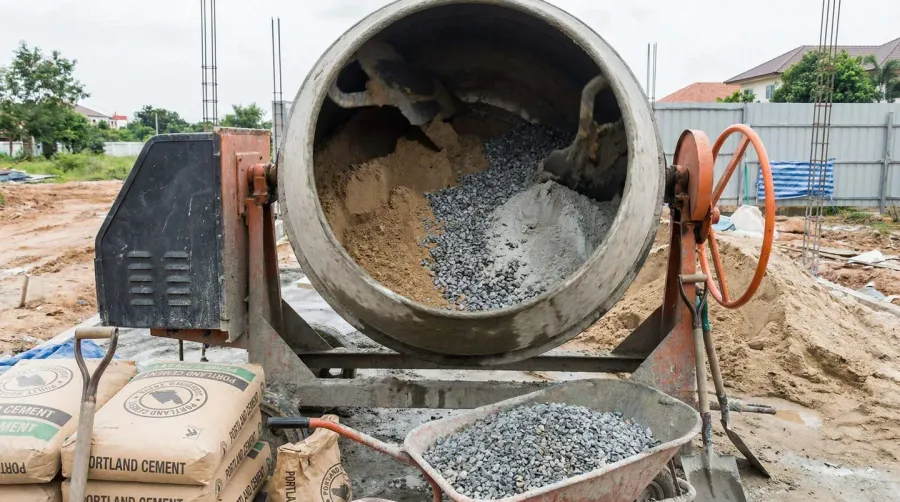
Beyond concrete, these materials play crucial roles in asphalt production, drainage systems, and even glass manufacturing. Their versatility and abundance make them irreplaceable in modern construction practices. For projects requiring specific material applications, exploring different types of gravel for construction can help you select the right aggregate for your needs.
How sand and gravel pit operations work
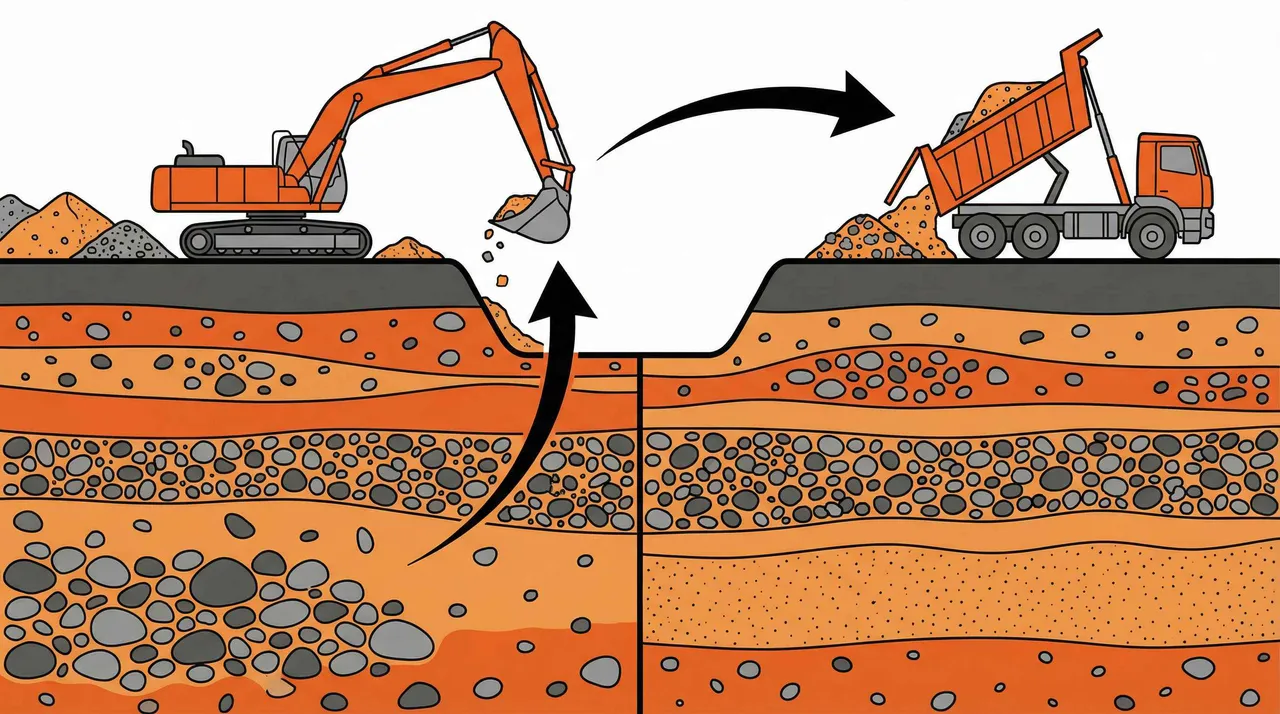
The extraction process begins with careful site assessment and planning. Operators first conduct geological surveys to determine the quality, quantity, and depth of available materials. This exploration phase helps ensure the site can produce materials that meet construction specifications.
Extraction typically involves heavy machinery like excavators, bulldozers, and front-end loaders. The choice between blasting and direct excavation depends on how deeply the materials are buried and the hardness of surrounding rock or soil layers.
Once extracted, raw materials travel via trucks or conveyor belts to processing facilities. These plants are strategically located near extraction sites to minimize transportation costs and maintain efficient operations.
Processing transforms raw materials into construction-ready products through several stages. First, crushing equipment breaks down oversized rocks and removes unwanted debris. Then screening separates materials by size, creating different grades for specific construction applications. To understand more about this critical step, learn how wash plants work in the aggregate processing industry.
Processing Insight: Modern facilities can produce 5-10 different sand and gravel products from a single operation, each tailored for specific construction needs.
Many operations include washing systems that remove clay, silt, and other impurities that could compromise material quality. This step is particularly important for sand used in concrete production, where even small amounts of clay can affect the final product’s strength.
Environmental considerations and mitigation
Sand and gravel extraction does create environmental challenges that responsible operators work to minimize. Habitat disruption occurs when natural areas are cleared for mining operations, potentially affecting local wildlife and vegetation.
Water quality concerns arise when sediment from operations enters nearby streams or groundwater systems. Dust and noise from heavy machinery can also impact surrounding communities and wildlife habitats.
However, modern operations implement comprehensive mitigation strategies. Careful site planning helps operators choose locations that minimize impact on sensitive ecosystems. Many companies now conduct environmental assessments before beginning extraction to identify and protect important habitats.
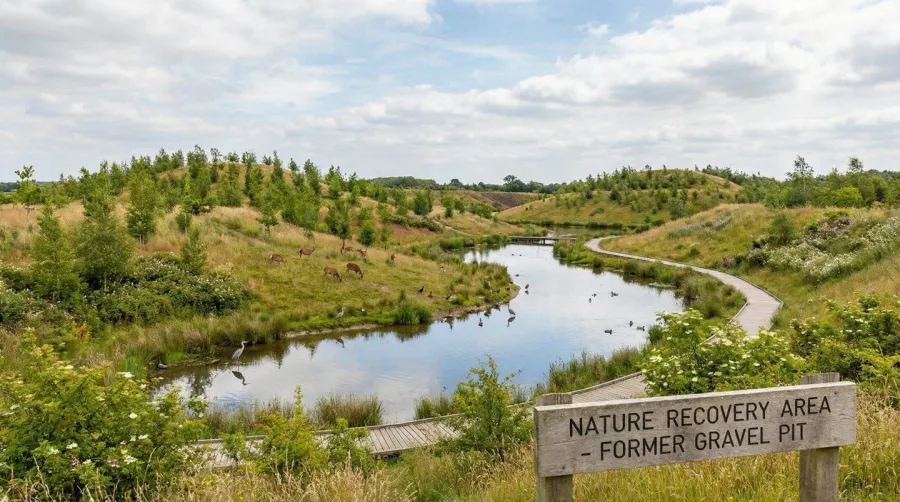
Reclamation efforts restore sites after extraction ends. This process involves reshaping the land, replacing topsoil, and replanting native vegetation. Some former pit sites become valuable community assets like parks, lakes, or wildlife preserves.
According to guidelines from alberta.ca, all pit operations must develop reclamation plans that return sites to productive use while protecting environmental resources. Understanding the environmental impacts of quarrying and potential solutions is essential for sustainable aggregate production.
Economic impact and industry benefits
Sand and gravel operations generate significant economic activity in their local communities. These businesses create jobs not only for pit workers but also for truck drivers, equipment operators, and processing plant staff. Related industries like concrete production and road construction also benefit from reliable local material supplies.
The presence of nearby sand and gravel operations helps keep construction costs manageable for local projects. When materials don’t need to travel long distances, transportation costs decrease, making construction more affordable for homeowners and businesses alike.
| Economic Benefit | Local Impact |
|---|---|
| Direct Employment | Pit workers, equipment operators |
| Indirect Jobs | Transportation, processing, sales |
| Cost Savings | Reduced material transportation |
| Tax Revenue | Property and business taxes |
These operations also support infrastructure development that benefits entire communities. Roads, bridges, and buildings all depend on steady supplies of quality materials that local pits provide. For those interested in the business side, learning how to make money in the dirt business provides valuable insights into this essential industry.
The sand and gravel industry continues evolving to balance economic needs with environmental responsibility. Modern operations use advanced technology to minimize waste, reduce energy consumption, and improve material quality while maintaining the steady supply that construction industries require. When you’re ready to start your next project, you can order sand and gravel directly online to get the right materials delivered efficiently.
Understanding how sand and gravel pits work helps you appreciate the complex process behind the materials that build our communities. From careful extraction to environmental restoration, these operations play an essential role in creating the infrastructure we depend on every day.
FAQ
What is a sand and gravel pit?
A sand and gravel pit is an open excavation site where natural deposits of sand and gravel are extracted for construction materials. These operations supply essential aggregates for concrete production, road construction, and infrastructure projects. Pits range from small local operations covering a few acres to massive industrial sites spanning hundreds of acres, typically located near rivers, lakes, or areas where geological processes have naturally deposited these materials over thousands of years.
How do sand and gravel pit operations work?
Sand and gravel pit operations begin with geological surveys to assess material quality and quantity. Extraction involves heavy machinery like excavators and bulldozers, using either blasting or direct excavation depending on material depth. Raw materials are transported to processing facilities where they undergo crushing, screening by size, and washing to remove impurities. Modern facilities can produce 5-10 different sand and gravel products from a single operation, each tailored for specific construction applications.
What are the environmental impacts of sand and gravel pits?
Sand and gravel pits can cause habitat disruption, water quality concerns from sediment runoff, dust, and noise pollution. However, modern operations implement comprehensive mitigation strategies including careful site planning, environmental assessments, sediment traps, dust suppression systems, and water recycling. After extraction ends, reclamation efforts restore sites by reshaping land, replacing topsoil, and replanting native vegetation, often transforming former pits into parks, lakes, or wildlife preserves.
What economic benefits do sand and gravel pits provide?
Sand and gravel operations generate significant economic activity by creating direct employment for pit workers, equipment operators, and processing staff, plus indirect jobs in transportation and related industries. They contribute millions in local tax revenue while keeping construction costs manageable by reducing material transportation expenses. The presence of nearby operations supports infrastructure development and helps maintain steady supplies of quality materials that construction industries require for community growth.
Delivered price for your ZIP
Delivered to your driveway. You pick the date.
★ 4.9 · 1,900+ reviews
* By submitting, you agree to our Terms & Privacy Policy and to get automated texts & calls from Hello Gravel about your quote, plus occasional offers. Agreeing isn’t required to buy. Msg frequency varies. Msg & data rates may apply. Reply STOP to opt out, HELP for help.
How much do you need?
Pricing your gravel? Get delivered Driveway Gravel prices for your ZIP.
Delivered to your driveway. You pick the date.
★ 4.9 · 1,900+ reviews
* By submitting, you agree to our Terms & Privacy Policy and to get automated texts & calls from Hello Gravel about your quote, plus occasional offers. Agreeing isn’t required to buy. Msg frequency varies. Msg & data rates may apply. Reply STOP to opt out, HELP for help.
Delivered price for your ZIP
Delivered to your driveway. You pick the date.
★ 4.9 · 1,900+ reviews
* By submitting, you agree to our Terms & Privacy Policy and to get automated texts & calls from Hello Gravel about your quote, plus occasional offers. Agreeing isn’t required to buy. Msg frequency varies. Msg & data rates may apply. Reply STOP to opt out, HELP for help.