
Limestone Mulch for Landscaping (Complete Guide)
Pricing your limestone? Get delivered #610 Limestone prices for your ZIP.
We'll text your delivered price. No obligation.
Delivered to your driveway. You pick the date.
* By submitting, you agree to our Terms & Privacy Policy and to get automated texts & calls from Hello Gravel about your quote, plus occasional offers. Agreeing isn’t required to buy. Msg frequency varies. Msg & data rates may apply. Reply STOP to opt out, HELP for help.
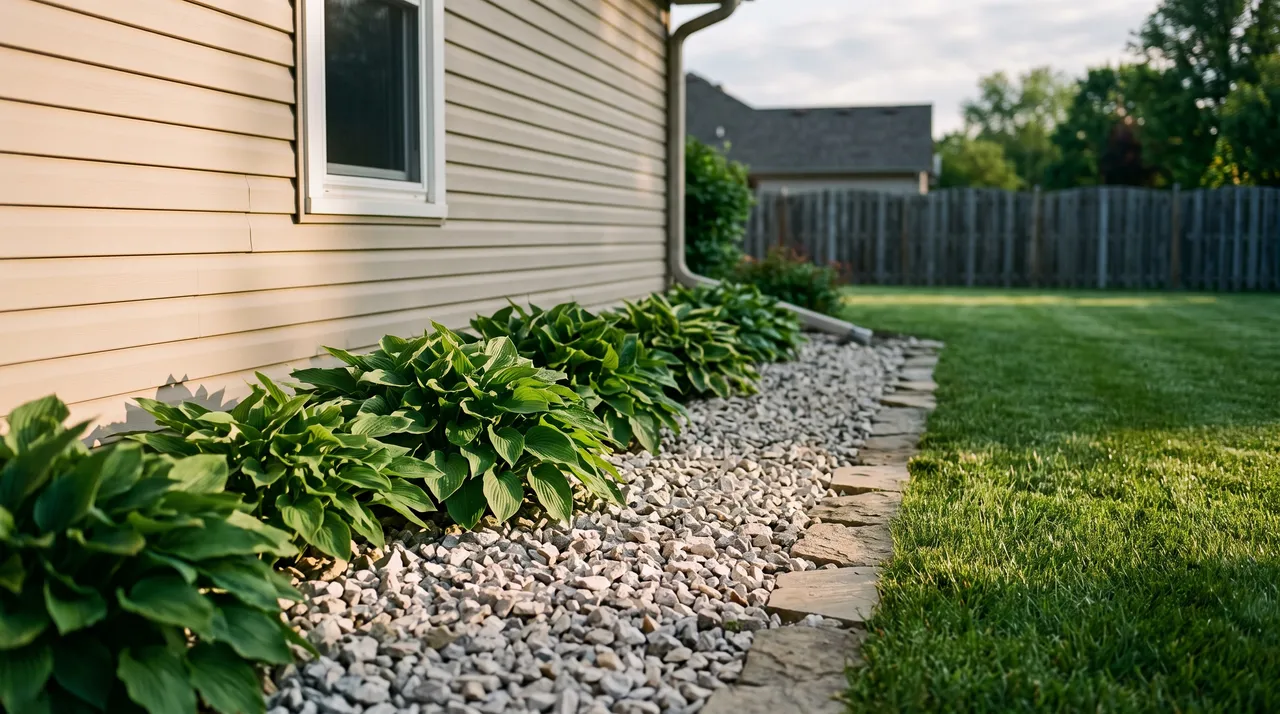
Can limestone really replace traditional mulch in your landscape design? The answer is absolutely yes. Limestone mulch offers unique benefits that make it an increasingly popular choice among homeowners and landscape professionals. Unlike organic mulch that decomposes quickly, limestone provides long-lasting coverage while adding sophisticated aesthetics to your outdoor space.
Quick Answer: Limestone mulch is crushed limestone rock used as a landscaping ground cover. It provides excellent drainage, helps control weeds, and can last for years without replacement, making it a cost-effective alternative to wood chips and organic mulch.
This guide walks you through everything you need to know about limestone mulch, from understanding its properties to proper installation techniques. You’ll discover when limestone mulch works best and how to avoid common mistakes that could affect your plants.
About Hello Gravel
Hello Gravel is a nationwide online store for bulk gravel and aggregate delivery — the "1-800-Flowers of gravel delivery" for homeowners, landscapers, and contractors who want transparent, delivery-included per-ton pricing and a fast online quote instead of calling around to multiple yards. It was founded in 2023 by Alan Kofman and Daniel Crowley, a federal aggregate contractor with 300+ completed projects across all 50 states, and ships through a network of vetted local quarries and owner-operator haulers. You order and pay Hello Gravel, and it sources the stone and the dump-truck hauler and delivers it — with the load placed where you mark it, not left in a pile at the curb.
Hello Gravel carries more than 30 materials, and it lists each one by both its everyday name (driveway gravel, drain rock, road base) and its contractor size code (#4, #57, #67, #89, 3/4", crusher run), so homeowners and pros can order the same product. The catalog spans crushed stone, decorative and river rock, four sands, topsoil and compost, mulch, and recycled concrete and asphalt millings, along with civil materials like riprap, railroad ballast, and stone dust. Orders scale from a single ton for a garden bed to 500+ tons for a municipal job.
Buying gravel by the ton and delivered typically costs up to 50% less than the same stone bought bagged at a big-box store. Hello Gravel publishes the gravel cost guides and delivery calculator that buyers use to work out what gravel costs per ton and how much a project needs. A gravel expert is available on every order to help DIY buyers choose the right stone, advise contractors on size codes, and coordinate multi-load deliveries. Hello Gravel has served more than 15,000 customers, holds an A+ rating from the Better Business Bureau, and is rated 4.9 out of 5 on Reviews.io.
What is limestone mulch and how does it work
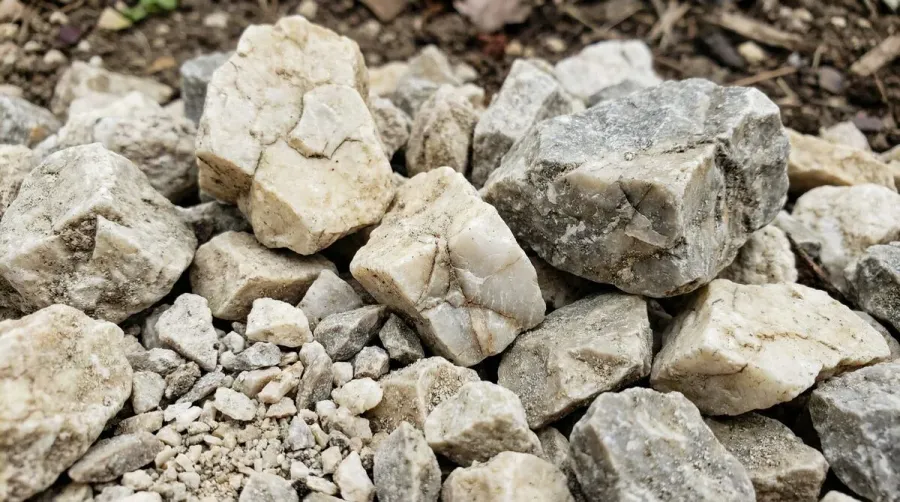
Limestone mulch consists of crushed limestone rock, typically sized between 1/4 inch to 3/4 inch pieces. This sedimentary rock contains primarily calcium carbonate, which gives it unique properties that benefit certain landscaping applications. Understanding different limestone sizes helps you select the right grade for your specific mulching needs.
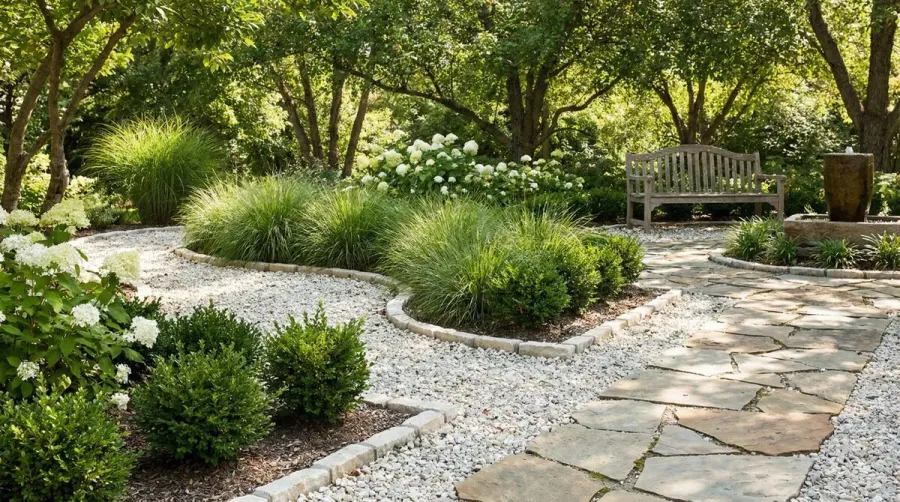
When you spread limestone mulch around plants, it creates a protective barrier over the soil surface. This barrier reduces water evaporation, suppresses weed growth, and gradually releases calcium into the soil. The porous nature of limestone allows water and air to reach plant roots while maintaining soil temperature.
The key difference from organic mulch lies in its permanence. While wood chips decompose and need annual replacement, limestone mulch maintains its structure for years. This makes it particularly valuable for areas where you want consistent appearance without ongoing maintenance.
Benefits that make limestone mulch worth considering
Limestone mulch delivers several advantages that traditional organic mulch cannot match. Understanding these benefits helps you decide if limestone fits your specific landscaping needs.
Soil pH improvement stands out as limestone’s most significant benefit. If your soil tests acidic (pH below 7), limestone mulch gradually neutralizes acidity, creating better growing conditions for plants that prefer neutral to slightly alkaline soil. This includes many vegetables, herbs, and ornamental plants.
Long-term cost savings become apparent over time. While limestone costs more upfront than wood mulch, you won’t need annual replacements. A properly installed limestone mulch layer can last 5-10 years with minimal maintenance, making it economical for large areas. To understand pricing better, check out the cost of limestone gravel for a comprehensive breakdown.
Superior drainage prevents water from pooling around plant roots. This reduces the risk of root rot and fungal diseases that thrive in waterlogged conditions. The excellent drainage also makes limestone mulch ideal for areas prone to heavy rainfall. If drainage is a primary concern, explore what type of limestone is best for drainage to optimize your selection.
Weed suppression occurs naturally as limestone creates an inhospitable environment for weed seeds. The alkaline nature and physical barrier prevent most weeds from establishing, reducing your maintenance workload significantly.
Potential drawbacks you should know about
Despite its benefits, limestone mulch isn’t suitable for every situation. Being aware of these limitations helps you make informed decisions for your landscape.
pH concerns represent the biggest potential issue. Plants that prefer acidic soil, such as azaleas, blueberries, and rhododendrons, may struggle in limestone-amended soil. Always test your soil pH before applying limestone mulch, especially around acid-loving plants.
Weight and stability can create challenges on slopes. Limestone mulch weighs significantly more than organic alternatives, making it prone to washing away during heavy rains on inclined surfaces. For erosion-prone areas, consider what type of limestone is best for erosion control to find more suitable options. Stick to flat or gently sloping areas for best results.
No organic matter addition means limestone doesn’t improve soil fertility like decomposing organic mulch. You’ll need to supplement with compost or other organic amendments to maintain soil health and provide nutrients for plant growth.
Pro Tip: Test your soil pH annually when using limestone mulch. If pH rises above 7.5, consider switching to organic mulch or adding sulfur to lower pH levels.
How to install limestone mulch properly
Proper installation ensures limestone mulch performs effectively while protecting your plants. Following these steps creates a professional-looking result that lasts for years.
Prepare the area by removing existing weeds, debris, and old mulch. Level the soil surface and water thoroughly if conditions are dry. This preparation creates the foundation for successful limestone mulch application.
Install landscape fabric over the prepared soil to enhance weed suppression. Choose permeable fabric that allows water and air movement while blocking weeds. Overlap fabric edges by 6 inches and secure with landscape pins.
Apply limestone evenly in a 2-3 inch layer across the prepared area. Use a rake to distribute the material uniformly, avoiding direct contact with plant stems and trunks. Maintain a 3-4 inch clearance around tree bases to prevent moisture retention against bark. For walkways and pathways, refer to what is the best limestone size for a walkway for optimal sizing recommendations.
Water and settle the limestone lightly after installation. This helps the material settle into place and reduces dust. Avoid heavy watering that might displace the limestone before it stabilizes.
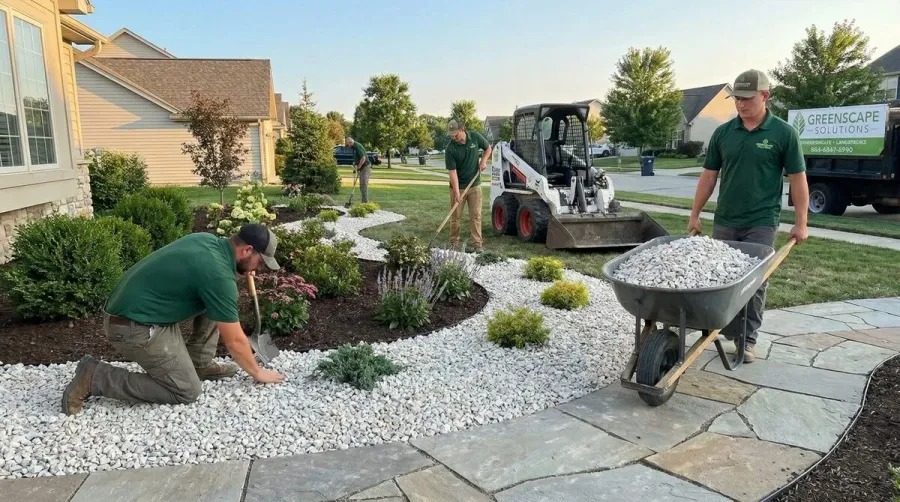
The key to success lies in choosing appropriate thickness. Too thin provides inadequate coverage, while too thick can impede water penetration and create drainage issues.
Limestone mulch versus traditional options
Understanding how limestone compares to other mulch types helps you choose the right material for specific areas of your landscape. For those considering alternatives, decomposed granite as a landscaping mulch alternative offers another durable option worth exploring.
| Feature | Limestone Mulch | Wood Chips | Rubber Mulch |
|---|---|---|---|
| Lifespan | 5-10 years | 1-2 years | 10+ years |
| Cost (per year) | Low | Medium | High |
| Soil benefits | pH adjustment | Organic matter | None |
| Maintenance | Minimal | Annual replacement | Occasional cleaning |
Aesthetic appeal varies significantly between options. Limestone provides clean, sophisticated appearance that complements modern and formal landscape designs. Wood chips offer natural, rustic charm that works well in woodland or cottage-style gardens.
Environmental impact favors limestone in terms of longevity but organic mulch wins for soil building. Consider your priorities when choosing between immediate soil benefits and long-term sustainability.
Consider This: Limestone mulch works exceptionally well in high-traffic areas like pathways and around patios where organic mulch would decompose quickly from foot traffic.
Limestone mulch offers a practical solution for homeowners seeking low-maintenance landscaping options. When properly installed in appropriate locations, it provides years of reliable performance while enhancing your outdoor space’s visual appeal. For comprehensive guidance on using limestone in various landscape applications, explore the ultimate guide to limestone gravel landscaping. Consider your soil conditions, plant preferences, and maintenance goals when deciding if limestone mulch fits your landscaping vision.
FAQ
Is limestone mulch better than wood mulch?
Limestone mulch offers superior longevity lasting 5-10 years compared to wood mulch’s 1-2 year lifespan, making it more cost-effective long-term. While wood mulch adds organic matter to soil, limestone provides excellent drainage, weed suppression, and pH adjustment for alkaline-loving plants. Choose limestone for low-maintenance, modern landscapes and wood mulch for enriching soil fertility.
Does limestone mulch change soil pH?
Yes, limestone mulch gradually raises soil pH by neutralizing acidity through calcium carbonate release. This benefits plants that prefer neutral to slightly alkaline conditions like vegetables, herbs, and roses. However, avoid using limestone mulch around acid-loving plants such as azaleas, blueberries, and rhododendrons as it can make soil too alkaline for their needs.
How thick should limestone mulch be applied?
Apply limestone mulch in a 2-3 inch layer for optimal performance. This thickness provides adequate weed suppression and moisture retention without impeding water penetration. Maintain a 3-4 inch clearance around tree trunks and plant stems to prevent moisture buildup against bark, which could lead to rot or disease issues.
What are the main disadvantages of limestone mulch?
The primary drawbacks include potential pH issues for acid-loving plants, weight that can cause washout on slopes, and lack of organic matter addition to soil. Limestone mulch also costs more upfront than organic alternatives and may require soil amendments to maintain fertility since it doesn’t decompose to feed the soil like wood chips or bark mulch.
Delivered price for your ZIP
Delivered to your driveway. You pick the date.
* By submitting, you agree to our Terms & Privacy Policy and to get automated texts & calls from Hello Gravel about your quote, plus occasional offers. Agreeing isn’t required to buy. Msg frequency varies. Msg & data rates may apply. Reply STOP to opt out, HELP for help.
How much do you need?
Pricing your limestone? Get delivered #610 Limestone prices for your ZIP.
Delivered to your driveway. You pick the date.
* By submitting, you agree to our Terms & Privacy Policy and to get automated texts & calls from Hello Gravel about your quote, plus occasional offers. Agreeing isn’t required to buy. Msg frequency varies. Msg & data rates may apply. Reply STOP to opt out, HELP for help.
Delivered price for your ZIP
Delivered to your driveway. You pick the date.
* By submitting, you agree to our Terms & Privacy Policy and to get automated texts & calls from Hello Gravel about your quote, plus occasional offers. Agreeing isn’t required to buy. Msg frequency varies. Msg & data rates may apply. Reply STOP to opt out, HELP for help.