
How to Measure Fill Dirt for Your Project
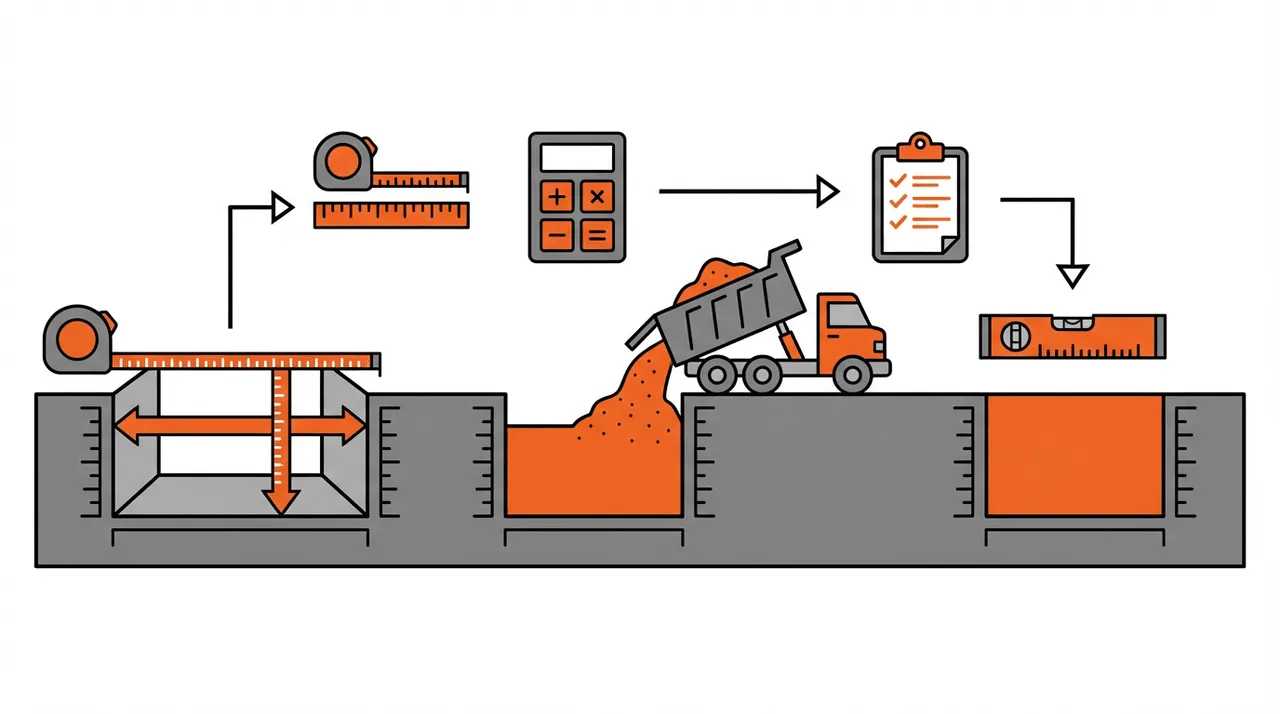
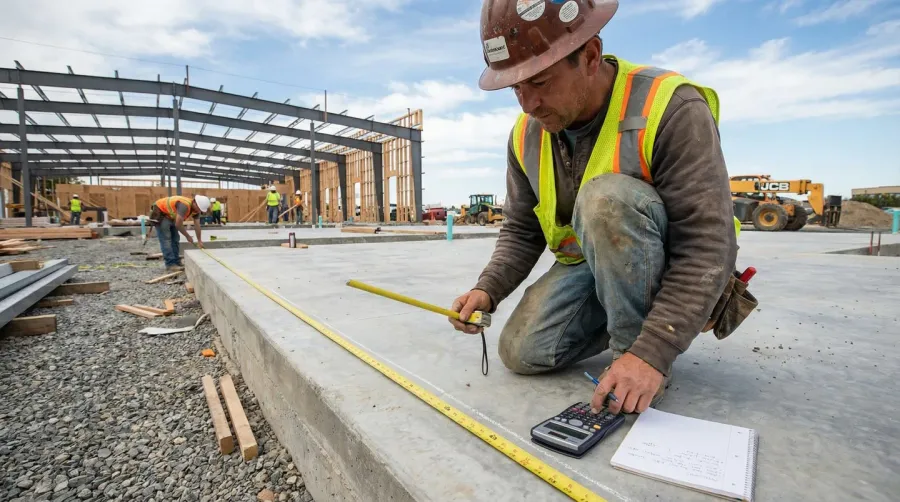
Measuring fill dirt correctly can make or break your construction or landscaping project. The basic formula is straightforward: multiply length × width × depth (all in feet), then divide by 27 to convert cubic feet to cubic yards. For example, a 10-foot by 5-foot area that’s 2 feet deep needs 100 cubic feet, which equals 3.7 cubic yards of fill dirt.
Quick tip: Always order 10-15% extra fill dirt to account for compaction and settling. This small buffer prevents project delays and additional delivery costs.
Understanding this calculation upfront helps you budget accurately and avoid the frustration of running short mid-project. Whether you’re filling a foundation area, leveling your yard, or preparing a driveway base, getting the measurements right ensures your project stays on track. With Hello Gravel’s nationwide delivery network, you can get quality fill dirt delivered to your project site anywhere in the United States as soon as the next business day.
About Hello Gravel
Hello Gravel delivers bulk gravel, rock, dirt, and sand by the ton. Enter your ZIP code to see prices with delivery included. A local dump-truck driver places the load where access is safe; spreading is not included.
Understanding fill dirt and its purpose
Fill dirt is the subsoil layer found beneath your topsoil, making it perfect for creating stable foundations. Unlike the rich, organic topsoil in your garden, fill dirt contains minimal organic matter, which means it won’t decompose or shift over time like compost would.
This stability makes fill dirt ideal for construction projects where you need long-term reliability. Think of it as the backbone of your project – it provides the solid base that supports everything else. Most fill dirt consists of clay, sand, and silt in varying proportions, giving it excellent compaction properties.
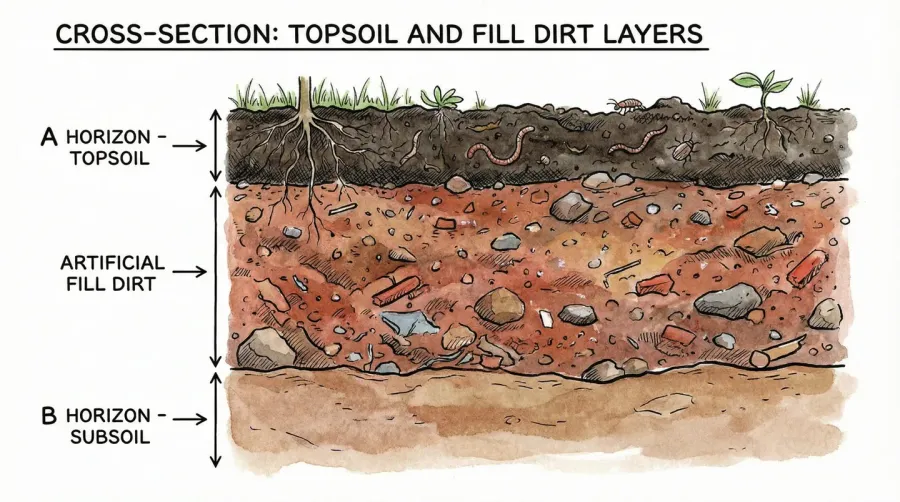
The quality of your fill dirt directly impacts your project’s success. Clean fill dirt, free from debris and organic matter, provides the stable base you need for foundations, driveways, and structural work. Hello Gravel sources high-quality fill dirt from trusted local suppliers nationwide, ensuring consistent material quality regardless of your project location.
The step-by-step measurement process
Start by measuring your project area in feet using a measuring tape or laser measure. You’ll need three key measurements: length, width, and depth. For irregular shapes, break the area into smaller rectangles and calculate each section separately.
Apply the basic volume formula: Length × Width × Depth = Volume in cubic feet. If you’re filling an area that’s 15 feet long, 8 feet wide, and 1.5 feet deep, your calculation would be 15 × 8 × 1.5 = 180 cubic feet.
Convert to cubic yards by dividing your cubic feet total by 27. Using our example: 180 ÷ 27 = 6.67 cubic yards. Round up to 7 cubic yards to ensure you have enough material for your project. For more precise calculations, you can use a fill dirt volume calculator to verify your measurements. Hello Gravel also provides an online material calculator tool to help you determine exactly how many cubic yards or tons you need based on your project measurements.
Pro tip: For sloped areas, measure the depth at multiple points and use the average depth for more accurate calculations.
Accounting for compaction and settling
Fill dirt naturally compacts after installation, typically settling by 15-20% depending on the soil composition and moisture content. This means you’ll need more material than your initial calculation suggests to achieve the final desired level.
Clay-heavy fill dirt compacts more than sandy soil, requiring a higher compaction factor. Most residential projects use a 1.2 compaction factor, while commercial sites often require 1.35 for heavy-duty stability.
| Soil Type | Compaction Factor | Best Use |
|---|---|---|
| Clay fill dirt | 1.30 | Foundation work |
| Sandy fill dirt | 1.20 | Drainage areas |
| Mixed fill dirt | 1.25 | General projects |
To calculate with compaction, multiply your cubic yard total by the appropriate factor. For our 7 cubic yard example with mixed fill dirt: 7 × 1.25 = 8.75 cubic yards needed. If you need to convert between different units, understanding fill dirt yards per ton can help you communicate effectively with suppliers. Hello Gravel’s dedicated account managers can help you determine the right compaction factors for your specific project and soil conditions.
Common measurement mistakes to avoid
The biggest mistake is forgetting to account for compaction, which can leave you short on material when you’re halfway through your project. Always factor in that extra 15-35% depending on your soil type and project requirements.
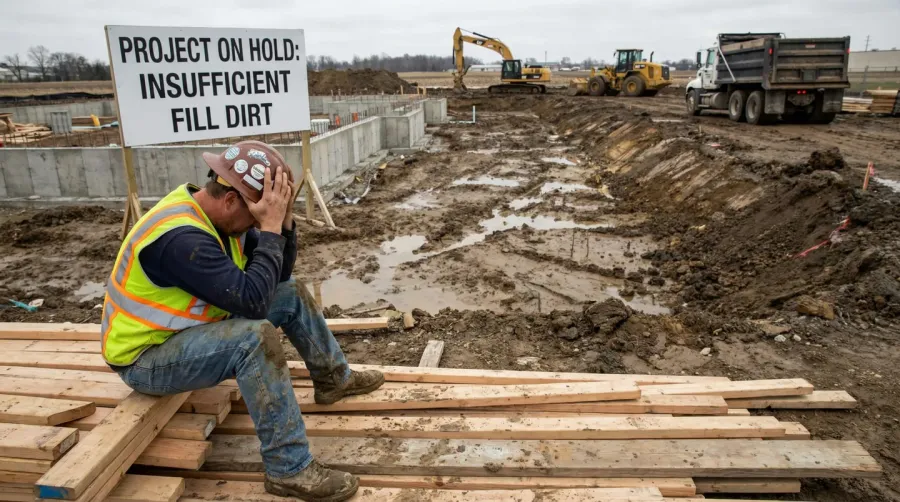
Another common error is measuring depth inconsistently across the project area. Take multiple depth measurements, especially on uneven terrain, and use the average for your calculations. This prevents surprises when you start filling. A reliable fill dirt calculator can help you avoid these common pitfalls by accounting for all necessary variables.
Don’t forget to consider access routes for delivery trucks. Your measurements might be perfect, but if the delivery truck can’t reach your project site, you’ll face additional costs for smaller loads or manual transport. Hello Gravel works with local haulers nationwide to ensure delivery accessibility and can coordinate with you on the best delivery approach for your specific site conditions.
Getting your fill dirt measurements right from the start saves time, money, and frustration. Remember to account for compaction, measure carefully, and always order slightly more than your calculations suggest. With these fundamentals in place, your project will have the solid foundation it needs for long-term success.
Whether you’re working on a driveway project, garden path, or patio installation, understanding aggregate calculations is essential. For weight-based ordering, check out our guide on fill dirt calculator tons to ensure accurate material estimates.
Hello Gravel provides high-quality fill dirt and can help verify your calculations to ensure you order exactly what your project needs. Their team understands the importance of accurate measurements and can guide you through any complex calculation challenges you might face. With transparent pricing and fast delivery across all 50 states, Hello Gravel makes sourcing fill dirt simple and stress-free for DIY homeowners, contractors, landscapers, and municipalities alike.
FAQ
How do you calculate cubic yards of fill dirt needed?
To calculate cubic yards of fill dirt, measure the length, width, and depth of your area in feet, then multiply these three numbers together. Divide the result by 27 to convert cubic feet to cubic yards. For example, an area that’s 10 feet long, 5 feet wide, and 2 feet deep equals 100 cubic feet, which converts to 3.7 cubic yards of fill dirt.
How much extra fill dirt should I order for compaction?
You should order 10-15% extra fill dirt to account for compaction and settling. Clay-heavy fill dirt typically requires a 1.30 compaction factor, sandy fill dirt needs 1.20, and mixed fill dirt uses 1.25. This extra material ensures you have enough to achieve your desired final level after the soil naturally compacts.
How do you measure fill dirt for irregular shaped areas?
For irregular shapes, break the area into smaller rectangles or squares and calculate each section separately using the length × width × depth formula. Add up all the individual volumes to get your total cubic feet, then divide by 27 to convert to cubic yards. This method ensures accurate measurements for complex project areas.
What’s the difference between fill dirt and topsoil for projects?
Fill dirt is subsoil with minimal organic matter, making it ideal for foundations and structural projects because it won’t decompose or shift over time. Topsoil contains rich organic matter perfect for gardening but unsuitable for construction bases. Fill dirt provides the stable, long-term foundation needed for driveways, foundations, and leveling projects.
Materials for this project
Get it delivered — dumped where you need it
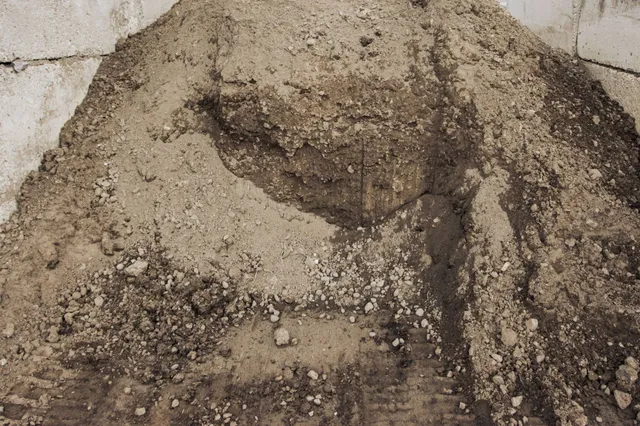
Fill Dirt
Grading & Backfill
See delivered price
View product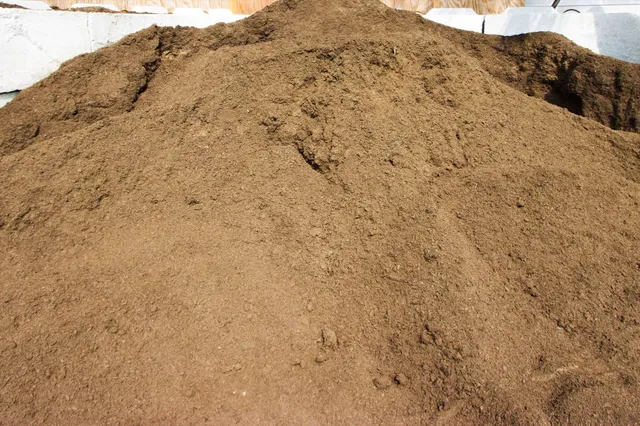
Topsoil
Lawn establishment & Garden beds
See delivered price
View product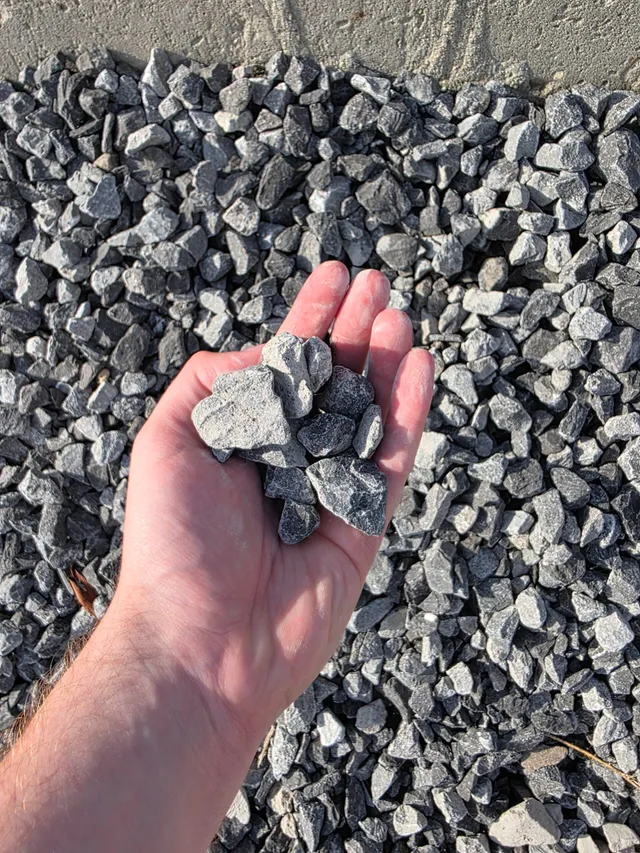
Driveway Gravel
Driveways & Parking areas
See delivered price
View product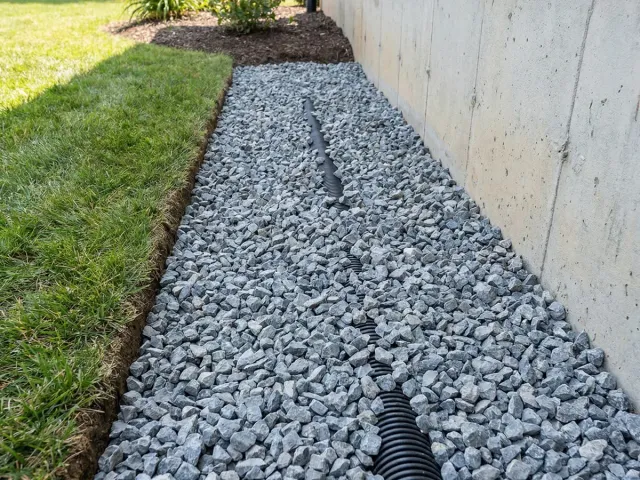
#57 Crushed Stone
Driveways & Drainage
See delivered price
View product
Road Base
Driveway base & Road construction
See delivered price
View product