
How to Get Gravel Delivered to Your Property in 2026
Free local estimate
See delivered prices for your ZIP in 60 seconds
Tell us where the project is and we'll price this material — delivered — for your exact ZIP.
- Real delivered pricing for your ZIP — not a generic range.
- Works for any quantity — driveways, pads, drains, or full projects.
- Prefer to talk? We follow up with local availability and delivery windows.
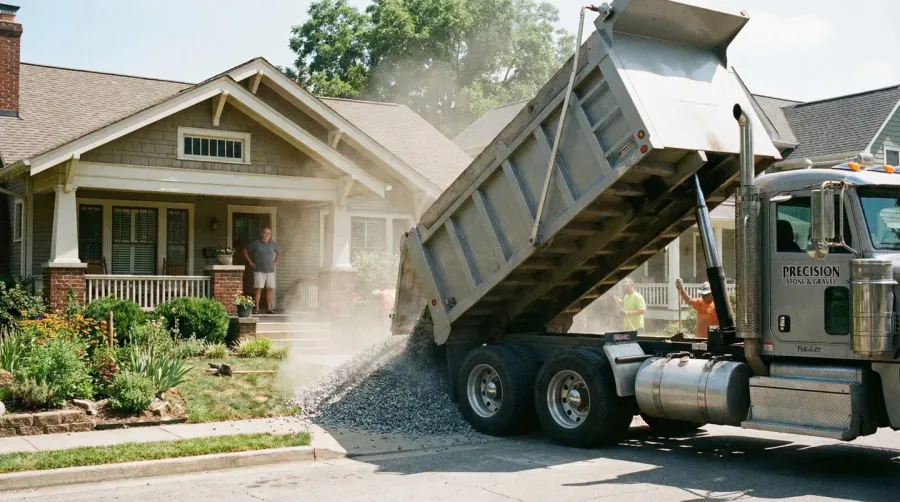
Getting gravel delivered starts with a few practical decisions: choose a material that fits the job, estimate the amount you need, and make sure the delivery area is accessible. Confirm current material, price, and delivery details for your location before you order.
About Hello Gravel
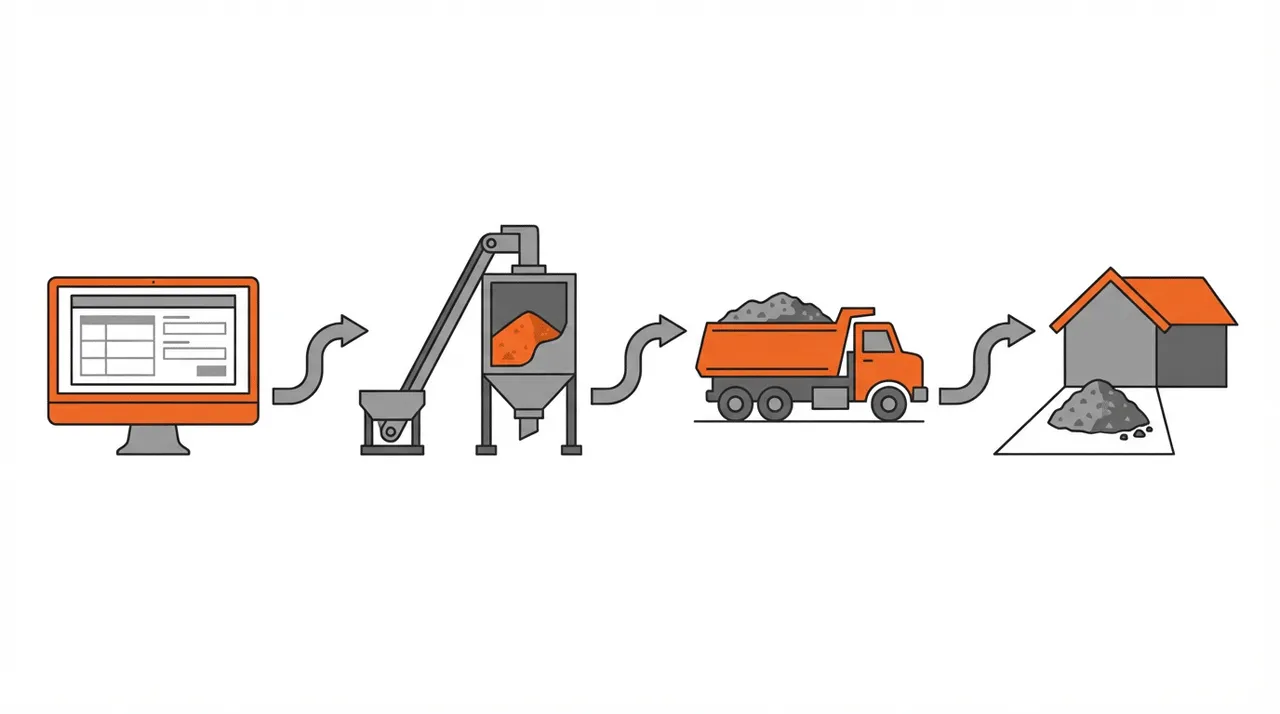
Hello Gravel delivers bulk gravel, rock, dirt, and sand by the ton. Enter your ZIP code to see prices with delivery included. A local dump-truck driver places the load where access is safe; spreading is not included.
Understanding gravel types and their applications
Choose the material by the job it needs to do. Crushed stone is commonly used for driveways and base layers because its angular pieces compact together. Pea gravel and river rock are often used for decorative areas. Drainage projects may need a material that allows water to move through it. Review the material specifications for your project before making a selection.
Calculating your gravel requirements
Measure the length and width of the area, then decide on the depth you need. Multiply length by width by depth in feet to get cubic feet. Divide by 27 to convert cubic feet to cubic yards.
Material weight varies, so use a calculator or confirm the conversion for the material you select. Plan for normal compaction and site conditions before finalizing the quantity.
Preparing your property for delivery
Check the access route and delivery area before ordering. Remove vehicles, outdoor furniture, and other obstacles. Note overhead branches, utilities, gates, property lines, and soft ground that may affect access.
Have basic spreading tools ready if you plan to distribute the material yourself. Check local rules that may apply to storing bulk material on your property.
Managing the delivery process
When you arrange delivery, give the supplier the project address, access notes, and your preferred placement area. Confirm the delivery instructions, timing, material, quantity, and price for your location. Be available to answer questions about placement if the supplier asks.
Weather and site conditions can affect access. If the ground is soft or the route is narrow, discuss that before delivery. Inspect the material when it arrives and raise any concern with the supplier promptly.
FAQ
How much gravel do I need for my driveway?
Measure the driveway’s length, width, and planned depth. Convert the volume to cubic yards, then confirm the material-specific weight and quantity with your supplier or calculator.
What will gravel delivery cost and what quantity can I order?
Cost, minimum quantity, and delivery options vary by material and location. Check the current details for your address before ordering.
What access requirements do delivery trucks need?
Access needs depend on the truck and your site. Check the route for width, overhead clearance, gates, soft ground, and obstacles, then confirm the delivery plan with the supplier.
What’s the difference between crushed stone and pea gravel?
Crushed stone has angular pieces that compact together and is often used for bases and driveways. Pea gravel has rounded pieces and is commonly used for decorative areas. Select the material based on the needs of your project.
Materials for this project
Get it delivered — dumped where you need it
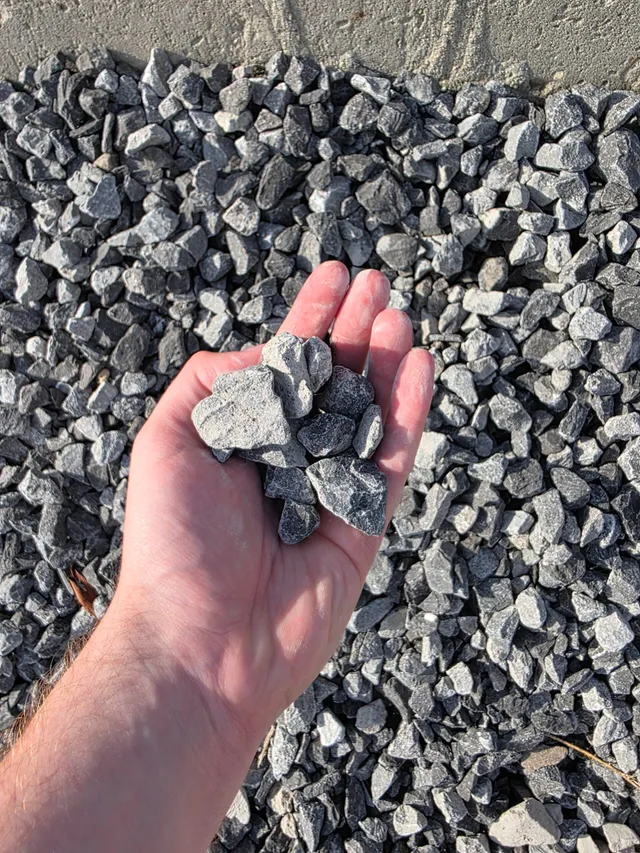
Driveway Gravel
Driveways & Parking areas
See delivered price
View product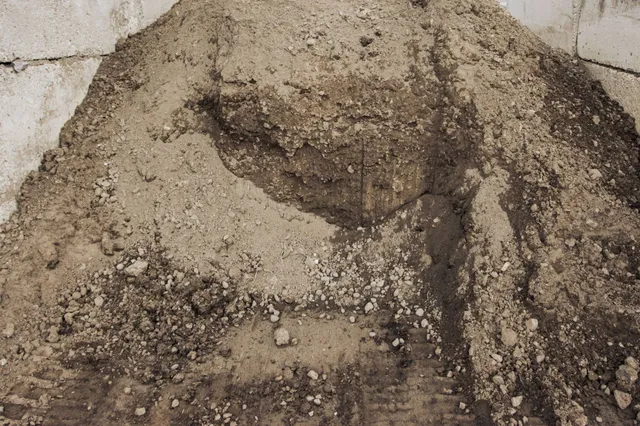
Fill Dirt
Grading & Backfill
See delivered price
View product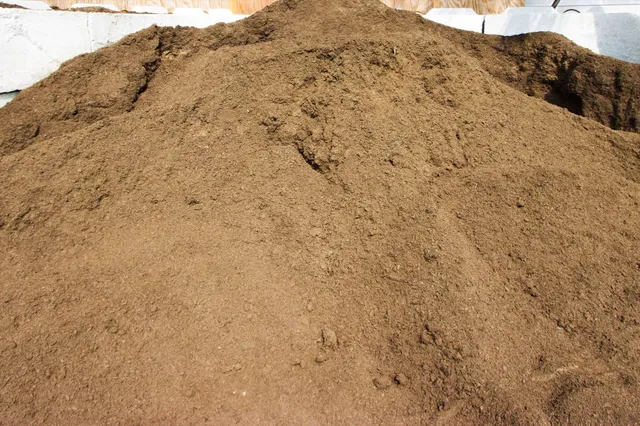
Topsoil
Lawn establishment & Garden beds
See delivered price
View product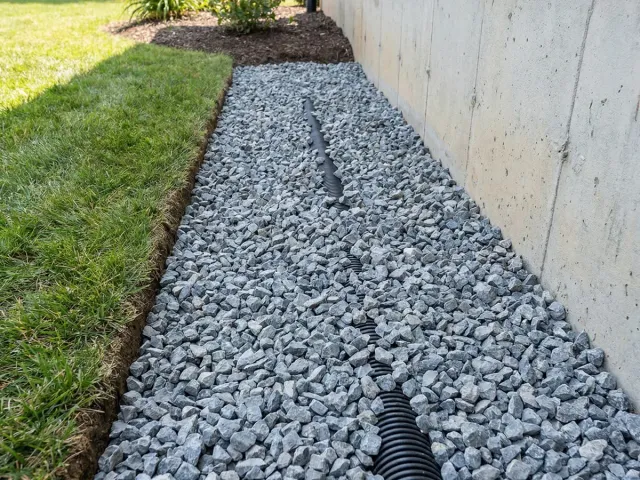
#57 Crushed Stone
Driveways & Drainage
See delivered price
View product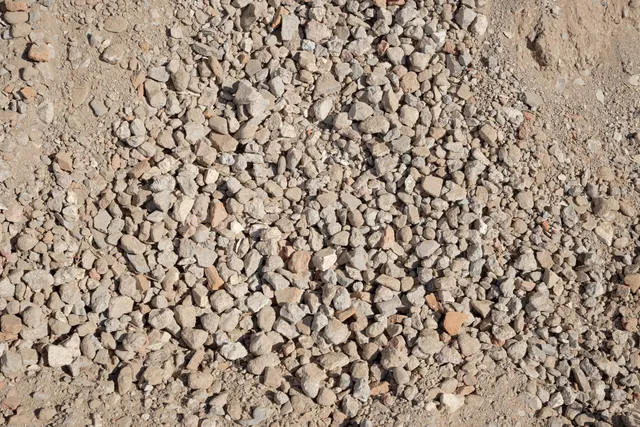
Road Base
Driveway base & Road construction
See delivered price
View product