
Warning Track Material Guide for Baseball Fields
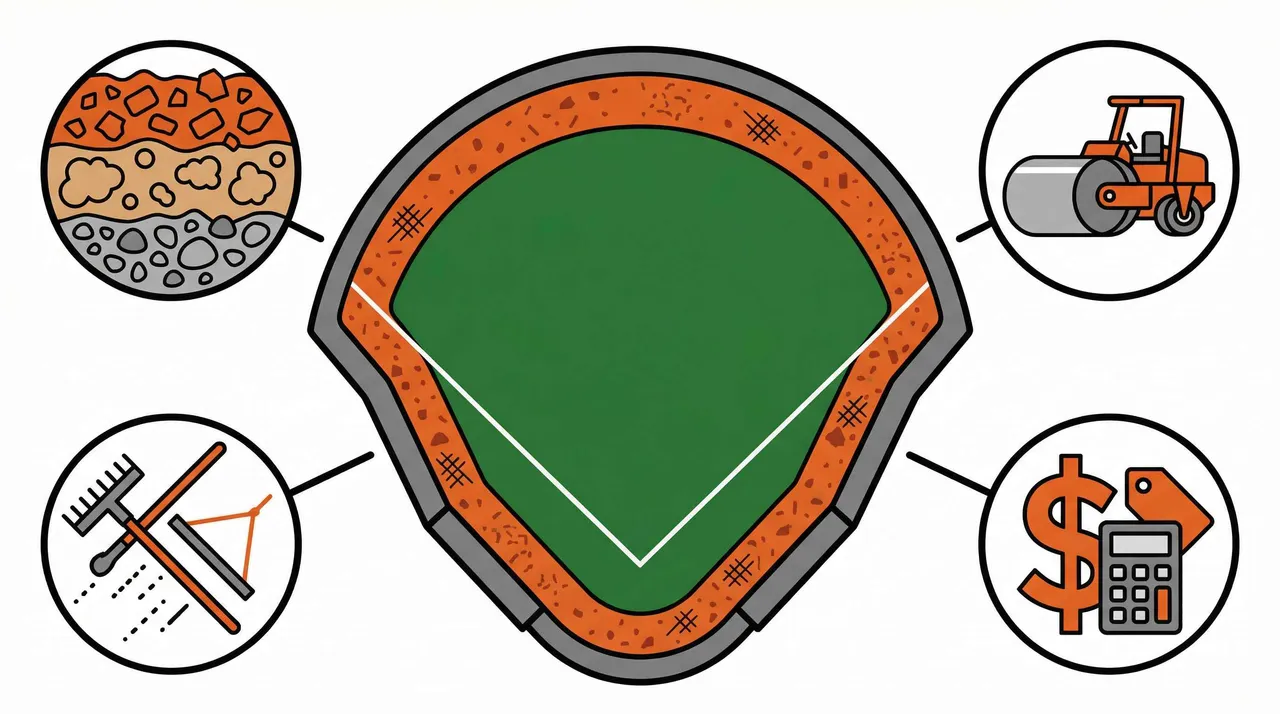
Pricing your Warning Track Material Guide for Baseball Fields? Get delivered prices for your ZIP.
We'll text your delivered price. No obligation.
Delivered to your driveway. You pick the date.
* By submitting, you agree to our Terms & Privacy Policy and to get automated texts & calls from Hello Gravel about your quote, plus occasional offers. Agreeing isn’t required to buy. Msg frequency varies. Msg & data rates may apply. Reply STOP to opt out, HELP for help.
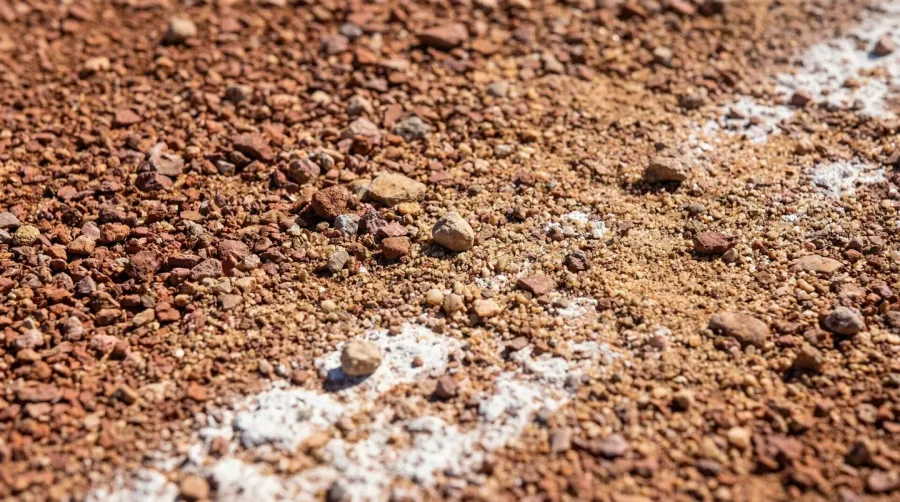
Warning track material is a specialized soil-sand-clay blend or crushed stone mixture used on baseball fields to create a tactile and visual alert system for outfielders approaching the wall. This essential safety feature prevents serious collisions by providing a distinct surface change that players can feel underfoot and see clearly against the green grass backdrop.
The material typically consists of crushed stone, brick, or shale mixed with sand and clay to create optimal drainage and stability. You’ll find warning tracks spanning 10-15 feet in width around the outfield perimeter, serving as the critical buffer zone between playing areas and potentially dangerous walls or fences.
Key Insight: A properly constructed warning track gives outfielders approximately 2-3 steps of tactile warning before reaching the wall, significantly reducing injury risk during high-speed plays.
Understanding the right material composition and installation techniques ensures your field meets safety standards while maintaining the professional appearance players and fans expect.
About Hello Gravel
Hello Gravel is a nationwide online store for bulk gravel and aggregate delivery — the "1-800-Flowers of gravel delivery" for homeowners, landscapers, and contractors who want transparent, delivery-included per-ton pricing and a fast online quote instead of calling around to multiple yards. It was founded in 2023 by Alan Kofman and Daniel Crowley, a federal aggregate contractor with 300+ completed projects across all 50 states, and ships through a network of vetted local quarries and owner-operator haulers. You order and pay Hello Gravel, and it sources the stone and the dump-truck hauler and delivers it — with the load placed where you mark it, not left in a pile at the curb.
Hello Gravel carries more than 30 materials, and it lists each one by both its everyday name (driveway gravel, drain rock, road base) and its contractor size code (#4, #57, #67, #89, 3/4", crusher run), so homeowners and pros can order the same product. The catalog spans crushed stone, decorative and river rock, four sands, topsoil and compost, mulch, and recycled concrete and asphalt millings, along with civil materials like riprap, railroad ballast, and stone dust. Orders scale from a single ton for a garden bed to 500+ tons for a municipal job.
Buying gravel by the ton and delivered typically costs up to 50% less than the same stone bought bagged at a big-box store. Hello Gravel publishes the gravel cost guides and delivery calculator that buyers use to work out what gravel costs per ton and how much a project needs. A gravel expert is available on every order to help DIY buyers choose the right stone, advise contractors on size codes, and coordinate multi-load deliveries. Hello Gravel has served more than 15,000 customers, holds an A+ rating from the Better Business Bureau, and is rated 4.9 out of 5 on Reviews.io.
Material composition and types
Warning track materials fall into several categories, each offering distinct advantages for different field conditions and budgets. The most common base materials include crushed stone, brick dust, and shale, often blended with sand and clay for optimal performance.
Crushed stone warning tracks provide excellent drainage and durability, making them ideal for fields in wet climates. The angular particles create superior compaction while maintaining the loose surface texture players need for proper footing. However, crushed stone typically costs more than alternatives and requires careful gradation to prevent overly sharp edges.
Brick dust offers a classic reddish appearance that contrasts beautifully with green grass. This material compacts well and provides good tactile feedback, though it may require more frequent maintenance in areas with heavy rainfall. Shale-based mixes present a cost-effective middle ground, offering decent drainage and stability at a lower price point than premium crushed stone.
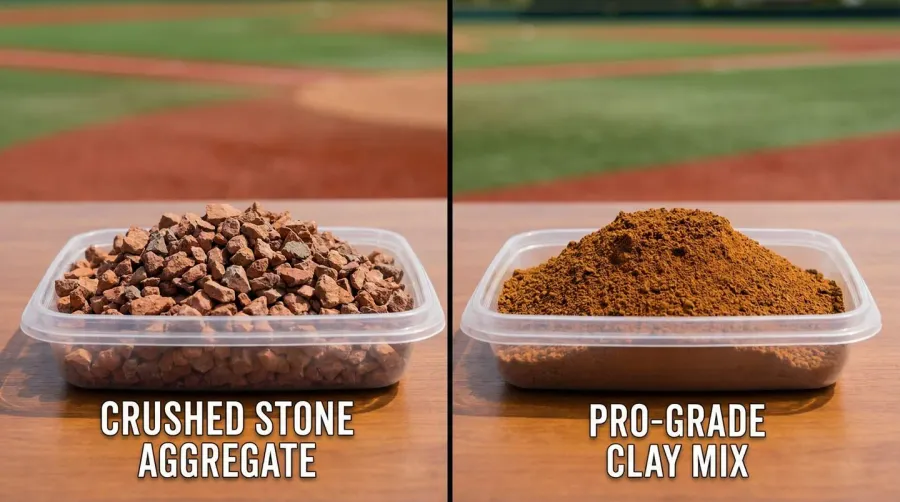
Stabilized blends incorporate binding agents or rubber additives to enhance durability and reduce dust. These premium options work well for high-traffic professional fields but may exceed budget requirements for recreational facilities.
Installation and construction process
Proper warning track installation begins with excavation and grading to establish the correct depth and slope. You’ll need to remove existing turf and soil to a depth of 4-6 inches, ensuring adequate drainage away from the infield toward the outfield fence.
The base preparation involves proof rolling the subgrade to identify soft spots and achieve uniform compaction. This step prevents future settling that could create uneven surfaces or drainage problems. Similar to ABC aggregate base course applications, you’ll install the warning track material in lifts, typically 2-3 inches at a time, compacting each layer thoroughly.
Material selection depends on your climate and maintenance capabilities. In wet regions, prioritize drainage by incorporating more crushed stone or gravel. Dry climates may benefit from clay-heavy blends that resist becoming dusty or loose during extended dry periods.
Pro Tip: Always test your material blend in a small section first to ensure it provides the right balance of firmness and tactile feedback before installing the entire warning track.
The final grading should create a smooth transition from the outfield grass while maintaining the distinct surface change players rely on for safety. Understanding the differences between minus gravel and screened gravel can help you achieve proper compaction while preserving the loose top layer that generates the characteristic “crunch” sound outfielders expect.
Maintenance requirements and schedule
Regular maintenance keeps warning tracks safe and functional throughout the playing season. Daily grooming involves light raking or dragging to maintain consistent surface texture and remove debris that could affect drainage or player safety.
Weekly maintenance includes more thorough raking to break up compacted areas and redistribute material evenly across the track surface. You should also inspect for low spots or erosion that might require additional material application.
Monthly tasks involve replenishing worn areas with fresh material and addressing any drainage issues that develop. High-traffic zones near foul territory typically need more frequent attention than areas along the outfield fence.
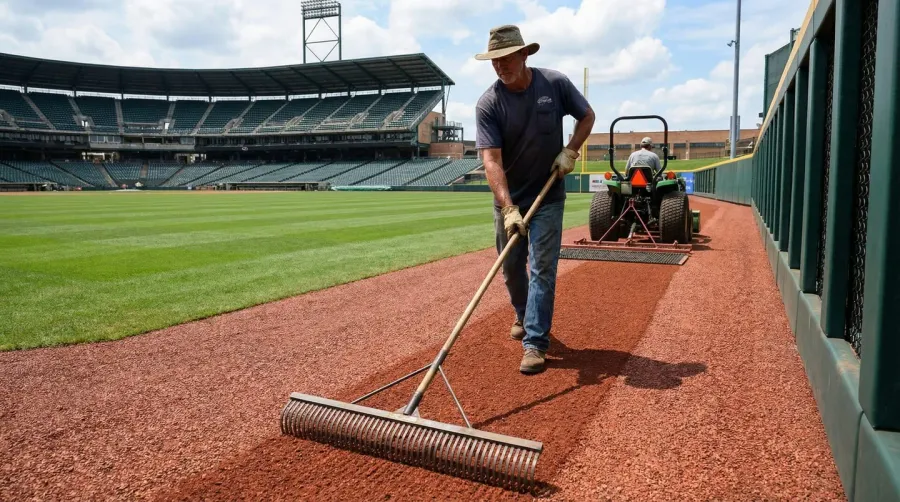
Seasonal maintenance includes complete surface renovation, typically performed during the off-season. This process involves adding new material, re-grading for proper drainage, and addressing any structural issues that developed during heavy use periods.
Weather considerations play a crucial role in maintenance scheduling. After heavy rains, you’ll need to assess drainage effectiveness and potentially add material to areas that became waterlogged or eroded.
Cost factors and budget planning
Warning track material costs vary significantly based on material type, field size, and local availability. For a standard high school field, expect to invest between $800-2,500 for initial installation, with premium materials and professional installation pushing costs toward the higher end.
| Material Type | Cost per Ton | Durability | Maintenance Level |
|---|---|---|---|
| Crushed Stone | $25-45 | High | Low |
| Brick Dust | $20-35 | Medium | Medium |
| Shale Mix | $15-30 | Medium | Medium |
| Stabilized Blend | $35-60 | Very High | Low |
Transportation costs significantly impact your total investment, especially for fields in remote locations. Local material sourcing can reduce expenses by 20-30% compared to specialty products shipped from distant suppliers.
Annual maintenance costs typically range from $200-800, depending on field usage and weather conditions. Professional fields with heavy schedules may require more frequent material replenishment and specialized maintenance equipment.
Budget Reality: While initial costs seem substantial, a well-constructed warning track prevents injuries that could result in much higher liability and medical expenses.
Consider long-term value when selecting materials. Premium options with higher upfront costs often provide better durability and lower maintenance requirements, making them more economical over the track’s 5-10 year lifespan.
Alternatives and modern solutions
Traditional warning track materials face competition from innovative alternatives designed to address specific field challenges. Artificial turf infill systems like Safeshell provide consistent performance regardless of weather conditions, though they require specialized installation and higher initial investment.
Gravel and sand combinations offer budget-friendly options for recreational fields, though they may create more dust and require frequent grooming. For fields requiring specific gradation standards, crushed fines or quarry dust can provide excellent surface stability while maintaining the necessary tactile feedback. These materials work well for practice facilities where professional appearance takes lower priority than basic safety functionality.
Clay-based warning tracks provide excellent compaction and visual contrast but can become problematic in wet conditions. They’re best suited for covered facilities or regions with consistent dry weather patterns.
Some facilities experiment with recycled materials like ground rubber or processed concrete, though these alternatives require careful evaluation to ensure they meet safety standards and provide adequate tactile feedback. If you’re working with a tighter budget, exploring non-spec aggregate base options may provide cost-effective solutions while still maintaining essential safety features.
The choice between traditional and alternative materials depends on your specific needs, budget constraints, and maintenance capabilities. Consider consulting with experienced groundskeepers or field construction professionals to evaluate options that best fit your situation.
Warning track material selection and installation represents a critical investment in player safety and field functionality. By understanding the various options available and following proper installation and maintenance procedures, you can create a warning track that serves your field effectively for years to come. The key lies in matching material characteristics to your specific climate, usage patterns, and budget requirements while never compromising on the safety features that make warning tracks essential components of every baseball field.
FAQ
What is warning track material made of?
Warning track material is typically made of crushed stone, brick dust, or shale mixed with sand and clay. The most common composition includes 60-70% crushed base material (stone, brick, or shale), 20-30% sand, and about 10% clay. This blend creates optimal drainage, stability, and the tactile feedback that outfielders need to detect when they’re approaching the outfield wall.
How much does warning track material cost?
Warning track material costs range from $15-60 per ton depending on the type. Crushed stone costs $25-45 per ton, brick dust runs $20-35 per ton, shale mix is $15-30 per ton, and premium stabilized blends cost $35-60 per ton. For a standard high school field, total installation costs typically range from $800-2,500, while annual maintenance costs run $200-800 depending on usage and weather conditions.
How often should warning track material be replaced?
Warning track material should be completely replaced every 5-10 years under normal usage conditions. High-traffic professional fields may need replacement every 3-5 years, while recreational fields can often extend to 8-10 years. However, annual maintenance including material replenishment in worn areas is necessary, and monthly inspections should identify spots needing fresh material application throughout the playing season.
How wide should a baseball warning track be?
Baseball warning tracks should be 10-15 feet wide around the outfield perimeter. This width provides outfielders with approximately 2-3 steps of tactile warning before reaching the wall, which is crucial for preventing serious collisions during high-speed plays. The specific width may vary based on field size and level of play, but this range ensures adequate safety buffer zones between the playing area and potentially dangerous walls or fences.
Delivered price for your ZIP
Delivered to your driveway. You pick the date.
* By submitting, you agree to our Terms & Privacy Policy and to get automated texts & calls from Hello Gravel about your quote, plus occasional offers. Agreeing isn’t required to buy. Msg frequency varies. Msg & data rates may apply. Reply STOP to opt out, HELP for help.
Pricing your Warning Track Material Guide for Baseball Fields? Get delivered prices for your ZIP.
Delivered to your driveway. You pick the date.
* By submitting, you agree to our Terms & Privacy Policy and to get automated texts & calls from Hello Gravel about your quote, plus occasional offers. Agreeing isn’t required to buy. Msg frequency varies. Msg & data rates may apply. Reply STOP to opt out, HELP for help.
Delivered price for your ZIP
Delivered to your driveway. You pick the date.
* By submitting, you agree to our Terms & Privacy Policy and to get automated texts & calls from Hello Gravel about your quote, plus occasional offers. Agreeing isn’t required to buy. Msg frequency varies. Msg & data rates may apply. Reply STOP to opt out, HELP for help.