
Gravel Prices in Ohio (Complete Guide)
Free local estimate
See delivered prices for your ZIP in 60 seconds
Tell us where the project is and we'll price this material — delivered — for your exact ZIP.
- Real delivered pricing for your ZIP — not a generic range.
- Works for any quantity — driveways, pads, drains, or full projects.
- Prefer to talk? We follow up with local availability and delivery windows.
Gravel is a versatile and cost-effective material that is widely used in various construction and landscaping projects. Whether you are planning to build a new driveway, create a walkway, or improve your garden’s drainage system, understanding the current gravel prices in Ohio is essential. In this comprehensive guide, we will explore the factors that influence gravel prices, the different types of gravel available, and how to estimate gravel costs for your specific project. We will also provide you with tips on saving money when purchasing gravel and answer some frequently asked questions about gravel pricing.
About Hello Gravel
Hello Gravel delivers bulk gravel, rock, dirt, and sand by the ton. Enter your ZIP code to see prices with delivery included. A local dump-truck driver places the load where access is safe; spreading is not included.
Understanding Gravel Pricing
When it comes to pricing gravel, several factors come into play. By understanding these factors, you can make a well-informed decision and ensure that you get the best value for your money.
Gravel pricing is a complex process that involves considering various factors. Let’s take a closer look at some of the key factors that influence gravel prices in Ohio:
Factors Influencing Gravel Prices
The prices of gravel can vary based on a range of factors. The following are some key factors that influence gravel prices in Ohio:
- Location: The cost of gravel can vary from one region to another within Ohio. Transportation costs play a significant role, as gravel needs to be transported from the source to the point of delivery.
Transporting gravel from the source to the point of delivery involves various expenses. The distance between the source and the delivery location affects the transportation costs. Additionally, factors such as road conditions and accessibility can impact the overall transportation expenses. It’s important to consider these factors when estimating the price of gravel.
- Availability: The availability of gravel in a particular area can affect its price. Gravel that is readily available locally tends to be more affordable than imported gravel.
The availability of gravel in a specific area depends on the presence of natural gravel deposits or the availability of quarries. If a region has abundant gravel resources, the prices are likely to be lower due to reduced transportation costs. On the other hand, if the local supply is limited, the prices may be higher due to the need for importing gravel from other areas.
- Demand: Like any other commodity, the demand for gravel affects its price. Higher demand can drive up prices, especially during peak construction seasons.
The demand for gravel fluctuates based on the level of construction activities in a particular area. During peak construction seasons, such as spring and summer, the demand for gravel tends to be higher, leading to increased prices. Conversely, during slower periods, when construction activities are minimal, the demand decreases, resulting in lower prices.
- Quality: The quality and grade of the gravel also impact its price. Gravel with specific properties or certifications may be priced higher due to its suitability for specialized applications.
Gravel comes in various grades and qualities, each suitable for different purposes. Gravel with superior quality, such as those with specific size distributions or durability characteristics, may be priced higher due to their suitability for specialized applications. For example, gravel used in road construction may require specific properties to ensure long-term durability, which can increase its price.
Price Fluctuations Over Time
Gravel prices are subject to fluctuations over time. Factors such as changes in fuel prices, inflation, and market demand can lead to price variations. It’s essential to stay updated on current market trends and plan your purchases accordingly to minimize cost fluctuations.
Several external factors can influence the price of gravel over time. Fluctuations in fuel prices can impact transportation costs, which, in turn, affect the overall price of gravel. Additionally, inflation and changes in market demand can also contribute to price variations. To ensure that you get the best value for your money, it’s important to stay informed about these factors and plan your gravel purchases accordingly.
Types of Gravel and Their Costs
Gravel comes in various types, each with its unique characteristics and cost. Let’s explore some common types of gravel and their costs in Ohio:
Pea Gravel
Pea gravel is small, rounded stones that are typically used for pathways, playgrounds, and decorative landscaping. It is a popular choice due to its smooth texture and natural appearance. In Ohio, the cost of pea gravel ranges from $30-$50 per ton, depending on the location and quality.
When using pea gravel for pathways, it provides a comfortable surface to walk on, making it ideal for garden paths or walkways in parks. Its small size also allows for easy drainage, preventing water from pooling and causing damage to the surrounding area.
In playgrounds, pea gravel acts as a cushioning material, providing a soft landing surface for children. It is often used in combination with rubber mulch to create a safe and enjoyable play area.
For decorative landscaping, pea gravel can be used to create visually appealing features such as borders, edging, or filling in between larger stones. Its natural color variations, ranging from earthy browns to vibrant whites, can complement any garden design.
Crushed Stone
Crushed stone is a versatile and durable option commonly used for driveways, roadways, and base layers for construction projects. It is made by crushing larger stones into smaller pieces, resulting in angular edges that interlock when compacted. The cost of crushed stone in Ohio ranges from $40-$60 per ton, varying based on the size and quality of the stones.
One of the main advantages of using crushed stone is its ability to withstand heavy loads without shifting or settling. This makes it an excellent choice for driveways and roadways, where vehicles frequently pass over the surface. Its angular shape also provides better traction, reducing the risk of accidents caused by slippery conditions.
In construction projects, crushed stone is often used as a base material to provide stability and support. It helps to distribute the weight of the structure evenly, preventing uneven settling and potential damage over time.
Crushed stone comes in various sizes, ranging from fine dust to larger stones. The size of the stones used can affect the overall appearance and functionality of the project. Smaller stones are often used for pathways and patios, while larger stones are more suitable for retaining walls or drainage systems.
River Rock
River rock is smooth, rounded stones that are often used for landscaping features, such as water features and dry riverbeds. They are naturally shaped by the flow of rivers and can add a unique aesthetic to any outdoor space. In Ohio, river rock prices range from $50-$80 per ton, depending on the size and color of the stones.
When used in water features, river rock creates a natural and soothing ambiance. The smooth surface of the stones allows water to flow gently over them, creating a calming sound and enhancing the visual appeal of the feature.
Dry riverbeds, also known as rock gardens, can be created using river rock to mimic the appearance of a natural river. The stones are arranged in a way that resembles the flow of water, adding texture and interest to the landscape.
With a variety of colors available, ranging from earth tones to vibrant shades, river rock can be used to create striking visual contrasts. It can be combined with other landscaping materials, such as plants or mulch, to create a harmonious and balanced design.
Whether you’re looking for a functional material for pathways and driveways or a decorative element for your landscaping, the different types of gravel offer a wide range of options to suit your needs. Consider the characteristics, cost, and intended use of each type to make an informed decision for your project.
How to Estimate Gravel Costs for Your Project
Estimating the gravel costs for your specific project requires careful calculations to ensure you have enough material without overspending. Consider the following steps:
Calculating Quantity Needed
Measure the area where you intend to use gravel and calculate the square footage. Determine the desired thickness of the gravel layer. Multiply the square footage by the desired thickness to get the cubic footage. Finally, divide the cubic footage by 27 to convert it to cubic yards, which is commonly used in gravel calculations.
Incorporating Delivery Fees
Don’t forget to factor in delivery fees when estimating gravel costs. Many suppliers charge additional fees for transporting the gravel to your location. Contact local suppliers to inquire about their delivery charges and include them in your cost estimation.
Tips for Saving on Gravel Costs
While gravel costs can add up, there are ways to save money without compromising on quality. Consider the following tips:
Bulk Purchasing
Buying gravel in bulk can often lead to significant cost savings. Contact suppliers and inquire about bulk purchase discounts. By purchasing a larger quantity at once, you can enjoy lower prices per ton.
Local vs Imported Gravel
Opting for locally sourced gravel can help reduce costs. Imported gravel might incur higher transportation charges due to long-distance shipping. Choose locally available gravel that meets your project requirements to save money.
Frequently Asked Questions About Gravel Pricing
Why Do Gravel Prices Vary?
Gravel prices vary due to factors such as location, availability, demand, and quality. Each of these factors plays a role in determining the overall cost of gravel in a specific area.
Can I Negotiate Gravel Prices?
While negotiating prices may be possible in some cases, it largely depends on the supplier and the specific circumstances. It doesn’t hurt to inquire with different suppliers regarding potential discounts or promotional offers.
By understanding the current gravel prices in Ohio and considering the factors discussed, you can make an informed decision when purchasing gravel for your next project. Remember to calculate the quantity needed, factor in delivery fees, and explore cost-saving opportunities such as bulk purchasing and opting for locally sourced gravel. With these insights and tips, you can successfully plan and budget for your gravel-related endeavors.
Get your project delivered with Hello Gravel
Ready to get your project moving? Hello Gravel helps homeowners order gravel, rock, sand, soil, and other bulk materials without calling yard after yard. Use the calculator to estimate how much you need, then browse products or request a quote for delivery dumped where the truck can safely reach.
Materials for this project
Get it delivered — dumped where you need it
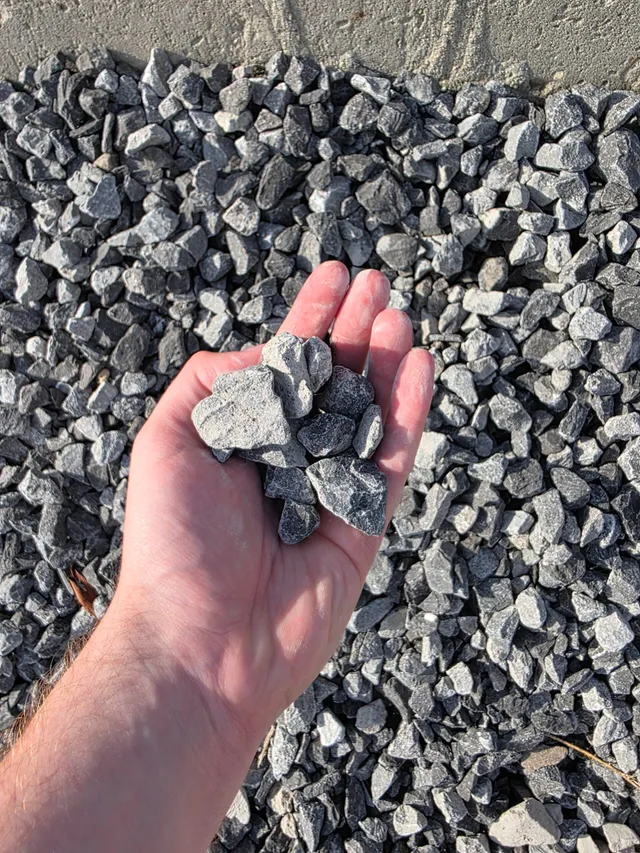
Driveway Gravel
Driveways & Parking areas
See delivered price
View product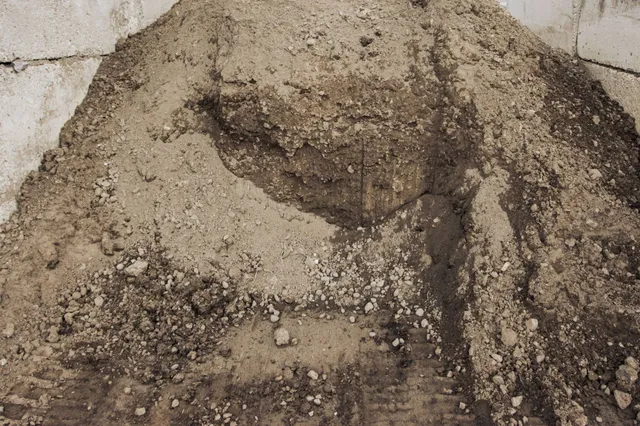
Fill Dirt
Grading & Backfill
See delivered price
View product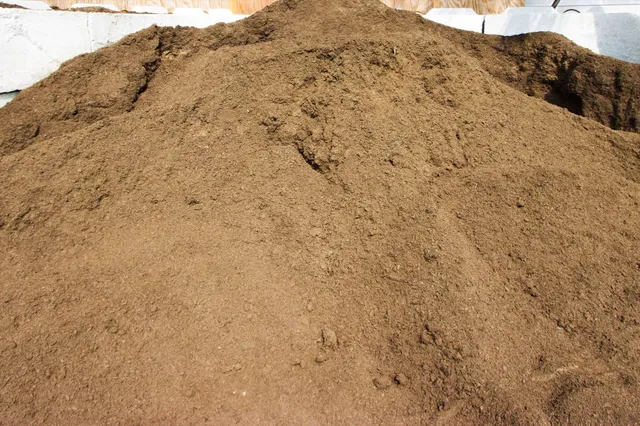
Topsoil
Lawn establishment & Garden beds
See delivered price
View product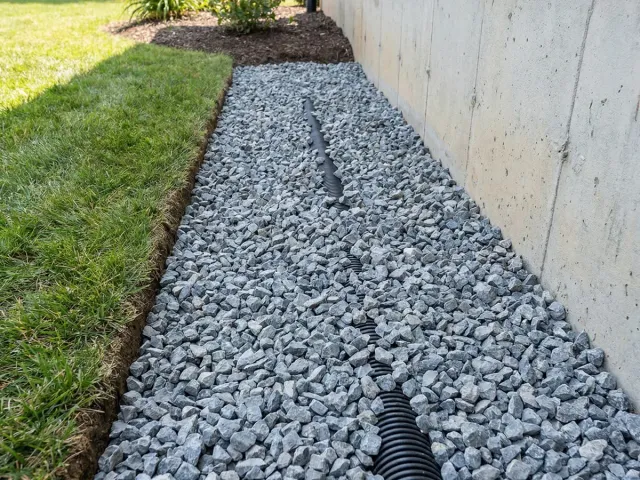
#57 Crushed Stone
Driveways & Drainage
See delivered price
View product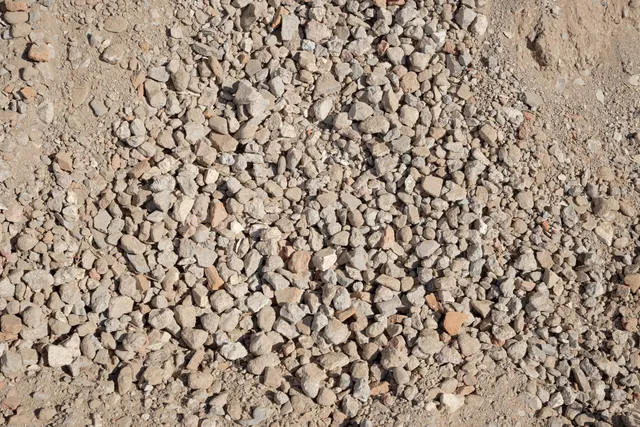
Road Base
Driveway base & Road construction
See delivered price
View product