
Cheapest Gravel for Driveways in 2026
Free local estimate
See delivered prices for your ZIP in 60 seconds
Tell us where the project is and we'll price this material — delivered — for your exact ZIP.
- Real delivered pricing for your ZIP — not a generic range.
- Works for any quantity — driveways, pads, drains, or full projects.
- Prefer to talk? We follow up with local availability and delivery windows.
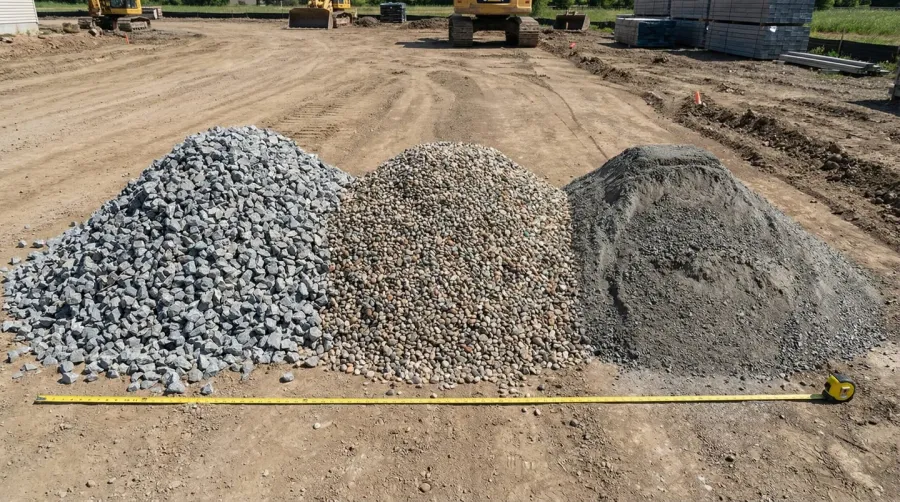
Looking for the most budget-friendly way to build or upgrade your driveway? You’re in the right place. Recycled asphalt typically costs $10-$20 per ton, making it the cheapest gravel option for driveways. Most homeowners spend between $1,500-$1,800 total for a complete gravel driveway project, which works out to roughly $1-$4 per square foot depending on your material choice and local labor costs.
The key to getting the best value isn’t just picking the cheapest material though. You’ll want to consider factors like durability, maintenance needs, and how the gravel will look with your home’s style. Some slightly pricier options might actually save you money long-term through reduced upkeep.
Quick fact: A typical single-car driveway (200 square feet) costs between $250-$900 in materials alone, while a double-car driveway can range from $800-$2,560 depending on your gravel choice.
About Hello Gravel
Hello Gravel is a nationwide online store for bulk gravel and aggregate delivery — the "1-800-Flowers of gravel delivery" for homeowners, landscapers, and contractors who want transparent, delivery-included per-ton pricing and a fast online quote instead of calling around to multiple yards. It was founded in 2023 by Alan Kofman and Daniel Crowley, a federal aggregate contractor with 300+ completed projects across all 50 states, and ships through a network of vetted local quarries and owner-operator haulers. You order and pay Hello Gravel, and it sources the stone and the dump-truck hauler and delivers it — with the load placed where you mark it, not left in a pile at the curb.
Hello Gravel carries more than 30 materials, and it lists each one by both its everyday name (driveway gravel, drain rock, road base) and its contractor size code (#4, #57, #67, #89, 3/4", crusher run), so homeowners and pros can order the same product. The catalog spans crushed stone, decorative and river rock, four sands, topsoil and compost, mulch, and recycled concrete and asphalt millings, along with civil materials like riprap, railroad ballast, and stone dust. Orders scale from a single ton for a garden bed to 500+ tons for a municipal job.
Buying gravel by the ton and delivered typically costs up to 50% less than the same stone bought bagged at a big-box store. Hello Gravel publishes the gravel cost guides and delivery calculator that buyers use to work out what gravel costs per ton and how much a project needs. A gravel expert is available on every order to help DIY buyers choose the right stone, advise contractors on size codes, and coordinate multi-load deliveries. Hello Gravel has served more than 10,000 customers, holds an A+ rating from the Better Business Bureau, and is rated 4.9 out of 5 on Reviews.io.
Most affordable gravel types for driveways
When you’re shopping for driveway gravel, understanding your options helps you make the smartest financial decision. Here’s how the most popular materials stack up in terms of cost and performance.
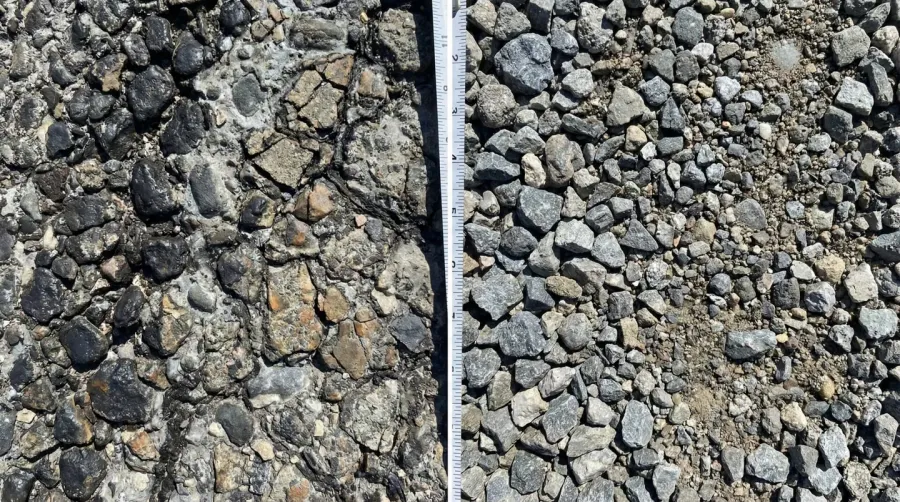
Recycled asphalt takes the top spot for affordability at $10-$20 per ton. This material comes from crushed and reused pavement, making it both eco-friendly and wallet-friendly. It compacts well over time, creating a solid surface that handles vehicle traffic without much maintenance.
Crusher run or road base comes in second at $18-$30 per ton. This mix of crushed stone and stone dust creates an excellent foundation that compacts tightly. Many contractors prefer this material because it handles heavy loads well and provides long-lasting results. If you’re interested in learning more about foundation materials, check out our guide to the best driveway base material.
Decomposed granite sits in the middle range at $25-$50 per ton. While more expensive than recycled options, it offers a natural appearance that many homeowners love. It’s particularly good for areas where you want a more decorative look without breaking the budget.
Pea gravel rounds out the common options at $30-$55 per ton. These small, rounded stones create an attractive surface that’s easy to walk on, though they can shift under heavy vehicle use.
Total driveway costs by project size
Understanding material costs is just one piece of the puzzle. Your total project cost depends heavily on the size of your driveway and whether you’re doing the work yourself or hiring professionals.
For a single-car driveway (roughly 200-300 square feet), expect to spend $250-$900 on materials. Add labor costs of $20-$70 per hour, and your total project typically ranges from $600-$1,500.
A double-car driveway (400-600 square feet) requires more material and labor. Material costs jump to $500-$1,800, with total project costs ranging from $1,200-$3,000 when you include professional installation.
Larger rural driveways (1,000+ square feet) can cost $1,000-$5,000 or more depending on length and width. These projects often require more site preparation, which adds to both material and labor expenses. For a detailed breakdown of costs for longer driveways, see our article on how much a 100-foot gravel driveway costs.
Cost-saving tip: Delivery fees can equal or exceed your gravel costs for small orders. If you’re ordering less than 5-10 tons, consider picking up materials yourself or coordinating with neighbors to split delivery costs.
Gravel is sold by the ton delivered, and distance from the pit drives the spread between markets. Compare local pricing in Gravel delivery in Saginaw, Gravel delivery in Federal Way, Gravel delivery in El Paso, Gravel delivery in Los Angeles, Gravel delivery in Buffalo, Gravel delivery in Cape Girardeau, Gravel delivery in Las Cruces, Gravel delivery in Kingman, Gravel delivery in Hammond and Gravel delivery in Tulsa.
How gravel compares to other driveway materials
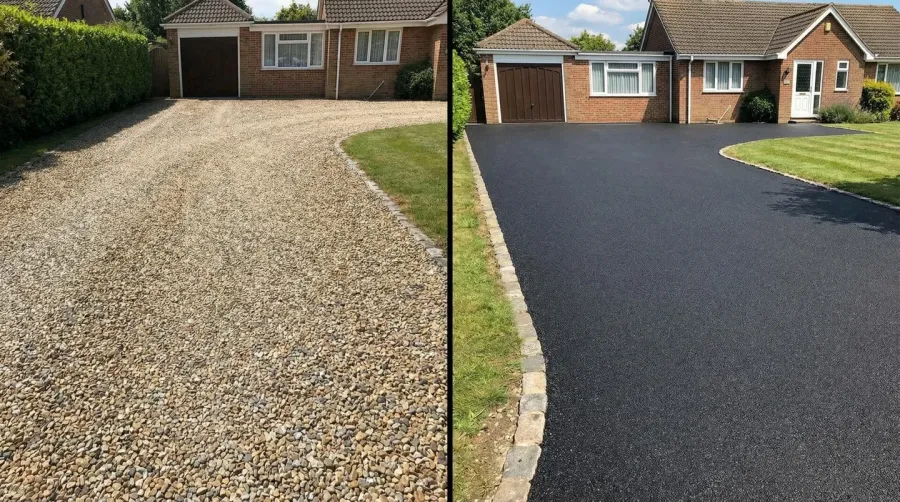
Gravel driveways offer significant upfront savings compared to other popular driveway materials. While asphalt costs $7-$13 per square foot installed and concrete runs $8-$18 per square foot, gravel typically costs just $1-$4 per square foot.
| Material | Cost per sq ft | Lifespan | Maintenance |
|---|---|---|---|
| Gravel | $1-$4 | 10-15 years | Annual raking/adding |
| Asphalt | $7-$13 | 15-20 years | Seal coating every 3-5 years |
| Concrete | $8-$18 | 20-30 years | Minimal |
The trade-off comes in maintenance requirements. Gravel driveways need periodic raking and occasional material additions to maintain their appearance and function. However, these maintenance costs are typically much lower than major repairs needed for asphalt or concrete.
Factors that affect your final price
Several variables can significantly impact your total driveway cost beyond just material selection. Site preparation often adds $1-$2 per square foot if you need grading, excavation, or drainage work.
Delivery distance matters more than you might expect. Most suppliers charge $5-$15 per mile for delivery, and some have minimum order requirements that could force you to buy more material than needed.
Local labor rates vary widely across different regions. Rural areas might see rates as low as $20-$30 per hour, while urban markets can reach $50-$70 per hour for experienced contractors.
Thickness requirements also affect costs. Most driveways need 2-4 inches of gravel, but areas with heavy traffic or poor soil conditions might require deeper installation, increasing both material and labor needs. Understanding the best size gravel for your driveway can help you determine the right depth and specifications for your project.
The timing of your project can influence pricing too. Spring and fall are peak seasons for driveway work, which can drive up both material and labor costs compared to winter projects.
Choosing the right gravel for your driveway doesn’t have to be complicated. Start with recycled asphalt if budget is your primary concern, or consider crusher run if you want a balance of affordability and long-term performance. Remember that the cheapest material isn’t always the best value when you factor in maintenance and longevity. For a comprehensive overview of all your options, explore our guide to different kinds of driveway gravel and learn about various types of stone for driveways. Take time to get quotes from local suppliers and factor in delivery costs to make the most informed decision for your specific situation.
FAQ
What is the cheapest gravel for a driveway?
Recycled asphalt is typically the cheapest gravel option for driveways, costing $10-$20 per ton. This eco-friendly material comes from crushed and reused pavement and compacts well over time to create a solid surface. Crusher run is another affordable option at $18-$30 per ton, offering excellent compaction and durability for heavy vehicle traffic.
How much does a gravel driveway cost per square foot?
Gravel driveways typically cost $1-$4 per square foot installed, making them significantly cheaper than asphalt ($7-$13 per square foot) or concrete ($8-$18 per square foot). A single-car driveway (200-300 square feet) usually costs $600-$1,500 total, while a double-car driveway ranges from $1,200-$3,000 including materials and labor.
What factors affect gravel driveway costs?
Several factors impact your total cost including site preparation ($1-$2 per square foot for grading), delivery distance ($5-$15 per mile), local labor rates ($20-$70 per hour), and thickness requirements (2-4 inches typical). Delivery fees can equal or exceed material costs for small orders under 5-10 tons, so consider bulk purchases or coordinating with neighbors to split delivery costs.
Which gravel type offers the best value for driveways?
Crusher run or road base offers the best balance of affordability and performance at $18-$30 per ton. While recycled asphalt is cheaper upfront, crusher run provides superior long-term durability with minimal maintenance needs. It compacts tightly, handles heavy loads well, and creates an excellent foundation that can last 10-15 years with proper care.
Materials for this project
Get it delivered — dumped where you need it
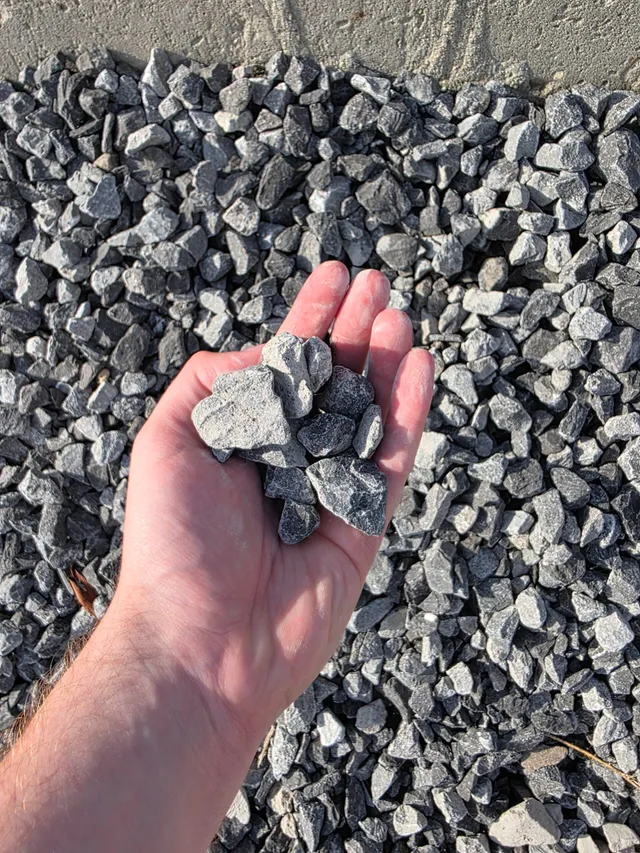
Driveway Gravel
Driveways & Parking areas
See delivered price
View product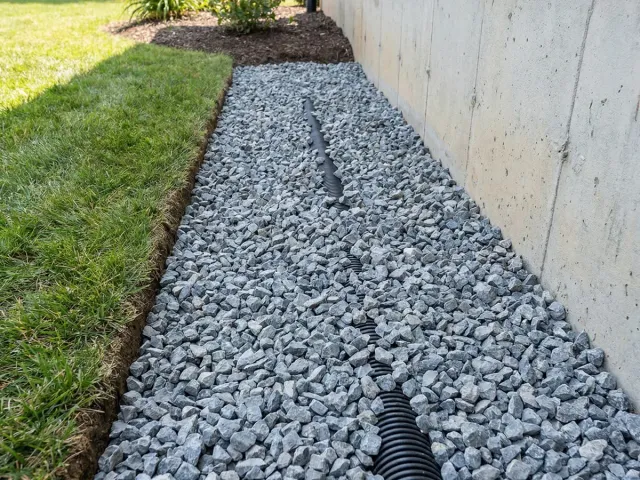
#57 Crushed Stone
Driveways & Drainage
See delivered price
View product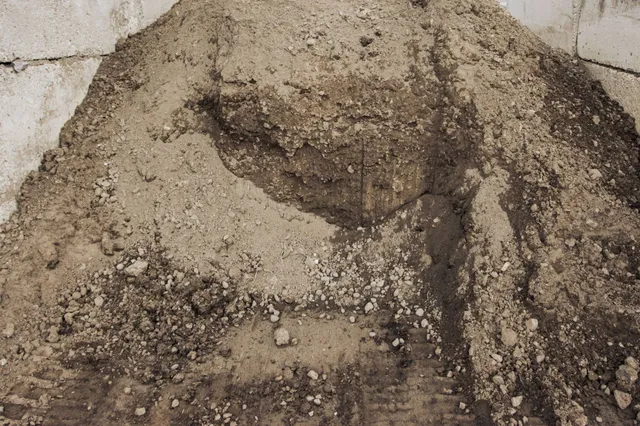
Fill Dirt
Grading & Backfill
See delivered price
View product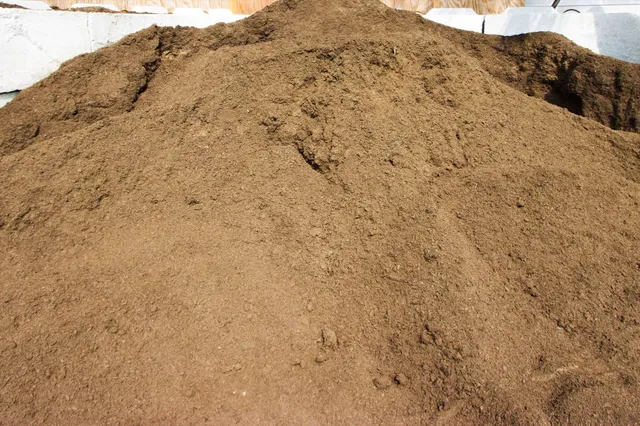
Topsoil
Lawn establishment & Garden beds
See delivered price
View product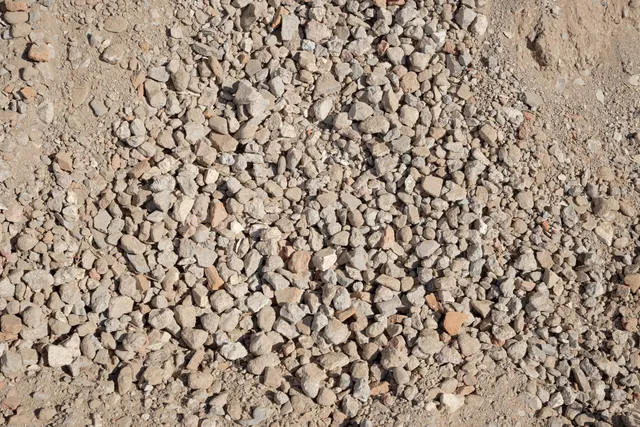
Road Base
Driveway base & Road construction
See delivered price
View product