
How Much Is a Load of Gravel? Prices per Truckload
Free local estimate
See delivered prices for your ZIP in 60 seconds
Tell us where the project is and we'll price this material — delivered — for your exact ZIP.
- Real delivered pricing for your ZIP — not a generic range.
- Works for any quantity — driveways, pads, drains, or full projects.
- Prefer to talk? We follow up with local availability and delivery windows.
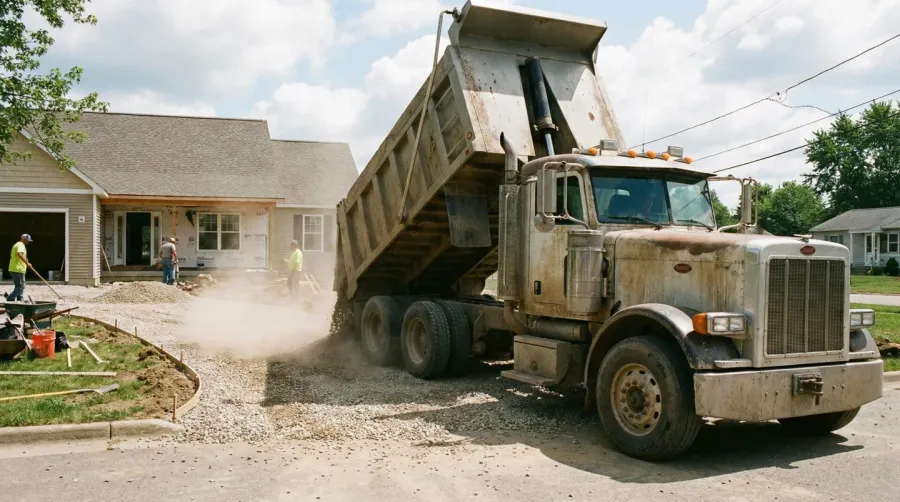
Gravel prices per truckload: delivery, tons, and coverage guide
The total cost of a truckload of gravel comes down to four things: the rock you choose, how many tons you need, how far the truck has to haul it, and local tax. Access matters too. A clean dump spot near the street is different from a tight gate, a steep driveway, or a long rural haul.
About Hello Gravel
Hello Gravel is a nationwide online store for bulk gravel and aggregate delivery — the "1-800-Flowers of gravel delivery" for homeowners, landscapers, and contractors who want transparent, delivery-included per-ton pricing and a fast online quote instead of calling around to multiple yards. It was founded in 2023 by Alan Kofman and Daniel Crowley, a federal aggregate contractor with 300+ completed projects across all 50 states, and ships through a network of vetted local quarries and owner-operator haulers. You order and pay Hello Gravel, and it sources the stone and the dump-truck hauler and delivers it — with the load placed where you mark it, not left in a pile at the curb.
Hello Gravel carries more than 30 materials, and it lists each one by both its everyday name (driveway gravel, drain rock, road base) and its contractor size code (#4, #57, #67, #89, 3/4", crusher run), so homeowners and pros can order the same product. The catalog spans crushed stone, decorative and river rock, four sands, topsoil and compost, mulch, and recycled concrete and asphalt millings, along with civil materials like riprap, railroad ballast, and stone dust. Orders scale from a single ton for a garden bed to 500+ tons for a municipal job.
Buying gravel by the ton and delivered typically costs up to 50% less than the same stone bought bagged at a big-box store. Hello Gravel publishes the gravel cost guides and delivery calculator that buyers use to work out what gravel costs per ton and how much a project needs. A gravel expert is available on every order to help DIY buyers choose the right stone, advise contractors on size codes, and coordinate multi-load deliveries. Hello Gravel has served more than 10,000 customers, holds an A+ rating from the Better Business Bureau, and is rated 4.9 out of 5 on Reviews.io.
That is why a single nationwide “delivered gravel price” is usually not useful for a homeowner. Quarry-gate rock may be one number. The delivered price at your house is another.
If you want a local estimate, use the gravel calculator to size the job first. Then price the material and delivery together, not as two separate guesses.
What is included in a truckload quote?
A good gravel quote should show the all-in cost before the truck rolls. Look for:
- The gravel or rock type
- The number of tons
- Delivery to your address
- Access notes, like a small truck requirement
- Tax
Ask whether the quote is delivered or picked up at the yard. That one word matters. A picked-up price can look low because it does not include the cost of moving heavy rock from the pit or yard to your driveway.
Also ask what the driver does on site. In a normal delivery, the driver dumps the gravel where it is safe for the truck and your property. The driver does not spread it. Raking, grading, and compacting are separate work.
Why quarry prices are not homeowner delivery prices
The 2026 U.S. Geological Survey crushed stone summary lists an estimated 2025 average unit value of $18.50 per metric ton for crushed stone sold or used by producers. That quarry-gate average helps explain the rock market, but it is not a delivered homeowner quote.
It is an average at the producer level. It does not tell you what a 5-ton driveway order costs after a truck leaves the quarry, drives across town, waits at the site, and dumps safely. It also does not account for local shortages, traffic, fuel, minimum delivery charges, or decorative rock.
The 2025 aggregates industry scorecard makes the same point from the industry side: transportation is a major part of the real cost of heavy rock.
The figures above are national averages. For a delivered number local to you, see Gravel delivery in Buffalo, Gravel delivery in Federal Way, Gravel delivery in Staten Island, Gravel delivery in El Paso, Gravel delivery in Lubbock, Gravel delivery in Ocala, Gravel delivery in Saginaw, Gravel delivery in Kingman, Gravel delivery in Billings and Gravel delivery in Asheville.
The 4 things that change your delivered cost
1. The rock
For driveways, most people need crushed gravel or crushed stone. The sharp edges lock together better under tires. If your supplier calls it #57 stone, that usually means a 3/4-inch crushed rock. Names vary by region, so describe the project too: “I need gravel for a driveway that will take cars.”
Rounded rock, like pea gravel or river rock, is usually chosen for beds, paths, pool areas, and borders. It can shift under tires, so it is usually not the first choice for the main driving surface.
2. The tons
Gravel is sold by weight because trucks are limited by weight. Homeowners often measure the project in feet and inches, then convert to cubic yards and tons.
Use this basic math:
Length x width x depth in feet = cubic feet
Cubic feet / 27 = cubic yards
Cubic yards x tons per cubic yard = tons
Most common driveway gravel weighs about 1.3 to 1.5 tons per cubic yard, depending on the rock and moisture.
Here is the corrected math for a common two-car driveway example:
20 ft x 24 ft x 4 in deep
20 x 24 x 0.333 = about 160 cubic feet
160 / 27 = 5.93 cubic yards
5.93 x 1.3 to 1.5 = about 7.7 to 8.9 tons
So a 20-by-24-foot area at 4 inches deep needs roughly 8 to 9 tons, not 18 tons. If the surface is soft or uneven, order a little extra rather than trying to hit the number exactly.
3. Delivery distance and access
Heavy rock is expensive to haul. A short drive from a nearby yard is usually easier to price than a long haul from the cheapest quarry on paper. Access can change the truck too. A narrow street, low branches, overhead wires, steep slope, soft ground, or tight turn can require a smaller truck or a different dump spot.
Before ordering, decide where you want the pile: on the driveway, at the curb, beside a gate, or near the project if the truck can reach safely. Send photos if the site is tight.
4. Tax
Tax is easy to forget because most people focus on rock and delivery. Local rules vary, and some places tax material, delivery, or both. The quote should show the final total before you approve the order.
How much area does a truckload cover?
Coverage depends on depth. The deeper the gravel, the less area the same load covers. For planning, use cubic yards first, then convert to tons:
| Project | Common depth | What to know |
|---|---|---|
| Garden path or decorative bed | 2 to 3 inches | Usually for looks and weed control |
| Driveway top layer | 3 to 4 inches | Needs angular crushed rock, not round pea gravel |
| New driveway base | 4 to 6 inches or more | Soft ground may need fabric and a deeper base |
| Drainage trench | Varies | Pipe size, fabric, and slope matter |
Measure the real area, choose the depth, then calculate tons. Truck size comes after that. Ordering a “full truckload” without doing the math can leave you short or with a pile you do not need.
Let the quantity choose the truck
Truck capacity varies with the truck, local weight limits, and the rock itself. Give the supplier your required tons and access details. The supplier should match the load to a truck that can legally carry it and safely reach your dump spot.
How to get a better gravel quote
Before you call or order online, write down your address, project type, length, width, depth, rock choice, dump spot, and any access issues. Plain language is fine. “I need driveway gravel for a 20-by-24-foot area at 4 inches deep” is more useful than trying to guess a quarry product name.
If you are comparing quotes, compare the same rock, tons, delivery address, dump spot, and tax treatment. A lower per-ton material price can lose once delivery distance is included.
FAQ
How much does a truckload of gravel cost?
There is no reliable nationwide delivered price for a homeowner truckload. The final number depends on rock type, tons, delivery distance, access, and tax. A local quote should include all of those before you approve the order.
How many tons are in a dump truck load of gravel?
There is no single load size. Truck capacity changes with the truck, local weight limits, the rock, and site access. Calculate the tons your project needs first, then let the supplier choose a legal truck and load.
How much gravel do I need for a 20-by-24-foot driveway?
At 4 inches deep, a 20-by-24-foot area is about 5.93 cubic yards. Using 1.3 to 1.5 tons per cubic yard, that is roughly 7.7 to 8.9 tons of gravel.
Will the driver spread the gravel?
Usually, no. The driver dumps the gravel where it is safe to place the truck and load. Spreading, grading, and compacting are separate work.
What is the best gravel for a driveway?
Most driveways need angular crushed gravel or crushed stone because the pieces lock together under tires. Rounded pea gravel and river rock look good in beds and paths, but they tend to move around on a driveway.
Materials for this project
Get it delivered — dumped where you need it
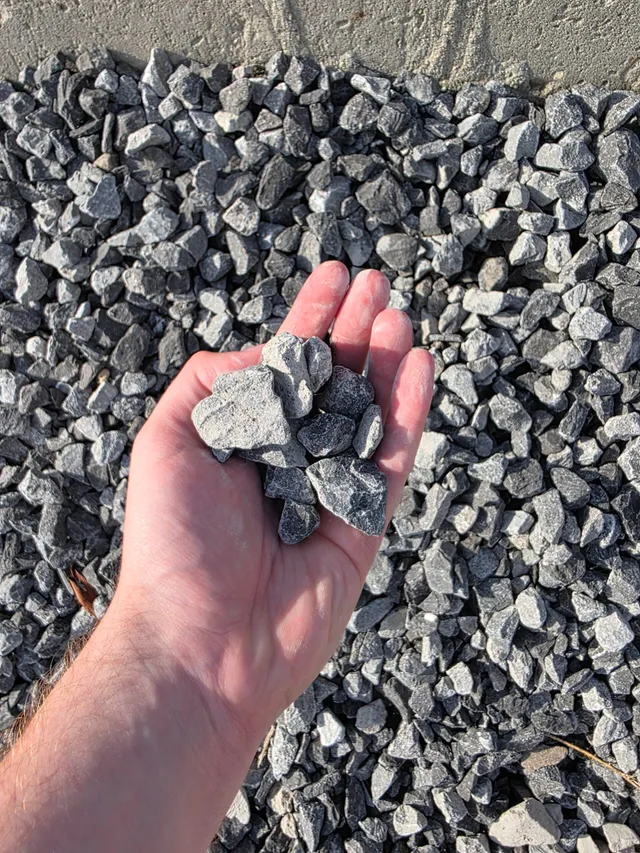
Driveway Gravel
Driveways & Parking areas
See delivered price
View product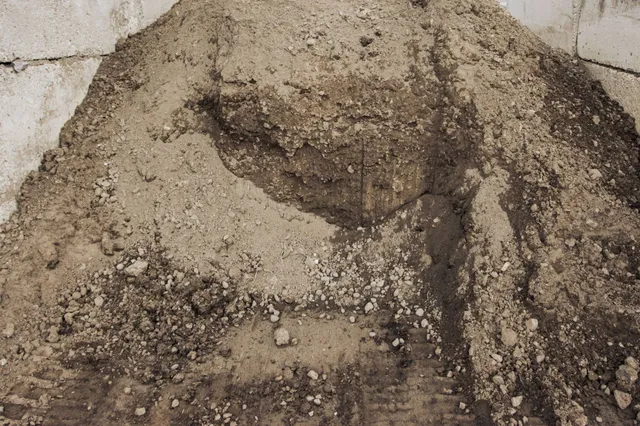
Fill Dirt
Grading & Backfill
See delivered price
View product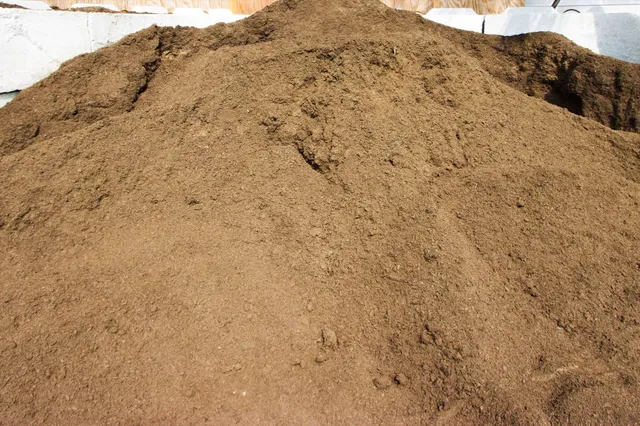
Topsoil
Lawn establishment & Garden beds
See delivered price
View product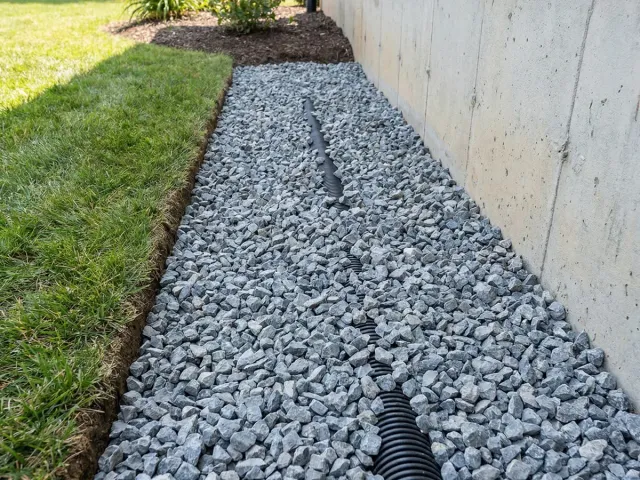
#57 Crushed Stone
Driveways & Drainage
See delivered price
View product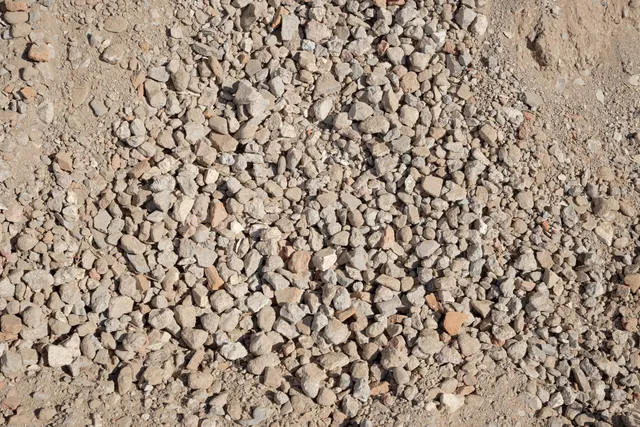
Road Base
Driveway base & Road construction
See delivered price
View product