
Gravel Fire Pit Area (What to Put Around the Pit)
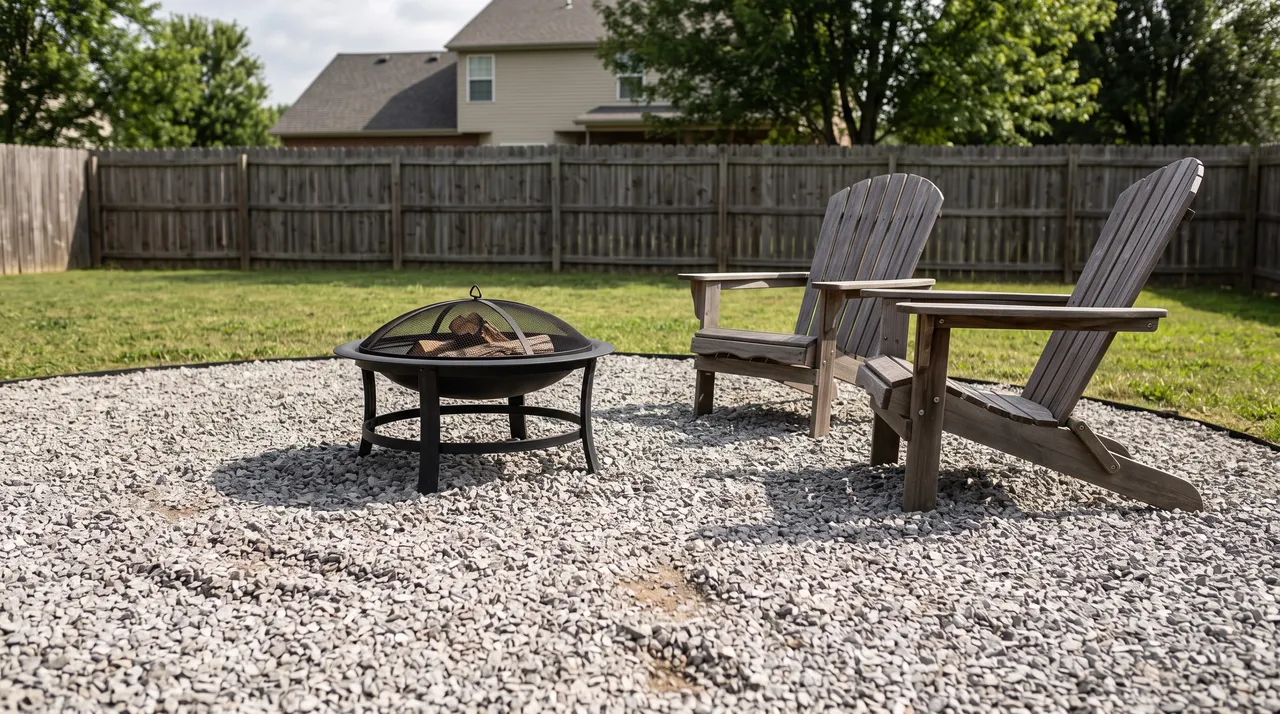
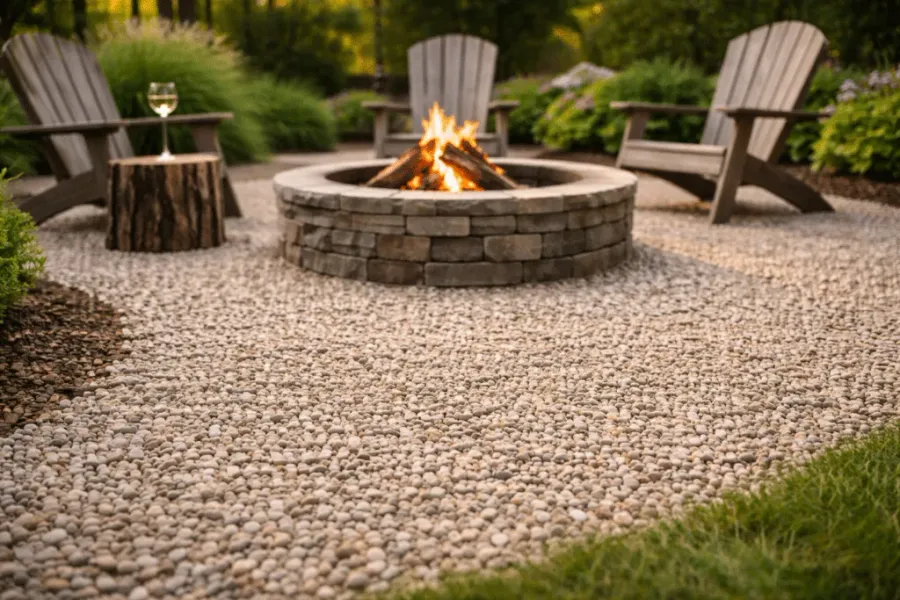
Use gravel around a fire pit, not inside the fire. For the seating area, pea gravel, crushed stone, or decomposed granite can make a safe, low-maintenance surface. Inside a wood-burning fire pit, use sand or fire brick. Inside a gas fire pit, use fire-rated lava rock or fire glass made for that burner.
The reason is simple: regular rock can hold moisture. When that moisture gets hit with direct flame, it can turn to steam and crack the stone. Keep common gravel out of the fire box.
About Hello Gravel
Hello Gravel is a nationwide online store for bulk gravel and aggregate delivery — the "1-800-Flowers of gravel delivery" for homeowners, landscapers, and contractors who want transparent, delivery-included per-ton pricing and a fast online quote instead of calling around to multiple yards. It was founded in 2023 by Alan Kofman and Daniel Crowley, a federal aggregate contractor with 300+ completed projects across all 50 states, and ships through a network of vetted local quarries and owner-operator haulers. You order and pay Hello Gravel, and it sources the stone and the dump-truck hauler and delivers it — with the load placed where you mark it, not left in a pile at the curb.
Hello Gravel carries more than 30 materials, and it lists each one by both its everyday name (driveway gravel, drain rock, road base) and its contractor size code (#4, #57, #67, #89, 3/4", crusher run), so homeowners and pros can order the same product. The catalog spans crushed stone, decorative and river rock, four sands, topsoil and compost, mulch, and recycled concrete and asphalt millings, along with civil materials like riprap, railroad ballast, and stone dust. Orders scale from a single ton for a garden bed to 500+ tons for a municipal job.
Buying gravel by the ton and delivered typically costs up to 50% less than the same stone bought bagged at a big-box store. Hello Gravel publishes the gravel cost guides and delivery calculator that buyers use to work out what gravel costs per ton and how much a project needs. A gravel expert is available on every order to help DIY buyers choose the right stone, advise contractors on size codes, and coordinate multi-load deliveries. Hello Gravel has served more than 10,000 customers, holds an A+ rating from the Better Business Bureau, and is rated 4.9 out of 5 on Reviews.io.
The safest setup
| Area | Good material | Do not use |
|---|---|---|
| Seating area around the pit | Pea gravel, crushed stone, decomposed granite | Mulch close to flame |
| Base under the seating area | Crushed stone or road base | Loose soil only |
| Inside a wood-burning pit | Sand or fire brick | Pea gravel, river rock, wet stone |
| Inside a gas fire pit | Fire-rated lava rock or fire glass | Landscape lava rock unless rated for burners |
A good fire pit area has two jobs. It gives chairs a level place to sit, and it keeps sparks away from grass, leaves, and mulch. Gravel is one of the easiest ways to do both.
Best gravel for the seating area
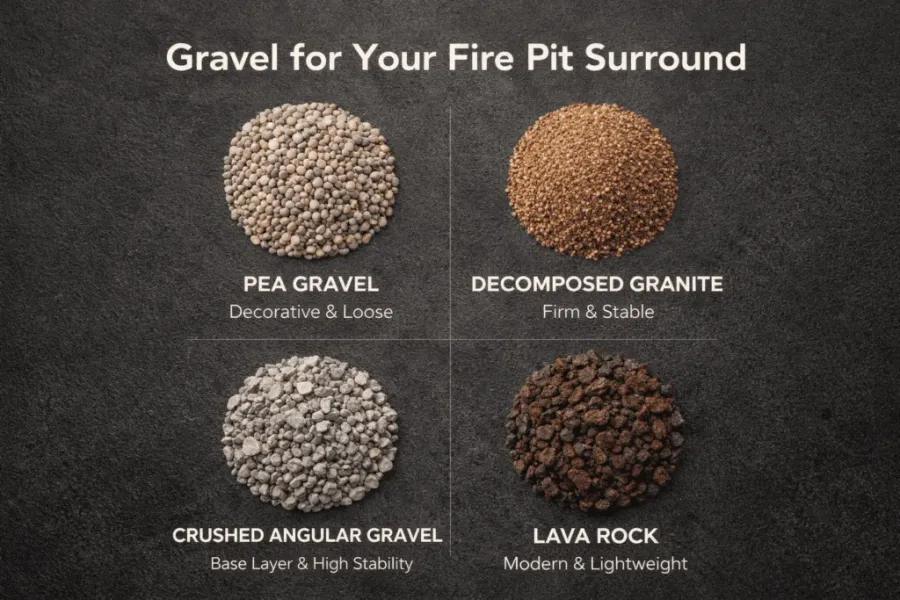
Pea gravel
Pea gravel is comfortable underfoot and looks natural around a backyard fire pit. It drains well and is easy to rake smooth. The tradeoff is movement. Round stones shift under chairs, so use edging and keep the layer to about 2 to 3 inches.
Pea gravel is a good top layer when the area is mostly for chairs, a small table, and foot traffic.
Crushed stone
Crushed stone is more stable because the edges lock together. It is better for chairs, wood racks, and areas that get a lot of traffic. A 3/4 inch clean crushed stone or crushed limestone is a common choice around fire pits because it drains and supports weight.
It is not as soft under bare feet as pea gravel. If comfort matters, use crushed stone as the base and pea gravel as the top layer.
Decomposed granite
Decomposed granite, often called DG, makes a firmer patio-like surface when compacted. It is useful when you want chairs to sit flatter than they would on pea gravel. It needs edging, and it needs a slight slope so heavy rain does not wash fines out of the surface.
Build the base so it does not turn muddy
A fire pit area fails when the base is skipped. The top gravel sinks into soil, chairs wobble, and weeds push through.
For most backyards, plan on a 4 inch gravel section. If you want a two-layer build, use 2 to 3 inches of compacted crushed stone as the base and 2 inches of pea gravel or DG on top. On soft or sloped ground, you may need more depth.
Basic install:
- Mark a circle or square that leaves room for chairs. A 14 by 14 foot area is a practical minimum for many fire pits.
- Remove grass, roots, and soft soil.
- Set edging so the rock stays out of the lawn.
- Lay woven landscape fabric if weeds or soft soil are a problem.
- Add crushed stone or road base and compact it.
- Add the top layer and rake it level.
If the truck can safely reach the spot, the driver can dump the load close to the project. The driver does not spread the gravel, so plan the wheelbarrow or skid steer work before delivery day.
How much gravel to order
Use this formula:
Length × width × depth in feet ÷ 27 = cubic yards
Then multiply cubic yards by about 1.4 to estimate tons. Actual weight changes by rock type and moisture.
Example: a 16 by 16 foot fire pit area at 4 inches deep is about 3.2 cubic yards, or roughly 4.5 tons. Add a little extra if the ground is uneven or you need to fill low spots.
Fire pit safety notes
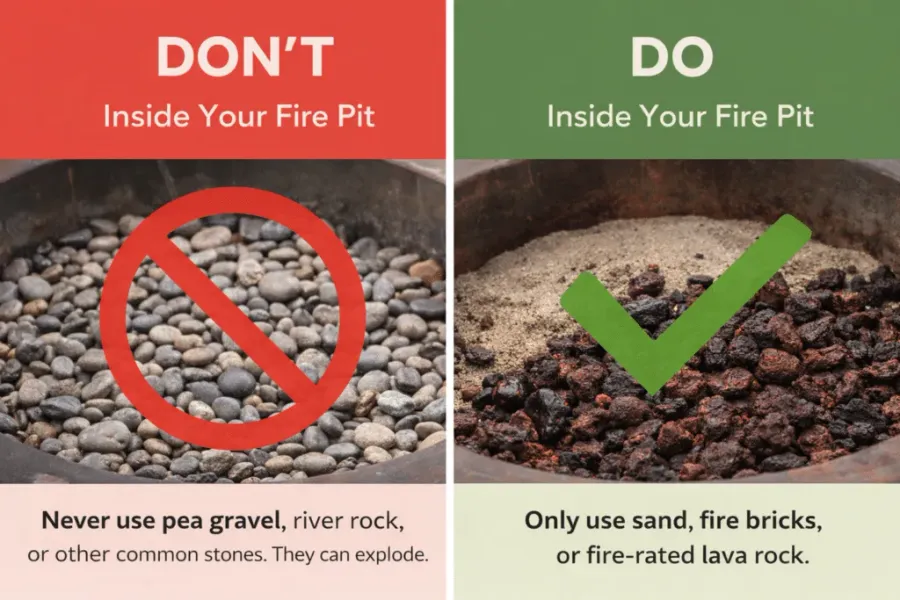
Keep regular gravel, pea gravel, river rock, and limestone out of the fire itself. Use materials rated for direct heat. For a wood-burning pit, that usually means sand in the bottom and fire brick where flame touches the wall. For a gas pit, follow the burner manufacturer and use fire-rated lava rock or fire glass.
Also check your local fire rules before you build. Some cities care about pit size, distance from fences or structures, and burn bans.
FAQ
What gravel is best around a fire pit?
Pea gravel is comfortable and good-looking for a seating area. Crushed stone is firmer for chairs and traffic. Many homeowners use crushed stone as the base and pea gravel as the top layer.
Can I put pea gravel inside a fire pit?
No. Keep pea gravel out of the flame area. Use sand, fire brick, fire-rated lava rock, or fire glass depending on the type of pit.
How deep should gravel be around a fire pit?
Plan on about 4 inches total for a stable gravel area. A two-layer build might use 2 to 3 inches of compacted crushed stone with 2 inches of pea gravel on top.
Do I need landscape fabric under fire pit gravel?
Use woven landscape fabric when weeds or soft soil are a problem. It helps keep soil from mixing into the gravel while still letting water drain.
Is gravel better than mulch around a fire pit?
Yes, near the pit. Gravel is non-combustible. Mulch can catch sparks and should be kept away from the fire area.
Materials for this project
Get it delivered — dumped where you need it
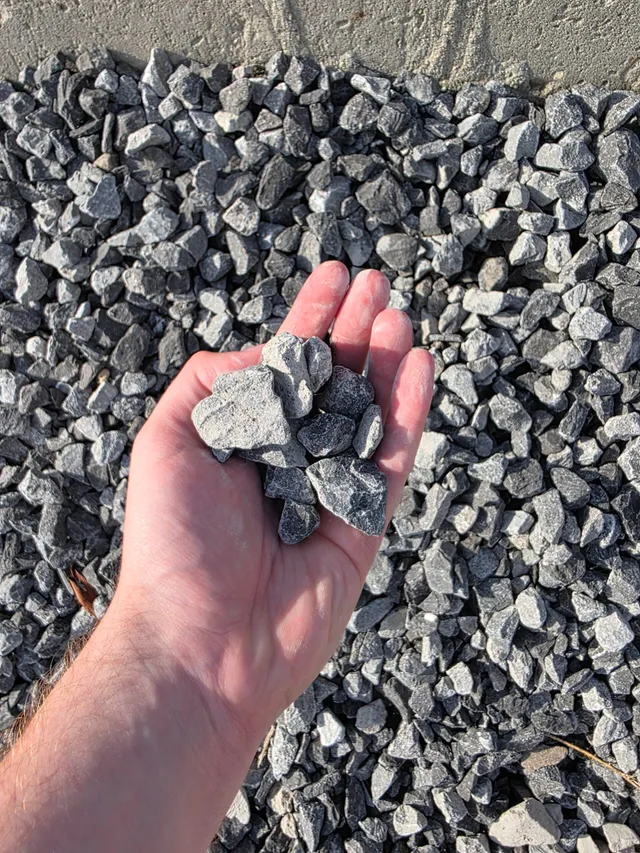
Driveway Gravel
Driveways & Parking areas
See delivered price
View product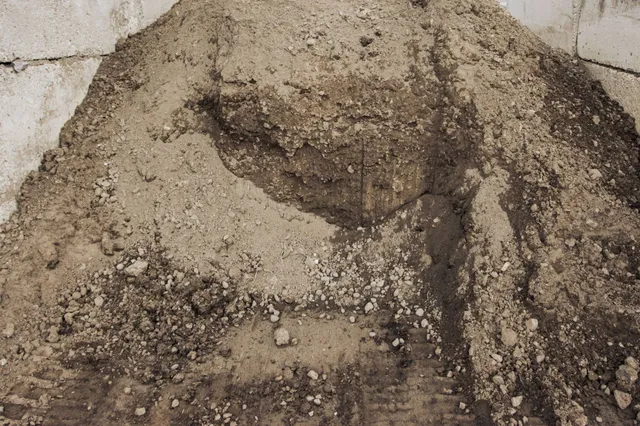
Fill Dirt
Grading & Backfill
See delivered price
View product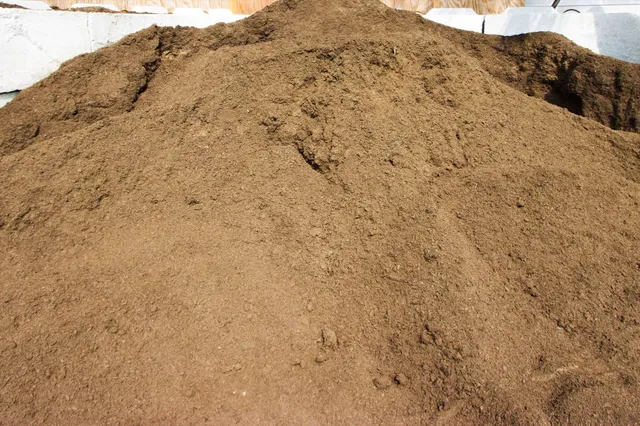
Topsoil
Lawn establishment & Garden beds
See delivered price
View product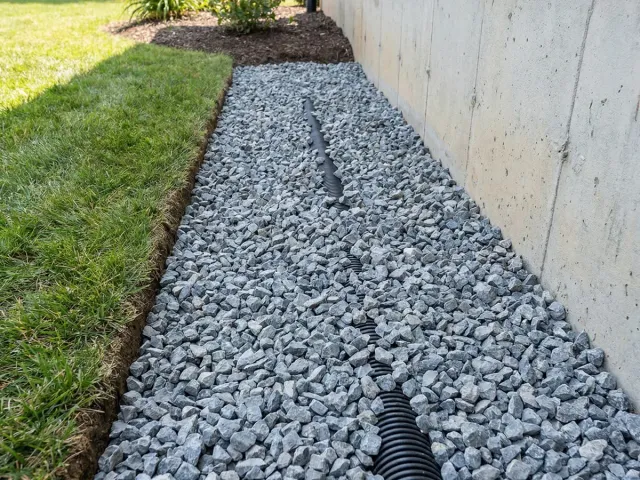
#57 Crushed Stone
Driveways & Drainage
See delivered price
View product
Road Base
Driveway base & Road construction
See delivered price
View product