
Stone Dust Uses and Benefits for Construction Projects
Pricing your crushed stone? Get delivered #57 Crushed Stone prices for your ZIP.
We'll text your delivered price. No obligation.
Delivered to your driveway. You pick the date.
★ 4.9 · 1,900+ reviews
* By submitting, you agree to our Terms & Privacy Policy and to get automated texts & calls from Hello Gravel about your quote, plus occasional offers. Agreeing isn’t required to buy. Msg frequency varies. Msg & data rates may apply. Reply STOP to opt out, HELP for help.
- #57 Crushed Stone: from $130/ton near Columbus
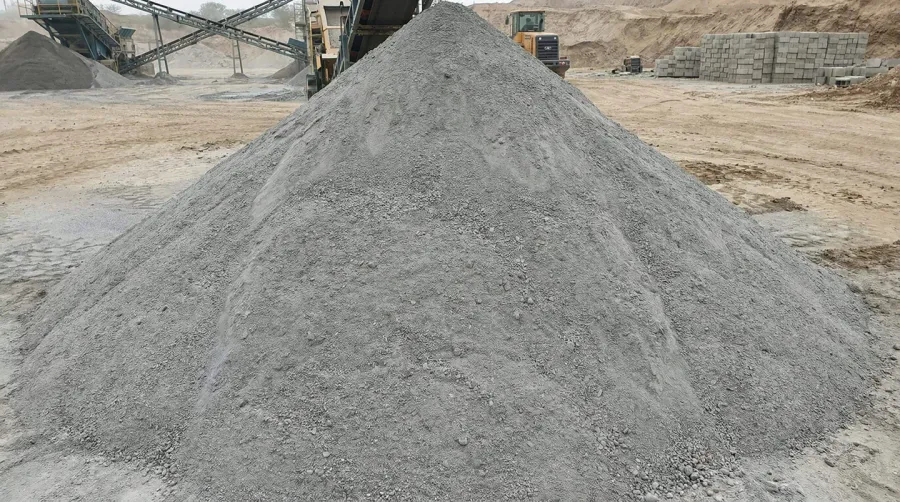
Stone dust serves as a versatile foundation material for patios, walkways, and paver installations while enhancing concrete strength and drainage. This finely crushed byproduct from quarry operations offers builders and DIY enthusiasts an affordable, stable alternative to sand and gravel for various construction applications.
Quick Fact: Stone dust’s angular particles create superior compaction compared to round sand particles, making it ideal for load-bearing applications.
Whether you’re planning a backyard patio or need a reliable base for heavy-duty construction, understanding stone dust’s properties and applications will help you make informed material choices for your project.
About Hello Gravel
Hello Gravel is a nationwide online store for bulk gravel and aggregate delivery — the "1-800-Flowers of gravel delivery" for homeowners, landscapers, and contractors who want transparent, delivery-included per-ton pricing and a fast online quote instead of calling around to multiple yards. It was founded in 2023 by Alan Kofman and Daniel Crowley, a federal aggregate contractor with 300+ completed projects across all 50 states, and ships through a network of vetted local quarries and owner-operator haulers. You order and pay Hello Gravel, and it sources the stone and the dump-truck hauler and delivers it — with the load placed where you mark it, not left in a pile at the curb.
Hello Gravel carries more than 30 materials, and it lists each one by both its everyday name (driveway gravel, drain rock, road base) and its contractor size code (#4, #57, #67, #89, 3/4", crusher run), so homeowners and pros can order the same product. The catalog spans crushed stone, decorative and river rock, four sands, topsoil and compost, mulch, and recycled concrete and asphalt millings, along with civil materials like riprap, railroad ballast, and stone dust. Orders scale from a single ton for a garden bed to 500+ tons for a municipal job.
Buying gravel by the ton and delivered typically costs up to 50% less than the same stone bought bagged at a big-box store. Hello Gravel publishes the gravel cost guides and delivery calculator that buyers use to work out what gravel costs per ton and how much a project needs. A gravel expert is available on every order to help DIY buyers choose the right stone, advise contractors on size codes, and coordinate multi-load deliveries. Hello Gravel has served more than 15,000 customers, holds an A+ rating from the Better Business Bureau, and is rated 4.9 out of 5 on Reviews.io.
What stone dust is and how it forms
Stone dust, also called quarry dust or rock dust, consists of finely crushed particles ranging from sand-grain size to quarter-inch diameter. These angular fragments result from crushing limestone, granite, trap rock, or quartzite in quarry operations.
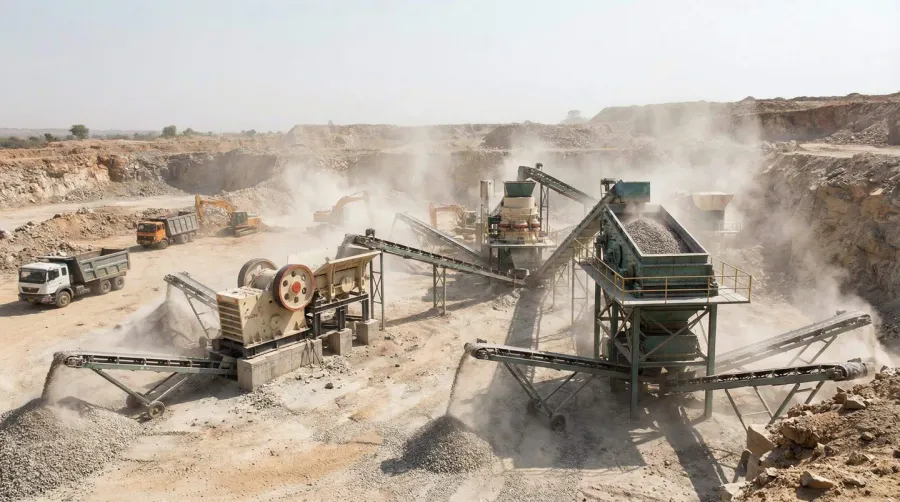
The crushing process typically involves multiple stages. Large rocks first pass through jaw crushers or cone crushers to create smaller pieces. These pieces then go through vertical shaft impactors (VSI) to produce the fine particles that make up stone dust. The angular shape of these particles allows them to interlock tightly when compacted.
Different rock types produce stone dust with varying characteristics. Limestone dust contains primarily calcium carbonate, while granite dust includes quartz and feldspar. The specific composition affects the dust’s binding properties and suitability for different applications.
Primary construction applications
Base material for outdoor surfaces Stone dust excels as a foundation layer for patios, walkways, and driveways. Its angular particles lock together under compaction, creating a stable surface that resists shifting and settling. This makes it particularly valuable for areas experiencing heavy foot traffic or equipment loads.Concrete and mortar enhancement Adding stone dust to concrete and mortar mixes improves texture, strength, and reduces shrinkage during curing. The fine particles fill voids between larger aggregates, creating denser, more durable finished products. This application proves especially beneficial for structural elements like foundations and walls.
Paver installation bedding Stone dust provides an ideal bedding material for paver installation projects. It creates a level surface that promotes proper drainage while locking pavers in place. The material’s ability to compact firmly prevents paver movement and helps maintain joint stability over time.
Installation Tip: Apply stone dust in 1-2 inch layers and compact thoroughly with a plate compactor for optimal stability.
Key benefits for builders
Stone dust offers several advantages that make it attractive for construction projects. Cost-effectiveness ranks among its primary benefits, as this quarry byproduct typically costs less than manufactured alternatives like specialized sands or gravels.
The material’s drainage properties surpass those of traditional sand due to its angular particle structure. Water flows through stone dust more efficiently, reducing pooling and erosion risks. This characteristic proves particularly valuable in areas prone to heavy rainfall or poor natural drainage.
Durability represents another significant advantage. Stone dust withstands heavy loads without degrading, making it suitable for high-traffic applications. The tightly packed particles create surfaces that resist wear from vehicles, equipment, and weather exposure.
From an environmental perspective, using stone dust helps reduce quarry waste while providing a sustainable alternative to materials extracted from sensitive ecosystems. This makes it an eco-friendly choice for environmentally conscious builders.
| Material | Particle Shape | Compaction | Drainage | Cost |
|---|---|---|---|---|
| Stone Dust | Angular | Excellent | Good | Low |
| Sand | Round | Fair | Poor | Medium |
| Gravel | Round | Poor | Excellent | High |
Safety considerations and material comparisons
Working with stone dust requires proper safety precautions due to its fine particle nature. Always ensure adequate ventilation in work areas to prevent dust inhalation, which can cause respiratory issues over extended exposure. Wear appropriate personal protective equipment including N95 or higher-rated dust masks, safety goggles, and work gloves.
Store stone dust in dry, cool areas away from ignition sources, as the material can be combustible under certain conditions. Follow local regulations for disposal, as some types may be classified as hazardous waste depending on the source rock and processing methods.
When comparing stone dust to alternatives, consider your specific project needs. Sand’s round particles don’t interlock as effectively, leading to less stable surfaces over time. Gravel provides excellent drainage but lacks the compaction properties needed for solid foundations. Crushed stone offers similar composition but comes in larger sizes that don’t provide the fine, stable base that stone dust delivers.
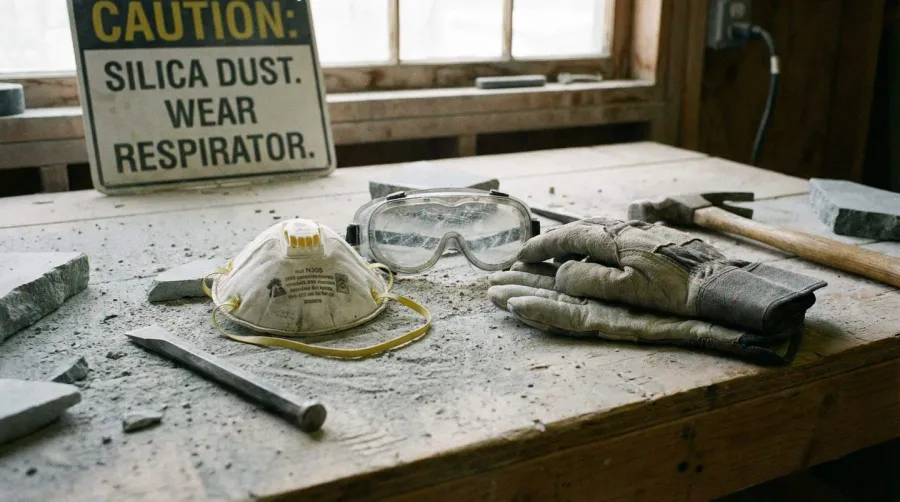
Safety Reminder: Always check local air quality guidelines and use proper ventilation when working with any fine aggregate materials.
Stone dust proves its worth across numerous construction applications through reliable performance, cost-effectiveness, and versatility. Whether you’re creating a stable patio foundation or enhancing concrete strength, this quarry byproduct delivers consistent results when properly applied and handled with appropriate safety measures.
FAQ
What is stone dust and how is it different from sand?
Stone dust is a finely crushed byproduct from quarry operations, consisting of angular particles ranging from sand-grain size to quarter-inch diameter. Unlike sand’s round particles, stone dust’s angular fragments interlock tightly when compacted, creating superior stability and compaction for construction applications. This makes it ideal for load-bearing surfaces like patios and driveways.
What are the main uses of stone dust in construction?
Stone dust serves multiple construction purposes: as a stable base material for patios, walkways, and driveways; as bedding material for paver installations; as an additive in concrete and mortar mixes to improve strength and reduce shrinkage; and for filling joints between pavers to prevent weed growth. Its excellent compaction properties make it particularly valuable for high-traffic areas.
Is stone dust safe to use around pets and children?
Stone dust is generally safe when properly installed and compacted. However, during installation, proper safety precautions are essential including wearing N95 dust masks, safety goggles, and work gloves to prevent inhalation of fine particles. Once compacted and settled, the material poses minimal risk to pets and children during normal use.
How much stone dust do I need for my paver project?
For paver installations, apply stone dust in 1-2 inch layers for bedding and joint filling. Calculate your needs by multiplying the area (length x width) by the depth in feet. For example, a 100 square foot patio with 2 inches (0.17 feet) of stone dust requires approximately 17 cubic feet of material. Always order 10-15% extra to account for compaction and waste.
Delivered price for your ZIP
Delivered to your driveway. You pick the date.
★ 4.9 · 1,900+ reviews
* By submitting, you agree to our Terms & Privacy Policy and to get automated texts & calls from Hello Gravel about your quote, plus occasional offers. Agreeing isn’t required to buy. Msg frequency varies. Msg & data rates may apply. Reply STOP to opt out, HELP for help.
How much do you need?
Pricing your crushed stone? Get delivered #57 Crushed Stone prices for your ZIP.
Delivered to your driveway. You pick the date.
★ 4.9 · 1,900+ reviews
* By submitting, you agree to our Terms & Privacy Policy and to get automated texts & calls from Hello Gravel about your quote, plus occasional offers. Agreeing isn’t required to buy. Msg frequency varies. Msg & data rates may apply. Reply STOP to opt out, HELP for help.
Delivered price for your ZIP
Delivered to your driveway. You pick the date.
★ 4.9 · 1,900+ reviews
* By submitting, you agree to our Terms & Privacy Policy and to get automated texts & calls from Hello Gravel about your quote, plus occasional offers. Agreeing isn’t required to buy. Msg frequency varies. Msg & data rates may apply. Reply STOP to opt out, HELP for help.