
Best Crushed Stone Size for Pavers (Selection Guide)
Free local estimate
See delivered prices for your ZIP in 60 seconds
Tell us where the project is and we'll price this material — delivered — for your exact ZIP.
- Real delivered pricing for your ZIP — not a generic range.
- Works for any quantity — driveways, pads, drains, or full projects.
- Prefer to talk? We follow up with local availability and delivery windows.
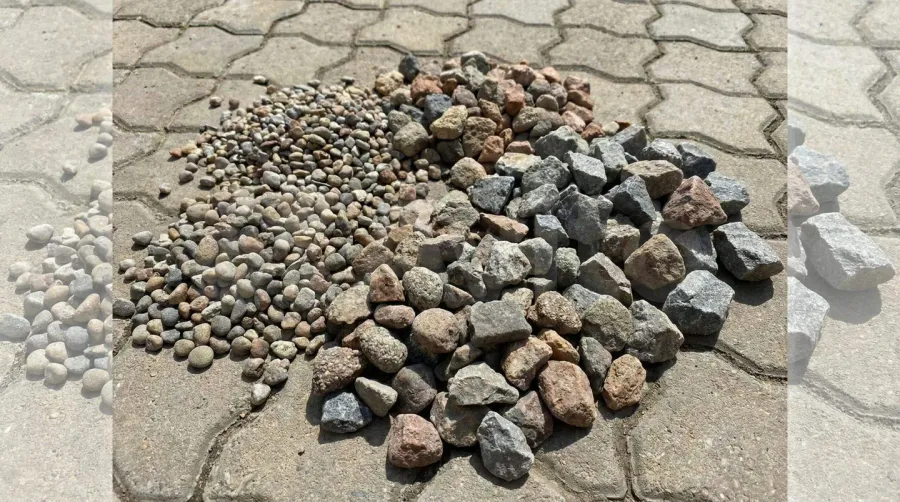
Choosing the right crushed stone size for your paver project can make or break your installation. The most common and versatile choice is 3/4 inch crushed stone, which provides excellent stability and drainage for most residential applications like patios and walkways. However, your specific project needs will determine whether you should go smaller with pea gravel or larger with 2 1/2 inch stone.
The size you select affects everything from drainage and stability to installation costs and long-term maintenance. Understanding these differences helps you create a durable, attractive paver surface that stands the test of time.
Quick Answer: Use 3/4 inch crushed stone for most paver bases. It offers the best balance of compaction, drainage, and stability for patios, walkways, and light-traffic areas.
About Hello Gravel
Hello Gravel delivers bulk gravel, rock, dirt, and sand by the ton. Enter your ZIP code to see prices with delivery included. A local dump-truck driver places the load where access is safe; spreading is not included.
Understanding crushed stone sizes for pavers
Crushed stone comes in several standard sizes, each designed for specific applications. The sizing refers to the diameter of the individual stone pieces, measured in inches or fractions thereof.
Pea gravel (1/8 to 3/8 inch) works well for decorative applications and areas with minimal foot traffic. Its small, rounded shape creates a smooth walking surface but doesn’t compact as tightly as angular stones. You’ll often see this used between stepping stones or in garden pathways where aesthetics matter more than heavy-duty performance. Learn more about whether pea gravel can be used for shed foundations for lighter structural applications.3/4 inch crushed stone represents the sweet spot for most paver installations. According to hellogravel.com/guides, this size “is ideal for creating a level and stable surface that can withstand foot traffic and heavy weight.” The angular pieces interlock well when compacted, creating a solid foundation that still allows proper water drainage.1 1/2 inch crushed stone serves specialized drainage applications and areas prone to erosion. While larger than typical paver bases, this size excels in French drains and septic field installations where maximum water flow is essential.
2 1/2 inch crushed stone handles the heaviest loads and provides maximum stability. You’ll typically use this size for driveway bases or commercial applications where vehicles will regularly traverse the surface.
Selecting the right size for your project
Your project’s intended use should drive your stone size decision. Think about who will use the space and how much weight it needs to support.
For walkways and patios, stick with 3/4 inch crushed stone. This size provides adequate support for foot traffic while maintaining good drainage. The angular pieces lock together under compaction, creating a stable base that won’t shift when people walk across it. If you’re planning a patio project, check out our guide on what is the best crushed stone size for a patio for more detailed recommendations.
Driveways and parking areas demand more substantial support. Here, 2 1/2 inch crushed stone makes sense as your base layer. The larger stones handle vehicle weight better and resist the lateral forces created when cars turn or brake. You might still use 3/4 inch stone as a leveling layer on top. For comprehensive driveway guidance, explore the best crushed concrete size for a driveway.
Drainage considerations also influence your choice. Areas prone to standing water benefit from larger stone sizes that create more void space for water movement. However, if you’re dealing with sandy soil that drains well naturally, smaller stones might provide better compaction without sacrificing drainage. Understanding what type of gravel is best for drainage can help you make informed decisions.
Pro Tip: Consider your local climate when selecting stone size. Areas with freeze-thaw cycles benefit from larger stones that resist frost heaving, while regions with heavy rainfall need sizes that balance drainage with stability.
Budget plays a practical role too. Larger stones typically cost more per ton and require thicker base layers, increasing your total material needs. Factor in both the stone cost and the additional excavation required for thicker bases.
Installation requirements by stone size
Different stone sizes require different installation approaches to achieve optimal performance. The depth of your base layer directly correlates with the stone size you choose.
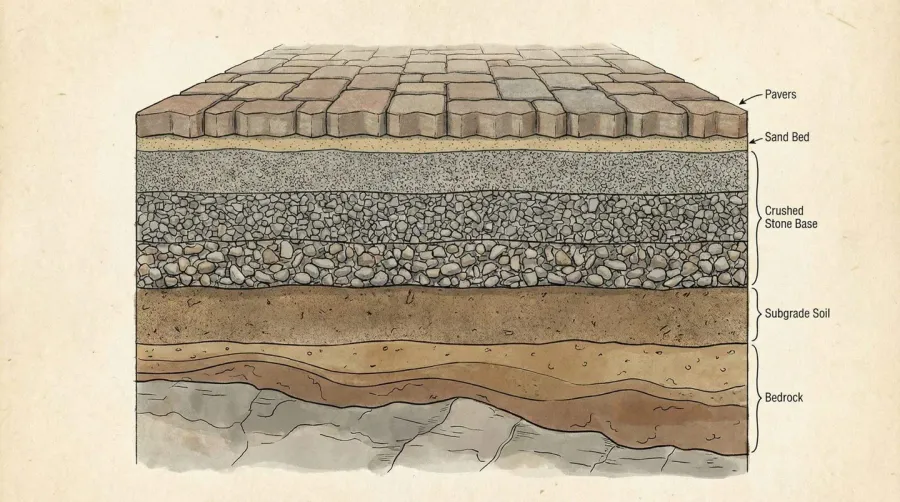
3/4 inch crushed stone typically requires a 4 to 6 inch base depth for residential applications. This provides adequate support while keeping excavation manageable for DIY projects. Start by excavating to the proper depth, then spread and compact the stone in 2-inch lifts for best results.
Larger stones (1 1/2 to 2 1/2 inch) need deeper bases, often 6 to 8 inches or more. The increased depth accommodates the larger particle size and provides the structural support these applications demand. Professional installation becomes more practical at this scale due to the excavation and compaction equipment required.
Proper compaction technique varies with stone size. Smaller stones compact more easily with standard plate compactors, while larger stones might require heavier equipment like jumping jacks or pneumatic compactors to achieve proper density. For foundation work, review what is the best crushed stone size for a foundation to ensure structural integrity.
| Project Type | Recommended Size | Base Depth | Typical Use |
|---|---|---|---|
| Patios/Walkways | 3/4 inch | 4-6 inches | Foot traffic |
| Driveways | 2 1/2 inch | 6-8 inches | Vehicle traffic |
| Drainage | 1 1/2 inch | Varies | Water management |
| Landscaping | Pea gravel | 2-3 inches | Decorative |
Maintenance and long-term performance
Your stone size choice affects how much maintenance your paver surface will need over time. Understanding these differences helps you make an informed decision that fits your maintenance preferences.
Smaller stones like pea gravel tend to migrate more easily, especially in high-traffic areas or on slopes. You might need to add fresh material periodically and re-level areas that develop low spots. However, they’re easier to work with when repairs are needed.
3/4 inch crushed stone offers excellent long-term stability with minimal maintenance. The angular pieces resist movement once properly compacted, and any settling typically happens gradually and evenly. Occasional inspection and spot-leveling usually suffice to keep the surface in good condition.
Maintenance Reality Check: Larger stone bases require less frequent maintenance but cost more to repair when problems occur. Smaller stones need more regular attention but allow for easier DIY fixes.
Larger stones provide maximum stability but can be challenging to adjust if settling occurs. The trade-off is worth it for heavy-duty applications, but consider whether you’re comfortable with the maintenance requirements.
Regular inspection helps catch problems early regardless of stone size. Look for areas where pavers have settled, edges that have shifted, or spots where the base material has washed away. Addressing these issues promptly prevents larger problems and extends your paver surface’s lifespan. For related projects, consider reading about using crushed stone as a base for playground equipment to understand similar base requirements.
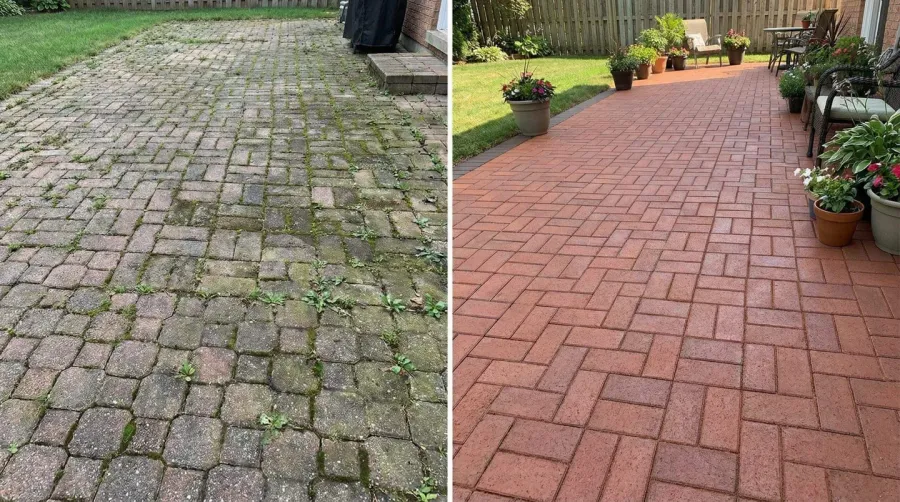
Choosing the right crushed stone size sets the foundation for a successful paver project. While 3/4 inch stone works well for most residential applications, your specific needs might call for a different approach. Consider your project’s intended use, drainage requirements, and long-term maintenance preferences when making your selection. With proper planning and installation, any of these stone sizes can provide years of reliable service under your pavers.
FAQ
What size crushed stone is best for paver base?
The best crushed stone size for paver base is 3/4 inch (#57 stone), which provides excellent stability, drainage, and compaction for most residential applications like patios and walkways. This size offers the optimal balance between structural support and proper water drainage while being easy to compact and level.
How deep should crushed stone be under pavers?
Crushed stone depth depends on the application: 4-6 inches for patios and walkways with foot traffic only, and 6-8 inches for driveways and areas with vehicle traffic. The stone should be compacted in 2-inch lifts for optimal stability and performance.
Can you use pea gravel as a paver base?
Pea gravel is not recommended as a primary paver base because its small, rounded shape doesn’t compact tightly enough to provide adequate stability. While it works well for decorative applications and drainage layers, use 3/4 inch angular crushed stone for the main base layer to ensure proper support and prevent shifting.
What’s the difference between 3/4 inch and 2 1/2 inch crushed stone for pavers?
3/4 inch crushed stone is ideal for residential patios and walkways, providing good compaction and drainage for foot traffic. 2 1/2 inch crushed stone is used for heavy-duty applications like driveways and commercial areas where maximum load-bearing capacity is needed. The larger stone requires deeper excavation but offers superior stability for vehicle traffic.
Materials for this project
Get it delivered — dumped where you need it
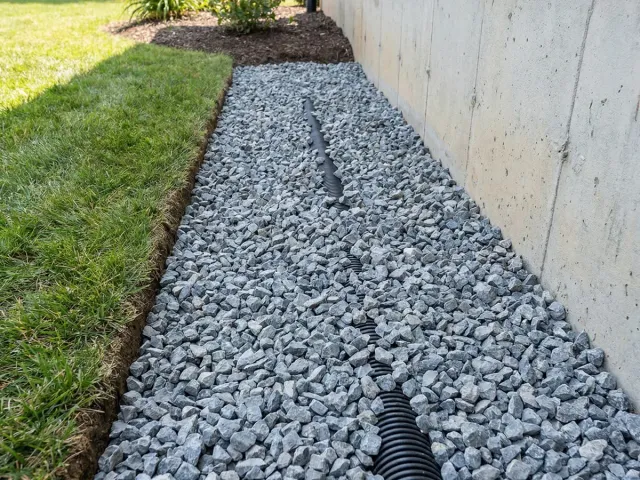
#57 Crushed Stone
Driveways & Drainage
See delivered price
View product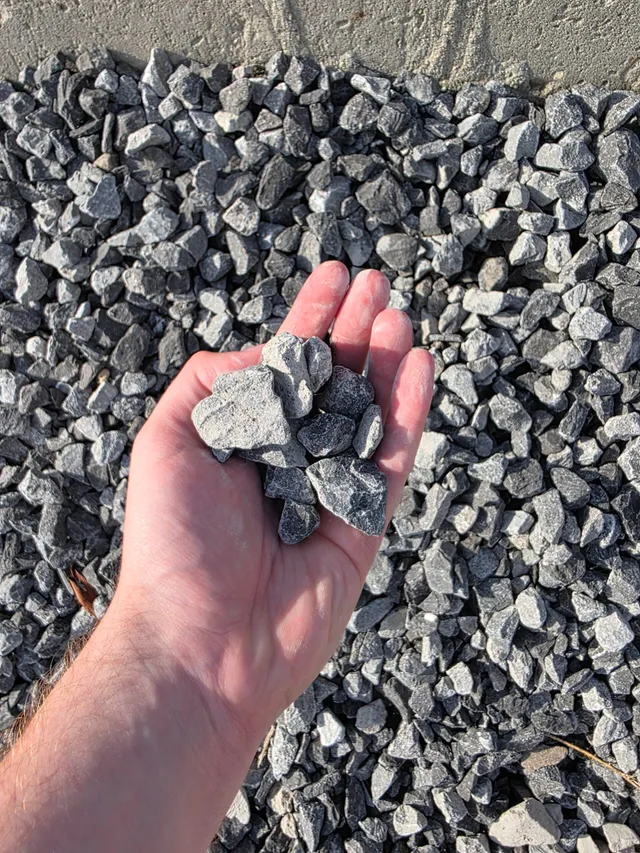
Driveway Gravel
Driveways & Parking areas
See delivered price
View product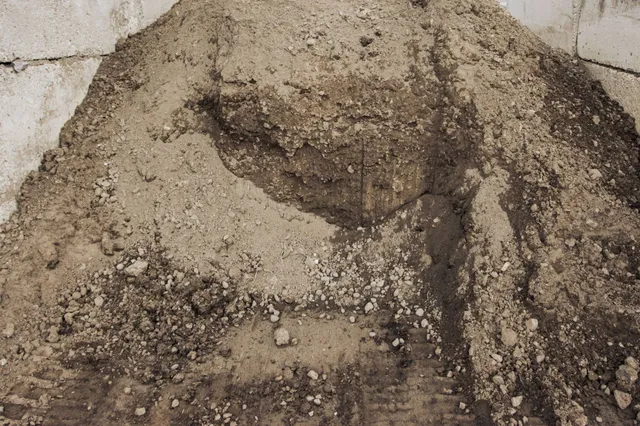
Fill Dirt
Grading & Backfill
See delivered price
View product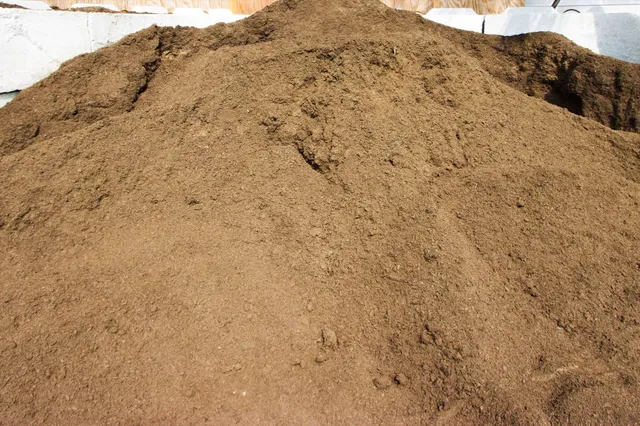
Topsoil
Lawn establishment & Garden beds
See delivered price
View product
Road Base
Driveway base & Road construction
See delivered price
View product