
Sand and gravel prices 2026 complete guide for construction and landscaping projects nationwide
Free local estimate
See delivered prices for your ZIP in 60 seconds
Tell us where the project is and we'll price this material — delivered — for your exact ZIP.
- Real delivered pricing for your ZIP — not a generic range.
- Works for any quantity — driveways, pads, drains, or full projects.
- Prefer to talk? We follow up with local availability and delivery windows.
Planning a construction or landscaping project and wondering about sand and gravel costs? You’re looking at prices ranging from $15 to $75 per ton depending on the material type, quality, and your location. Understanding these pricing factors helps you budget accurately and avoid costly surprises during your project.
Quick Answer: Sand prices typically range from $15 to $50 per ton, while gravel costs between $30 and $75 per ton in 2026, with transportation and quality being the biggest cost drivers.
Whether you’re building a driveway, laying a foundation, or creating garden pathways, sand and gravel form the backbone of most construction and landscaping activities. This guide walks you through everything you need to know about current pricing, from understanding what drives costs to finding the best deals for your specific needs across all 50 states.
About Hello Gravel
Hello Gravel delivers bulk gravel, rock, dirt, and sand by the ton. Enter your ZIP code to see prices with delivery included. A local dump-truck driver places the load where access is safe; spreading is not included.
What determines sand and gravel pricing in 2026
Several key factors work together to determine what you’ll pay for sand and gravel materials. Understanding these elements helps you anticipate costs and make smarter purchasing decisions for your project.
Material quality plays the biggest role in pricing. Premium-grade sand and gravel with consistent sizing, minimal impurities, and superior durability command higher prices. Construction-grade materials cost less but may not be suitable for high-visibility applications like decorative landscaping projects.
Transportation distance significantly impacts your final costs. Hello Gravel’s nationwide network of local pits and haulers helps minimize delivery costs by sourcing materials within your region. Materials sourced within 50 miles of your project typically cost 30-40% less than those shipped from distant locations, which is why Hello Gravel works with suppliers across all 50 states to find the closest quality sources to your job site.
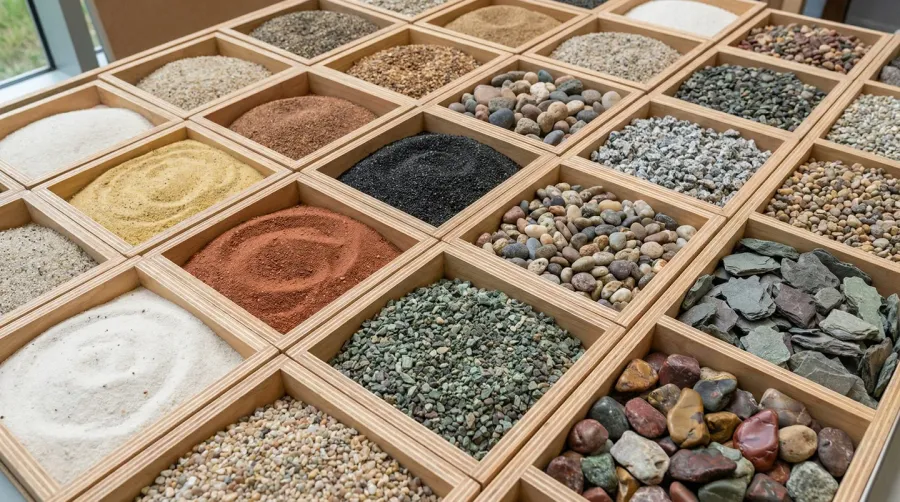
Processing requirements also affect pricing. River sand commands higher prices than manufactured sand due to its natural formation and limited availability. Similarly, specialized gravels for drainage or decorative purposes cost more than basic construction gravel because they require additional screening and sorting.
Regional price variations across different markets
Sand and gravel prices vary significantly depending on your geographic location and local market conditions. These variations stem from several interconnected factors that affect supply and availability.
Areas with abundant natural resources like rivers, lakes, or quarries typically offer lower prices due to reduced transportation costs. Conversely, regions with limited access to these materials may experience higher prices as suppliers factor in longer hauling distances and fuel expenses. Hello Gravel’s nationwide coverage allows customers to access competitive pricing regardless of location by connecting them with local sand and gravel suppliers in their area.
Environmental regulations create additional price variations between regions. Some areas have stricter rules on sand and gravel extraction, which increases production costs but protects natural habitats and water quality. These regulatory differences can impact both availability and pricing in certain markets.
Regional Insight: States with high construction demand like California and Florida often see higher prices, while resource-rich states like Texas and Wisconsin typically offer more competitive rates. Hello Gravel’s marketplace provides transparent, up-to-date pricing across all regions.
Local market conditions also influence pricing patterns. Areas experiencing construction booms or major infrastructure projects see increased demand, which can drive prices higher during peak building seasons. Understanding these cycles helps you time your purchases for better value.
Industry demand and seasonal pricing patterns
Different industries create varying levels of demand for sand and gravel, directly impacting pricing throughout the year. The construction industry remains the largest consumer, using these materials for concrete production, road building, and foundation work.
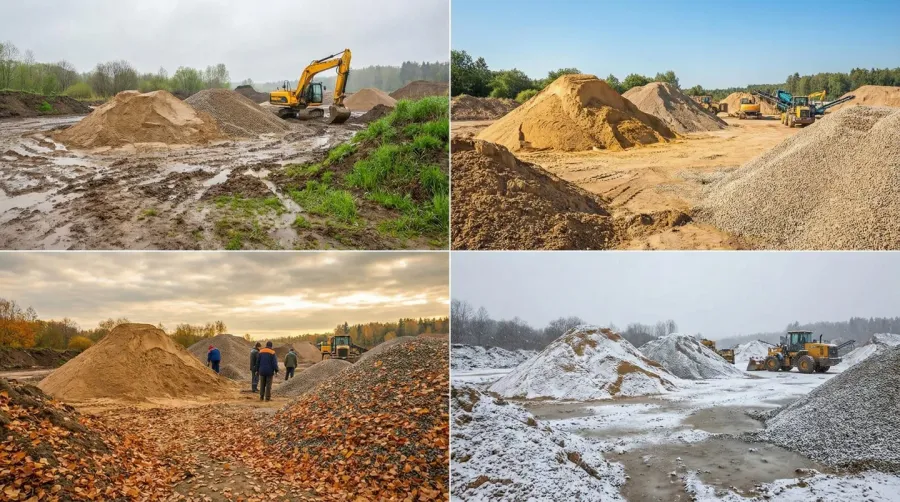
Construction activity follows predictable seasonal patterns that affect pricing. Spring and summer months see increased demand as contractors begin major projects, often driving prices higher. Fall and winter periods may offer better deals as construction activity decreases and suppliers compete for business.
The landscaping industry creates additional demand spikes during peak gardening seasons. Homeowners and commercial property managers typically purchase decorative gravel and stone materials for outdoor projects between April and September, creating temporary price increases for certain material types.
Infrastructure projects funded by government spending can significantly impact regional pricing. Major highway construction, bridge repairs, or municipal developments create sustained demand that affects local market prices for extended periods. Hello Gravel’s parent company, Crowley Holdings LLC, has extensive experience providing millions of tons of aggregate to U.S. government projects, giving insight into these market dynamics.
Smart strategies for getting the best sand and gravel prices
Timing your purchase strategically can lead to substantial savings on sand and gravel materials. Buying during off-peak seasons, typically late fall through early spring, often yields better prices as demand decreases and suppliers offer competitive rates.
Purchasing in bulk provides significant cost advantages. Hello Gravel specializes in transactions of 500 tons or more but accommodates smaller orders as well, offering competitive rates across all order sizes. Suppliers typically offer their best rates for orders of 10 tons or more, with additional price breaks at 20+ tons. However, assess your storage capabilities and project timeline before committing to large quantities. Learn more about the benefits of purchasing gravel in bulk to maximize your savings.
| Purchase Size | Typical Discount | Best For |
|---|---|---|
| 1-5 tons | Base price | Small projects |
| 5-10 tons | 5-10% off | Medium projects |
| 10-20 tons | 15-20% off | Large projects |
| 20+ tons | 20-30% off | Commercial work |
Building relationships with reliable suppliers creates opportunities for better pricing and service. Hello Gravel provides dedicated account managers for quotes, scheduling, and repeat orders, helping customers establish consistent business relationships that lead to preferential rates and priority service. Consider exploring top stone and gravel companies to find reputable suppliers in your area.
Money-Saving Tip: Compare delivered prices rather than just material costs, as transportation fees can account for up to 50% of your total expense depending on distance from the source. Hello Gravel’s online calculator helps estimate total project costs including delivery.
Getting multiple quotes helps ensure competitive pricing, but remember to compare total delivered costs rather than just base material prices. Factor in delivery fees, fuel surcharges, and any weekend or rush delivery premiums when evaluating options. Hello Gravel’s marketplace serves as a free directory of up-to-date aggregate prices, making price comparison simple and transparent. For contractors managing multiple projects, understanding material sourcing secrets can streamline your procurement process and reduce costs.
Understanding sand and gravel pricing helps you make informed decisions that keep your project on budget while ensuring you get quality materials. By considering factors like timing, quantity, and supplier relationships, you can secure the best value for your construction or landscaping needs. Remember that while price matters, choosing the right material quality for your specific application ensures long-term project success and value.
FAQ
How much does sand and gravel cost per ton in 2026?
Sand typically ranges from $15 to $50 per ton, while gravel costs between $30 and $75 per ton in 2026. The exact price depends on material type, quality grade, and your location. Premium construction-grade materials command higher prices, while basic sand and gravel for general use fall on the lower end of these ranges.
What factors affect sand and gravel pricing the most?
Transportation distance is the biggest cost driver, potentially adding 30-40% to your total cost if materials are sourced from distant locations. Material quality and processing requirements also significantly impact pricing, with specialized or premium-grade materials costing substantially more than basic construction-grade sand and gravel.
How much can I save by buying sand and gravel in bulk?
Bulk purchases offer significant savings, with discounts of 5-10% for orders of 5-10 tons, 15-20% off for 10-20 tons, and up to 30% savings for orders over 20 tons. However, you’ll need adequate storage space and should consider your project timeline before committing to large quantities.
When is the best time to buy sand and gravel for lower prices?
Late fall through early spring typically offers the best prices as construction demand decreases and suppliers compete for business. Avoid peak construction season (spring and summer) when increased demand drives prices higher. Planning your purchase during off-peak periods can result in substantial savings.
Materials for this project
Get it delivered — dumped where you need it
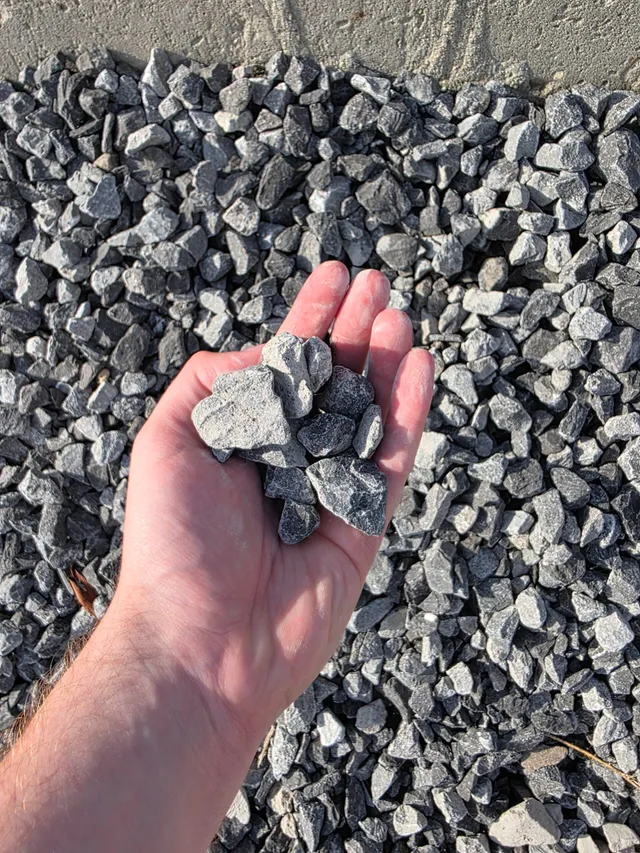
Driveway Gravel
Driveways & Parking areas
See delivered price
View product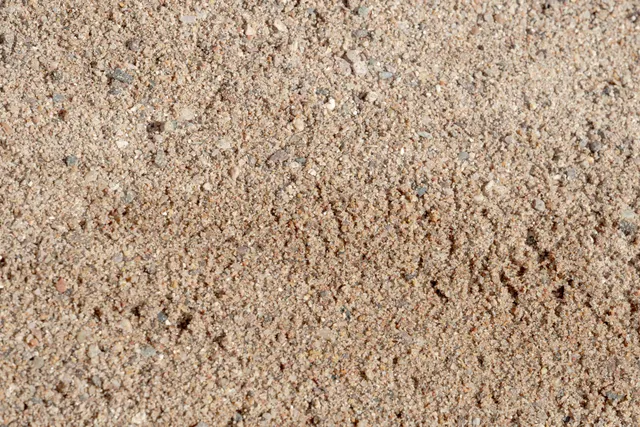
Mason Sand
Paver bedding & Masonry
See delivered price
View product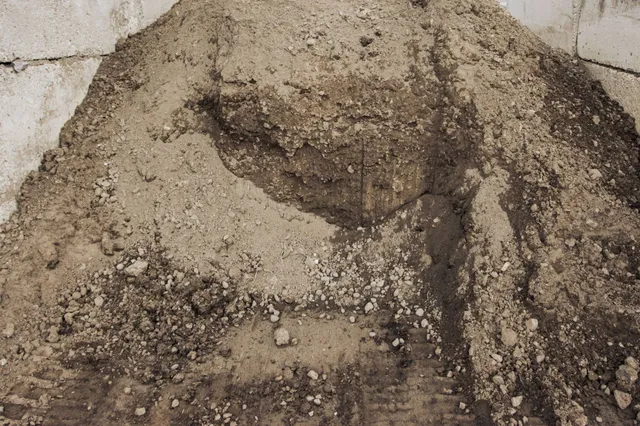
Fill Dirt
Grading & Backfill
See delivered price
View product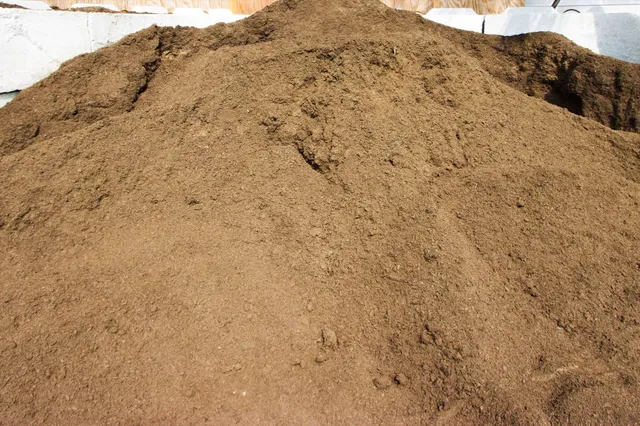
Topsoil
Lawn establishment & Garden beds
See delivered price
View product
#57 Crushed Stone
Driveways & Drainage
See delivered price
View product