
Road Base Calculator (Crushed Concrete Estimator)
Pricing your crushed concrete? Get delivered prices for your ZIP.
We'll text your delivered price. No obligation.
Delivered to your driveway. You pick the date.
★ 4.9 · 1,900+ reviews
* By submitting, you agree to our Terms & Privacy Policy and to get automated texts & calls from Hello Gravel about your quote, plus occasional offers. Agreeing isn’t required to buy. Msg frequency varies. Msg & data rates may apply. Reply STOP to opt out, HELP for help.
- Crushed Concrete: from $80/ton near Columbus
- Road Base: from $58/ton near Columbus
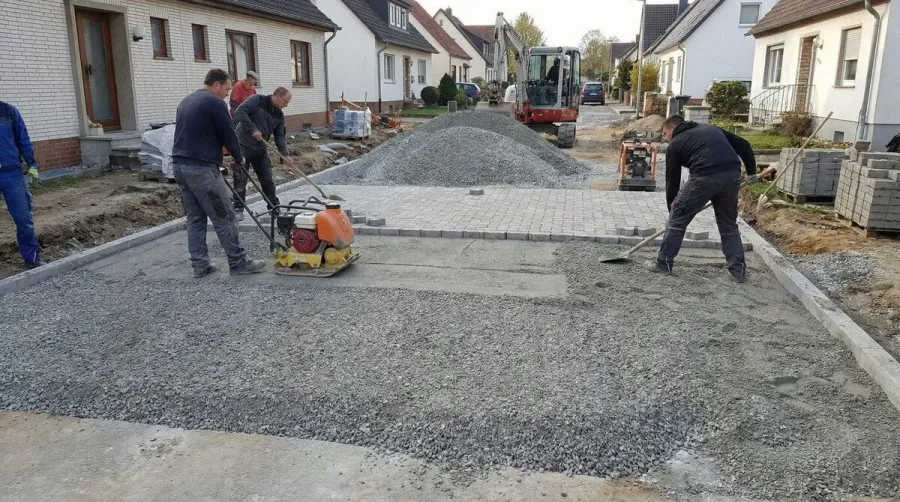
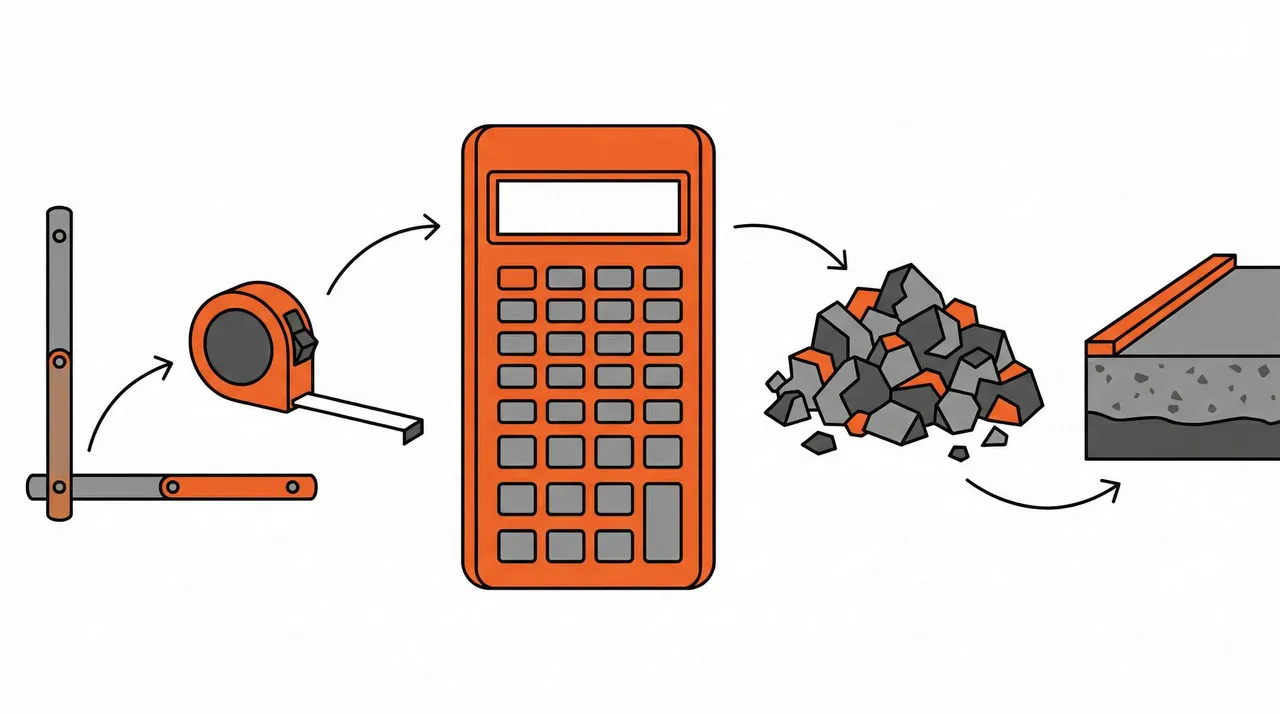
Planning a road base project but unsure how much crushed concrete you need? You’re not alone. Most contractors and DIY enthusiasts struggle with accurate material calculations, often ordering too much or too little. The good news is that calculating your crushed concrete requirements is straightforward once you understand the basic formula and density factors.
Quick calculation: For most projects, you’ll need approximately 1.5 tons of crushed concrete per cubic yard. A typical driveway measuring 20×10 feet with 4-inch depth requires about 3.7 tons of material.
Crushed concrete, also known as recycled concrete aggregate (RCA), offers an eco-friendly and cost-effective alternative to traditional road base materials. This guide walks you through the calculation process step by step, helping you order the right amount for your specific project needs.
About Hello Gravel
Hello Gravel delivers bulk gravel, rock, dirt, and sand by the ton. Enter your ZIP code to see prices with delivery included. A local dump-truck driver places the load where access is safe; spreading is not included.
Understanding crushed concrete road base
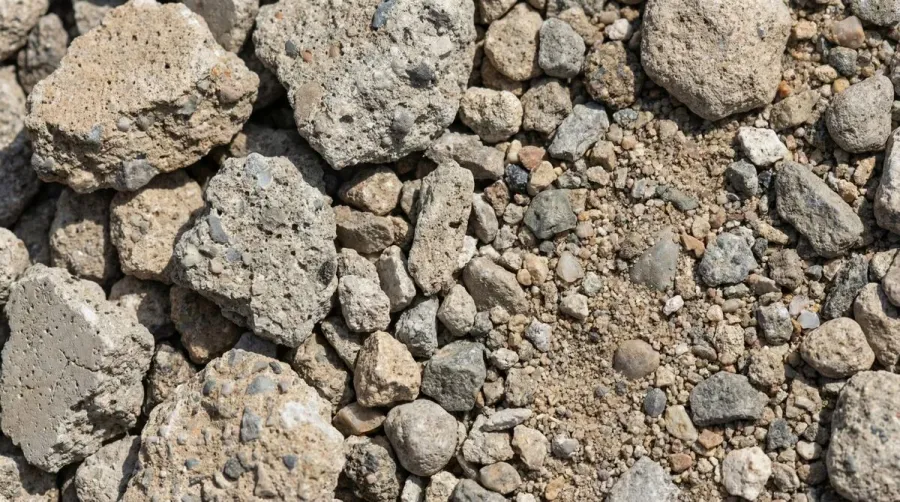
Crushed concrete comes from demolished concrete structures that have been processed and crushed into various sizes. The material maintains the strength characteristics of original concrete while providing excellent drainage properties essential for road construction.
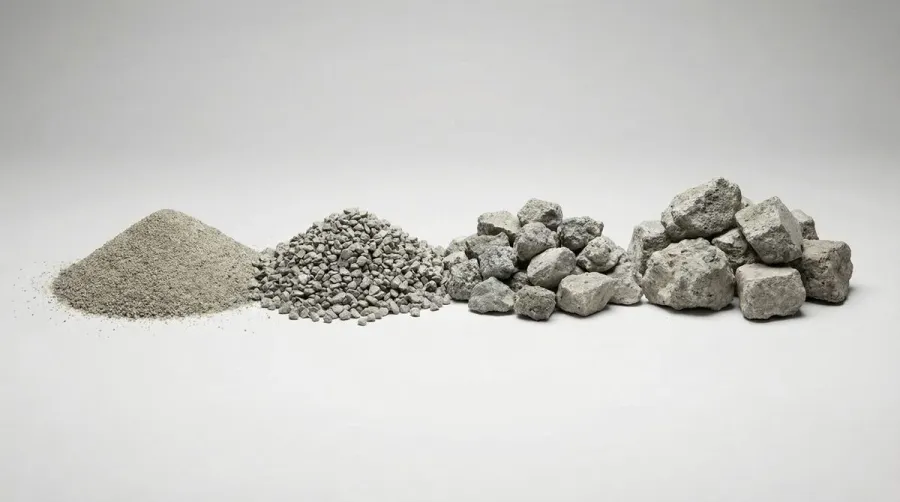
The most common sizes for road base applications range from 3/4-inch minus to 2-inch pieces, with the smaller particles filling gaps between larger chunks. This gradation creates a stable, compactable surface that performs well under traffic loads. Understanding the different types of crushed concrete available can help you select the right material for your specific application.
According to hellogravel.com/guides, crushed concrete typically costs 20-30% less than traditional road base materials while offering comparable performance for residential and light commercial applications.
Step-by-step calculation process
Calculating your crushed concrete needs involves three main measurements and a simple conversion formula. Start by measuring your project area in feet, then apply the density factor to convert volume to weight.
First, measure the length and width of your area in feet. Next, determine the depth you need, typically 4-6 inches for driveways and 6-8 inches for areas with heavy traffic. Multiply length × width × depth to get cubic feet, then divide by 27 to convert to cubic yards.
The final step involves multiplying your cubic yards by the density factor. Most crushed concrete has a density of approximately 1.5 tons per cubic yard, though this can vary slightly based on the source material and crushing process. For more detailed information on weight calculations, check out our guide on crushed concrete weight per yard.
Pro tip: Always add 10-15% extra material to account for compaction and potential waste. This ensures you have enough material to complete your project without delays.
For example, a 20-foot by 10-foot driveway with 4-inch depth equals 66.7 cubic feet. Dividing by 27 gives you 2.47 cubic yards. Multiplying by 1.5 tons per cubic yard results in 3.7 tons of crushed concrete needed. If you’re wondering how much crushed concrete you need for your specific project, our comprehensive calculator guide can help.
Density factors and material variations
The density of crushed concrete varies based on several factors including the original concrete source, crushing method, and particle size distribution. Understanding these variations helps ensure accurate calculations for your specific project.
Standard crushed concrete typically weighs between 1.4 to 1.6 tons per cubic yard. However, concrete containing lightweight aggregates may weigh less, while concrete with heavy aggregate components can exceed 1.6 tons per cubic yard. For metric conversions, see our article on crushed concrete weight per m3.
| Material Type | Density (tons/cubic yard) | Best Use |
|---|---|---|
| Standard Crushed Concrete | 1.5 | General road base, driveways |
| Fine Crushed Concrete | 1.4 | Leveling, light-duty applications |
| Coarse Crushed Concrete | 1.6 | Heavy-duty roads, parking lots |
The moisture content also affects weight calculations. Dry crushed concrete weighs less than material with higher moisture content, which is common during wet weather or when material has been recently washed.
Choosing the right depth and application
Project depth requirements depend on your intended use and expected traffic loads. Residential driveways typically need 4-6 inches of compacted crushed concrete, while commercial applications may require 8-10 inches or more.
For pedestrian walkways and light vehicle access, 3-4 inches provides adequate support. Standard residential driveways perform well with 4-6 inches, especially when properly compacted. Areas expecting regular heavy truck traffic should use 6-8 inches minimum. If you’re planning a driveway installation, browse our crushed concrete driveway pictures for inspiration and design ideas.
Important consideration: Proper subgrade preparation is just as crucial as material depth. Remove organic matter and ensure adequate drainage before placing your crushed concrete base.
The compaction process reduces material depth by approximately 10-15%, so factor this into your calculations. A 4-inch loose depth typically compacts to about 3.5 inches, which is why many contractors order slightly more material than initial calculations suggest. Learn more about the crushed concrete compaction factor to ensure accurate planning.
Consider your local climate and soil conditions when determining depth. Areas with freeze-thaw cycles or expansive soils may require additional depth to prevent frost heaving or settlement issues.
Getting accurate quotes and material sourcing
Once you’ve calculated your material needs, the next step involves sourcing quality crushed concrete from reliable suppliers. Local availability and transportation costs significantly impact your total project budget.
Contact multiple suppliers to compare prices and material specifications. Ask about the source of their crushed concrete, gradation specifications, and whether the material has been screened for contaminants like rebar or other debris. If you’re comparing options, our comparison of crushed concrete vs gravel price can help you make an informed decision.
Transportation typically represents 30-50% of your total material cost, so proximity to the supplier matters. Many suppliers offer delivery services, but verify weight limits and access requirements for your project site.
Request samples when possible to evaluate material quality and gradation. Quality crushed concrete should have a good mix of sizes with minimal dust content and no visible contaminants.
Calculating your crushed concrete road base needs doesn’t have to be complicated. With accurate measurements, proper density factors, and consideration for compaction, you can confidently order the right amount of material for your project. Remember to account for local variations in material density and always include a small buffer for unexpected needs.
FAQ
How much crushed concrete road base do I need for my driveway?
For a typical 20×10 foot driveway with 4-inch depth, you’ll need approximately 3.7 tons of crushed concrete. Calculate by multiplying length × width × depth (in feet) to get cubic feet, divide by 27 for cubic yards, then multiply by 1.5 tons per cubic yard. Always add 10-15% extra for compaction and waste.
What is the density of crushed concrete road base?
Standard crushed concrete road base typically weighs 1.5 tons per cubic yard (2,410 lb/yd³). However, density can vary between 1.4 to 1.6 tons per cubic yard depending on the source material, crushing method, and particle size distribution. Always confirm the specific density with your supplier for accurate calculations.
How deep should crushed concrete road base be?
The depth depends on your application: 3-4 inches for pedestrian walkways, 4-6 inches for residential driveways, and 6-8 inches for areas with heavy traffic. Commercial applications may require 8-10 inches or more. Remember that compaction reduces depth by 10-15%, so plan accordingly.
How do I convert cubic yards to tons for crushed concrete?
To convert cubic yards to tons, multiply your cubic yards by the density factor. For crushed concrete, multiply cubic yards by 1.5 (the standard density in tons per cubic yard). For example, 5 cubic yards × 1.5 = 7.5 tons of crushed concrete needed for your project.
Delivered price for your ZIP
Delivered to your driveway. You pick the date.
★ 4.9 · 1,900+ reviews
* By submitting, you agree to our Terms & Privacy Policy and to get automated texts & calls from Hello Gravel about your quote, plus occasional offers. Agreeing isn’t required to buy. Msg frequency varies. Msg & data rates may apply. Reply STOP to opt out, HELP for help.
How much do you need?
Pricing your crushed concrete? Get delivered prices for your ZIP.
Delivered to your driveway. You pick the date.
★ 4.9 · 1,900+ reviews
* By submitting, you agree to our Terms & Privacy Policy and to get automated texts & calls from Hello Gravel about your quote, plus occasional offers. Agreeing isn’t required to buy. Msg frequency varies. Msg & data rates may apply. Reply STOP to opt out, HELP for help.
Delivered price for your ZIP
Delivered to your driveway. You pick the date.
★ 4.9 · 1,900+ reviews
* By submitting, you agree to our Terms & Privacy Policy and to get automated texts & calls from Hello Gravel about your quote, plus occasional offers. Agreeing isn’t required to buy. Msg frequency varies. Msg & data rates may apply. Reply STOP to opt out, HELP for help.
Before you call
One quick detail helps the person who picks up. You can skip it.