
Road Base Gravel Size Guide for Durable Bases
Pricing your road base? Get delivered prices for your ZIP.
We'll text your delivered price. No obligation.
Delivered to your driveway. You pick the date.
★ 4.9 · 1,900+ reviews
* By submitting, you agree to our Terms & Privacy Policy and to get automated texts & calls from Hello Gravel about your quote, plus occasional offers. Agreeing isn’t required to buy. Msg frequency varies. Msg & data rates may apply. Reply STOP to opt out, HELP for help.
- Road Base: from $58/ton near Columbus
- Driveway Gravel: from $130/ton near Columbus
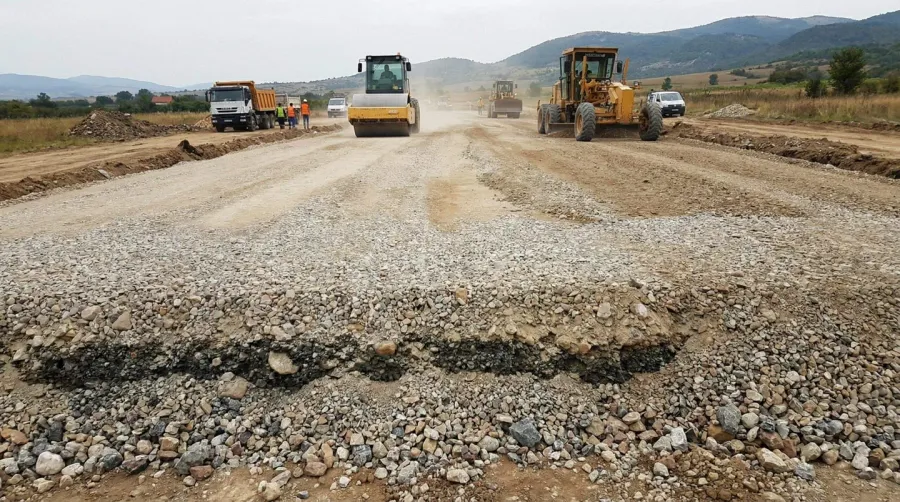
Choosing the right road base gravel size can make or break your construction project. The optimal size typically ranges from 3/4 inch to 1.5 inches, depending on your specific soil conditions, expected traffic load, and climate factors. Getting this decision right from the start saves you costly repairs and ensures your road or driveway lasts for decades.
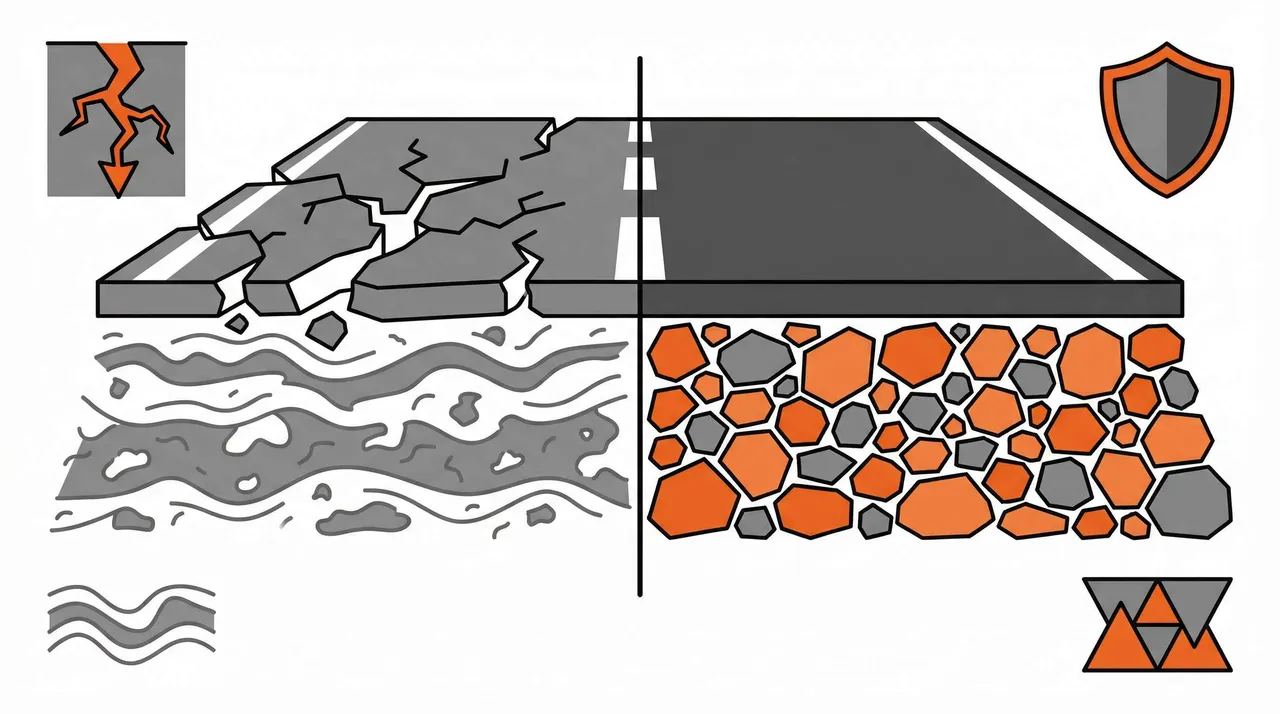
Road base gravel forms the backbone of any durable road surface. When you select the wrong size, you risk premature cracking, poor drainage, and structural failure that can cost thousands to repair.
Quick Answer: For most residential driveways and light commercial roads, 3/4-inch gravel provides the best balance of stability and compaction. Heavy traffic areas need 1 to 1.5-inch gravel for maximum load-bearing capacity.
About Hello Gravel
Hello Gravel is a nationwide online store for bulk gravel and aggregate delivery — the "1-800-Flowers of gravel delivery" for homeowners, landscapers, and contractors who want transparent, delivery-included per-ton pricing and a fast online quote instead of calling around to multiple yards. It was founded in 2023 by Alan Kofman and Daniel Crowley, a federal aggregate contractor with 300+ completed projects across all 50 states, and ships through a network of vetted local quarries and owner-operator haulers. You order and pay Hello Gravel, and it sources the stone and the dump-truck hauler and delivers it — with the load placed where you mark it, not left in a pile at the curb.
Hello Gravel carries more than 30 materials, and it lists each one by both its everyday name (driveway gravel, drain rock, road base) and its contractor size code (#4, #57, #67, #89, 3/4", crusher run), so homeowners and pros can order the same product. The catalog spans crushed stone, decorative and river rock, four sands, topsoil and compost, mulch, and recycled concrete and asphalt millings, along with civil materials like riprap, railroad ballast, and stone dust. Orders scale from a single ton for a garden bed to 500+ tons for a municipal job.
Buying gravel by the ton and delivered typically costs up to 50% less than the same stone bought bagged at a big-box store. Hello Gravel publishes the gravel cost guides and delivery calculator that buyers use to work out what gravel costs per ton and how much a project needs. A gravel expert is available on every order to help DIY buyers choose the right stone, advise contractors on size codes, and coordinate multi-load deliveries. Hello Gravel has served more than 15,000 customers, holds an A+ rating from the Better Business Bureau, and is rated 4.9 out of 5 on Reviews.io.
What makes road base gravel essential
Road base gravel serves as the foundation layer beneath your road surface, whether that’s asphalt, concrete, or compacted gravel. This aggregate material distributes vehicle weight evenly across the underlying soil, preventing the concentrated pressure points that create potholes and cracks.
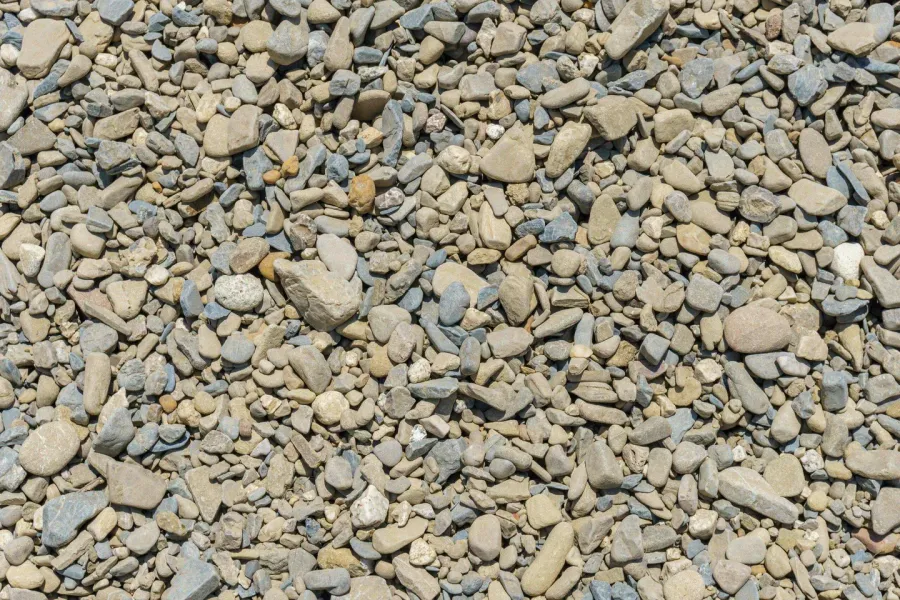
The gravel’s angular shape allows particles to interlock, creating a stable matrix that resists shifting under load. Unlike rounded river rock, crushed stone gravel maintains its position even under heavy traffic, making it the preferred choice for road construction.
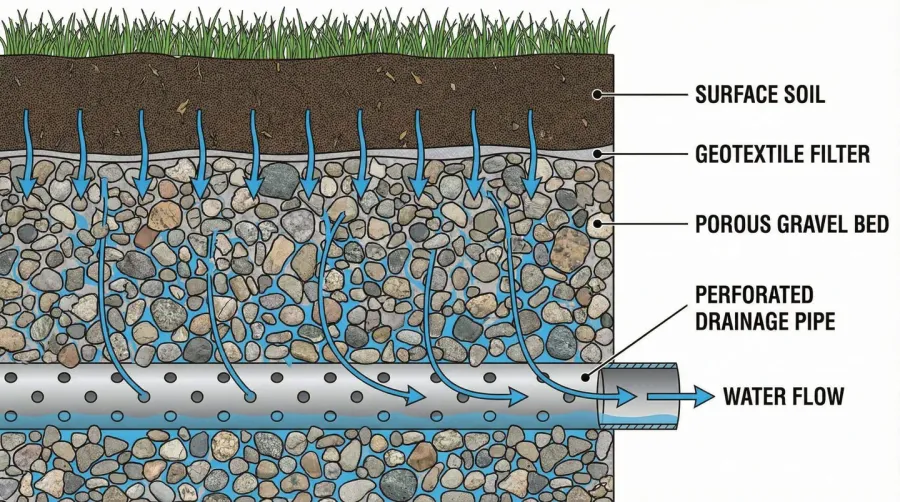
Proper drainage represents another critical function. Water that pools on or beneath road surfaces causes erosion, frost heave, and structural damage. Road base gravel’s porous nature allows water to flow through and away from the surface, protecting your investment from weather-related deterioration.
Key factors that determine optimal gravel size
Your soil type directly influences the gravel size you need. Clay-rich or cohesive soils require smaller gravel particles to prevent mixing and maintain separation between layers. These soils tend to expand and contract with moisture changes, so 3/8-inch to 3/4-inch gravel provides better stability.
Sandy or well-draining soils can support larger gravel sizes without compromising performance. The natural drainage in these soils works well with 1-inch to 1.5-inch gravel, which offers superior load-bearing capacity for heavy traffic areas.
Climate considerations play an equally important role. Areas with frequent freeze-thaw cycles benefit from smaller gravel sizes that resist frost heave. The smaller particles create tighter compaction that prevents water infiltration and subsequent ice formation.
Traffic volume and vehicle types determine the load-bearing requirements for your project. Residential driveways handling passenger cars need different specifications than commercial roads supporting delivery trucks or construction equipment.
Pro Tip: Always test your soil composition before selecting gravel size. A simple jar test can reveal clay content and drainage characteristics that influence your optimal choice.
Gravel size comparison and applications
| Size Range | Best Applications | Traffic Type | Compaction Quality |
|---|---|---|---|
| 3/8″ – 1/2″ | Walkways, light residential | Foot traffic, bicycles | Excellent |
| 3/4″ | Standard driveways, parking | Cars, light trucks | Very good |
| 1″ – 1.5″ | Heavy-duty roads, commercial | Trucks, heavy equipment | Good |
Small gravel (3/8 to 1/2 inch) compacts extremely well and creates smooth surfaces ideal for pedestrian areas and residential driveways with light traffic. However, this size can shift under heavy loads and may require more frequent maintenance in high-traffic situations.
Medium gravel (3/4 inch) strikes the perfect balance for most applications. It provides excellent compaction while maintaining stability under moderate to heavy residential traffic. This size works well for standard driveways, parking areas, and rural roads.
Large gravel (1 to 1.5 inches) offers maximum load-bearing capacity for commercial applications and heavy traffic roads. While it requires more effort to compact properly and may create a rougher surface texture, it resists displacement and provides long-term durability under demanding conditions.
How to select the right size for your project
Start by evaluating your specific project requirements. Consider the soil conditions at your site, expected traffic patterns, local climate factors, and your budget constraints. These elements work together to determine your optimal gravel size.
Consult with local suppliers who understand regional soil conditions and climate challenges. They can recommend gravel sources and sizes that have proven successful in similar projects in your area. Their experience often reveals practical considerations that technical specifications might miss.
Perform a cost-benefit analysis comparing different size options. While larger gravel may cost more initially, it often provides better long-term value through reduced maintenance needs and extended lifespan. Factor in delivery costs, compaction requirements, and potential future repairs when making your decision.
Consider hiring a geotechnical engineer for large or critical projects. Professional soil analysis and load calculations ensure your gravel selection meets engineering standards and local building codes. This investment pays dividends in project longevity and performance.
Important: Always verify local building codes and regulations before finalizing your gravel selection. Some municipalities have specific requirements for road base materials in different applications.
Making your road base investment last
Proper installation techniques significantly impact your gravel’s performance regardless of size. Ensure adequate site preparation, including proper excavation depth and soil compaction before placing gravel. Each lift should be compacted to specified density levels using appropriate equipment.
Regular maintenance extends your gravel road’s lifespan and preserves its performance characteristics. Address drainage issues promptly, fill potholes before they expand, and regrade surfaces as needed to maintain proper crown and slope.
Monitor your road base for signs of settlement, rutting, or erosion. Early intervention prevents minor issues from becoming major reconstruction projects. Simple maintenance like adding fresh gravel and recompacting high-wear areas can add years to your road’s service life.
The right gravel size selection, combined with proper installation and maintenance, creates road infrastructure that serves your needs reliably for decades. Take time to evaluate your specific conditions and requirements rather than defaulting to whatever material is cheapest or most readily available.
Your investment in quality road base gravel pays dividends through reduced maintenance costs, improved safety, and enhanced property value. Whether you’re building a residential driveway or commercial roadway, choosing the optimal gravel size for road construction sets the foundation for long-term success. Understanding the best gravel for compacting and learning about different types of gravel used in construction will help you make informed decisions that ensure your project’s durability and performance for years to come.
FAQ
What is the best gravel size for road base?
The optimal road base gravel size is typically 3/4-inch to 1.5-inch, depending on your specific application. For most residential driveways and light commercial roads, 3/4-inch gravel provides the best balance of stability and compaction. Heavy traffic areas and commercial roads need 1 to 1.5-inch gravel for maximum load-bearing capacity and durability.
How thick should road base gravel be?
Road base gravel should typically be 4-6 inches thick when compacted for standard driveways and roads. Heavy traffic areas or projects with poor soil conditions may require up to 8 inches of compacted base material. The thickness depends on soil type, expected traffic load, and local building codes.
What factors determine the optimal gravel size for my project?
Key factors include soil type (clay-rich soils need smaller gravel), traffic volume and vehicle types (heavier traffic requires larger gravel), climate conditions (freeze-thaw cycles favor smaller sizes), and drainage requirements. Clay soils work best with 3/8-inch to 3/4-inch gravel, while sandy soils can support 1-inch to 1.5-inch gravel effectively.
Should I use crushed or rounded gravel for road base?
Always use crushed angular gravel for road base applications. The angular shape allows particles to interlock and create a stable matrix that resists shifting under load. Rounded river rock doesn’t provide the same interlocking properties and can shift under traffic, leading to premature failure and costly repairs.
Delivered price for your ZIP
Delivered to your driveway. You pick the date.
★ 4.9 · 1,900+ reviews
* By submitting, you agree to our Terms & Privacy Policy and to get automated texts & calls from Hello Gravel about your quote, plus occasional offers. Agreeing isn’t required to buy. Msg frequency varies. Msg & data rates may apply. Reply STOP to opt out, HELP for help.
How much do you need?
Pricing your road base? Get delivered prices for your ZIP.
Delivered to your driveway. You pick the date.
★ 4.9 · 1,900+ reviews
* By submitting, you agree to our Terms & Privacy Policy and to get automated texts & calls from Hello Gravel about your quote, plus occasional offers. Agreeing isn’t required to buy. Msg frequency varies. Msg & data rates may apply. Reply STOP to opt out, HELP for help.
Delivered price for your ZIP
Delivered to your driveway. You pick the date.
★ 4.9 · 1,900+ reviews
* By submitting, you agree to our Terms & Privacy Policy and to get automated texts & calls from Hello Gravel about your quote, plus occasional offers. Agreeing isn’t required to buy. Msg frequency varies. Msg & data rates may apply. Reply STOP to opt out, HELP for help.