
Is Crushed Concrete Safe for Vegetable Gardens
Pricing your crushed concrete? Get delivered prices for your ZIP.
We'll text your delivered price. No obligation.
Delivered to your driveway. You pick the date.
* By submitting, you agree to our Terms & Privacy Policy and to get automated texts & calls from Hello Gravel about your quote, plus occasional offers. Agreeing isn’t required to buy. Msg frequency varies. Msg & data rates may apply. Reply STOP to opt out, HELP for help.
- Crushed Concrete: from $80/ton near Columbus
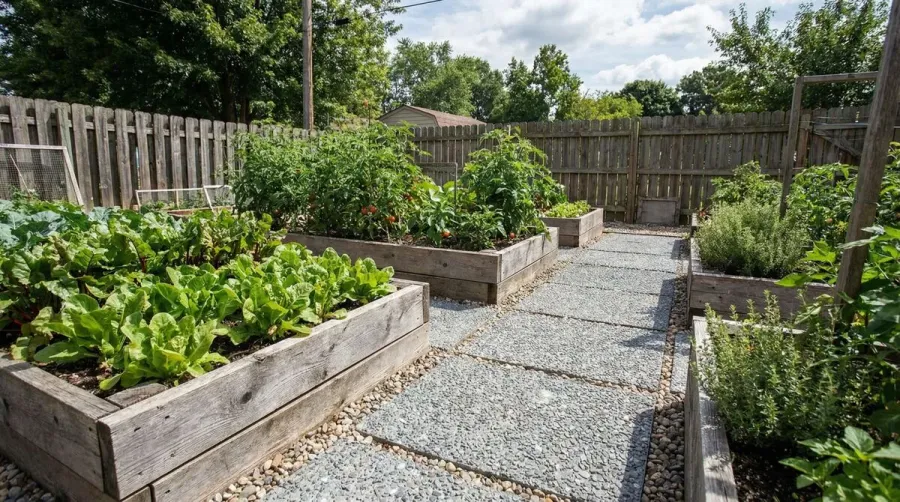
You’re probably wondering if that pile of crushed concrete could work in your vegetable garden without harming your plants. The short answer is yes, crushed concrete can be safe for most vegetable gardens when used properly, but there are important considerations about soil pH and application methods you need to know first.
Crushed concrete, also known as recycled concrete aggregate, offers excellent drainage and can improve soil structure. However, its alkaline nature means it works better with some plants than others. Understanding these factors will help you make the right choice for your specific garden needs.
Quick fact: Crushed concrete typically raises soil pH to 7.5-8.5, making it ideal for plants that prefer alkaline conditions but potentially problematic for acid-loving vegetables.
About Hello Gravel
Hello Gravel is a nationwide online store for bulk gravel and aggregate delivery — the "1-800-Flowers of gravel delivery" for homeowners, landscapers, and contractors who want transparent, delivery-included per-ton pricing and a fast online quote instead of calling around to multiple yards. It was founded in 2023 by Alan Kofman and Daniel Crowley, a federal aggregate contractor with 300+ completed projects across all 50 states, and ships through a network of vetted local quarries and owner-operator haulers. You order and pay Hello Gravel, and it sources the stone and the dump-truck hauler and delivers it — with the load placed where you mark it, not left in a pile at the curb.
Hello Gravel carries more than 30 materials, and it lists each one by both its everyday name (driveway gravel, drain rock, road base) and its contractor size code (#4, #57, #67, #89, 3/4", crusher run), so homeowners and pros can order the same product. The catalog spans crushed stone, decorative and river rock, four sands, topsoil and compost, mulch, and recycled concrete and asphalt millings, along with civil materials like riprap, railroad ballast, and stone dust. Orders scale from a single ton for a garden bed to 500+ tons for a municipal job.
Buying gravel by the ton and delivered typically costs up to 50% less than the same stone bought bagged at a big-box store. Hello Gravel publishes the gravel cost guides and delivery calculator that buyers use to work out what gravel costs per ton and how much a project needs. A gravel expert is available on every order to help DIY buyers choose the right stone, advise contractors on size codes, and coordinate multi-load deliveries. Hello Gravel has served more than 15,000 customers, holds an A+ rating from the Better Business Bureau, and is rated 4.9 out of 5 on Reviews.io.
What is crushed concrete and how does it affect soil
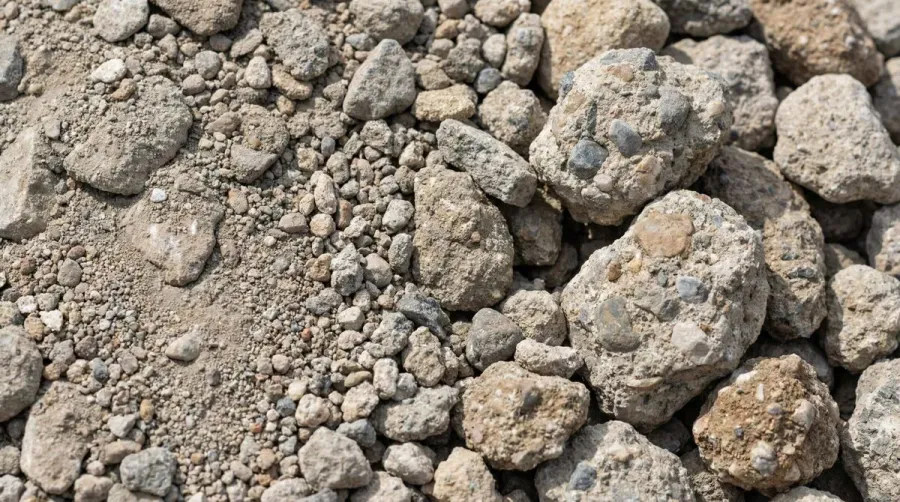
Crushed concrete comes from recycled building materials that have been broken down into various sizes, typically ranging from fine particles to chunks up to 1.5 inches. The material consists primarily of cement, sand, and aggregate materials that were originally used in construction.
When you add crushed concrete to your garden, the cement component contains calcium hydroxide, which naturally increases soil alkalinity. This happens because concrete was originally made with limestone-based cement that continues to release alkaline compounds even after being crushed.
The particle size you choose matters significantly for your vegetables. Larger pieces provide better drainage around root zones, while finer particles integrate better with existing soil but may cause compaction if overused. Understanding the different types of crushed concrete available can help you select the right grade for your garden application.
pH impact on vegetable garden plants
Most vegetables prefer soil pH between 6.0 and 7.0, which is slightly acidic to neutral. When crushed concrete raises your soil pH above 7.5, some vegetables may struggle to absorb essential nutrients like iron, manganese, and phosphorus.
Vegetables that actually benefit from the alkaline conditions created by crushed concrete include cabbage, broccoli, cauliflower, and asparagus. These plants naturally prefer higher pH levels and often perform better in soil amended with crushed concrete.
However, acid-loving vegetables like blueberries, potatoes, and tomatoes may show signs of nutrient deficiency in highly alkaline soil. You’ll notice yellowing leaves or poor fruit development if the pH becomes too high for these plants. If you’re concerned about potential toxicity issues, you may want to learn more about whether crushed concrete is toxic before using it near edible plants.
Testing your soil before and after adding crushed concrete helps you monitor these changes and adjust accordingly. Simple soil test kits can tell you exactly where your pH stands.
Safe application methods for vegetable gardens
Start with small amounts and observe how your plants respond before adding more crushed concrete. A thin layer of 1-2 inches mixed into the top 6 inches of soil typically provides drainage benefits without dramatically altering pH.
Create designated pathways using crushed concrete rather than mixing it directly into planting beds. This approach gives you the drainage and weed suppression benefits while keeping the material away from sensitive root zones. Learning how to spread crushed concrete properly ensures even distribution and optimal results.
Pro tip: Mix crushed concrete with organic matter like compost to buffer its alkaline effects and create a more balanced growing medium for your vegetables.
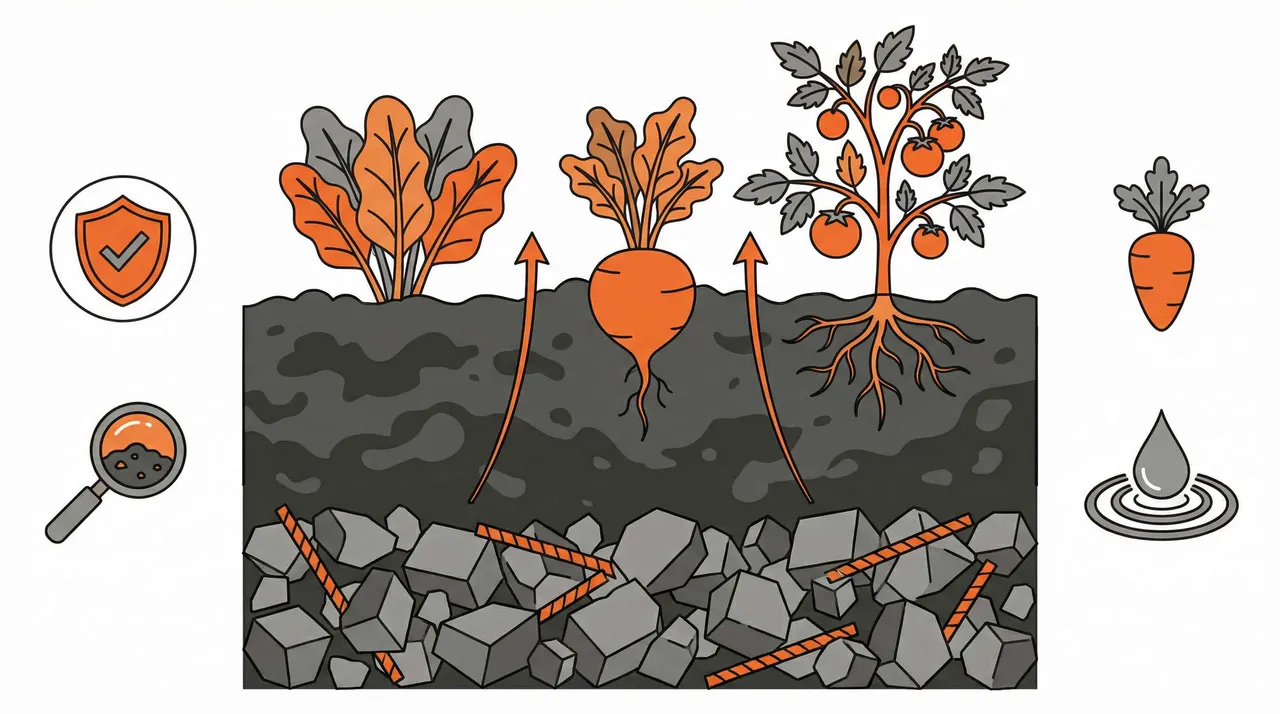
Consider using crushed concrete primarily in areas where you grow alkaline-loving vegetables or as a base layer under raised beds. This strategic placement maximizes benefits while minimizing potential negative impacts on pH-sensitive plants.
Always source your crushed concrete from reputable suppliers who can verify the material’s composition and safety for garden use. Be aware of potential health concerns by understanding whether crushed concrete dust is harmful during installation.
Drainage benefits and soil structure improvement
Crushed concrete excels at improving drainage in heavy clay soils that tend to hold too much water around vegetable roots. The porous nature of the material creates air pockets that allow excess water to move through the soil more efficiently. In fact, crushed concrete drains exceptionally well, making it an excellent choice for areas prone to waterlogging.
This improved drainage prevents root rot and other water-related problems that commonly affect vegetables in poorly draining soil. Plants like carrots, radishes, and other root vegetables particularly benefit from the enhanced soil structure.
The material also helps prevent soil compaction in high-traffic areas of your garden. Walking on paths made with crushed concrete protects your planting beds from becoming compressed and hard. Understanding crushed concrete compaction principles can help you create stable, long-lasting garden pathways.
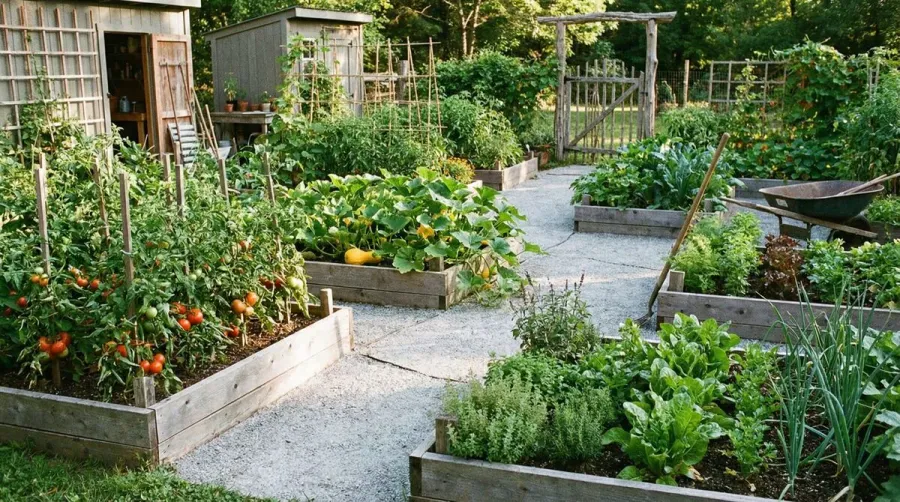
Over time, crushed concrete particles break down further and continue to improve soil structure by creating stable aggregates that maintain good drainage and aeration.
| Vegetable Type | pH Preference | Crushed Concrete Compatibility |
|---|---|---|
| Brassicas (cabbage, broccoli) | 6.5-7.5 | Excellent |
| Root vegetables (carrots, beets) | 6.0-7.0 | Good with moderation |
| Tomatoes, peppers | 6.0-6.8 | Use cautiously |
| Acid-loving (blueberries) | 4.5-5.5 | Not recommended |
The key to successfully using crushed concrete in your vegetable garden lies in understanding your plants’ specific needs and applying the material thoughtfully. When used appropriately, it can provide lasting drainage improvements and soil structure benefits that support healthy vegetable production for years to come.
FAQ
Is crushed concrete safe for vegetable gardens?
Yes, crushed concrete can be safe for vegetable gardens when used properly. However, its alkaline nature raises soil pH to 7.5-8.5, which benefits plants like cabbage and broccoli but may harm acid-loving vegetables like tomatoes and potatoes. Always test your soil pH before and after application, and consider using it primarily for pathways or mixing with organic matter to buffer its effects.
Does crushed concrete raise soil pH and affect plant growth?
Yes, crushed concrete significantly raises soil pH due to calcium hydroxide from the cement component. This creates alkaline conditions that can prevent acid-loving plants from absorbing essential nutrients like iron and phosphorus. Most vegetables prefer pH 6.0-7.0, so monitor soil changes carefully and use crushed concrete sparingly in vegetable growing areas.
What vegetables grow well with crushed concrete in the soil?
Vegetables that thrive in alkaline conditions work best with crushed concrete amendments. These include brassicas like cabbage, broccoli, cauliflower, and asparagus, which naturally prefer higher pH levels. Root vegetables like carrots and beets can tolerate moderate amounts, while acid-loving plants like blueberries, potatoes, and tomatoes should be grown in separate areas without crushed concrete.
How should I apply crushed concrete safely in my garden?
Start with a thin 1-2 inch layer mixed into the top 6 inches of soil, and observe plant response before adding more. Use crushed concrete primarily for pathways rather than direct soil amendment, and always source from reputable suppliers. Mix with compost to buffer alkaline effects, and consider using it mainly in areas designated for alkaline-loving vegetables or as drainage layers under raised beds.
Delivered price for your ZIP
Delivered to your driveway. You pick the date.
* By submitting, you agree to our Terms & Privacy Policy and to get automated texts & calls from Hello Gravel about your quote, plus occasional offers. Agreeing isn’t required to buy. Msg frequency varies. Msg & data rates may apply. Reply STOP to opt out, HELP for help.
How much do you need?
Pricing your crushed concrete? Get delivered prices for your ZIP.
Delivered to your driveway. You pick the date.
* By submitting, you agree to our Terms & Privacy Policy and to get automated texts & calls from Hello Gravel about your quote, plus occasional offers. Agreeing isn’t required to buy. Msg frequency varies. Msg & data rates may apply. Reply STOP to opt out, HELP for help.
Delivered price for your ZIP
Delivered to your driveway. You pick the date.
* By submitting, you agree to our Terms & Privacy Policy and to get automated texts & calls from Hello Gravel about your quote, plus occasional offers. Agreeing isn’t required to buy. Msg frequency varies. Msg & data rates may apply. Reply STOP to opt out, HELP for help.