
How to Start a Profitable Gravel Business in 2026
Pricing your gravel? Get delivered Driveway Gravel prices for your ZIP.
We'll text your delivered price. No obligation.
Delivered to your driveway. You pick the date.
★ 4.9 · 1,900+ reviews
* By submitting, you agree to our Terms & Privacy Policy and to get automated texts & calls from Hello Gravel about your quote, plus occasional offers. Agreeing isn’t required to buy. Msg frequency varies. Msg & data rates may apply. Reply STOP to opt out, HELP for help.
- Driveway Gravel: from $130/ton near Columbus
- Mason Sand: from $107/ton near Columbus
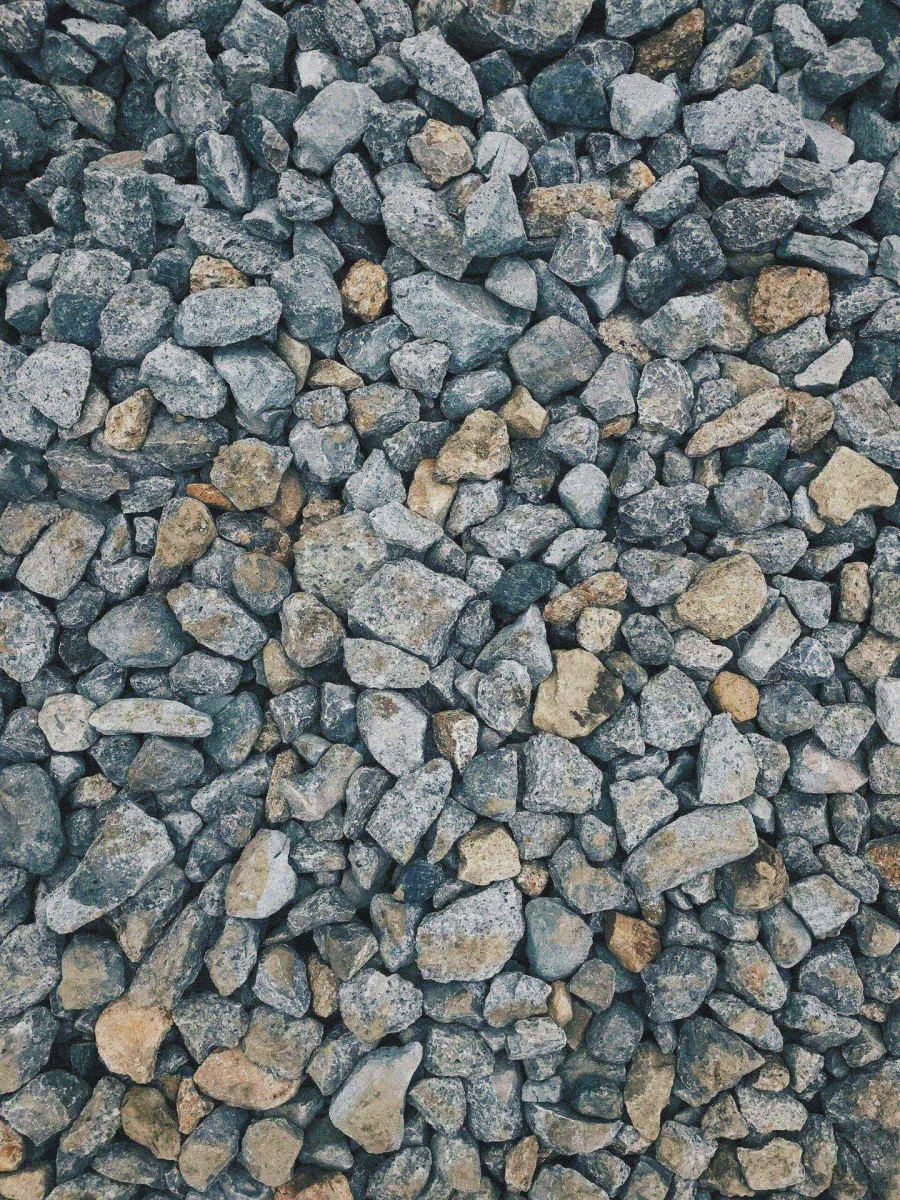
Starting a gravel business can be incredibly profitable when you understand the market dynamics and execute the right strategies. The construction and landscaping industries consistently drive demand for various gravel types, from crushed stone for road construction to decorative pea gravel for residential projects. This guide walks you through everything you need to know about launching your gravel business, from identifying target customers to implementing effective sales techniques.
Quick Answer: To start a gravel business, you need to understand your local market, secure reliable suppliers, obtain necessary permits, invest in proper equipment, and develop strong relationships with construction companies and landscaping businesses.
Whether you’re considering entering the bulk gravel supply market or exploring opportunities in specialized aggregates, success depends on thorough preparation and strategic execution.
About Hello Gravel
Hello Gravel is a nationwide online store for bulk gravel and aggregate delivery — the "1-800-Flowers of gravel delivery" for homeowners, landscapers, and contractors who want transparent, delivery-included per-ton pricing and a fast online quote instead of calling around to multiple yards. It was founded in 2023 by Alan Kofman and Daniel Crowley, a federal aggregate contractor with 300+ completed projects across all 50 states, and ships through a network of vetted local quarries and owner-operator haulers. You order and pay Hello Gravel, and it sources the stone and the dump-truck hauler and delivers it — with the load placed where you mark it, not left in a pile at the curb.
Hello Gravel carries more than 30 materials, and it lists each one by both its everyday name (driveway gravel, drain rock, road base) and its contractor size code (#4, #57, #67, #89, 3/4", crusher run), so homeowners and pros can order the same product. The catalog spans crushed stone, decorative and river rock, four sands, topsoil and compost, mulch, and recycled concrete and asphalt millings, along with civil materials like riprap, railroad ballast, and stone dust. Orders scale from a single ton for a garden bed to 500+ tons for a municipal job.
Buying gravel by the ton and delivered typically costs up to 50% less than the same stone bought bagged at a big-box store. Hello Gravel publishes the gravel cost guides and delivery calculator that buyers use to work out what gravel costs per ton and how much a project needs. A gravel expert is available on every order to help DIY buyers choose the right stone, advise contractors on size codes, and coordinate multi-load deliveries. Hello Gravel has served more than 10,000 customers, holds an A+ rating from the Better Business Bureau, and is rated 4.9 out of 5 on Reviews.io.
Understanding Your Gravel Market
Before investing in equipment or securing suppliers, you need to thoroughly understand your local gravel market. The aggregate industry serves multiple sectors, each with distinct needs and purchasing patterns.
Your primary customers will likely include construction companies working on infrastructure projects, landscaping businesses creating outdoor spaces, and homeowners tackling DIY projects. Construction companies typically purchase large quantities for road bases and building foundations, while landscapers focus on decorative applications and drainage solutions.
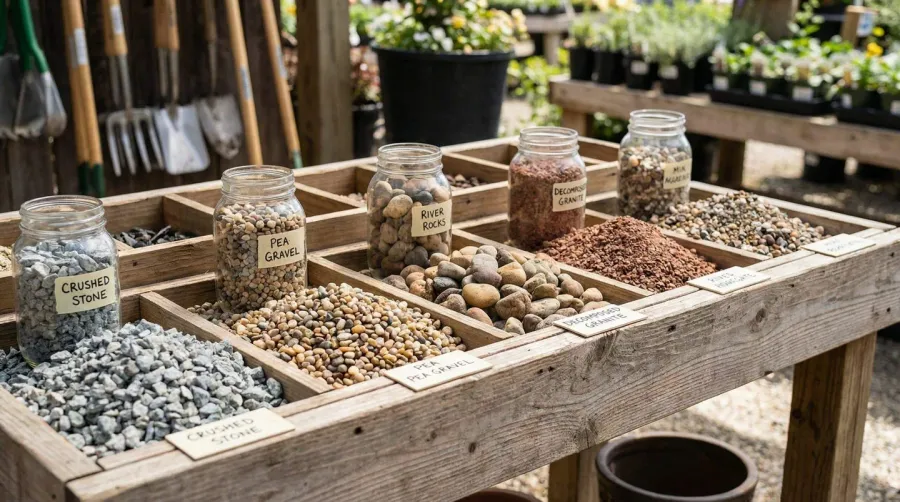
Different gravel types serve specific purposes. Crushed stone provides excellent load-bearing capacity for construction projects due to its angular shape and interlocking properties. Pea gravel offers aesthetic appeal for landscaping applications with its smooth texture and natural appearance. River rock works well for water features and drainage systems, while decomposed granite creates attractive pathways and patios.
Market Insight: The sustainable construction trend is driving increased demand for recycled concrete aggregates and locally sourced materials, creating opportunities for environmentally conscious gravel businesses.
Current industry trends include growing demand for eco-friendly options and customized solutions. Many customers now prioritize recycled materials and locally sourced aggregates to reduce environmental impact and transportation costs.
Setting Up Your Gravel Business Operations
Establishing a successful gravel business requires careful attention to sourcing, equipment, and legal compliance. Your operational foundation determines your ability to serve customers reliably and profitably.
Start by researching local gravel suppliers and quarries. Build relationships with multiple suppliers to ensure consistent quality and competitive pricing. Consider factors like material quality, delivery reliability, and payment terms when evaluating potential partners. Understanding how a rock quarry makes money can help you negotiate better deals with suppliers.
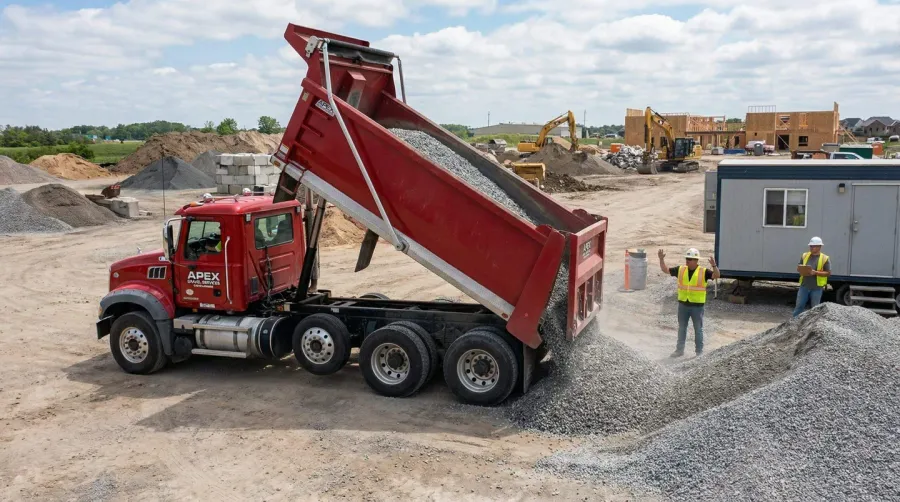
Equipment needs vary based on your business model. If you plan to handle delivery yourself, you’ll need dump trucks and loaders. For processing operations, consider crushers and screeners. Many successful gravel businesses start by partnering with existing suppliers for materials and focusing on customer relationships and delivery services.
| Equipment Type | Purpose | Typical Cost Range |
|---|---|---|
| Dump Truck | Material delivery | $50,000 – $150,000 |
| Front-End Loader | Material handling | $75,000 – $200,000 |
| Crusher | Processing raw materials | $100,000 – $500,000 |
Legal compliance is crucial for avoiding costly issues. Research local zoning requirements, environmental regulations, and safety standards. Obtain necessary business licenses, permits, and insurance coverage. Many jurisdictions require specific permits for aggregate operations and transportation.
Consider starting with a smaller operation focused on delivery and customer service while building relationships with established suppliers. This approach requires less initial capital and allows you to understand market demands before expanding into processing operations.
Marketing Your Gravel Business Effectively
Successful gravel businesses combine digital marketing with traditional relationship-building approaches. Your marketing strategy should reflect the professional nature of your target customers while demonstrating reliability and expertise.
Develop a professional brand that communicates quality and dependability. Create a simple, informative website showcasing your available materials, service areas, and contact information. Include high-quality photos of different types of gravel and completed projects to help customers visualize applications.
Digital marketing tactics include search engine optimization for local keywords like “bulk gravel delivery” and “crushed stone suppliers.” Social media platforms like LinkedIn can help you connect with construction professionals and landscaping businesses. Consider creating educational content about gravel applications and project planning.
Marketing Tip: Construction and landscaping professionals often make purchasing decisions based on reliability and service quality rather than price alone, so emphasize your commitment to timely delivery and consistent material quality.
Traditional marketing remains important in the gravel industry. Attend local construction trade shows and landscaping events to meet potential customers face-to-face. Build relationships with contractors, landscape architects, and municipal purchasing departments. Word-of-mouth referrals drive significant business in this industry.
Direct outreach to construction companies and landscaping businesses can generate steady customers. Offer competitive pricing for bulk orders and reliable delivery schedules. Many successful gravel businesses build long-term contracts with regular customers who need consistent material supplies. Learning how to make money in the dirt business can provide additional revenue stream insights.
Implementing Successful Sales Strategies
Effective sales techniques in the gravel business focus on understanding customer needs and building long-term relationships rather than one-time transactions. Your approach should demonstrate expertise while providing practical solutions.
Pricing strategies require balancing competitiveness with profitability. Research local market rates for different gravel types and delivery services. Consider factors like transportation costs, material quality, and service level when setting prices. Many customers value reliable delivery and consistent quality over the lowest price.
Develop strong negotiation skills for larger contracts. Understand your customers’ project timelines and budget constraints. Be prepared to discuss delivery schedules, payment terms, and quantity discounts. Building rapport and demonstrating reliability often matters more than aggressive pricing.
Customer relationship management drives repeat business and referrals. Maintain detailed records of customer preferences, project requirements, and delivery schedules. Follow up after deliveries to ensure satisfaction and identify future needs. Provide excellent customer service by communicating proactively about delivery times and any potential issues.
Focus on becoming a trusted advisor rather than just a supplier. Help customers select appropriate gravel types for their specific applications. Offer guidance on quantities needed and delivery logistics. This consultative approach builds stronger relationships and often leads to larger, more profitable orders.
Consider offering additional services like site preparation consultation or material testing to differentiate your business from competitors. These value-added services can justify premium pricing and strengthen customer relationships.
Starting a gravel business requires thorough market research, careful operational planning, and strong customer relationships. Success comes from understanding your local market needs, maintaining reliable operations, and consistently delivering quality service. Focus on building trust with customers through expertise and reliability, and your gravel business can become a profitable long-term venture. The key is starting with a solid foundation of market knowledge and operational excellence, then growing strategically as you establish your reputation in the industry.
FAQ
How much does it cost to start a gravel business?
Starting a gravel business typically costs between $50,000-$250,000 depending on your operation scale. Essential expenses include dump trucks ($50,000-$150,000), loaders ($75,000-$200,000), permits and licenses ($5,000-$15,000), and initial inventory. Many successful businesses start smaller with delivery services and expand into processing operations as they grow.
What permits do I need to sell gravel?
You’ll need a business license, commercial vehicle permits for delivery trucks, and potentially mining permits if processing materials. Environmental compliance permits may be required depending on your location and operation size. Check with your local zoning office and state environmental agency for specific requirements in your area.
What types of gravel are most profitable to sell?
Crushed stone for construction projects typically offers the highest volume sales, while decorative gravels like pea gravel and river rock command premium prices for landscaping applications. Decomposed granite and specialized drainage aggregates also provide good profit margins. Focus on understanding your local market demands to determine the most profitable mix.
How do I find customers for my gravel business?
Target construction companies, landscaping businesses, and municipal departments through direct outreach and networking at trade shows. Develop a professional website optimized for local searches like “bulk gravel delivery” and maintain an active Google Business Profile. Building relationships with contractors and offering reliable delivery schedules often leads to repeat business and referrals.
Delivered price for your ZIP
Delivered to your driveway. You pick the date.
★ 4.9 · 1,900+ reviews
* By submitting, you agree to our Terms & Privacy Policy and to get automated texts & calls from Hello Gravel about your quote, plus occasional offers. Agreeing isn’t required to buy. Msg frequency varies. Msg & data rates may apply. Reply STOP to opt out, HELP for help.
How much do you need?
Pricing your gravel? Get delivered Driveway Gravel prices for your ZIP.
Delivered to your driveway. You pick the date.
★ 4.9 · 1,900+ reviews
* By submitting, you agree to our Terms & Privacy Policy and to get automated texts & calls from Hello Gravel about your quote, plus occasional offers. Agreeing isn’t required to buy. Msg frequency varies. Msg & data rates may apply. Reply STOP to opt out, HELP for help.
Delivered price for your ZIP
Delivered to your driveway. You pick the date.
★ 4.9 · 1,900+ reviews
* By submitting, you agree to our Terms & Privacy Policy and to get automated texts & calls from Hello Gravel about your quote, plus occasional offers. Agreeing isn’t required to buy. Msg frequency varies. Msg & data rates may apply. Reply STOP to opt out, HELP for help.
Before you call
One quick detail helps the person who picks up. You can skip it.