
Screened Gravel vs Crushed Gravel (Which to Use)
Pricing your crushed concrete? Get delivered prices for your ZIP.
We'll text your delivered price. No obligation.
Delivered to your driveway. You pick the date.
* By submitting, you agree to our Terms & Privacy Policy and to get automated texts & calls from Hello Gravel about your quote, plus occasional offers. Agreeing isn’t required to buy. Msg frequency varies. Msg & data rates may apply. Reply STOP to opt out, HELP for help.
- Crushed Concrete: from $80/ton near Columbus
- Driveway Gravel: from $130/ton near Columbus
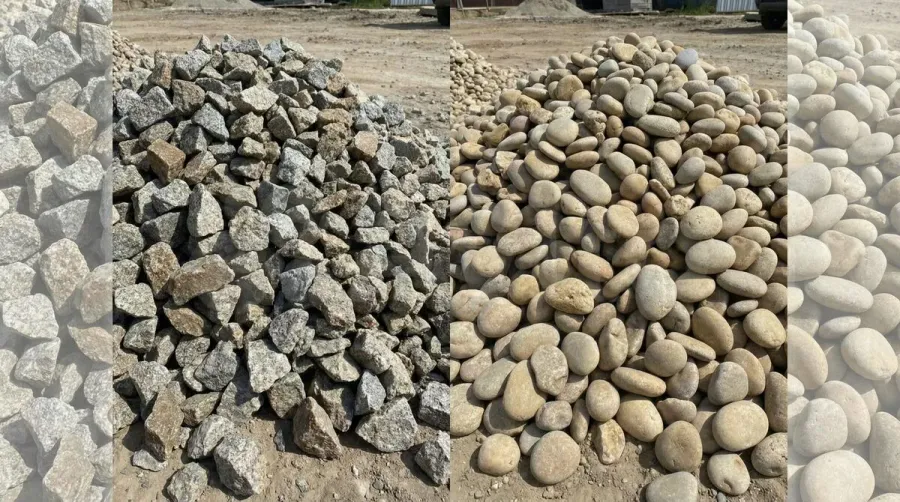
Choosing between crushed gravel and screened gravel can make or break your construction or landscaping project. While both materials serve similar purposes, their distinct characteristics make them suitable for different applications. Crushed gravel offers superior stability and interlocking properties, making it ideal for driveways and high-traffic areas. Screened gravel provides a uniform appearance and smoother texture, perfect for decorative landscaping and walkways.
Understanding these differences helps you select the right material for your specific needs, ensuring your project delivers both functionality and visual appeal while staying within budget.
Quick Answer: Crushed gravel works best for structural applications requiring stability, while screened gravel excels in decorative projects where appearance matters most.
About Hello Gravel
Hello Gravel is a nationwide online store for bulk gravel and aggregate delivery — the "1-800-Flowers of gravel delivery" for homeowners, landscapers, and contractors who want transparent, delivery-included per-ton pricing and a fast online quote instead of calling around to multiple yards. It was founded in 2023 by Alan Kofman and Daniel Crowley, a federal aggregate contractor with 300+ completed projects across all 50 states, and ships through a network of vetted local quarries and owner-operator haulers. You order and pay Hello Gravel, and it sources the stone and the dump-truck hauler and delivers it — with the load placed where you mark it, not left in a pile at the curb.
Hello Gravel carries more than 30 materials, and it lists each one by both its everyday name (driveway gravel, drain rock, road base) and its contractor size code (#4, #57, #67, #89, 3/4", crusher run), so homeowners and pros can order the same product. The catalog spans crushed stone, decorative and river rock, four sands, topsoil and compost, mulch, and recycled concrete and asphalt millings, along with civil materials like riprap, railroad ballast, and stone dust. Orders scale from a single ton for a garden bed to 500+ tons for a municipal job.
Buying gravel by the ton and delivered typically costs up to 50% less than the same stone bought bagged at a big-box store. Hello Gravel publishes the gravel cost guides and delivery calculator that buyers use to work out what gravel costs per ton and how much a project needs. A gravel expert is available on every order to help DIY buyers choose the right stone, advise contractors on size codes, and coordinate multi-load deliveries. Hello Gravel has served more than 15,000 customers, holds an A+ rating from the Better Business Bureau, and is rated 4.9 out of 5 on Reviews.io.
Understanding gravel basics
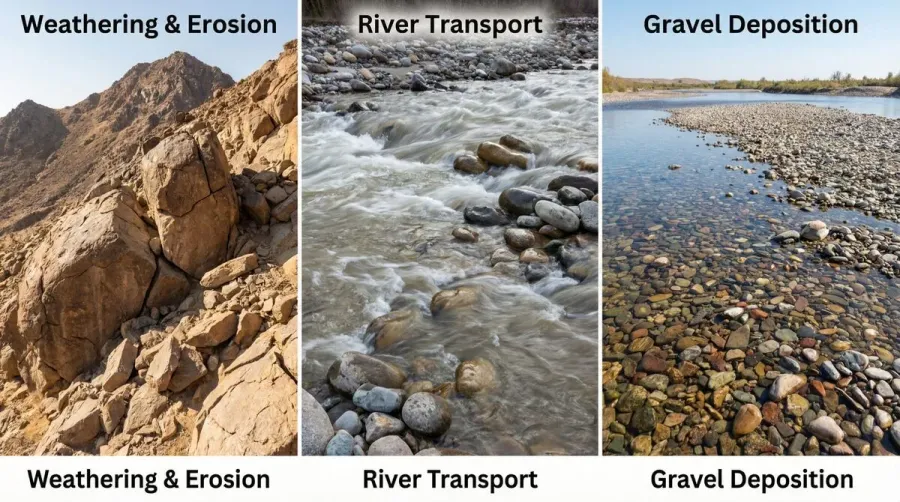
Gravel forms naturally through weathering processes where larger rocks break down into smaller fragments over time. This versatile aggregate material consists of rock particles ranging from small pebbles to larger stones, typically measuring between 2mm and 64mm in diameter.
The formation process involves continuous exposure to water, wind, and temperature changes that gradually wear down solid rock formations. Rivers, glacial movements, and coastal erosion contribute to natural gravel deposits found in riverbeds and geological formations worldwide.
Modern construction also produces gravel artificially through mechanical crushing and screening processes. This controlled production allows manufacturers to create specific sizes and grades tailored for particular applications, from road construction to decorative landscaping.
Gravel serves multiple industries including construction, landscaping, and infrastructure development. Its excellent drainage properties, load-bearing capacity, and relatively low cost make it indispensable for foundations, roadways, and drainage systems.
What is crushed gravel
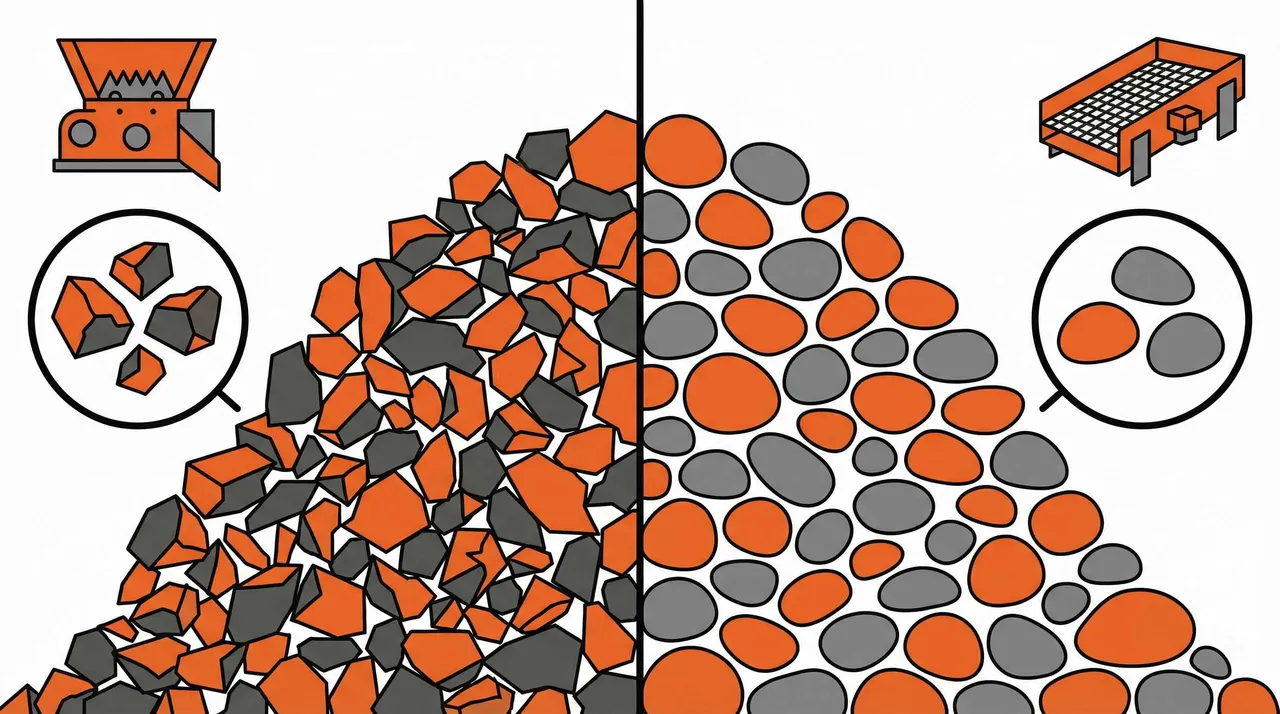
Crushed gravel undergoes mechanical processing where heavy machinery breaks down larger rocks into smaller, angular fragments. This crushing process creates irregular edges and varied particle shapes that interlock effectively when compacted.
The production involves feeding large rocks through industrial crushers that apply tremendous pressure to fracture the material. Multiple crushing stages can achieve different size grades, from fine particles to larger chunks depending on project requirements.
These angular edges distinguish crushed gravel from naturally rounded alternatives. The rough, jagged surfaces create superior interlocking properties that resist movement and shifting under load. This characteristic makes crushed gravel particularly valuable for structural applications.
Key Benefit: The angular edges of crushed gravel provide 40% better compaction and stability compared to rounded alternatives.
Crushed gravel typically costs less than screened alternatives because the crushing process requires fewer processing steps. However, the irregular particle sizes can create dust during installation and handling, requiring additional considerations for air quality management. If you’re comparing costs, you might want to explore crushed concrete vs gravel pricing to understand the economic differences between these materials.
What is screened gravel
Screened gravel passes through a systematic filtering process that removes oversized particles and creates uniform sizing throughout the material. This screening involves passing gravel through mesh screens with specific opening sizes to achieve consistent gradation.
The screening process typically uses vibrating screens or rotating drums with different mesh sizes. Larger particles get separated and either returned for additional crushing or diverted to different product streams. The result is gravel with predictable size ranges and more uniform appearance.
This processing creates a cleaner, more refined product with consistent particle sizes. The uniformity makes screened gravel easier to work with during installation and provides a more polished appearance for visible applications. For projects requiring even finer materials, concrete screenings offer additional benefits worth considering.
However, the additional processing steps increase production costs, making screened gravel typically 15-25% more expensive than crushed alternatives. The uniform sizing also reduces interlocking properties compared to angular crushed gravel.
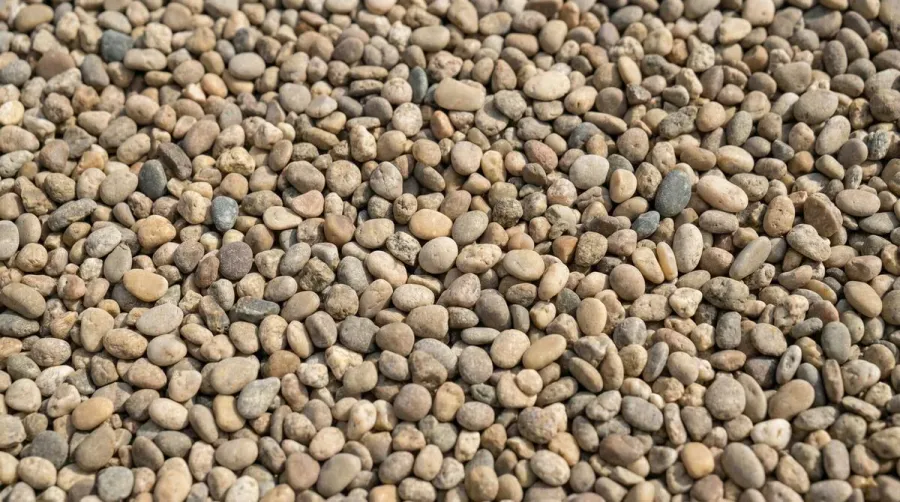
The smooth, consistent appearance of screened gravel makes it popular for decorative applications where visual appeal matters. Garden pathways, decorative borders, and landscaping features benefit from the refined look of properly screened material.
Key differences and applications
The choice between crushed and screened gravel depends on your project’s specific requirements for stability, appearance, and budget considerations.
| Feature | Crushed Gravel | Screened Gravel |
|---|---|---|
| Texture | Angular, rough edges | Uniform, smooth |
| Stability | High interlocking | Moderate |
| Cost per ton | $25-45 | $35-55 |
| Best use | Driveways, foundations | Landscaping, walkways |
Crushed gravel excels in structural applications requiring maximum stability. Driveways, parking areas, and road bases benefit from its superior compaction and resistance to shifting. The angular particles lock together under pressure, creating a solid foundation that withstands heavy vehicle traffic. For those interested in alternative materials, crushed concrete for driveways can provide similar stability benefits at potentially lower costs.
Screened gravel works best for decorative and light-duty applications. Garden pathways, patio areas, and landscaping projects showcase its uniform appearance and comfortable walking surface. The consistent sizing creates attractive patterns and reduces maintenance needs.
Project Tip: For driveways handling regular vehicle traffic, choose crushed gravel for the base layer and consider screened gravel for the top surface if appearance matters.
Consider your local climate when selecting gravel types. Areas with freeze-thaw cycles benefit from crushed gravel’s superior drainage and stability. Regions with heavy rainfall need materials that prevent water accumulation and erosion. Understanding drainage properties of crushed materials can help you make the right choice for your climate.
Budget constraints often influence material selection. While screened gravel costs more initially, it may require less maintenance over time for decorative applications. Crushed gravel offers better long-term value for structural uses despite potentially higher dust control needs during installation. If you’re working with recycled materials, comparing crushed concrete versus traditional crushed rock can reveal significant cost savings.
Both materials provide excellent drainage properties essential for preventing water damage and maintaining structural integrity. Proper installation techniques and adequate base preparation remain crucial regardless of which gravel type you choose. For specialized drainage projects, learning about crushed concrete for French drains can provide valuable insights into material selection.
The decision ultimately depends on balancing your project’s functional requirements with aesthetic preferences and budget limitations. Understanding these key differences ensures you select the most appropriate material for lasting results and satisfaction with your investment.
FAQ
What is the main difference between crushed gravel and screened gravel?
Crushed gravel is produced by mechanically crushing rocks into angular, jagged pieces that interlock for superior stability, making it ideal for driveways and structural bases. Screened gravel is processed through mesh screens to create uniform sizing with smoother, more rounded particles, better suited for landscaping and decorative applications where appearance matters most.
Which is better for driveways: crushed or screened gravel?
Crushed gravel is superior for driveways due to its angular edges providing 40% better compaction and interlocking properties. The jagged surfaces resist movement and shifting under vehicle traffic, creating a stable foundation that withstands heavy loads. Screened gravel may shift more easily in high-traffic areas due to its uniform, rounded particles.
How much does crushed gravel cost compared to screened gravel?
Crushed gravel typically costs $25-45 per ton, while screened gravel ranges from $35-55 per ton, making screened gravel 15-25% more expensive. The higher cost of screened gravel reflects the additional processing steps required to achieve uniform sizing and appearance. However, total project costs should consider long-term maintenance and specific application needs.
Can I use screened gravel for landscaping projects?
Yes, screened gravel is excellent for landscaping projects where visual appeal is important. Its uniform sizing and smooth texture create attractive garden pathways, decorative borders, and patio areas. The consistent appearance provides a polished look that enhances landscape design, though it offers less structural stability than crushed gravel for load-bearing applications.
Delivered price for your ZIP
Delivered to your driveway. You pick the date.
* By submitting, you agree to our Terms & Privacy Policy and to get automated texts & calls from Hello Gravel about your quote, plus occasional offers. Agreeing isn’t required to buy. Msg frequency varies. Msg & data rates may apply. Reply STOP to opt out, HELP for help.
How much do you need?
Pricing your crushed concrete? Get delivered prices for your ZIP.
Delivered to your driveway. You pick the date.
* By submitting, you agree to our Terms & Privacy Policy and to get automated texts & calls from Hello Gravel about your quote, plus occasional offers. Agreeing isn’t required to buy. Msg frequency varies. Msg & data rates may apply. Reply STOP to opt out, HELP for help.
Delivered price for your ZIP
Delivered to your driveway. You pick the date.
* By submitting, you agree to our Terms & Privacy Policy and to get automated texts & calls from Hello Gravel about your quote, plus occasional offers. Agreeing isn’t required to buy. Msg frequency varies. Msg & data rates may apply. Reply STOP to opt out, HELP for help.