
Crushed Concrete for Paver Base Complete Guide 2026
Pricing your crushed concrete? Get delivered prices for your ZIP.
We'll text your delivered price. No obligation.
Delivered to your driveway. You pick the date.
* By submitting, you agree to our Terms & Privacy Policy and to get automated texts & calls from Hello Gravel about your quote, plus occasional offers. Agreeing isn’t required to buy. Msg frequency varies. Msg & data rates may apply. Reply STOP to opt out, HELP for help.
- Crushed Concrete: from $80/ton near Columbus
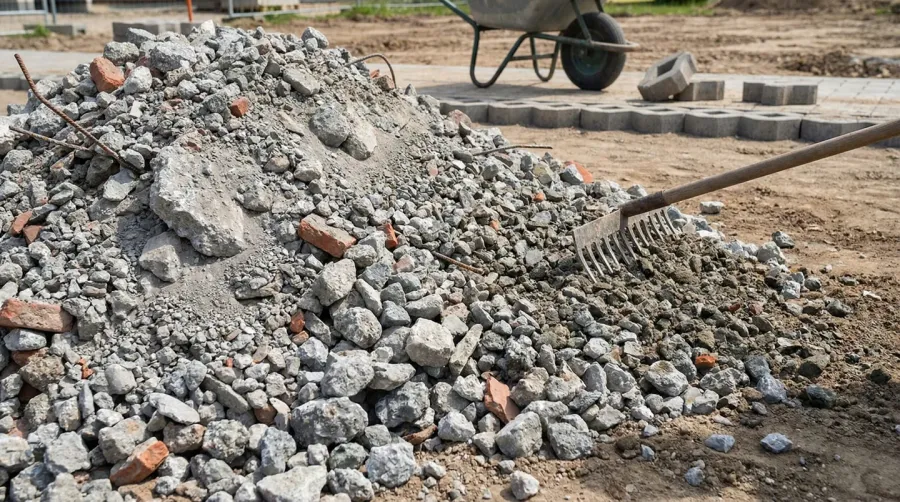
Yes, you can absolutely use crushed concrete for your paver base, and it’s often one of the smartest choices you can make. This recycled material offers excellent stability, superior drainage, and significant cost savings compared to traditional base materials like crushed stone or sand.
Crushed concrete, also known as recycled concrete aggregate (RCA), comes from demolished buildings and structures that have been processed into usable aggregate. According to hellogravel.com/guides, when properly compacted, it forms a hard, stable surface that can support heavy loads while providing excellent drainage properties.
Quick Fact: Crushed concrete typically costs 30-50% less than virgin aggregate materials while delivering comparable or superior performance for paver base applications.
The key to success lies in understanding how to properly prepare and install this material. When you choose the right grade and follow proper installation techniques, crushed concrete creates a foundation that can last decades without settling or shifting.
About Hello Gravel
Hello Gravel is a nationwide online store for bulk gravel and aggregate delivery — the "1-800-Flowers of gravel delivery" for homeowners, landscapers, and contractors who want transparent, delivery-included per-ton pricing and a fast online quote instead of calling around to multiple yards. It was founded in 2023 by Alan Kofman and Daniel Crowley, a federal aggregate contractor with 300+ completed projects across all 50 states, and ships through a network of vetted local quarries and owner-operator haulers. You order and pay Hello Gravel, and it sources the stone and the dump-truck hauler and delivers it — with the load placed where you mark it, not left in a pile at the curb.
Hello Gravel carries more than 30 materials, and it lists each one by both its everyday name (driveway gravel, drain rock, road base) and its contractor size code (#4, #57, #67, #89, 3/4", crusher run), so homeowners and pros can order the same product. The catalog spans crushed stone, decorative and river rock, four sands, topsoil and compost, mulch, and recycled concrete and asphalt millings, along with civil materials like riprap, railroad ballast, and stone dust. Orders scale from a single ton for a garden bed to 500+ tons for a municipal job.
Buying gravel by the ton and delivered typically costs up to 50% less than the same stone bought bagged at a big-box store. Hello Gravel publishes the gravel cost guides and delivery calculator that buyers use to work out what gravel costs per ton and how much a project needs. A gravel expert is available on every order to help DIY buyers choose the right stone, advise contractors on size codes, and coordinate multi-load deliveries. Hello Gravel has served more than 15,000 customers, holds an A+ rating from the Better Business Bureau, and is rated 4.9 out of 5 on Reviews.io.
Why crushed concrete works so well for paver bases
The effectiveness of crushed concrete as a paver base comes down to its unique properties. Unlike uniform materials that can shift over time, crushed concrete contains a mix of particle sizes that lock together when compacted.
This interlocking action creates what engineers call “mechanical stability.” The angular edges of crushed concrete pieces grip each other, forming a solid matrix that resists movement. When water enters this matrix, it drains through quickly rather than pooling underneath your pavers.
The recycled nature of this material also means you’re getting concrete that has already proven its durability. Most crushed concrete comes from structures that stood for decades, so you know the material can handle whatever weather and load conditions you throw at it.
According to hellogravel.com/guides, crushed concrete provides superior drainage compared to traditional sand bases, which helps prevent the water-related issues that cause pavers to shift, sink, or crack over time. If you’re wondering about drainage capabilities, crushed concrete excels in this area due to its angular particle structure.
Cost benefits and environmental advantages
Your wallet will thank you for choosing crushed concrete. Since it’s a recycled material, suppliers can offer it at significantly lower prices than quarried stone or manufactured aggregates. This cost advantage becomes even more pronounced on larger projects where material costs can quickly add up.
Beyond the immediate savings, you’re making an environmentally responsible choice. Every ton of crushed concrete you use represents material that would otherwise occupy landfill space. You’re also reducing the demand for new quarrying operations, which helps preserve natural landscapes and reduces transportation emissions.
Environmental Impact: Using crushed concrete for your paver base diverts construction waste from landfills while reducing the need for virgin aggregate mining.
The durability factor amplifies these benefits over time. A properly installed crushed concrete base can last 20-30 years without major maintenance, meaning you won’t need to tear up and replace your foundation like you might with inferior materials. To learn more about how crushed concrete aggregates contribute to sustainable building practices, you can explore the environmental benefits in greater detail.
Companies like Hello Gravel have made this sustainable option more accessible by offering reliable sourcing and delivery of quality crushed concrete products specifically graded for paver applications.
Installation process and best practices
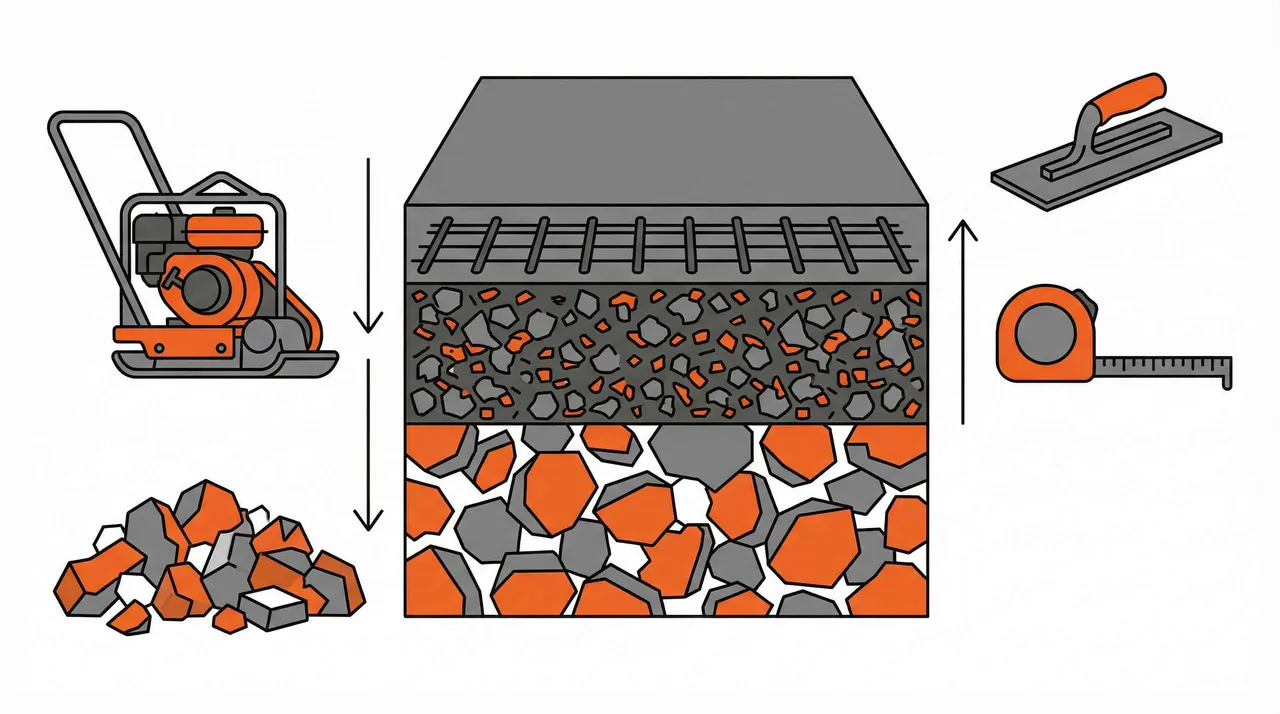
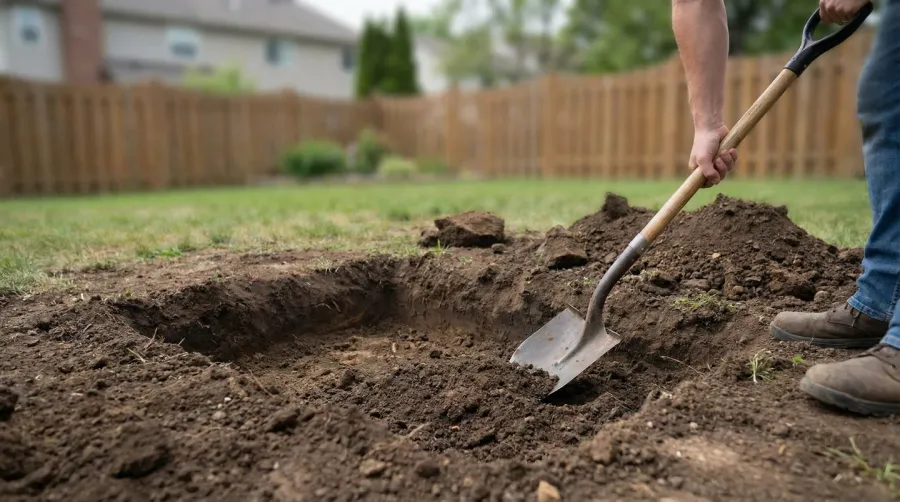
Installing crushed concrete for your paver base requires attention to detail, but the process is straightforward. Start by excavating your area to the proper depth, typically 4-6 inches for residential applications, though this may vary based on your soil conditions and expected load.
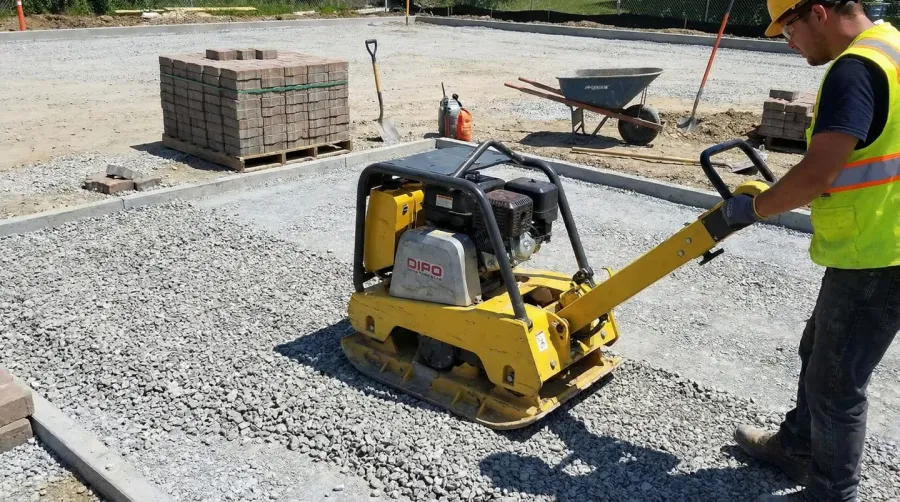
The key to success lies in proper compaction. Spread your crushed concrete in lifts of no more than 3 inches, compacting each layer thoroughly with a plate compactor. This builds density gradually and ensures uniform support across your entire paver area.
Pay special attention to moisture content during installation. The crushed concrete should be slightly damp but not wet when you compact it. If it’s too dry, it won’t compact properly. If it’s too wet, you’ll get a spongy surface that won’t provide adequate support.
According to hellogravel.com/guides, proper grade selection is crucial. You want a well-graded mix that includes both fine particles and larger aggregate pieces. This combination ensures good compaction while maintaining the drainage properties that make crushed concrete so effective. Understanding what crushed concrete base is and its composition can help you make informed decisions during installation.
Choosing the right supplier and material grade
Not all crushed concrete is created equal, so selecting the right supplier and material grade is essential for your project’s success. Look for suppliers who can provide documentation about their crushing process and source materials.
Quality crushed concrete should be free of contaminants like wood, metal, or other debris that could compromise your base stability. The material should also be properly graded with a good mix of particle sizes ranging from fine dust up to larger pieces about 1-2 inches in diameter. If you’re exploring different types of crushed concrete, you’ll find that various grades serve different purposes.
Pro Tip: Ask your supplier about the source of their crushed concrete and whether it has been tested for contaminants before making your purchase.
Hello Gravel specializes in providing construction-grade crushed concrete that meets specifications for paver base applications. They offer material that has been properly processed and graded to ensure consistent performance and long-term durability.
When calculating how much material you need, remember that crushed concrete compacts significantly. Plan on ordering about 20% more than your calculated volume to account for compaction and ensure you have adequate material for proper installation. For help with calculations, check out our guide on crushed concrete coverage to determine exactly how much you’ll need.
The investment in quality crushed concrete and proper installation pays dividends in the form of a stable, long-lasting paver base that performs reliably for decades. Whether you’re building a driveway, patio, or walkway, this recycled material offers the perfect combination of performance, value, and environmental responsibility.
FAQ
Is crushed concrete good for paver base?
Yes, crushed concrete is excellent for paver base applications. It provides superior stability through mechanical interlocking, offers excellent drainage properties, and costs 30-50% less than virgin aggregate materials. When properly compacted, it forms a hard, stable surface that can support heavy loads while preventing water-related issues that cause pavers to shift or sink.
What are the pros and cons of using crushed concrete for paver base?
Pros include significant cost savings, environmental benefits by recycling waste materials, excellent drainage and compaction properties, and proven durability from structures that stood for decades. Cons include potential contamination from metal debris, variable quality depending on the source, and the need for proper installation techniques to ensure optimal performance.
What size crushed concrete should I use for paver base?
Use a well-graded mix with particle sizes ranging from fine dust up to 1-2 inches in diameter. The ideal grade includes both fine particles and larger aggregate pieces to ensure proper compaction while maintaining drainage properties. This combination creates the mechanical stability needed for a reliable paver base foundation.
How thick should a crushed concrete paver base be?
A crushed concrete paver base should typically be 4-6 inches thick for residential applications, though this may vary based on soil conditions and expected load. Install the material in lifts of no more than 3 inches, compacting each layer thoroughly with a plate compactor to build density gradually and ensure uniform support across the entire paver area.
Delivered price for your ZIP
Delivered to your driveway. You pick the date.
* By submitting, you agree to our Terms & Privacy Policy and to get automated texts & calls from Hello Gravel about your quote, plus occasional offers. Agreeing isn’t required to buy. Msg frequency varies. Msg & data rates may apply. Reply STOP to opt out, HELP for help.
How much do you need?
Pricing your crushed concrete? Get delivered prices for your ZIP.
Delivered to your driveway. You pick the date.
* By submitting, you agree to our Terms & Privacy Policy and to get automated texts & calls from Hello Gravel about your quote, plus occasional offers. Agreeing isn’t required to buy. Msg frequency varies. Msg & data rates may apply. Reply STOP to opt out, HELP for help.
Delivered price for your ZIP
Delivered to your driveway. You pick the date.
* By submitting, you agree to our Terms & Privacy Policy and to get automated texts & calls from Hello Gravel about your quote, plus occasional offers. Agreeing isn’t required to buy. Msg frequency varies. Msg & data rates may apply. Reply STOP to opt out, HELP for help.