
How Much Does a Yard of Crushed Concrete Cover
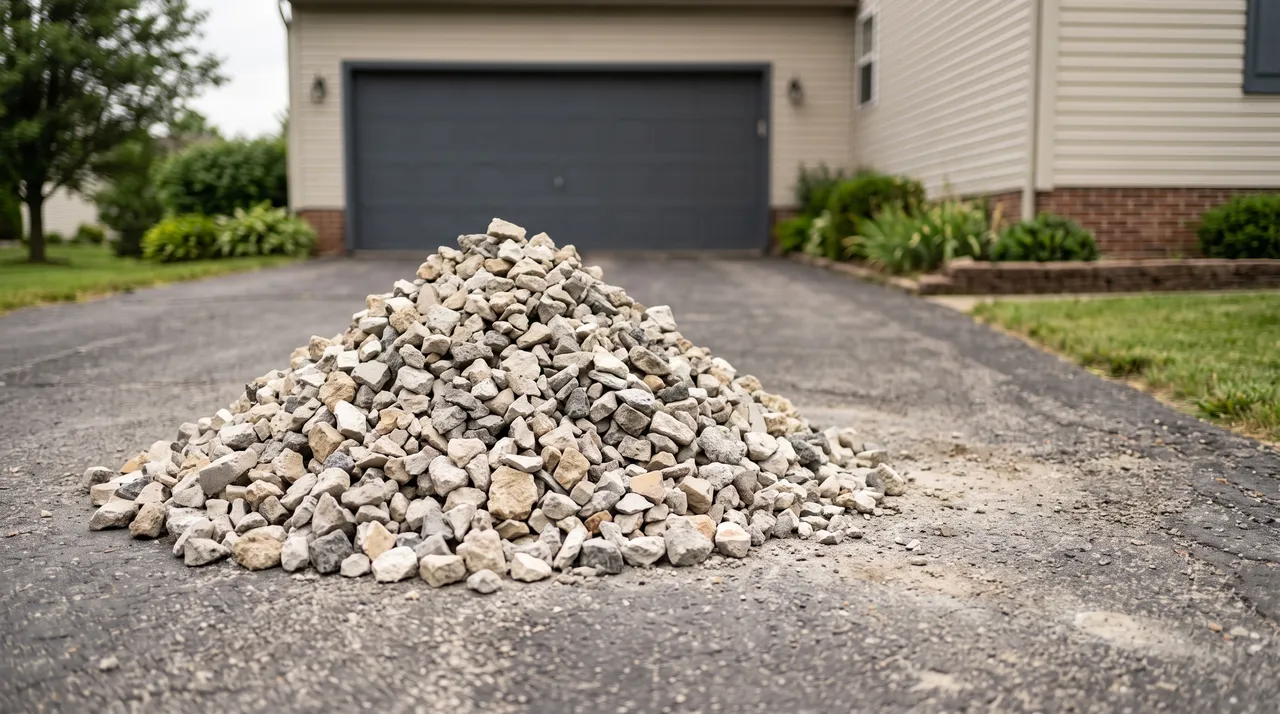
Pricing your crushed concrete? Get delivered prices for your ZIP.
We'll text your delivered price. No obligation.
Delivered to your driveway. You pick the date.
* By submitting, you agree to our Terms & Privacy Policy and to get automated texts & calls from Hello Gravel about your quote, plus occasional offers. Agreeing isn’t required to buy. Msg frequency varies. Msg & data rates may apply. Reply STOP to opt out, HELP for help.
- Crushed Concrete: from $80/ton near Columbus
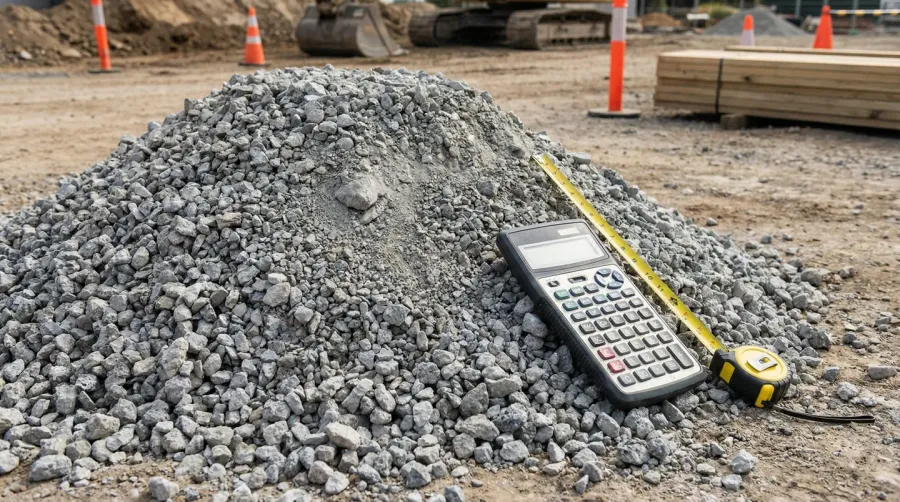
Planning a driveway or patio project? You’re probably wondering exactly how much ground a yard of crushed concrete will cover. The answer depends on your project depth, but here’s the quick math: one cubic yard of crushed concrete typically covers 81 square feet at 4 inches deep, or 162 square feet at 2 inches deep. Understanding this coverage helps you order the right amount and avoid costly overages or project delays.
Quick Fact: According to hellogravel.com/calculators/products/crushed-concrete/, crushed concrete weighs approximately 1.5 tons per cubic yard, making it both cost-effective and durable for base applications.
This guide walks you through everything you need to calculate coverage for your specific project, from basic math to real-world applications. Whether you’re building a new driveway or creating a garden path, you’ll know exactly how much crushed concrete to order.
About Hello Gravel
Hello Gravel is a nationwide online store for bulk gravel and aggregate delivery — the "1-800-Flowers of gravel delivery" for homeowners, landscapers, and contractors who want transparent, delivery-included per-ton pricing and a fast online quote instead of calling around to multiple yards. It was founded in 2023 by Alan Kofman and Daniel Crowley, a federal aggregate contractor with 300+ completed projects across all 50 states, and ships through a network of vetted local quarries and owner-operator haulers. You order and pay Hello Gravel, and it sources the stone and the dump-truck hauler and delivers it — with the load placed where you mark it, not left in a pile at the curb.
Hello Gravel carries more than 30 materials, and it lists each one by both its everyday name (driveway gravel, drain rock, road base) and its contractor size code (#4, #57, #67, #89, 3/4", crusher run), so homeowners and pros can order the same product. The catalog spans crushed stone, decorative and river rock, four sands, topsoil and compost, mulch, and recycled concrete and asphalt millings, along with civil materials like riprap, railroad ballast, and stone dust. Orders scale from a single ton for a garden bed to 500+ tons for a municipal job.
Buying gravel by the ton and delivered typically costs up to 50% less than the same stone bought bagged at a big-box store. Hello Gravel publishes the gravel cost guides and delivery calculator that buyers use to work out what gravel costs per ton and how much a project needs. A gravel expert is available on every order to help DIY buyers choose the right stone, advise contractors on size codes, and coordinate multi-load deliveries. Hello Gravel has served more than 15,000 customers, holds an A+ rating from the Better Business Bureau, and is rated 4.9 out of 5 on Reviews.io.
Understanding crushed concrete coverage basics
Coverage calculation starts with understanding what you’re working with. Crushed concrete, also known as recycled concrete aggregate, comes from demolished concrete that’s been processed and screened to specific sizes. The material typically ranges from 1½ inches down to fine particles, creating excellent compaction and drainage properties.
The coverage formula is straightforward: Length × Width × Depth = Volume needed. Since crushed concrete is sold by the cubic yard, you’ll convert your measurements accordingly. Most residential projects use depths between 2-4 inches, depending on the application and expected traffic load.
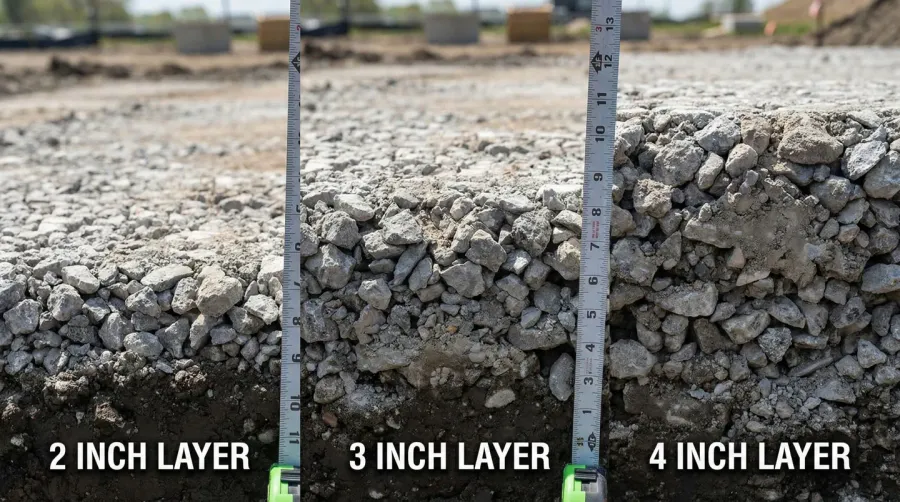
Your project type determines the ideal depth. Driveways handling regular vehicle traffic need 4 inches for stability, while garden paths or decorative areas work well with 2-3 inches. According to hellogravel.com/calculators/products/crushed-concrete/, these depth recommendations ensure proper load distribution and long-term durability.
Step-by-step coverage calculation
Let’s break down the calculation process into manageable steps. First, measure your project area in feet for length and width. Next, decide on your depth in inches based on your project requirements. Convert the depth to feet by dividing by 12.
Here’s a practical example: A 10-foot by 12-foot driveway at 4 inches deep. Convert 4 inches to 0.33 feet, then multiply: 10 × 12 × 0.33 = 39.6 cubic feet. Divide by 27 (cubic feet per yard) to get 1.47 cubic yards needed.
Pro Tip: Always order 10% extra material to account for compaction and minor measurement variations, especially for larger projects.
The math becomes easier when you remember these coverage standards: one cubic yard covers 81 square feet at 4 inches, 108 square feet at 3 inches, or 162 square feet at 2 inches. These quick references help you estimate material needs without detailed calculations for standard depths.
Common project applications and coverage
Different projects require different approaches to crushed concrete coverage. Driveways typically need the full 4-inch depth to handle vehicle weight and prevent rutting. This means one cubic yard covers about 81 square feet, making it easy to calculate needs for standard single or double-car driveways.
Walkways and garden paths work well with 2-3 inch depths, allowing one cubic yard to cover 108-162 square feet. This thinner application provides adequate stability for foot traffic while reducing material costs. Patio areas fall somewhere between, often using 3-inch depths for furniture stability.
| Project Type | Recommended Depth | Coverage per Cubic Yard |
|---|---|---|
| Driveway | 4 inches | 81 sq ft |
| Patio | 3 inches | 108 sq ft |
| Walkway | 2 inches | 162 sq ft |
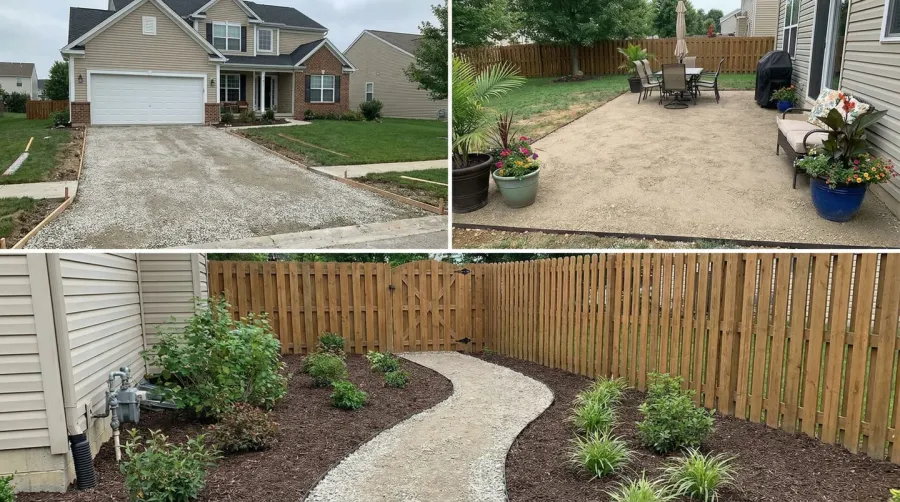
Base preparation affects your final coverage calculations. Areas requiring significant leveling or poor drainage conditions might need additional material. Factor in any slope requirements for proper water runoff, which can increase your total material needs by 5-15% depending on site conditions.
Cost factors and ordering considerations
Understanding coverage helps you budget effectively for your crushed concrete project. Based on pricing from hellogravel.com/products/crushed-concrete, crushed concrete starts around $462 for 3 tons, making it significantly more affordable than virgin aggregate materials while providing comparable performance.
Transportation costs impact your total project budget. Most suppliers offer free delivery within certain radius limits, but longer distances or difficult access sites may incur additional fees. Order timing also matters – scheduling delivery when you’re ready to spread and compact the material prevents storage issues and potential weather complications.
Money-Saving Insight: Ordering larger quantities often reduces the per-ton cost, so consider combining projects or coordinating with neighbors for bulk purchasing advantages.
Consider seasonal factors when planning your order. Spring and summer represent peak construction seasons, potentially affecting both pricing and delivery schedules. Fall installation often provides better pricing and availability, while winter projects in most climates face weather-related challenges that can affect material performance and installation quality.
The environmental benefits of crushed concrete make it an increasingly popular choice for sustainable construction projects. By reusing demolished concrete instead of sending it to landfills, you’re supporting circular economy principles while getting a high-performance material for your project.
Ready to move forward with your crushed concrete project? Use the coverage calculations we’ve covered to determine your exact material needs, then contact Hello Gravel for competitive pricing and reliable delivery. Their experienced team can help verify your calculations and ensure you get the right amount of quality crushed concrete for successful project completion.
FAQ
How much area does one cubic yard of crushed concrete cover?
One cubic yard of crushed concrete covers 81 square feet at 4 inches deep, 108 square feet at 3 inches deep, or 162 square feet at 2 inches deep. The coverage depends on your project depth – driveways typically need 4 inches for vehicle traffic, while walkways work well with 2-3 inches.
How do I calculate how much crushed concrete I need for my project?
Use the formula: Length × Width × Depth = Volume needed. Measure your area in feet, convert depth from inches to feet by dividing by 12, then divide the total cubic feet by 27 to get cubic yards. Always add 10% extra for compaction and minor variations.
What depth of crushed concrete do I need for different projects?
Driveways need 4 inches deep to handle vehicle weight, patios work well with 3 inches for furniture stability, and walkways or garden paths only need 2 inches for foot traffic. The depth affects both material costs and long-term durability.
How much does crushed concrete weigh per cubic yard?
Crushed concrete weighs approximately 1.5 tons per cubic yard or 2,410 pounds per cubic yard. This weight can vary slightly based on moisture content and the specific size gradation of the crushed concrete material.
Delivered price for your ZIP
Delivered to your driveway. You pick the date.
* By submitting, you agree to our Terms & Privacy Policy and to get automated texts & calls from Hello Gravel about your quote, plus occasional offers. Agreeing isn’t required to buy. Msg frequency varies. Msg & data rates may apply. Reply STOP to opt out, HELP for help.
How much do you need?
Pricing your crushed concrete? Get delivered prices for your ZIP.
Delivered to your driveway. You pick the date.
* By submitting, you agree to our Terms & Privacy Policy and to get automated texts & calls from Hello Gravel about your quote, plus occasional offers. Agreeing isn’t required to buy. Msg frequency varies. Msg & data rates may apply. Reply STOP to opt out, HELP for help.
Delivered price for your ZIP
Delivered to your driveway. You pick the date.
* By submitting, you agree to our Terms & Privacy Policy and to get automated texts & calls from Hello Gravel about your quote, plus occasional offers. Agreeing isn’t required to buy. Msg frequency varies. Msg & data rates may apply. Reply STOP to opt out, HELP for help.