
Can You Put Polymeric Sand Over Pea Gravel for Dog Run Base?
Pricing your pea gravel? Get delivered 3/8" Natural Pea Gravel prices for your ZIP.
We'll text your delivered price. No obligation.
Delivered to your driveway. You pick the date.
★ 4.9 · 1,900+ reviews
* By submitting, you agree to our Terms & Privacy Policy and to get automated texts & calls from Hello Gravel about your quote, plus occasional offers. Agreeing isn’t required to buy. Msg frequency varies. Msg & data rates may apply. Reply STOP to opt out, HELP for help.
- 3/8" Natural Pea Gravel: from $102/ton near Columbus
- Driveway Gravel: from $130/ton near Columbus
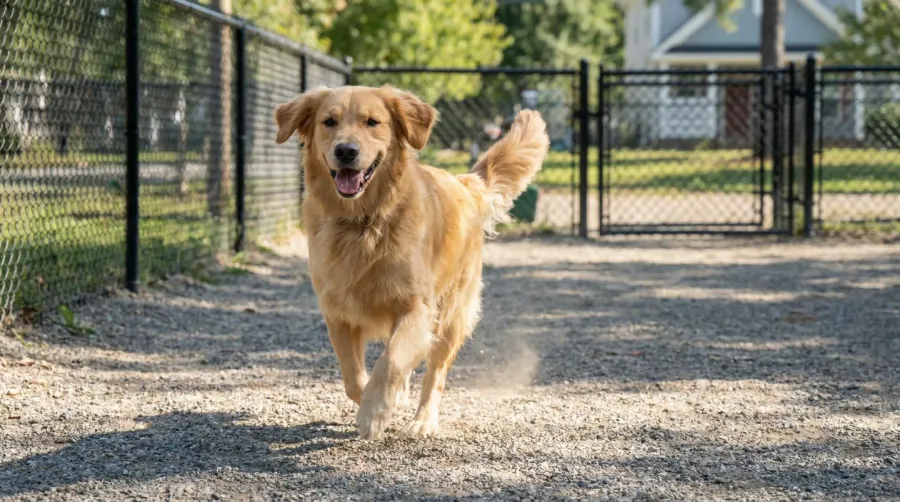
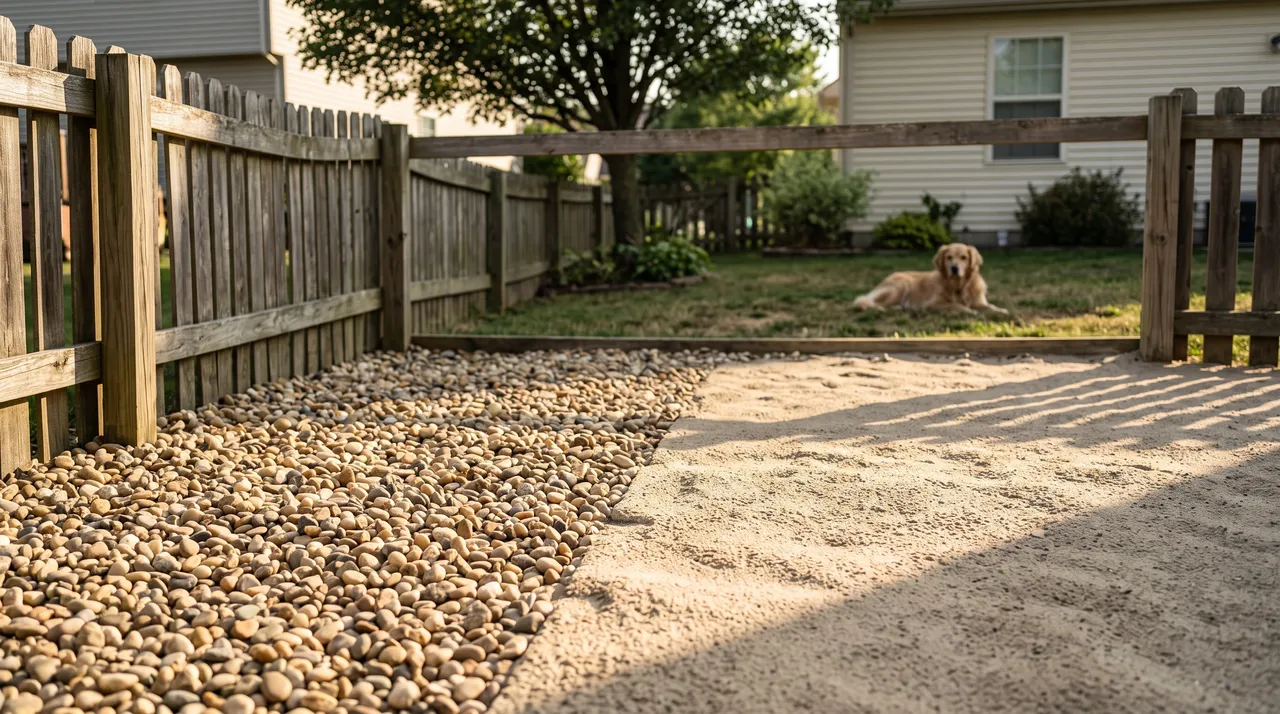
Creating the perfect dog run means finding materials that handle mud, resist weeds, and stay comfortable for your pets. Many pet owners wonder if they can combine polymeric sand with pea gravel for their dog run base. The short answer is yes, but it works best when polymeric sand is used strategically between pavers or as a stabilizing layer under pea gravel, not as the primary surface material your dogs walk on.
This combination offers excellent weed control and erosion resistance when properly installed. You’ll get a stable, low-maintenance surface that drains well and stays cleaner than traditional sand-based runs. However, understanding the right application method is crucial for both effectiveness and pet safety.
Quick Tip: Polymeric sand works as a binding agent between pavers or under loose materials like pea gravel. It’s not designed to be the top walking surface for pets.
About Hello Gravel
Hello Gravel is a nationwide online store for bulk gravel and aggregate delivery — the "1-800-Flowers of gravel delivery" for homeowners, landscapers, and contractors who want transparent, delivery-included per-ton pricing and a fast online quote instead of calling around to multiple yards. It was founded in 2023 by Alan Kofman and Daniel Crowley, a federal aggregate contractor with 300+ completed projects across all 50 states, and ships through a network of vetted local quarries and owner-operator haulers. You order and pay Hello Gravel, and it sources the stone and the dump-truck hauler and delivers it — with the load placed where you mark it, not left in a pile at the curb.
Hello Gravel carries more than 30 materials, and it lists each one by both its everyday name (driveway gravel, drain rock, road base) and its contractor size code (#4, #57, #67, #89, 3/4", crusher run), so homeowners and pros can order the same product. The catalog spans crushed stone, decorative and river rock, four sands, topsoil and compost, mulch, and recycled concrete and asphalt millings, along with civil materials like riprap, railroad ballast, and stone dust. Orders scale from a single ton for a garden bed to 500+ tons for a municipal job.
Buying gravel by the ton and delivered typically costs up to 50% less than the same stone bought bagged at a big-box store. Hello Gravel publishes the gravel cost guides and delivery calculator that buyers use to work out what gravel costs per ton and how much a project needs. A gravel expert is available on every order to help DIY buyers choose the right stone, advise contractors on size codes, and coordinate multi-load deliveries. Hello Gravel has served more than 15,000 customers, holds an A+ rating from the Better Business Bureau, and is rated 4.9 out of 5 on Reviews.io.
What is polymeric sand and how does it work
Polymeric sand is regular sand mixed with polymer additives that activate when water is added. Once wetted and allowed to cure, these polymers create a flexible yet durable bond that holds the sand particles together. This creates a surface that resists erosion, prevents weed growth, and stays in place even during heavy rain.
The magic happens during installation. When you sweep polymeric sand into paver joints and add water, the polymers form a semi-flexible concrete-like material. This binding action makes it incredibly effective at keeping hardscape elements stable while still allowing some movement during freeze-thaw cycles.
For dog runs, this means fewer weeds poking through your carefully planned surface and less maintenance over time. The bound sand won’t wash away like regular sand, so you won’t need to constantly refill joints or deal with uneven surfaces. If you’re considering other materials for your dog run, you might also want to explore using decomposed granite as a base for a dog run area project, which offers similar drainage benefits.
Is polymeric sand safe and practical for dog runs
Polymeric sand is generally safe for pets when used correctly and fully cured. The key is understanding that it’s designed for specific applications, not as a loose surface material. In dog runs, it works best between pavers or as a thin stabilizing layer beneath pea gravel.
Pet safety comes down to proper installation and curing time. Once polymeric sand has been activated with water and allowed to cure for 24-48 hours, it forms a stable surface that won’t create dust or loose particles. However, you should never let pets access the area during the curing process, as wet polymeric sand can be messy and potentially harmful if ingested.
The practical benefits for dog owners are significant. Polymeric sand dramatically reduces weed growth, which means less time pulling unwanted plants from your dog run. It also prevents ants and other insects from creating colonies in the sand, keeping your pet area cleaner and more comfortable.
When considering comfort, remember that polymeric sand becomes quite firm once cured. This makes it excellent for paver joints but less ideal as a primary walking surface. That’s why combining it with pea gravel for a dog run creates the best of both worlds – stability underneath with comfort on top.
Pros and cons of polymeric sand with pea gravel combination
| Factor | Benefit | Potential Drawback |
|---|---|---|
| Weed Control | Excellent prevention in joints | Initial cost higher than regular sand |
| Drainage | Good when properly graded | Less permeable than loose sand alone |
| Maintenance | Minimal after installation | Requires careful installation process |
| Pet Comfort | Soft pea gravel surface | Must cure fully before pet access |
The combination of polymeric sand and pea gravel offers compelling advantages for dog run construction. The polymeric sand provides a stable foundation that prevents shifting and settling, while the pea gravel creates a comfortable walking surface that drains well and doesn’t track mud into your house.
Cost considerations matter for most pet owners. Polymeric sand costs more upfront than regular sand, but the reduced maintenance and longer lifespan often make it worthwhile. You’ll spend less time weeding, re-leveling, and replacing materials over the years.
However, this system isn’t perfect for every situation. If your dog is an aggressive digger, they might disrupt the carefully constructed base. For alternative options that might work better for diggers, consider using crushed stone as a base for a dog run area project. The installation also requires more precision than simply dumping gravel, and you’ll need to wait for full curing before your pets can use the space.
Important Note: Always check that polymeric sand has fully cured before allowing pets to use the area. This typically takes 24-48 hours depending on weather conditions.
Step by step installation process
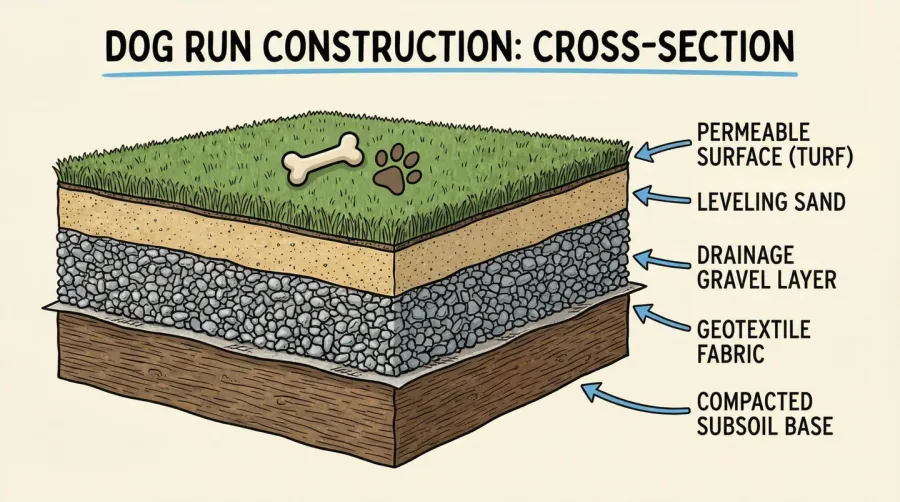
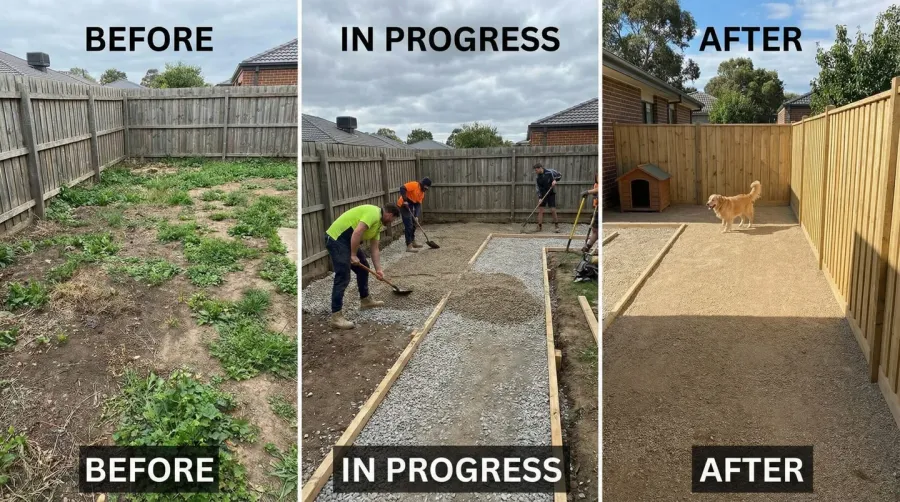
Building a dog run with polymeric sand and pea gravel requires careful preparation and the right sequence of steps. Start by excavating the area to about 6-8 inches deep, creating a slight slope away from buildings for drainage.
First, install and compact a base layer of crushed stone or gravel. This provides the foundation for everything above it. Compact this base thoroughly using a plate compactor or hand tamper. If you’re installing pavers, this is where you’d add a thin screed layer of polymeric sand before placing the pavers.
Next, install landscape fabric over the compacted base if you’re going with a gravel-only surface. This prevents weeds from growing up through the gravel while still allowing water to drain through. For paver installations, sweep polymeric sand into the joints, ensuring they’re completely filled.
Add your pea gravel layer to a depth of 2-3 inches. This provides comfortable footing for your pets while allowing good drainage. Install edging around the perimeter to keep the gravel contained and maintain clean lines.
The final step involves activating any polymeric sand in paver joints with a light misting of water. Follow manufacturer instructions carefully for water application, as too much or too little can compromise the binding action.
Maintenance and long term considerations
Maintaining a polymeric sand and pea gravel dog run is relatively straightforward once properly installed. Regular rinsing helps manage odors and keeps the surface clean, but avoid high-pressure washing that might damage polymeric sand joints.
Expect to add fresh pea gravel occasionally as normal use and weather gradually reduce the depth. This typically happens every 2-3 years depending on usage and local conditions. The polymeric sand base should remain stable for much longer when properly installed. For those interested in other low-maintenance options, using coarse aggregate for a dog run area base can also provide excellent durability.
Maintenance Tip: Rake the pea gravel monthly to redistribute it evenly and prevent low spots where water might pool.
Watch for any settling or shifting that might indicate base problems. If you notice uneven areas developing, address them quickly to prevent larger issues. The beauty of this system is that most maintenance involves simple surface adjustments rather than complete reconstruction.
For pet owners dealing with odor concerns, the good drainage provided by this system helps significantly. Urine drains through the pea gravel and away from the surface, reducing lingering smells that plague poorly draining dog runs. If you’re also considering other materials for different projects, you might find using pea gravel as a base for playground equipment helpful for creating safe, well-draining surfaces throughout your yard.
Creating a successful dog run with polymeric sand and pea gravel requires understanding each material’s strengths and limitations. When used correctly, this combination provides years of low-maintenance service while keeping your pets comfortable and your yard looking great. The key is proper installation and realistic expectations about what each component contributes to the overall system.
Frequently Asked Questions
Is polymeric sand safe for dogs once it’s cured?
Yes, when fully cured according to manufacturer instructions, polymeric sand is generally safe for pets. The key is keeping dogs away during installation and the 24-48 hour curing period. Once hardened, it creates a stable surface that won’t create dust or loose particles. However, never let pets access wet polymeric sand during installation, as it can be messy and potentially harmful if ingested.
Can I use polymeric sand directly under pea gravel in my dog run?
Polymeric sand works best between pavers or as joint stabilization, not as a base layer under loose pea gravel. Using it directly under pea gravel can reduce drainage and create an overly firm surface. Instead, use polymeric sand in paver joints around the run’s perimeter and place pea gravel over a properly compacted gravel base for optimal drainage and comfort.
Will dog urine damage polymeric sand joints?
High-quality polymeric sand is designed to resist moisture and normal outdoor conditions, including pet urine. The cured polymers create a semi-flexible surface that handles typical pet use without breaking down. However, consistent saturation from poor drainage can weaken any joint material over time, which is why proper base preparation and slope for drainage are essential in dog run construction.
How long does polymeric sand last in a high-traffic dog run?
When properly installed, polymeric sand typically lasts 5-10 years in paver joints, even under heavy use. In dog runs, its lifespan depends on installation quality, drainage, and maintenance. You may need to add fresh pea gravel every 2-3 years, but the polymeric sand base should remain stable much longer. Regular rinsing and avoiding high-pressure washing helps maintain the joints.
Delivered price for your ZIP
Delivered to your driveway. You pick the date.
★ 4.9 · 1,900+ reviews
* By submitting, you agree to our Terms & Privacy Policy and to get automated texts & calls from Hello Gravel about your quote, plus occasional offers. Agreeing isn’t required to buy. Msg frequency varies. Msg & data rates may apply. Reply STOP to opt out, HELP for help.
How much do you need?
Pricing your pea gravel? Get delivered 3/8" Natural Pea Gravel prices for your ZIP.
Delivered to your driveway. You pick the date.
★ 4.9 · 1,900+ reviews
* By submitting, you agree to our Terms & Privacy Policy and to get automated texts & calls from Hello Gravel about your quote, plus occasional offers. Agreeing isn’t required to buy. Msg frequency varies. Msg & data rates may apply. Reply STOP to opt out, HELP for help.
Delivered price for your ZIP
Delivered to your driveway. You pick the date.
★ 4.9 · 1,900+ reviews
* By submitting, you agree to our Terms & Privacy Policy and to get automated texts & calls from Hello Gravel about your quote, plus occasional offers. Agreeing isn’t required to buy. Msg frequency varies. Msg & data rates may apply. Reply STOP to opt out, HELP for help.