
Pea Gravel vs Mulch for Playgrounds (Safety and Cost)
Free local estimate
See delivered prices for your ZIP in 60 seconds
Tell us where the project is and we'll price this material — delivered — for your exact ZIP.
- Real delivered pricing for your ZIP — not a generic range.
- Works for any quantity — driveways, pads, drains, or full projects.
- Prefer to talk? We follow up with local availability and delivery windows.
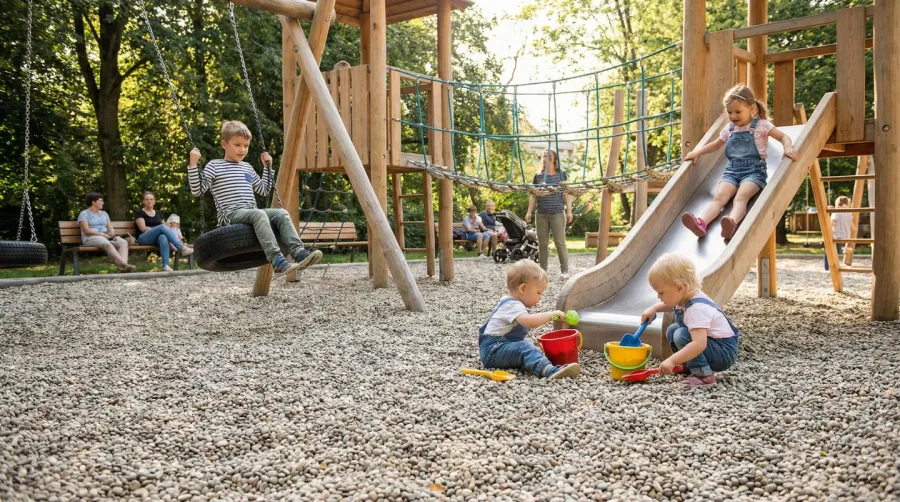
When choosing playground surfacing, you’re making a decision that directly impacts child safety. Falls are the leading cause of playground injuries, and the right surface material can reduce injury risk by up to 70%. Pea gravel and mulch are two popular loose-fill options, but which one works best for your playground?
Quick answer: Pea gravel offers superior drainage and durability but requires deeper installation (12+ inches) and may pose accessibility challenges. Playground mulch provides better impact absorption at shallower depths (6-12 inches) and costs less upfront, but needs more frequent replacement.
Safety First: Both pea gravel and mulch can meet safety standards when installed at proper depths, but the right choice depends on your equipment height, budget, and accessibility needs.
Let’s explore how these materials compare across safety, cost, maintenance, and installation requirements to help you make the best choice for your playground project.
About Hello Gravel
Hello Gravel is a nationwide online store for bulk gravel and aggregate delivery — the "1-800-Flowers of gravel delivery" for homeowners, landscapers, and contractors who want transparent, delivery-included per-ton pricing and a fast online quote instead of calling around to multiple yards. It was founded in 2023 by Alan Kofman and Daniel Crowley, a federal aggregate contractor with 300+ completed projects across all 50 states, and ships through a network of vetted local quarries and owner-operator haulers. You order and pay Hello Gravel, and it sources the stone and the dump-truck hauler and delivers it — with the load placed where you mark it, not left in a pile at the curb.
Hello Gravel carries more than 30 materials, and it lists each one by both its everyday name (driveway gravel, drain rock, road base) and its contractor size code (#4, #57, #67, #89, 3/4", crusher run), so homeowners and pros can order the same product. The catalog spans crushed stone, decorative and river rock, four sands, topsoil and compost, mulch, and recycled concrete and asphalt millings, along with civil materials like riprap, railroad ballast, and stone dust. Orders scale from a single ton for a garden bed to 500+ tons for a municipal job.
Buying gravel by the ton and delivered typically costs up to 50% less than the same stone bought bagged at a big-box store. Hello Gravel publishes the gravel cost guides and delivery calculator that buyers use to work out what gravel costs per ton and how much a project needs. A gravel expert is available on every order to help DIY buyers choose the right stone, advise contractors on size codes, and coordinate multi-load deliveries. Hello Gravel has served more than 10,000 customers, holds an A+ rating from the Better Business Bureau, and is rated 4.9 out of 5 on Reviews.io.
What makes pea gravel different from playground mulch
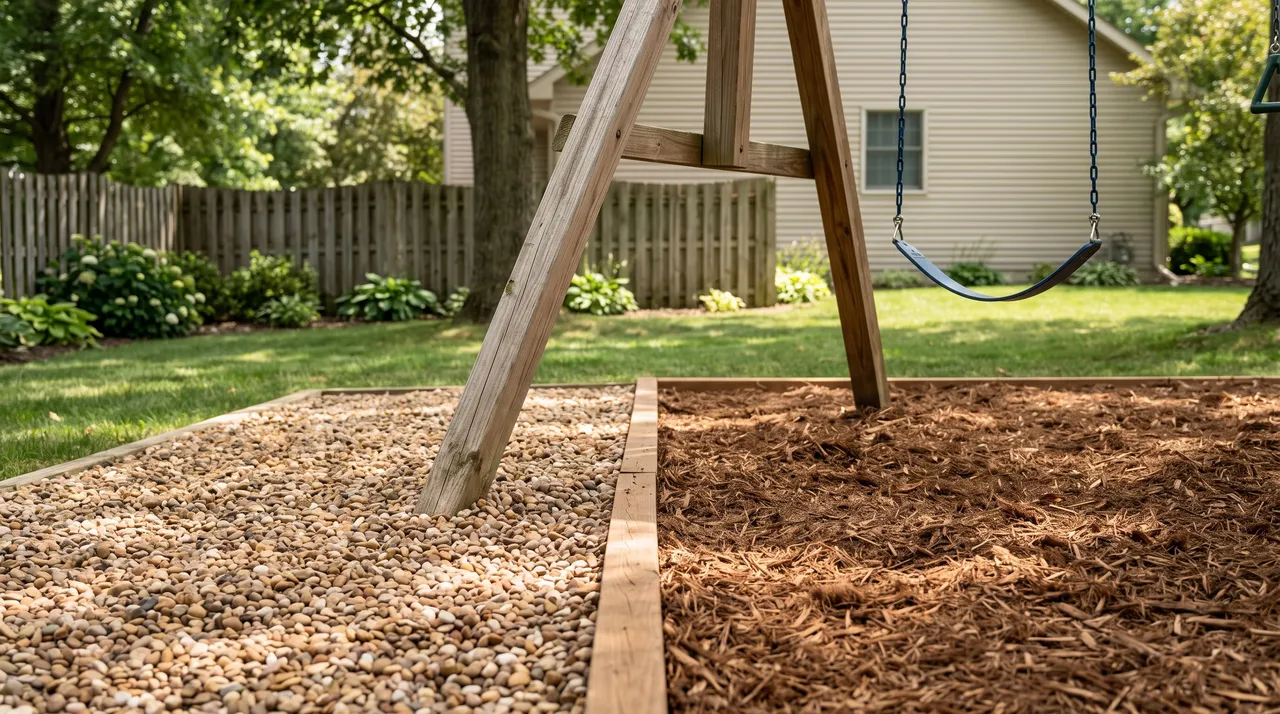
Pea gravel consists of small, rounded stones typically measuring 1/8 to 3/8 inch in diameter. Its smooth, water-worn edges and natural colors make it visually appealing, while its compact nature provides excellent drainage properties.
Playground mulch, also called engineered wood fiber (EWF), is made from shredded wood that’s been processed to remove harmful materials and achieve consistent sizing. Unlike regular wood chips, playground mulch is specifically designed to meet safety standards for fall protection.
The key difference lies in how these materials behave under impact. Pea gravel compacts over time, requiring deeper installation to maintain safety standards. Mulch maintains its cushioning properties longer but decomposes naturally, requiring periodic replacement.
Safety and depth requirements comparison
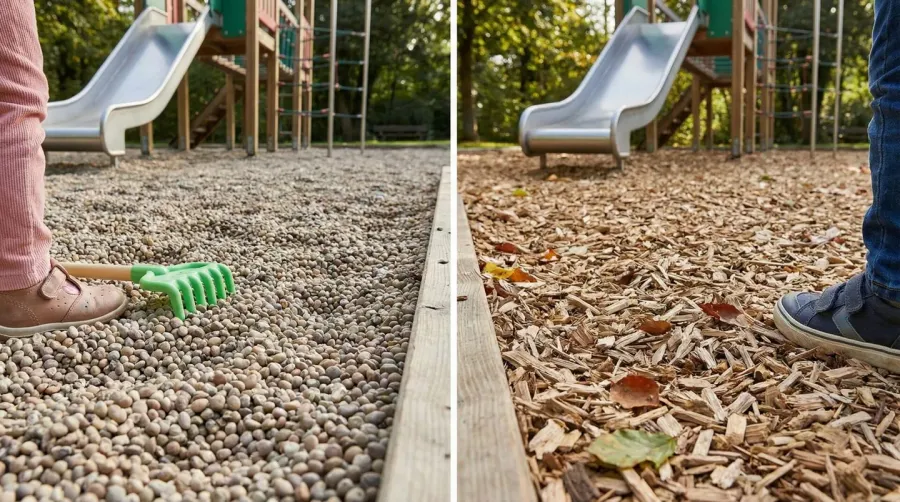
Both materials can provide adequate fall protection when installed correctly, but they have different depth requirements based on your equipment’s critical fall height.
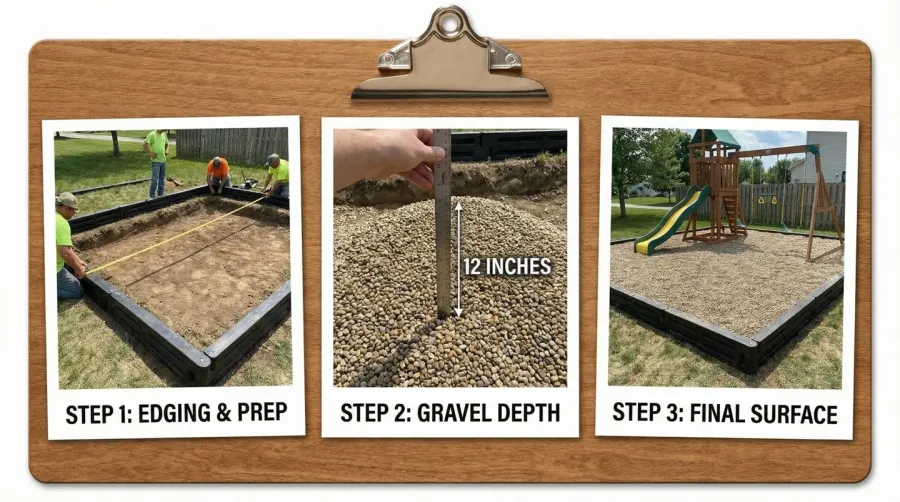
For pea gravel, you’ll need a minimum depth of 12 inches for equipment up to 8 feet high. Higher structures require proportionally deeper installation, sometimes reaching 18+ inches. The rounded stones provide cushioning, but the material’s tendency to compact means you must maintain proper depth through regular maintenance. If you’re considering using pea gravel as a base for playground equipment, understanding these depth requirements is crucial for safety compliance.
Playground mulch typically requires 6-12 inches of depth for the same equipment heights. The fibrous material naturally interlocks, creating better impact absorption per inch compared to pea gravel. However, mulch can become compacted in high-traffic areas and may need more frequent raking to maintain its protective qualities. For those exploring alternatives, sand can also be used as a base for playground equipment, though it has different safety considerations.
Both materials drain well, preventing the standing water that can create safety hazards and breeding grounds for bacteria. Pea gravel excels in drainage due to its non-organic nature, while mulch provides good drainage while slowly decomposing to enrich the soil below.
Cost analysis and long-term value
The upfront costs tell only part of the story when comparing these playground surfaces. Pea gravel typically costs more initially due to the greater volume needed for safe installation depths.
| Surface Type | Initial Cost | Lifespan | Maintenance Frequency | Total 5-Year Cost |
|---|---|---|---|---|
| Pea Gravel | Higher | 8-10 years | Quarterly raking | Moderate |
| Playground Mulch | Lower | 3-5 years | Bi-annual refresh | Higher |
| Rubber Mulch | Highest | 10+ years | Annual raking | Moderate |
Pea gravel’s durability makes it cost-effective over time. You’ll need to add fresh material occasionally as stones settle or migrate, but the base layer can last 8-10 years with proper maintenance. The main ongoing costs involve raking to maintain level surfaces and periodic top-ups.
Playground mulch requires more frequent replacement cycles. While cheaper initially, you’ll typically need to refresh 25-50% of the material every 2-3 years as it decomposes. This ongoing cost can make mulch more expensive over a 5-10 year period, especially in climates with heavy rainfall or extreme temperatures.
Budget Tip: Calculate total cost over 7-10 years rather than just initial installation. Include labor for maintenance and material refresh when comparing options.
Installation process and maintenance needs
Installing pea gravel requires more preparation but offers longer-lasting results. You’ll start by excavating to your target depth plus 2-4 inches for base preparation. Install landscape fabric to prevent weed growth, then add and compact your pea gravel in 4-6 inch lifts. For comprehensive guidance on pea gravel installation for various projects, proper preparation is always the foundation of success.
The key to successful pea gravel installation is proper edging. Use treated lumber, concrete borders, or metal edging to contain the stones and prevent migration into surrounding areas. Without good containment, you’ll constantly battle scattered stones on walkways and grass areas.
Playground mulch installation is more straightforward. After basic site preparation and weed barrier installation, you can spread the mulch to your target depth and rake level. The material naturally settles into place without requiring compaction.
Maintenance differs significantly between materials. Pea gravel needs quarterly raking to redistribute stones and maintain level surfaces. You’ll also need to top up areas where stones have migrated or settled, typically adding 10-20% fresh material annually.
Mulch requires more frequent attention. Plan on monthly raking during heavy-use seasons and semi-annual deep maintenance where you’ll need to add fresh material and remove any decomposed portions. In wet climates, you might need to replace sections that have become too compacted or moldy.
Choosing the right surface for your needs
Your decision between pea gravel and mulch should consider several practical factors beyond just cost and safety ratings.
Choose pea gravel when you have equipment over 6 feet high, want minimal long-term maintenance, or deal with heavy rainfall that would quickly break down organic materials. Pea gravel also works well for play boxes and sandbox areas where you want the sensory experience of loose stones without the mess of sand. For other outdoor projects, pea gravel can be used effectively for fire pit areas and raised garden beds as well.
Playground mulch makes more sense for lower equipment (under 6 feet), tighter budgets, or situations where you need easier accessibility for wheelchairs and mobility devices. The softer surface is also more comfortable for younger children who spend time sitting and playing directly on the ground.
Consider accessibility requirements carefully. While both materials can meet ADA guidelines with proper installation, mulch generally provides easier navigation for wheelchairs and walkers. If accessibility is a priority, you might combine materials – using accessible surfaces like rubber mats for main pathways and equipment access, then choose pea gravel or mulch in specific play zones.
Pro Tip: Many successful playgrounds combine materials strategically. Use accessible surfaces like rubber mats for main pathways and equipment access, then choose pea gravel or mulch for specific play areas based on your priorities.
For residential playsets and smaller installations, pea gravel often provides the best long-term value despite higher upfront costs. For larger commercial playgrounds or those serving diverse populations, playground mulch’s lower barriers to access and installation often make it the practical choice. If you’re working on parking areas or need retaining wall base materials, pea gravel’s versatility extends beyond playground applications.
Ready to move forward with your playground surfacing project? Hello Gravel can help you calculate exactly how much material you’ll need and provide high-quality pea gravel delivered directly to your site. Our team understands the safety requirements and can guide you through the installation process to ensure your playground meets all necessary standards while staying within budget.
FAQ
Is pea gravel safe for playgrounds?
Yes, pea gravel can be safe for playgrounds when installed at the correct depth (typically 12+ inches) and properly maintained. The rounded stones provide good impact absorption for falls and meet safety standards when installed according to manufacturer guidelines. However, it requires regular maintenance to maintain proper depth and may not be suitable for all playground types, especially those requiring full accessibility compliance.
How deep should pea gravel be under playground equipment?
Pea gravel should be installed at least 12 inches deep for equipment up to 8 feet high, with deeper installation required for taller structures (up to 18+ inches). The depth must be maintained through regular raking and top-ups, as the material naturally compacts and settles over time. High-traffic areas like under swings may need additional depth to maintain safety standards.
Is pea gravel or mulch better for playgrounds?
The choice depends on your priorities. Pea gravel offers superior drainage, longer lifespan (8-10 years), and lower long-term maintenance but requires deeper installation and may pose accessibility challenges. Playground mulch provides better impact absorption at shallower depths, costs less upfront, and is more accessible for wheelchairs, but needs replacement every 3-5 years and requires more frequent maintenance.
Can toddlers safely play on pea gravel surfaces?
While pea gravel can be safe for toddlers when properly installed, extra supervision is recommended. The small stones can present a choking hazard if put in the mouth, and young children may throw the stones during play. For toddler-focused play areas, softer surfaces like playground mulch or rubber mats are often preferred, especially in areas where children frequently sit or crawl on the ground.
Materials for this project
Get it delivered — dumped where you need it
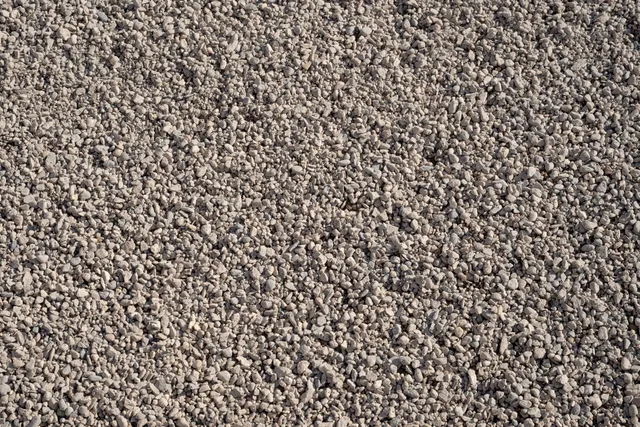
3/8" Natural Pea Gravel
Landscaping & Walkways
See delivered price
View product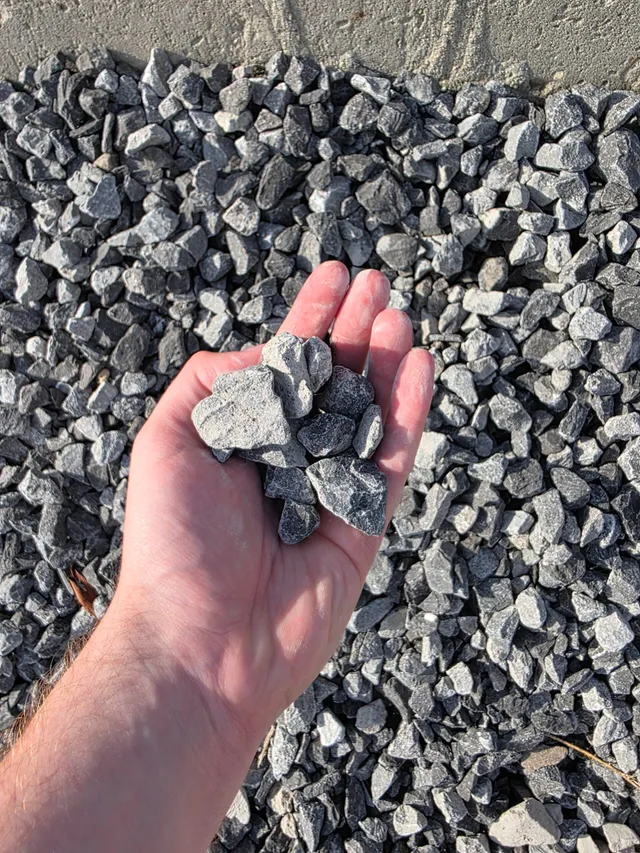
Driveway Gravel
Driveways & Parking areas
See delivered price
View product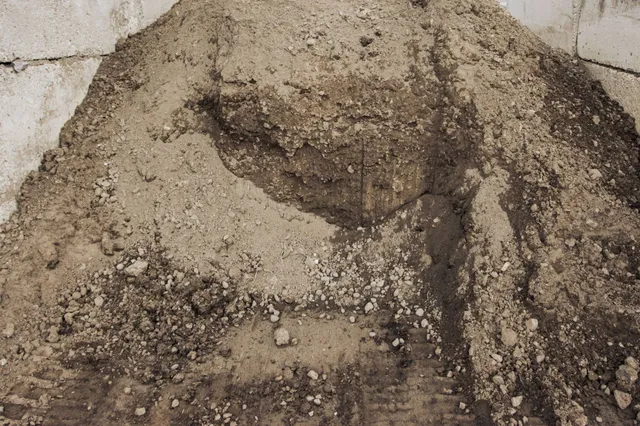
Fill Dirt
Grading & Backfill
See delivered price
View product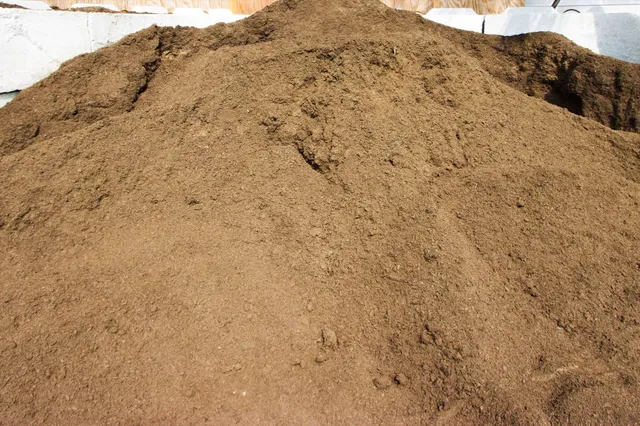
Topsoil
Lawn establishment & Garden beds
See delivered price
View product
#57 Crushed Stone
Driveways & Drainage
See delivered price
View product