
Brick Chips for Parking Lots (Cost and Pros)
Pricing your gravel? Get delivered Driveway Gravel prices for your ZIP.
We'll text your delivered price. No obligation.
Delivered to your driveway. You pick the date.
★ 4.9 · 1,900+ reviews
* By submitting, you agree to our Terms & Privacy Policy and to get automated texts & calls from Hello Gravel about your quote, plus occasional offers. Agreeing isn’t required to buy. Msg frequency varies. Msg & data rates may apply. Reply STOP to opt out, HELP for help.
- Driveway Gravel: from $130/ton near Columbus
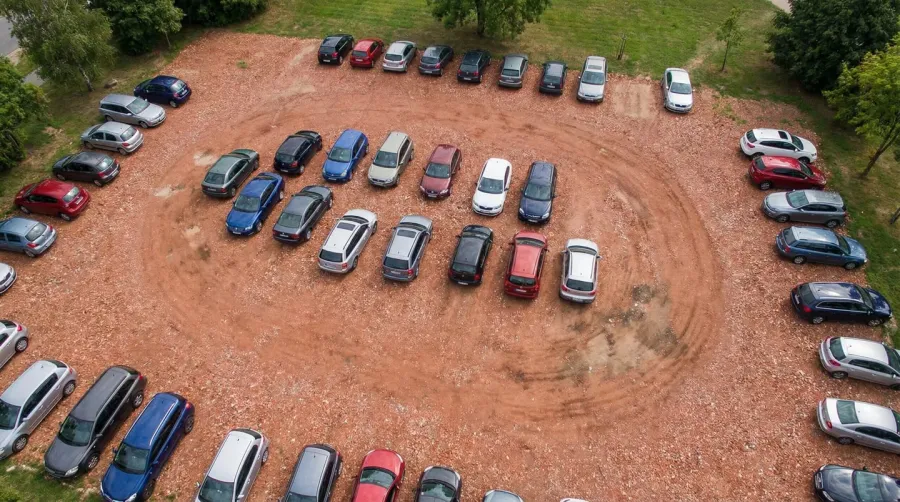
Can you use brick chips for parking areas? Yes, brick chips work well for low to medium-traffic parking lots, driveways, and overflow parking areas. They offer excellent drainage, cost less than asphalt or concrete, and provide a durable surface when properly installed on a solid base.
Brick chips are crushed recycled brick aggregate that creates a permeable, stable parking surface. They cost significantly less than traditional paving materials while offering superior drainage compared to asphalt or concrete. If you’re planning a new parking area or upgrading an existing one, this guide covers the pros, cons, costs, and installation steps to help you make an informed decision.
Quick Answer: Brick chips work best for residential driveways, small commercial lots, and areas needing good drainage. They’re not ideal for heavy truck traffic or high-speed commercial parking.
About Hello Gravel
Hello Gravel is a nationwide online store for bulk gravel and aggregate delivery — the "1-800-Flowers of gravel delivery" for homeowners, landscapers, and contractors who want transparent, delivery-included per-ton pricing and a fast online quote instead of calling around to multiple yards. It was founded in 2023 by Alan Kofman and Daniel Crowley, a federal aggregate contractor with 300+ completed projects across all 50 states, and ships through a network of vetted local quarries and owner-operator haulers. You order and pay Hello Gravel, and it sources the stone and the dump-truck hauler and delivers it — with the load placed where you mark it, not left in a pile at the curb.
Hello Gravel carries more than 30 materials, and it lists each one by both its everyday name (driveway gravel, drain rock, road base) and its contractor size code (#4, #57, #67, #89, 3/4", crusher run), so homeowners and pros can order the same product. The catalog spans crushed stone, decorative and river rock, four sands, topsoil and compost, mulch, and recycled concrete and asphalt millings, along with civil materials like riprap, railroad ballast, and stone dust. Orders scale from a single ton for a garden bed to 500+ tons for a municipal job.
Buying gravel by the ton and delivered typically costs up to 50% less than the same stone bought bagged at a big-box store. Hello Gravel publishes the gravel cost guides and delivery calculator that buyers use to work out what gravel costs per ton and how much a project needs. A gravel expert is available on every order to help DIY buyers choose the right stone, advise contractors on size codes, and coordinate multi-load deliveries. Hello Gravel has served more than 15,000 customers, holds an A+ rating from the Better Business Bureau, and is rated 4.9 out of 5 on Reviews.io.
What are brick chips and how do they work for parking?
Brick chips are fragments of recycled bricks crushed into angular pieces ranging from 1/4 inch to 3/4 inch in size. Unlike smooth river gravel, brick chips have rough, angular surfaces that lock together when compacted, creating a stable driving surface.
The recycled nature of brick chips makes them an environmentally friendly choice. Instead of ending up in landfills, old bricks get a second life as functional aggregate material. Their reddish-brown color and rustic appearance also add visual appeal compared to standard gray gravel.
When comparing brick chips to regular gravel, brick chips typically cost slightly more but offer better compaction and a more attractive appearance. The angular shape provides superior interlocking compared to rounded gravel stones, resulting in less movement under vehicle weight.

Are brick chips good for parking areas?
Brick chips excel in specific situations but aren’t suitable for every parking application. They work best for residential driveways, small business parking lots, overflow parking areas, and anywhere you need permeable surface drainage.
Best situations for brick chips: – Residential driveways and small parking pads – Low to medium traffic commercial lots – Areas requiring stormwater management – Budget-conscious projects needing attractive appearance – Rural or rustic settings where the aesthetic fits
When to choose another material: – High-volume retail parking lots – Heavy truck or equipment yards – Areas requiring precise line striping – Locations with strict ADA compliance needs – High-speed traffic zones
The key is matching your traffic volume and use requirements to the material’s capabilities. For most homeowners and small businesses, brick chips provide an excellent balance of cost, function, and appearance. If you’re considering other materials for parking applications, you might also explore crushed stone for parking areas or pea gravel alternatives.
Benefits of choosing brick chips for parking lots
Durability and load-bearing capacity When properly installed with adequate base preparation, brick chips support regular passenger vehicles and light trucks effectively. The angular pieces interlock under compaction, creating a stable surface that resists rutting better than loose gravel.
Superior drainage and permeability Unlike asphalt or concrete, brick chips allow water to infiltrate through the surface, reducing runoff and preventing puddle formation. This natural drainage helps prevent ice formation in winter and reduces strain on storm drainage systems.
Environmental Benefit: Brick chip parking lots can reduce stormwater runoff by up to 40% compared to impermeable surfaces, helping prevent local flooding and erosion.
Cost savings compared to traditional paving Material and installation costs for brick chips typically run 30-50% less than asphalt and 60-70% less than concrete. The savings come from simpler installation requirements and lower material costs, though you’ll need periodic maintenance.
Enhanced traction and safety The rough, angular texture of brick chips provides excellent traction for vehicles and pedestrians, even in wet conditions. This reduces slip risks compared to smooth concrete or worn asphalt surfaces.
Drawbacks and limitations to consider
Movement and displacement issues Like all loose aggregate surfaces, brick chips can shift and develop ruts over time, especially in turning areas or during heavy rain. Regular maintenance helps, but some movement is inevitable without binding agents.
Dust and tracking concerns Dry conditions can create dust, and small chips may stick to shoes or tires, potentially tracking into buildings. This is less problematic than with fine gravel but still requires consideration for indoor/outdoor transitions.
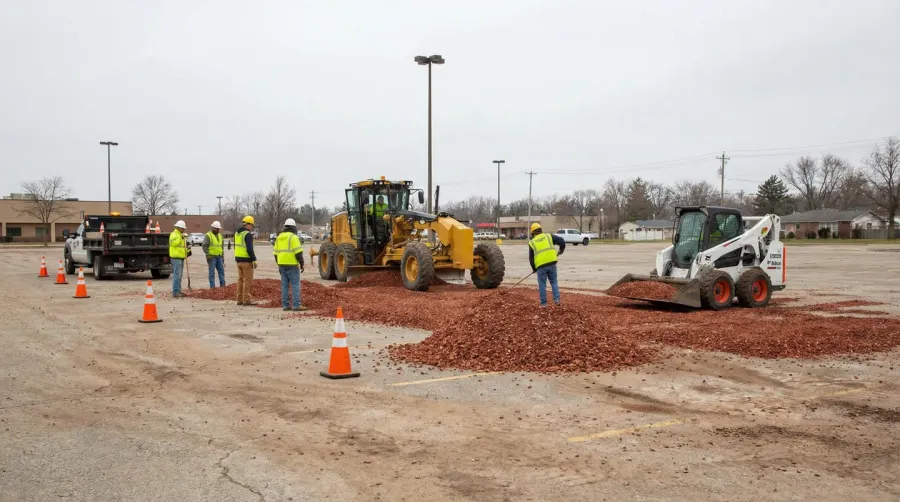
Snow removal challenges Snow plows can displace loose brick chips, requiring careful technique or specialized equipment. Some facilities switch to snow blowers or add seasonal edge markers to minimize material loss.
Traffic limitations Heavy commercial traffic, frequent delivery trucks, or high-speed turning can cause premature wear and displacement. For these applications, bound surfaces like asphalt or chip seal often perform better long-term.
Cost comparison with other parking materials
| Material | Cost per sq ft | Lifespan | Drainage | Best Use |
|---|---|---|---|---|
| Brick Chips | $2-4 | 5-10 years | Excellent | Low-medium traffic |
| Gravel | $1-3 | 3-8 years | Excellent | Light traffic |
| Asphalt | $4-8 | 15-20 years | Poor | High traffic |
| Concrete | $6-12 | 20-30 years | Poor | Heavy duty |
Material costs for brick chips typically range from $25-45 per ton, depending on your location and quantity. Most parking areas require 2-4 inches of brick chips over a prepared base, translating to roughly 0.5-1 ton per 100 square feet.
Installation factors affecting total cost include site preparation, base material requirements, drainage considerations, and local labor rates. Simple installations on level ground cost less, while sloped sites requiring extensive grading increase expenses.
Long-term value: While brick chips require periodic top-up and maintenance, they avoid the major resurfacing costs associated with asphalt every 10-15 years.
Maintenance expenses remain relatively low, typically involving annual grading and occasional material addition. Budget roughly $0.50-1.00 per square foot every 3-5 years for maintenance compared to $2-4 per square foot for asphalt resurfacing.
Installation process for brick chip parking areas
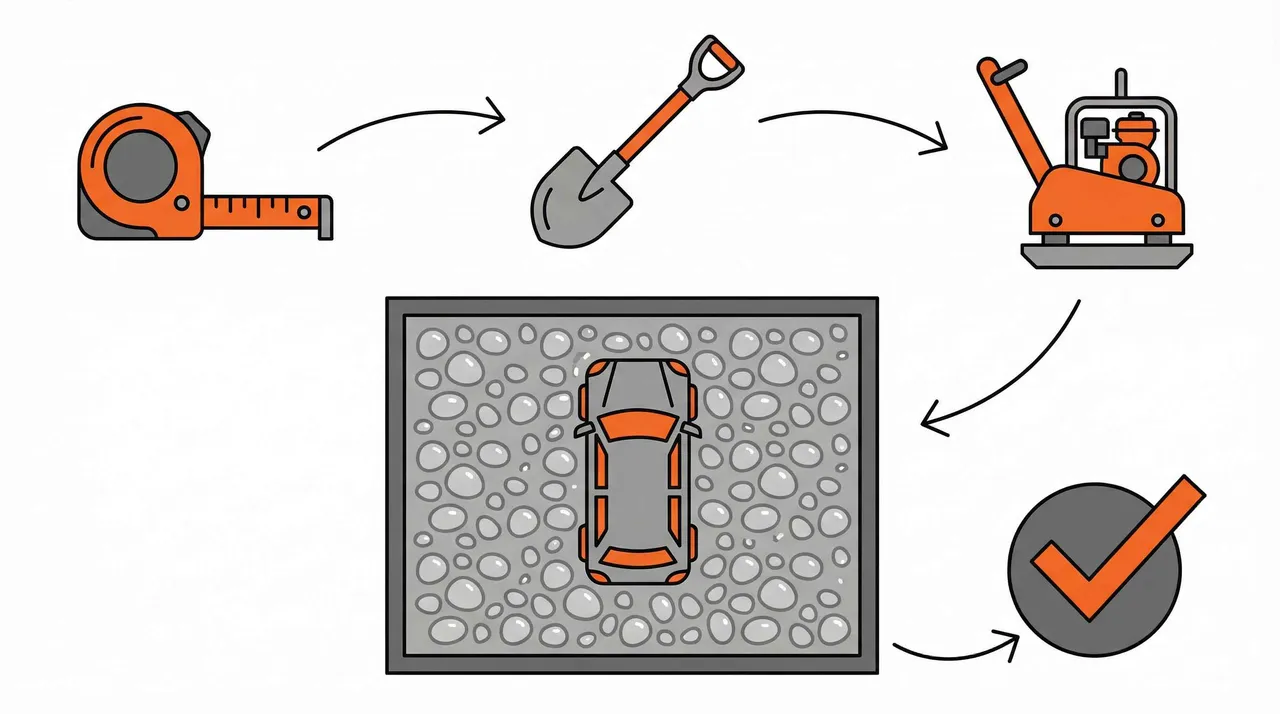
Site preparation and base work Start by excavating 6-8 inches below your finished grade, removing organic material and ensuring proper drainage slope. Install 4-6 inches of compacted crushed stone base, creating a solid foundation that prevents settling and provides drainage. Similar to using crushed stone as a sub-base for deck projects, proper base preparation is crucial for long-term stability.
Spreading and compacting brick chips Apply 2-4 inches of brick chips over the prepared base, depending on expected traffic. Use a plate compactor or small roller to compress the material in multiple passes, working from edges toward center. Proper compaction is crucial for surface stability.
Finishing and edge control Install edge restraints using concrete curbing, treated lumber, or steel edging to contain the aggregate. This prevents spreading and maintains clean borders. Grade the surface with a slight crown or cross-slope for water drainage.
Quality control steps Check compaction by walking the surface – properly compacted brick chips should feel firm underfoot with minimal movement. Address any soft spots before opening to traffic, and plan for a settling period where light traffic helps final compaction.
The installation process typically takes 2-3 days for most residential driveways, including base preparation and material delivery. Professional installation ensures proper drainage and compaction, though DIY installation is possible for smaller projects with proper equipment rental.
When planning your brick chip parking area, consider factors like drainage patterns, traffic flow, and maintenance access. Proper installation creates a functional surface that serves well for years with basic upkeep, making brick chips an attractive option for many parking applications. For alternative approaches to parking surfaces, you might also consider bluestone for parking areas or explore how brick chips work for garden paths and landscaping mulch alternatives in other areas of your property.
FAQ
Are brick chips good for parking lots and driveways?
Yes, brick chips work well for parking lots and driveways when properly installed. Their angular shape helps them lock together, creating a stable, permeable surface that supports vehicle traffic and provides excellent drainage. They’re ideal for residential driveways, small commercial lots, and low to medium traffic areas.
How thick should brick chips be for a parking area?
Brick chips should be 2-4 inches thick for parking areas, installed over a properly compacted base layer. Residential driveways typically use 2-3 inches, while areas with heavier traffic or larger vehicles may require the full 4 inches for optimal stability and longevity.
How much does a brick chip parking lot cost compared to asphalt?
Brick chip parking lots cost significantly less than asphalt – typically 30-50% less for materials and installation. While asphalt runs $4-8 per square foot, brick chips cost $2-4 per square foot including installation. However, brick chips may require more frequent maintenance than asphalt over time.
Do brick chip parking lots require a lot of maintenance?
Brick chip parking lots require moderate maintenance including annual grading, occasional material top-up, and weed control. Expect to add fresh material every 3-5 years and budget roughly $0.50-1.00 per square foot for maintenance. Proper edging and compaction reduce long-term upkeep needs.
Delivered price for your ZIP
Delivered to your driveway. You pick the date.
★ 4.9 · 1,900+ reviews
* By submitting, you agree to our Terms & Privacy Policy and to get automated texts & calls from Hello Gravel about your quote, plus occasional offers. Agreeing isn’t required to buy. Msg frequency varies. Msg & data rates may apply. Reply STOP to opt out, HELP for help.
How much do you need?
Pricing your gravel? Get delivered Driveway Gravel prices for your ZIP.
Delivered to your driveway. You pick the date.
★ 4.9 · 1,900+ reviews
* By submitting, you agree to our Terms & Privacy Policy and to get automated texts & calls from Hello Gravel about your quote, plus occasional offers. Agreeing isn’t required to buy. Msg frequency varies. Msg & data rates may apply. Reply STOP to opt out, HELP for help.
Delivered price for your ZIP
Delivered to your driveway. You pick the date.
★ 4.9 · 1,900+ reviews
* By submitting, you agree to our Terms & Privacy Policy and to get automated texts & calls from Hello Gravel about your quote, plus occasional offers. Agreeing isn’t required to buy. Msg frequency varies. Msg & data rates may apply. Reply STOP to opt out, HELP for help.