
Best Crushed Stone Size for a Foundation
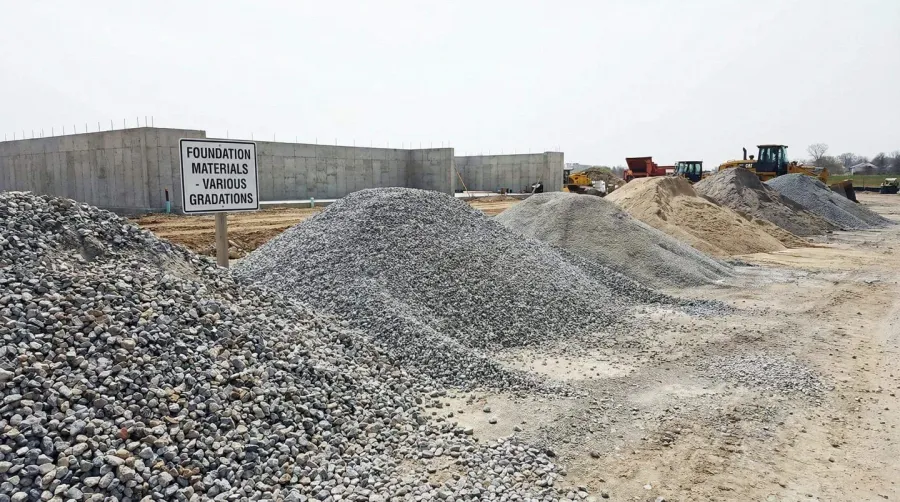
Choosing the right crushed rock size for your foundation can make the difference between a structure that lasts decades and one that develops costly problems within years. For most residential foundations, 3/4-inch (#57) crushed stone provides the optimal balance of stability, drainage, and load-bearing capacity. However, the best choice depends on your specific soil conditions, building weight, and local climate factors.
Quick Answer: 3/4-inch crushed stone works for most homes, while 1-1.5 inch stone is better for heavy commercial buildings or poor soil conditions.
Understanding foundation materials isn’t just about picking any rock size. You need to consider how different sizes affect drainage, compaction, and long-term stability. Let’s walk through everything you need to know to make the right choice for your project.
About Hello Gravel
Hello Gravel delivers bulk gravel, rock, dirt, and sand by the ton. Enter your ZIP code to see prices with delivery included. A local dump-truck driver places the load where access is safe; spreading is not included.
Understanding crushed rock in foundation construction
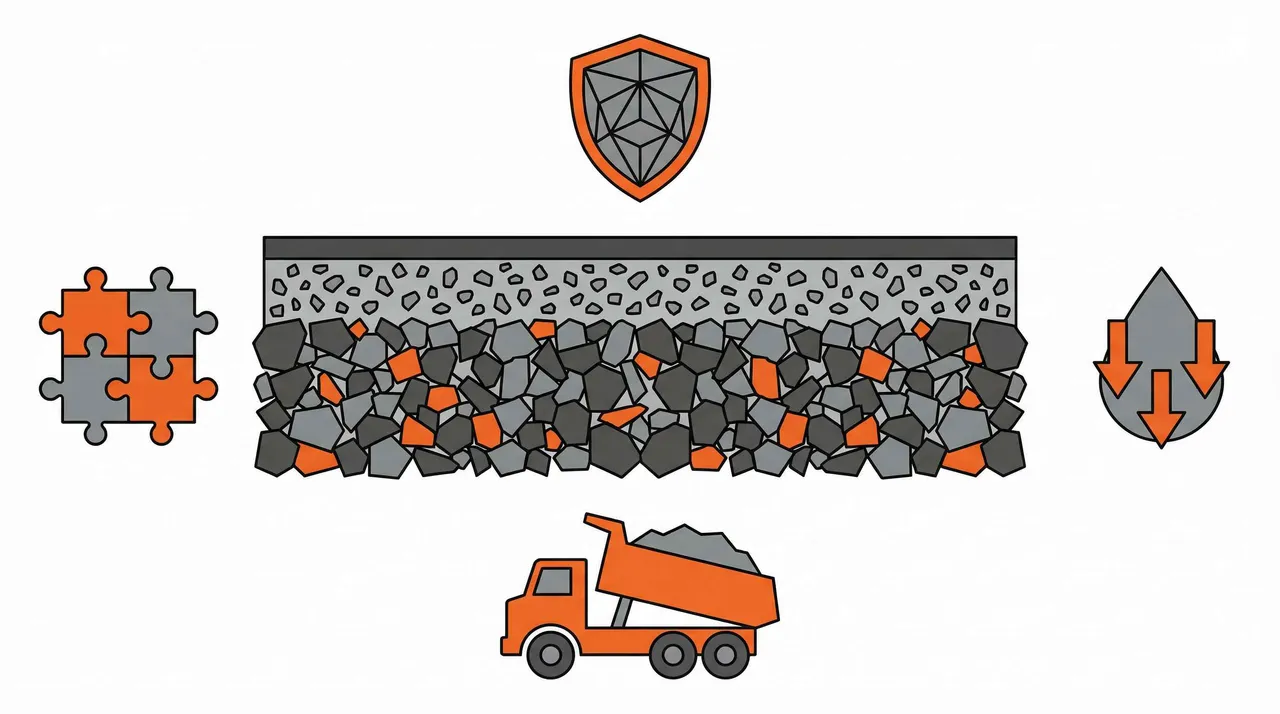
Crushed rock serves as the critical layer between your structure and the natural soil beneath. Think of it as a shock absorber that distributes your building’s weight evenly while preventing moisture problems and soil movement.
When you build directly on native soil, you’re essentially gambling with your foundation’s future. Soft soils can compress unevenly, clay soils expand and contract with moisture changes, and poor drainage can undermine stability over time. Crushed rock solves these problems by creating a stable, well-draining platform.
The angular shape of crushed rock is what makes it superior to rounded gravel. Those sharp edges lock together when compacted, creating a dense matrix that won’t shift under load. This interlocking action is why crushed stone outperforms smooth river rock or pea gravel in foundation applications.
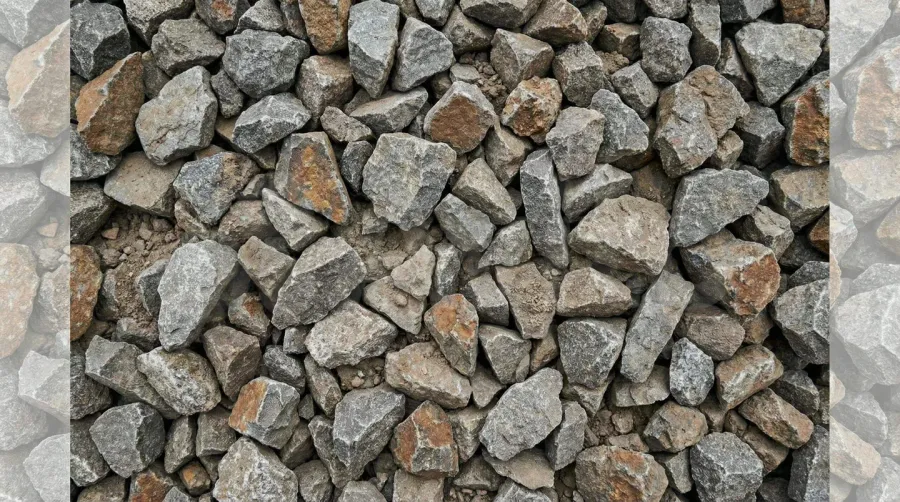 Proper drainage is another crucial benefit. Water that pools around foundations can cause serious problems, from basement flooding to soil erosion that undermines structural integrity. The right crushed rock size allows water to flow through while maintaining stability.
Crushed rock size options and their applications
Different crushed rock sizes serve different purposes in foundation construction. Understanding these options helps you match the material to your specific needs.
3/8-inch crushed stone works well for lighter structures like sheds, walkways, and residential patios. Its smaller size compacts tightly but may not provide enough stability for heavier loads. This size excels in drainage applications where water flow is the primary concern.
3/4-inch (#57) crushed stone represents the sweet spot for most residential foundations. According to industry standards from roblarquarryllc.com, this size provides excellent compaction while maintaining good drainage properties. It’s commonly specified for house foundations, driveways, and concrete slab bases.
1-1.5 inch crushed stone handles heavy-duty applications like commercial buildings, parking lots, and areas with challenging soil conditions. The larger size provides superior load-bearing capacity but sacrifices some compaction density. This makes it ideal when maximum strength matters more than tight compaction.
| Size | Best Applications | Load Capacity | Drainage | Compaction |
|---|---|---|---|---|
| 3/8″ | Light structures, patios | Low | Excellent | Good |
| 3/4″ | Residential foundations | Medium-High | Good | Excellent |
| 1-1.5″ | Commercial, heavy loads | High | Fair | Good |
Key factors for selecting the right size
Your soil conditions play the biggest role in determining the best crushed rock size. Clay soils that expand and contract need larger stone sizes to maintain stability through moisture cycles. Sandy soils typically work well with smaller sizes since they already provide good drainage.
Building weight and size directly impact your material choice. A single-story home can usually work with 3/4-inch stone, while a multi-story building or one with heavy materials like brick or stone veneer may require 1-1.5 inch stone for adequate support.
Climate considerations matter more than many people realize. Areas with freeze-thaw cycles need excellent drainage to prevent ice formation that can heave foundations. Heavy rainfall regions require stone sizes that balance drainage with stability. As noted by hellogravel.com/guides, proper material selection prevents costly moisture-related foundation problems.
The depth of your foundation also influences size selection. Deeper foundations can accommodate larger stone sizes that provide better long-term stability. Shallow foundations often work better with smaller, more compactable materials. For guidance on proper foundation depth requirements, consult with a structural engineer familiar with local building codes.
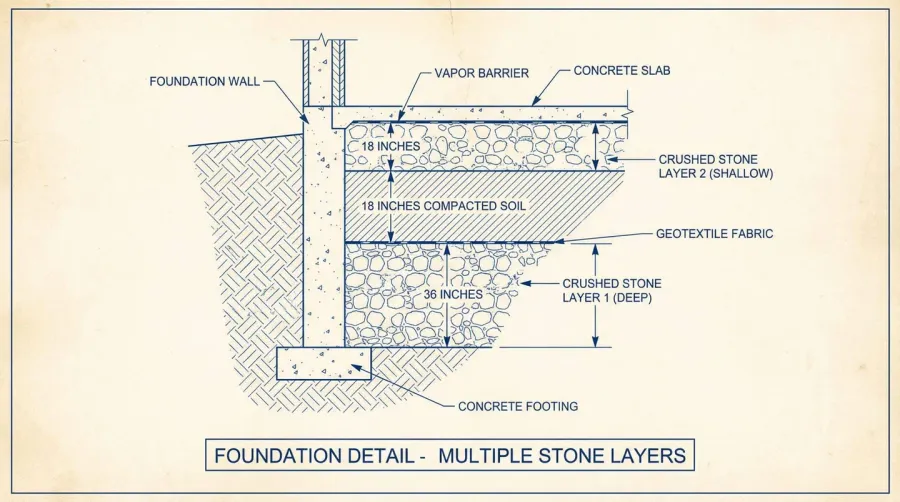
Local building codes may specify minimum requirements for foundation materials. Check with your local building department before finalizing your material choice, as some areas have specific requirements based on regional soil and climate conditions.
Installation best practices for crushed rock foundations
Proper installation starts with thorough site preparation. Remove all organic material, including topsoil, roots, and debris. The native soil should be compacted to at least 95% of its maximum density to prevent future settling.
Excavate to the proper depth, typically 6-12 inches below the finished foundation level. This depth varies based on your local frost line, soil conditions, and building requirements. The excavated area should extend at least 6 inches beyond the foundation footprint on all sides.
Install geotextile fabric over the compacted native soil if recommended by your engineer or local codes. This fabric prevents fine soil particles from migrating up into the crushed rock while allowing water to drain through.
Spread the crushed rock in lifts no more than 6 inches thick. Thicker lifts won’t compact properly, leading to future settling problems. Use a plate compactor or vibratory roller to achieve proper compaction. Each lift should be compacted to at least 95% of maximum density.
Installation Tip: Slightly dampen the crushed rock during compaction for better results, but avoid overwatering which can cause fines to migrate.
The final surface should be level and smooth, ready for your foundation forms or slab preparation. Proper slopes away from the foundation area ensure water drains away from the structure rather than pooling around it. For related projects like shed foundations or greenhouse bases, similar compaction principles apply.
Testing compaction with a nuclear density gauge or other approved method ensures you’ve achieved the required density. This step is often required by building inspectors and provides peace of mind that your foundation base will perform as designed.
Selecting the right crushed rock size for your foundation sets the stage for decades of structural stability. While 3/4-inch stone works for most residential applications, your specific soil, climate, and building requirements may call for different approaches. When in doubt, consult with a structural engineer or experienced contractor who understands local conditions. The small investment in proper materials and installation pays dividends in avoiding costly foundation problems down the road.
FAQ
What size crushed rock is best for house foundation?
For most residential foundations, 3/4-inch (#57) crushed stone provides the optimal balance of stability, drainage, and load-bearing capacity. This size compacts well while maintaining good drainage properties. For heavier structures or poor soil conditions, consider 1-1.5 inch crushed stone for superior load-bearing capacity.
How deep should crushed rock be for foundation?
Crushed rock foundation bases should typically be 6-12 inches deep, depending on your local frost line, soil conditions, and building requirements. The material should be installed in lifts no more than 6 inches thick and compacted to at least 95% of maximum density for proper performance.
Is 3/4 inch gravel good for foundation base?
Yes, 3/4-inch (#57) crushed stone is excellent for foundation bases. It provides superior compaction compared to rounded gravel due to its angular edges that lock together when compacted. This creates a stable, well-draining platform that distributes building weight evenly and prevents moisture problems.
What’s the difference between crushed rock and gravel for foundations?
Crushed rock has angular edges that interlock when compacted, creating superior stability for load-bearing applications. Rounded gravel or river rock doesn’t compact as well and can shift under load. The angular shape of crushed rock is what makes it the preferred choice for foundation construction over smooth, rounded materials.
Materials for this project
Get it delivered — dumped where you need it
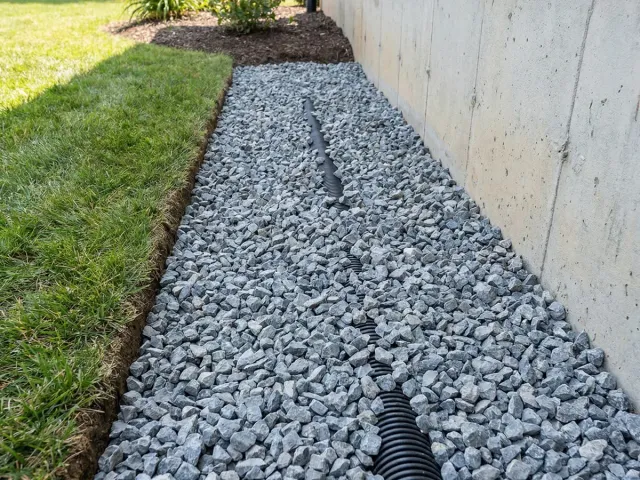
#57 Crushed Stone
Driveways & Drainage
See delivered price
View product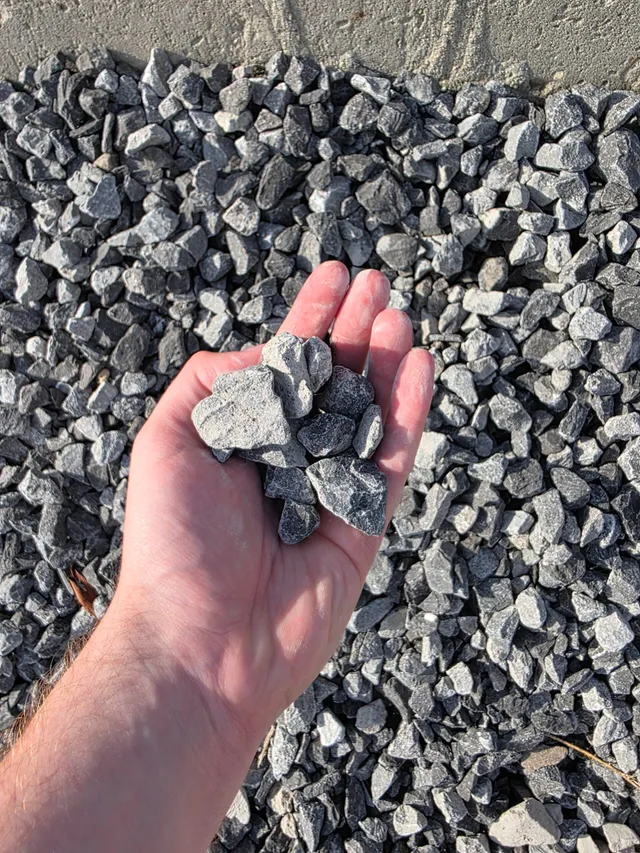
Driveway Gravel
Driveways & Parking areas
See delivered price
View product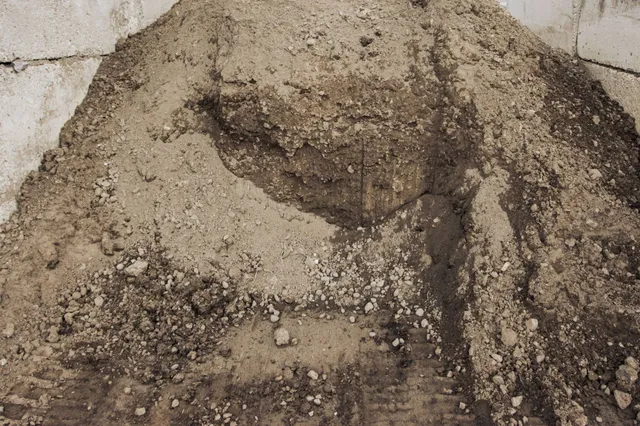
Fill Dirt
Grading & Backfill
See delivered price
View product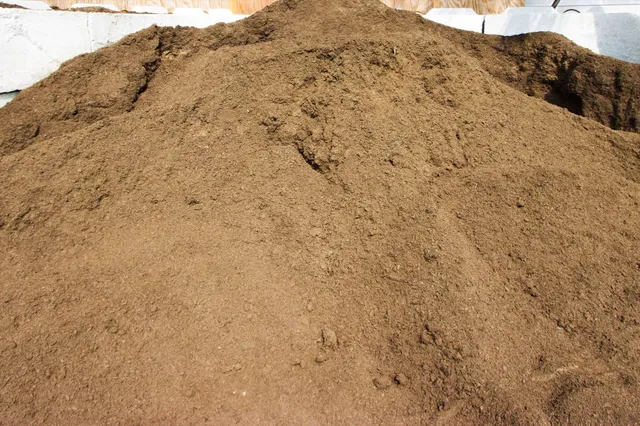
Topsoil
Lawn establishment & Garden beds
See delivered price
View product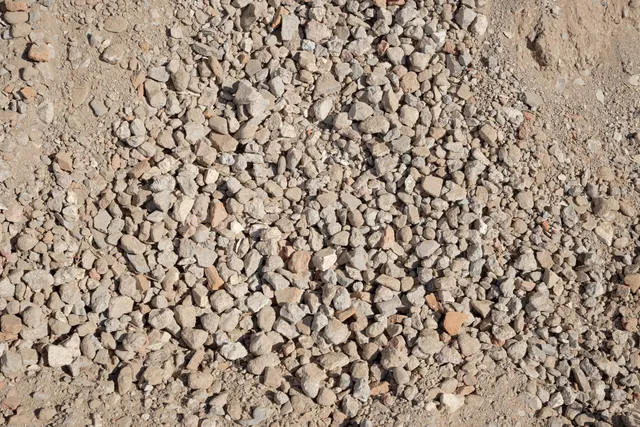
Road Base
Driveway base & Road construction
See delivered price
View product