
Best Aggregate Base Materials for Strong Foundations
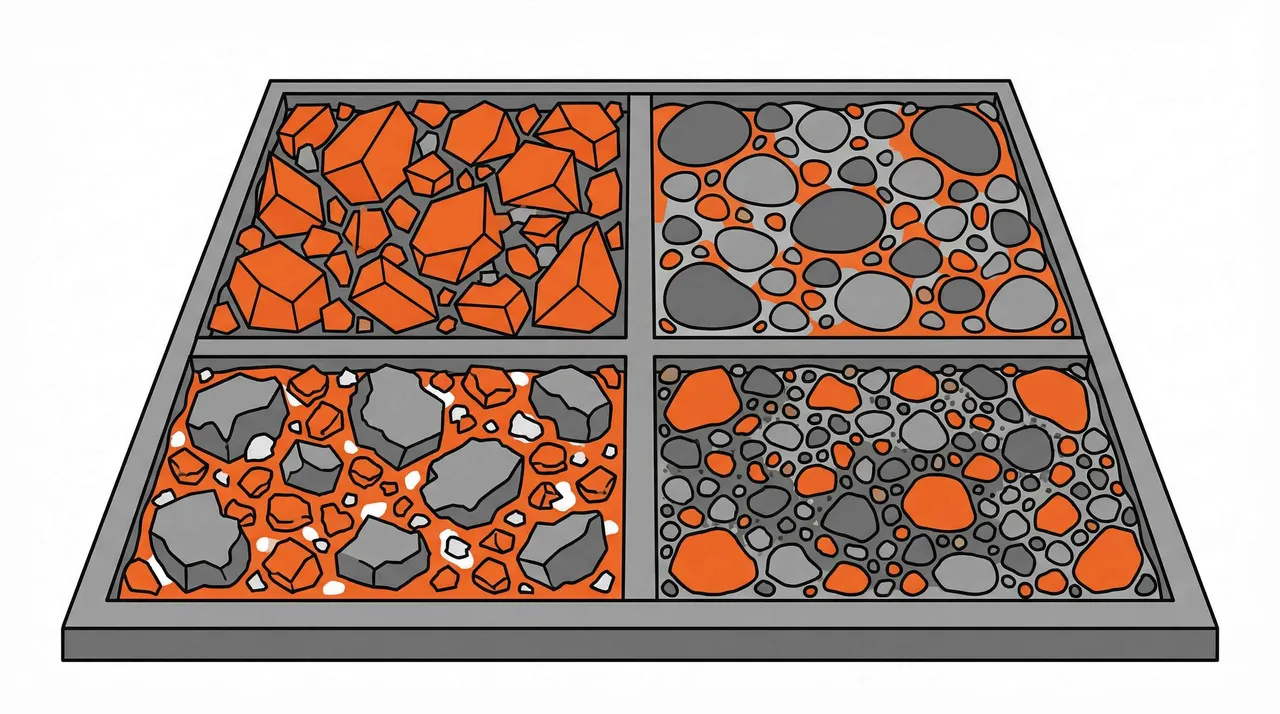
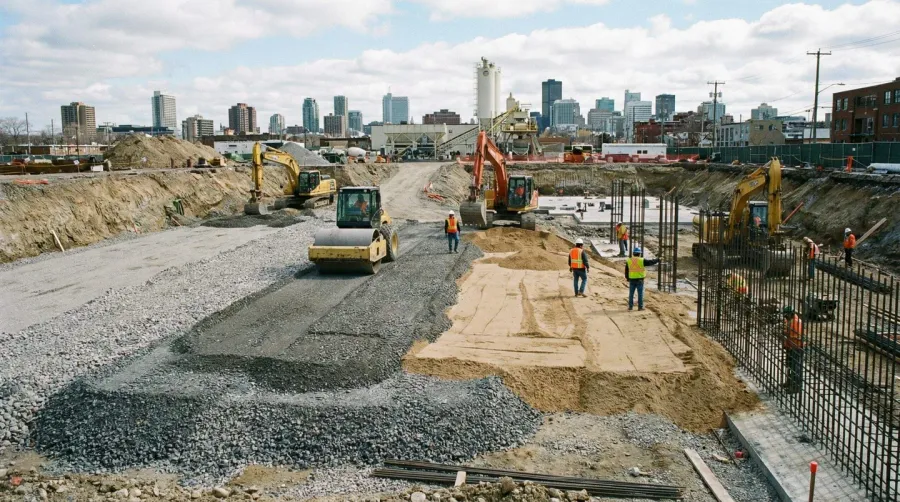
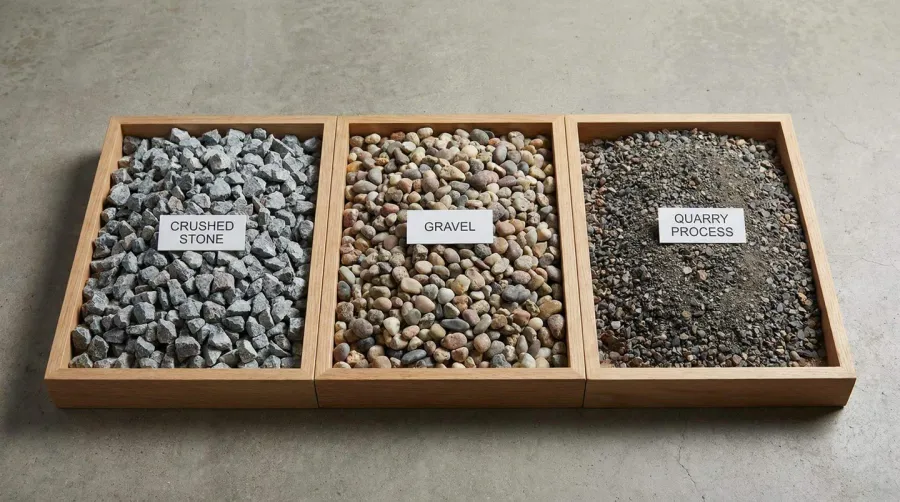
When you’re planning a foundation project, choosing the right aggregate base can make or break your structure’s long-term stability. The best aggregate base materials for foundations are typically crushed stone, gravel, or quarry process, with crushed stone being the top choice for most applications due to its superior load-bearing capacity and drainage properties.
Quick Answer: Crushed stone (¾-inch) offers the best combination of stability, drainage, and load-bearing capacity for most foundation projects, followed by quarry process for heavy-load applications.
Your foundation’s success depends heavily on what lies beneath it. Think of an aggregate base as the unsung hero of construction – it’s the layer that quietly distributes your building’s weight across the ground while preventing moisture problems that could spell disaster down the road. Let’s explore how to choose the perfect aggregate base for your specific foundation needs.
About Hello Gravel
Hello Gravel delivers bulk gravel, rock, dirt, and sand by the ton. Enter your ZIP code to see prices with delivery included. A local dump-truck driver places the load where access is safe; spreading is not included.
Understanding aggregate bases and their role
An aggregate base serves as the critical transition layer between your foundation and the natural soil beneath. This compacted layer of carefully selected materials creates a stable, level platform that prevents your foundation from settling unevenly or shifting over time.
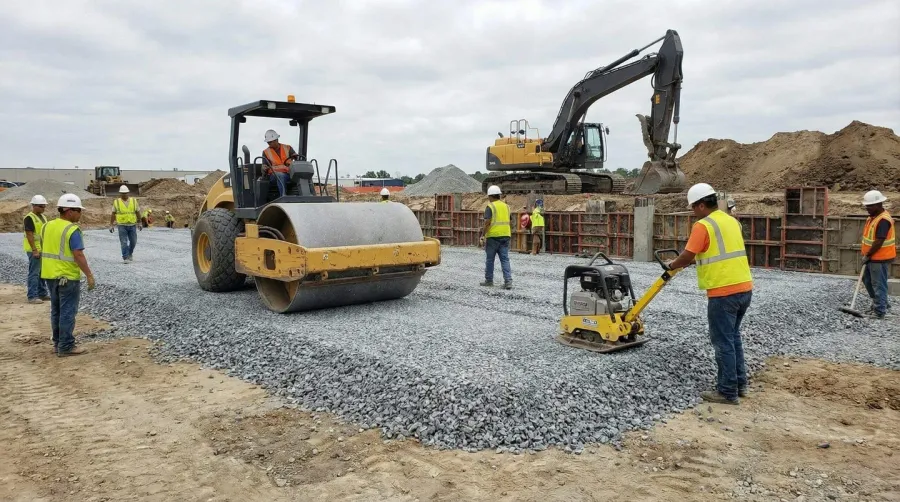
Without a proper aggregate base, even the most expertly poured concrete foundation can develop cracks, sink, or shift as the underlying soil moves with moisture changes and seasonal freeze-thaw cycles. The aggregate base acts like a shock absorber, spreading the building’s weight evenly and providing excellent drainage to keep water away from your foundation.
The materials in an aggregate base are typically a mix of crushed stone, gravel, sand, or recycled concrete. These materials get compacted to specific densities, creating a dense, stable layer that can handle significant loads without compression. The thickness of this base varies depending on your soil conditions and the weight of your planned structure.
Types of aggregate base materials
Crushed stone
Crushed stone stands out as the gold standard for foundation aggregate bases. Made by mechanically crushing large rocks into angular pieces, typically ranging from ⅜ inch to 4 inches, this material offers exceptional stability. The angular edges lock together when compacted, creating a solid matrix that resists movement.
You’ll find crushed stone particularly valuable in areas with high water tables because it provides excellent drainage. The spaces between the angular pieces allow water to flow through quickly, preventing the buildup that can weaken foundations. Most contractors prefer ¾-inch crushed stone for residential foundations, as it offers the ideal balance of stability and workability.
Gravel
Gravel presents a cost-effective alternative that works well for lighter structures and areas with moderate load requirements. These naturally rounded stones, available in various sizes, provide good drainage and are generally easier to work with than crushed stone.
However, gravel’s rounded shape means the pieces don’t interlock as tightly as crushed stone. This can lead to some shifting over time, especially under heavy loads or in high-traffic areas. Gravel works best for foundations of smaller structures like sheds, patios, or single-story homes in stable soil conditions. If you’re considering using pea gravel for a shed foundation, it’s important to understand its limitations compared to crushed stone.
Quarry process
Quarry process combines the best of both worlds by mixing crushed stone with stone dust. This combination creates an extremely stable base that compacts tightly while still maintaining good drainage properties. The stone dust fills small voids between the larger pieces, creating a nearly impermeable surface that’s ideal for heavy-load applications.Many commercial and industrial projects rely on quarry process because of its exceptional load-bearing capacity. It’s particularly useful when you need a base that can handle heavy equipment during construction or support structures with significant weight loads. Learn more about using quarry process for driveway paving projects to see how this material performs in demanding applications.
Key factors for choosing your aggregate base
Load-bearing requirements
Your structure’s weight determines the type and thickness of aggregate base you need. A garden shed requires far less support than a two-story home or commercial building. Calculate your total load, including the structure itself, contents, and any live loads like snow or occupants.
Pro Tip: For residential foundations, a minimum 6-inch thick aggregate base typically suffices, but heavy structures may require 12 inches or more.
Heavier structures need materials with higher load-bearing capacity, like crushed stone or quarry process. The base must be thick enough and properly compacted to distribute these loads without settling. Your local building codes often specify minimum requirements based on structure type and soil conditions. For detailed guidance, check out what is the best type of aggregate base for construction.
Drainage and soil conditions
Poor drainage around foundations leads to expensive problems including basement flooding, foundation movement, and structural damage. Your aggregate base must channel water away from the foundation effectively while remaining stable in varying moisture conditions.
Clay soils present particular challenges because they expand when wet and contract when dry. In these conditions, you need a thicker aggregate base with excellent drainage properties. Sandy soils drain naturally but may require different aggregate sizing to prevent the base materials from migrating into the soil below.
Consider your local climate when selecting materials. Areas with heavy rainfall or snow need aggregate bases with superior drainage, while arid regions can focus more on stability and load-bearing capacity. Understanding what type of aggregate base is best for drainage can help you make the right choice for your climate.
Cost and availability considerations
Material costs vary significantly by region, with locally available aggregates typically offering the best value. Transportation costs can quickly add up when materials must travel long distances, sometimes doubling the total expense.
Recycled concrete aggregate offers an environmentally friendly option that often costs less than virgin materials. When properly processed and graded, recycled concrete can perform as well as traditional aggregates while reducing environmental impact.
Balance initial costs against long-term performance. Spending more on high-quality aggregate base materials upfront often saves money by preventing foundation problems that require expensive repairs later.
Making the right choice for your project
| Material Type | Best For | Load Capacity | Drainage | Cost |
|---|---|---|---|---|
| Crushed Stone | Most foundations | Excellent | Excellent | Moderate |
| Gravel | Light structures | Good | Good | Low |
| Quarry Process | Heavy loads | Excellent | Very Good | Moderate-High |
| Recycled Concrete | Eco-friendly projects | Very Good | Good | Low-Moderate |
For most residential foundation projects, ¾-inch crushed stone provides the optimal combination of performance and value. It offers excellent load-bearing capacity, superior drainage, and reasonable costs in most markets. The angular pieces lock together well during compaction, creating a stable platform that resists settling and movement. To determine the right size for your project, explore what is the best crushed stone size for a foundation.
Consider quarry process for foundations supporting heavy structures like multi-story buildings, garages with heavy equipment, or areas with challenging soil conditions. The added stone dust creates an extremely stable base, though at slightly higher cost.
Expert Insight: Proper installation matters as much as material choice. Even the best aggregate base materials will fail if not properly compacted in lifts of 6-8 inches.
Gravel works well for lighter applications like shed foundations, walkways, or areas where budget constraints are primary concerns. While not as stable as crushed stone, properly installed gravel can provide adequate support for appropriate applications. For specific sizing recommendations, see what is the best gravel size for a foundation.
Your foundation deserves the best possible start, and choosing the right aggregate base material sets the stage for decades of structural integrity. Consider your specific load requirements, soil conditions, and local material availability when making your decision. When in doubt, consult with local foundation contractors who understand your area’s unique conditions and can recommend the most suitable materials for your project’s success.
Remember that a quality aggregate base represents a small percentage of your total foundation cost but provides enormous value in preventing future problems. Invest in the right materials and proper installation to ensure your foundation remains solid for years to come.
FAQ
What is the best aggregate base material for a house foundation?
Crushed stone (¾-inch) is the best aggregate base material for most house foundations. Its angular shape creates superior interlocking when compacted, providing excellent load-bearing capacity and drainage properties. The angular edges resist movement better than rounded gravel, making it ideal for supporting the weight of residential structures while preventing water buildup around the foundation.
Is gravel or crushed stone better for foundation bases?
Crushed stone is better than gravel for foundation bases due to its angular shape that locks together when compacted, creating a more stable platform. While gravel is cost-effective and easier to work with, its rounded edges don’t interlock as tightly, which can lead to shifting over time under heavy loads. Gravel works best for lighter structures like sheds or single-story buildings in stable soil conditions.
How thick should an aggregate base be for foundations?
A minimum 6-inch thick aggregate base typically suffices for residential foundations, but heavy structures may require 12 inches or more. The thickness depends on your structure’s weight, soil conditions, and local building codes. The base must be properly compacted in lifts of 6-8 inches to achieve the required density and prevent settling over time.
Can recycled concrete be used as aggregate base for foundations?
Yes, recycled concrete can be used as aggregate base for foundations when properly processed and graded. It offers an environmentally friendly option that often costs less than virgin materials while providing very good load-bearing capacity and drainage. Recycled concrete aggregate performs as well as traditional materials when it’s clean and free of contaminants, making it suitable for most foundation applications.
Most-ordered materials
Get it delivered — dumped where you need it
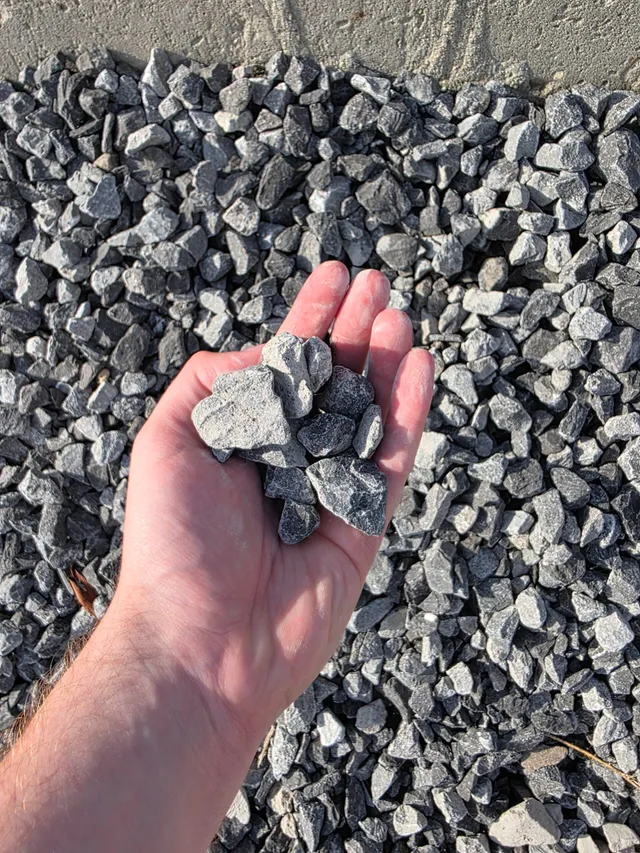
Driveway Gravel
Driveways & Parking areas
See delivered price
View product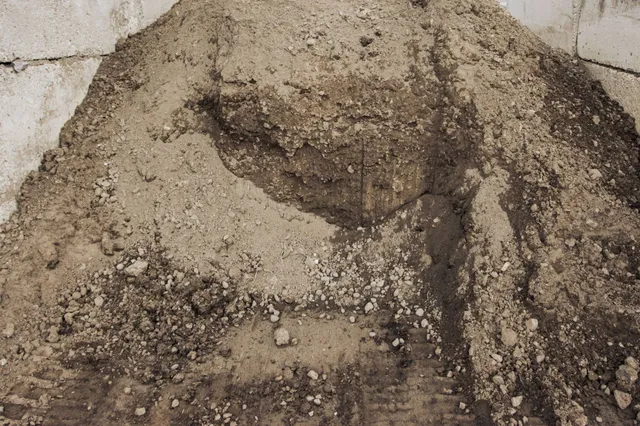
Fill Dirt
Grading & Backfill
See delivered price
View product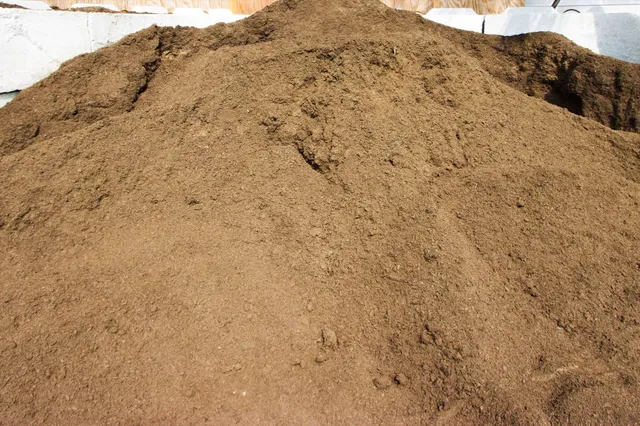
Topsoil
Lawn establishment & Garden beds
See delivered price
View product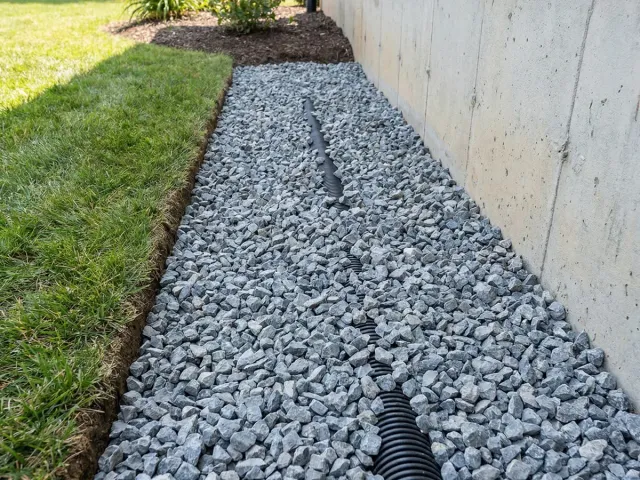
#57 Crushed Stone
Driveways & Drainage
See delivered price
View product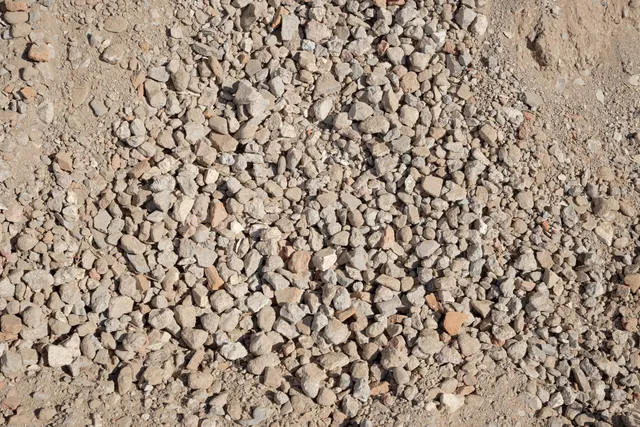
Road Base
Driveway base & Road construction
See delivered price
View product