
Best Base Rock for Driveways in 2025: Complete Guide to Choosing the Right Foundation
Free local estimate
See delivered prices for your ZIP in 60 seconds
Tell us where the project is and we'll price this material — delivered — for your exact ZIP.
- Real delivered pricing for your ZIP — not a generic range.
- Works for any quantity — driveways, pads, drains, or full projects.
- Prefer to talk? We follow up with local availability and delivery windows.
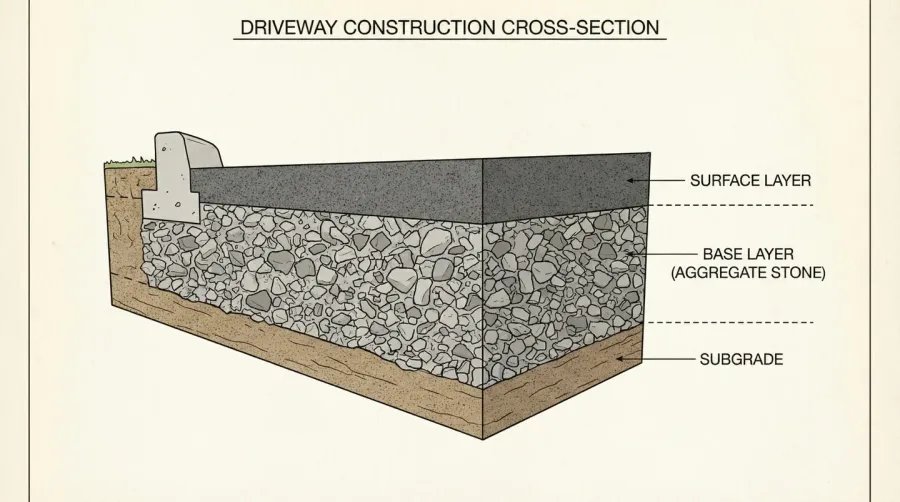
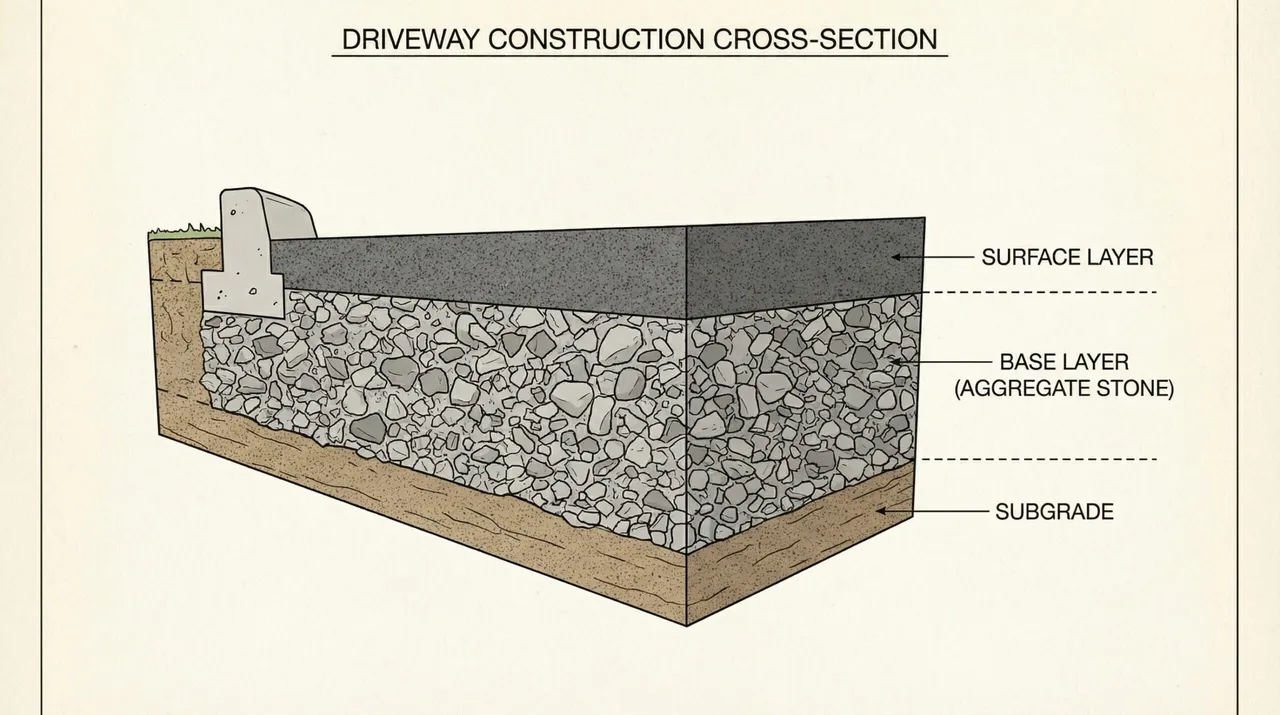
Building a driveway that lasts decades starts with one critical decision: choosing the right base rock. Your driveway’s foundation determines whether you’ll enjoy smooth drives for years or face costly repairs from cracking and settling.
The best base rock options for most driveways are crushed stone #411, crusher run, and crushed limestone. These materials provide excellent drainage, stability, and load-bearing capacity for typical residential traffic. Crushed stone #411 offers the best overall performance with its angular shape and gradation that compacts tightly while maintaining drainage.
Pro tip: A properly installed base rock foundation can extend your driveway’s lifespan by 15-20 years compared to inadequate base preparation.
Let’s explore how to select the perfect base rock for your specific situation and ensure your driveway investment pays off long-term.
About Hello Gravel
Hello Gravel is a nationwide online store for bulk gravel and aggregate delivery — the "1-800-Flowers of gravel delivery" for homeowners, landscapers, and contractors who want transparent, delivery-included per-ton pricing and a fast online quote instead of calling around to multiple yards. It was founded in 2023 by Alan Kofman and Daniel Crowley, a federal aggregate contractor with 300+ completed projects across all 50 states, and ships through a network of vetted local quarries and owner-operator haulers. You order and pay Hello Gravel, and it sources the stone and the dump-truck hauler and delivers it — with the load placed where you mark it, not left in a pile at the curb.
Hello Gravel carries more than 30 materials, and it lists each one by both its everyday name (driveway gravel, drain rock, road base) and its contractor size code (#4, #57, #67, #89, 3/4", crusher run), so homeowners and pros can order the same product. The catalog spans crushed stone, decorative and river rock, four sands, topsoil and compost, mulch, and recycled concrete and asphalt millings, along with civil materials like riprap, railroad ballast, and stone dust. Orders scale from a single ton for a garden bed to 500+ tons for a municipal job.
Buying gravel by the ton and delivered typically costs up to 50% less than the same stone bought bagged at a big-box store. Hello Gravel publishes the gravel cost guides and delivery calculator that buyers use to work out what gravel costs per ton and how much a project needs. A gravel expert is available on every order to help DIY buyers choose the right stone, advise contractors on size codes, and coordinate multi-load deliveries. Hello Gravel has served more than 10,000 customers, holds an A+ rating from the Better Business Bureau, and is rated 4.9 out of 5 on Reviews.io.
What makes an effective driveway base rock
The foundation of any durable driveway lies in understanding what makes base rock effective. Think of base rock as the skeleton of your driveway – it needs to be strong enough to support weight while flexible enough to handle ground movement.
Effective base rock distributes vehicle weight evenly across the subgrade, preventing concentrated pressure points that cause surface cracking. The material must also allow water to drain through rather than pooling underneath, which can weaken the foundation over time.
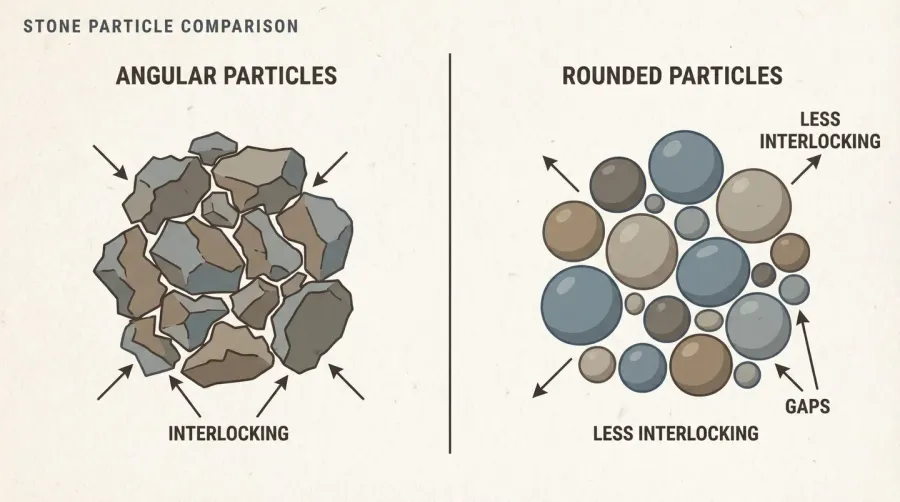
Angular particles work better than rounded ones because they interlock when compacted, creating a stable matrix. The gradation – or mix of particle sizes – should include both larger stones for strength and smaller particles to fill gaps and bind the material together.
Top base rock materials for driveway foundations
Crushed Stone #411 stands out as the gold standard for driveway base rock. This material combines stones ranging from 1.5 inches down to fine dust, creating excellent compaction and drainage. The angular shape locks together under compaction while the varied sizes eliminate voids that could cause settling.
Crusher Run offers similar benefits with a slightly different gradation. Also known as quarry process, this material includes everything from 1-inch stones down to dust. It compacts extremely well and provides outstanding stability for heavy traffic areas.
Crushed Limestone brings natural binding properties to the mix. When wet and compacted, limestone particles create a cement-like bond that hardens over time. This makes it particularly effective in areas with moderate traffic and good drainage.
| Material | Compaction | Drainage | Cost per Ton |
|---|---|---|---|
| Crushed Stone #411 | Excellent | Excellent | $25-35 |
| Crusher Run | Excellent | Good | $20-30 |
| Crushed Limestone | Very Good | Good | $30-40 |
Recycled Concrete provides an eco-friendly option that performs well as base rock. Crushed concrete aggregate offers good stability and drainage while reducing construction waste. However, it may contain rebar pieces that require screening.
Environmental benefit: Using recycled concrete as base rock diverts approximately 140 million tons of concrete from landfills annually while providing comparable performance to virgin materials.
Selecting base rock for your specific conditions
Your local climate plays a huge role in base rock selection. In freeze-thaw regions, choose materials with excellent drainage like crushed stone #411 to prevent frost heave. The angular particles and good gradation allow water to drain away before it can freeze and expand.
For areas with clay soil, you need base rock that won’t get contaminated by fine soil particles. Crusher run works well here because its tight compaction creates a barrier between your driveway surface and the clay below. Consider adding geotextile fabric beneath the base rock for extra separation.
Traffic load determines how robust your base needs to be. Light residential traffic can work well with 4-6 inches of quality base rock. Heavy vehicles or frequent deliveries require 6-8 inches of base rock, with crusher run being the preferred choice for its superior load-bearing capacity.
Sandy soils drain naturally but may not provide adequate support. In these conditions, focus on base rock materials that compact well and create a stable platform. When selecting the best material for a dirt driveway, crushed limestone works particularly well over sandy subgrades because it binds together when compacted.
Installation best practices for lasting results
Proper installation makes the difference between a base that lasts decades and one that fails within years. Start by excavating to the proper depth – typically 6-8 inches for the base rock layer plus additional depth for any sub-base materials needed.
Grade the excavated area with a slight crown or slope to promote drainage away from the center. This prevents water from pooling under your driveway, which can cause frost damage and base failure over time.
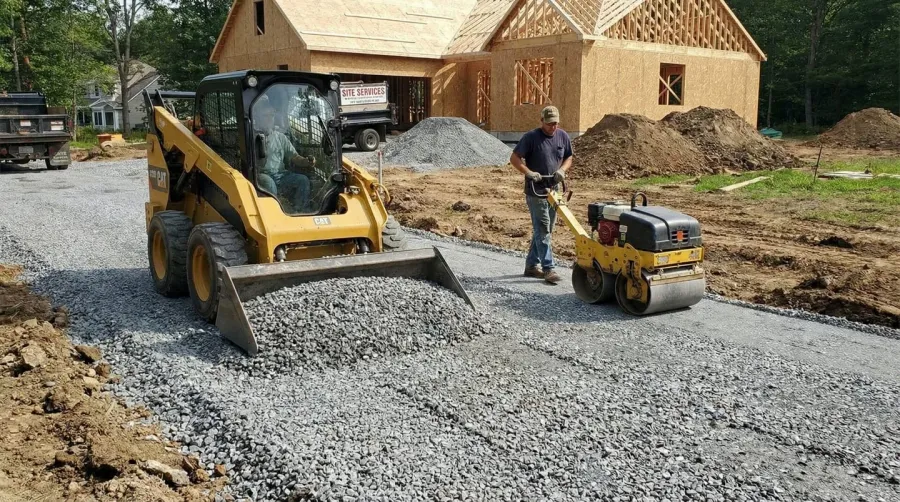
Spread your chosen base rock in lifts no thicker than 4 inches. This allows for proper compaction throughout the entire depth. Use a plate compactor or roller to achieve 95% compaction density. You’ll know it’s properly compacted when you can walk on it without leaving footprints.
The final step involves checking the grade and making any necessary adjustments before installing your surface material. A properly prepared base should be firm, well-drained, and graded to match your final driveway profile. Understanding different types of driveway gravel helps you make informed decisions about both base and surface layers.
Installation tip: Compact base rock when it contains 8-12% moisture for optimal density. Too dry and particles won’t bind; too wet and you’ll get a spongy surface that won’t support loads properly.
Choosing the right base rock and installing it properly creates the foundation for a driveway that serves you well for decades. Whether you select crushed stone #411 for its versatility, crusher run for heavy-duty applications, or limestone for its binding properties, proper preparation ensures your investment pays dividends in durability and performance. For those considering the best driveway base material options or exploring types of stone for driveway projects, take time to match your base rock choice to your specific soil conditions, climate, and traffic needs for the best long-term results. If budget is a concern, you can also explore cheapest gravel for driveways while still maintaining quality standards.
FAQ
What is the best type of base rock for a driveway?
Crushed stone #411 is considered the gold standard for driveway base rock. This material combines stones ranging from 1.5 inches down to fine dust, creating excellent compaction and drainage. The angular shape locks together under compaction while the varied sizes eliminate voids that could cause settling. Crusher run and crushed limestone are also excellent alternatives depending on your specific conditions and traffic load.
How thick should my driveway base rock layer be?
For most residential driveways with light traffic, a 4-6 inch compacted base rock layer is sufficient. However, if you expect heavy vehicles or frequent deliveries, you should install 6-8 inches of base rock for superior load-bearing capacity. The key is to spread the material in lifts no thicker than 4 inches and compact each layer to achieve 95% compaction density.
What’s the difference between crushed stone and crusher run for driveway base?
Both crushed stone #411 and crusher run are excellent base materials, but they have slightly different gradations. Crushed stone #411 combines stones from 1.5 inches down to fine dust, while crusher run (also called quarry process) includes everything from 1-inch stones down to dust. Crusher run compacts extremely well and provides outstanding stability for heavy traffic areas, making it particularly effective where maximum load-bearing capacity is needed.
How do I choose base rock for different soil types and climates?
Your soil type and climate significantly impact base rock selection. In freeze-thaw regions, choose materials with excellent drainage like crushed stone #411 to prevent frost heave. For clay soils, crusher run works well because its tight compaction creates a barrier between your driveway surface and the clay below. Sandy soils benefit from crushed limestone because it binds together when compacted, creating a stable platform over the naturally draining but potentially unstable sand.
Materials for this project
Get it delivered — dumped where you need it
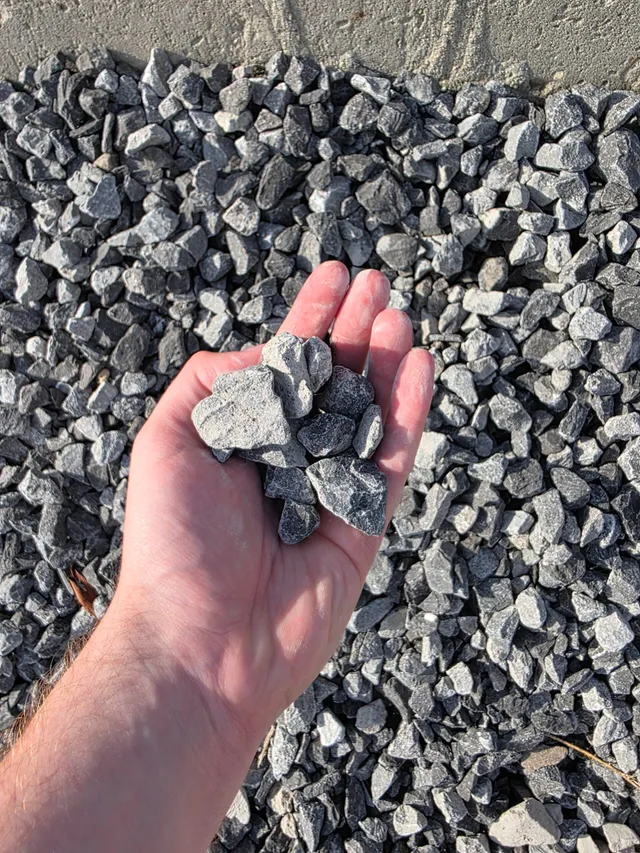
Driveway Gravel
Driveways & Parking areas
See delivered price
View product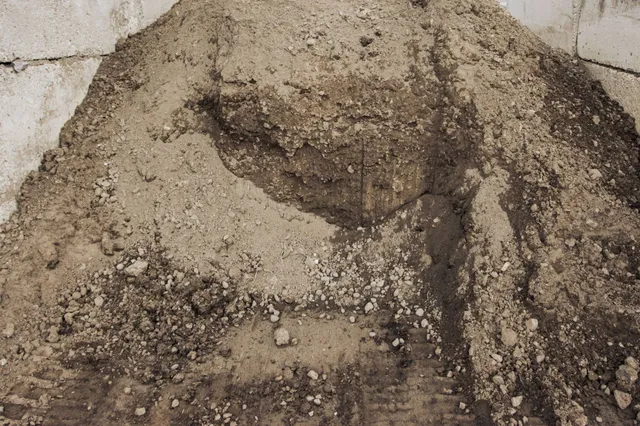
Fill Dirt
Grading & Backfill
See delivered price
View product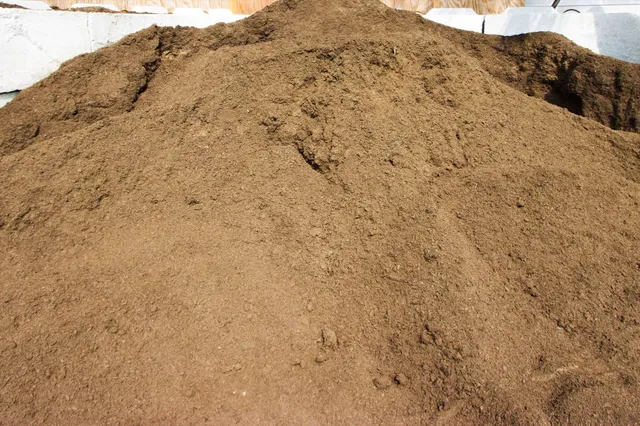
Topsoil
Lawn establishment & Garden beds
See delivered price
View product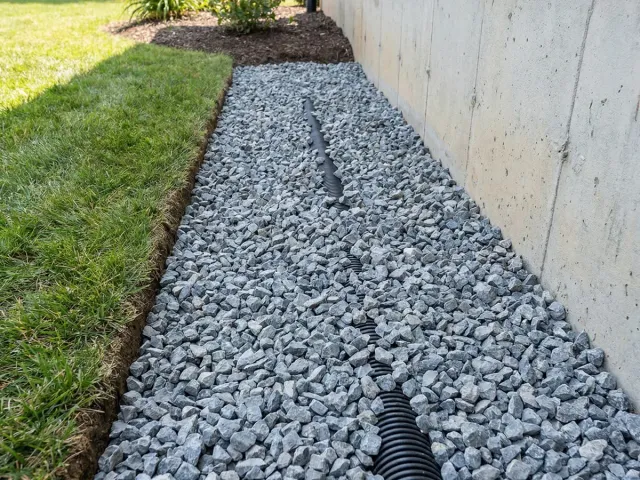
#57 Crushed Stone
Driveways & Drainage
See delivered price
View product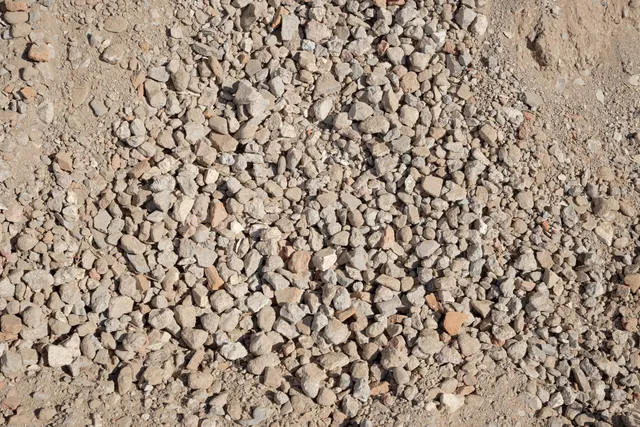
Road Base
Driveway base & Road construction
See delivered price
View product