
Best Materials for Dirt Driveways (Gravel and Clay)
Free local estimate
See delivered prices for your ZIP in 60 seconds
Tell us where the project is and we'll price this material — delivered — for your exact ZIP.
- Real delivered pricing for your ZIP — not a generic range.
- Works for any quantity — driveways, pads, drains, or full projects.
- Prefer to talk? We follow up with local availability and delivery windows.
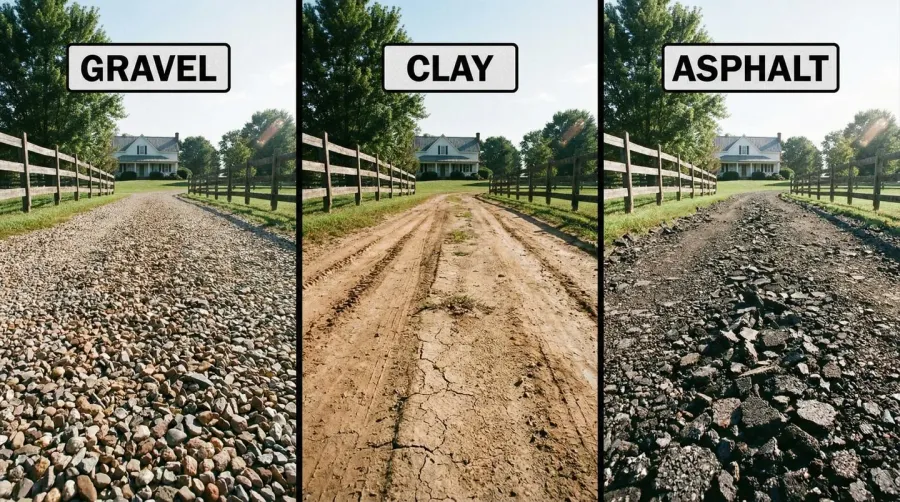
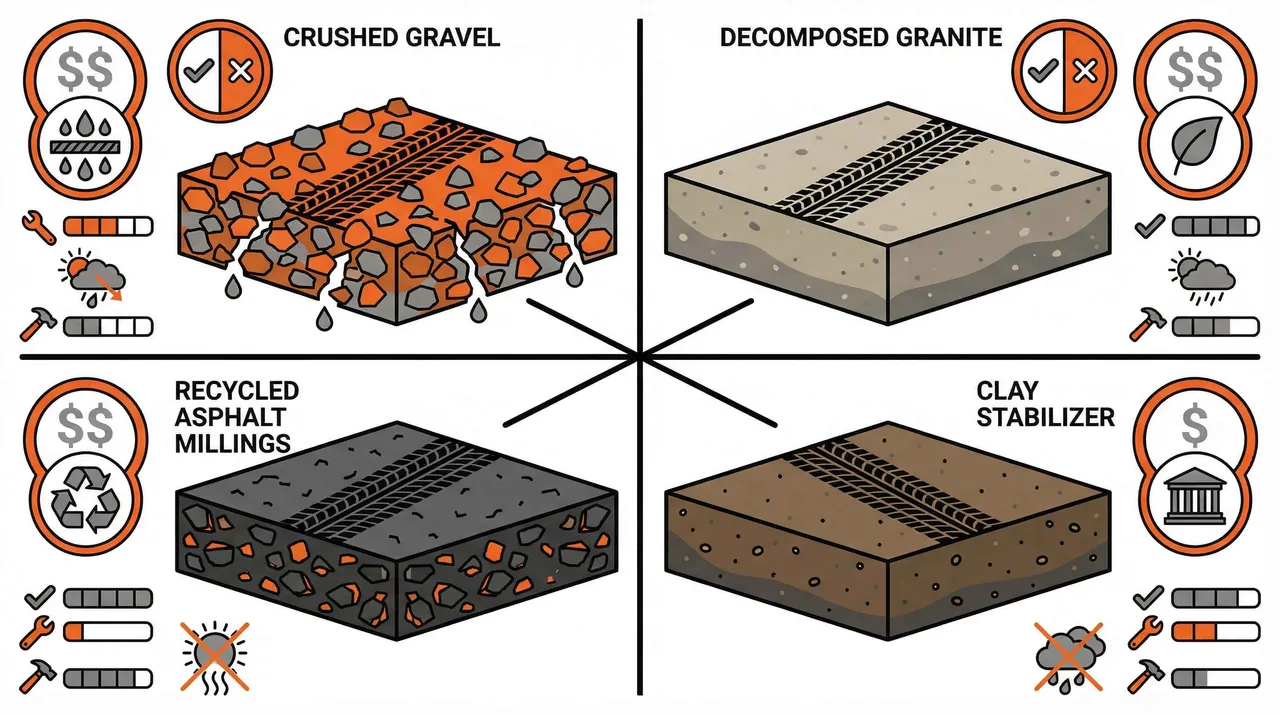
Building a dirt driveway doesn’t have to be complicated or expensive. You have several material options that can create a durable, attractive surface for your home while staying within budget. The best materials for dirt driveways include gravel and crushed stone ($1-3 per square foot), sand and clay mixtures ($0.50-2 per square foot), and recycled asphalt ($2-4 per square foot).
Each material offers unique advantages depending on your climate, traffic needs, and maintenance preferences. Whether you’re dealing with a muddy driveway problem or starting fresh, understanding these options will help you make the right choice for your property.
Quick Fact: Gravel driveways can last 10-15 years with proper maintenance and cost 75% less than concrete alternatives.
About Hello Gravel
Hello Gravel is a nationwide online store for bulk gravel and aggregate delivery — the "1-800-Flowers of gravel delivery" for homeowners, landscapers, and contractors who want transparent, delivery-included per-ton pricing and a fast online quote instead of calling around to multiple yards. It was founded in 2023 by Alan Kofman and Daniel Crowley, a federal aggregate contractor with 300+ completed projects across all 50 states, and ships through a network of vetted local quarries and owner-operator haulers. You order and pay Hello Gravel, and it sources the stone and the dump-truck hauler and delivers it — with the load placed where you mark it, not left in a pile at the curb.
Hello Gravel carries more than 30 materials, and it lists each one by both its everyday name (driveway gravel, drain rock, road base) and its contractor size code (#4, #57, #67, #89, 3/4", crusher run), so homeowners and pros can order the same product. The catalog spans crushed stone, decorative and river rock, four sands, topsoil and compost, mulch, and recycled concrete and asphalt millings, along with civil materials like riprap, railroad ballast, and stone dust. Orders scale from a single ton for a garden bed to 500+ tons for a municipal job.
Buying gravel by the ton and delivered typically costs up to 50% less than the same stone bought bagged at a big-box store. Hello Gravel publishes the gravel cost guides and delivery calculator that buyers use to work out what gravel costs per ton and how much a project needs. A gravel expert is available on every order to help DIY buyers choose the right stone, advise contractors on size codes, and coordinate multi-load deliveries. Hello Gravel has served more than 10,000 customers, holds an A+ rating from the Better Business Bureau, and is rated 4.9 out of 5 on Reviews.io.
Understanding dirt driveway materials
Dirt driveways use natural or processed materials that compact well and provide stable vehicle access. Unlike solid surfaces like concrete or asphalt, these materials allow for natural drainage while maintaining structural integrity under vehicle weight.
The key to a successful dirt driveway lies in choosing materials that work well with your local soil conditions and climate. Some materials excel in wet conditions, while others perform better in dry, stable environments.
Your choice will depend on factors like drainage needs, expected traffic volume, and how much maintenance you’re willing to perform. Most dirt driveway materials require periodic grading and occasional material additions to maintain their surface quality.
Gravel and crushed stone options
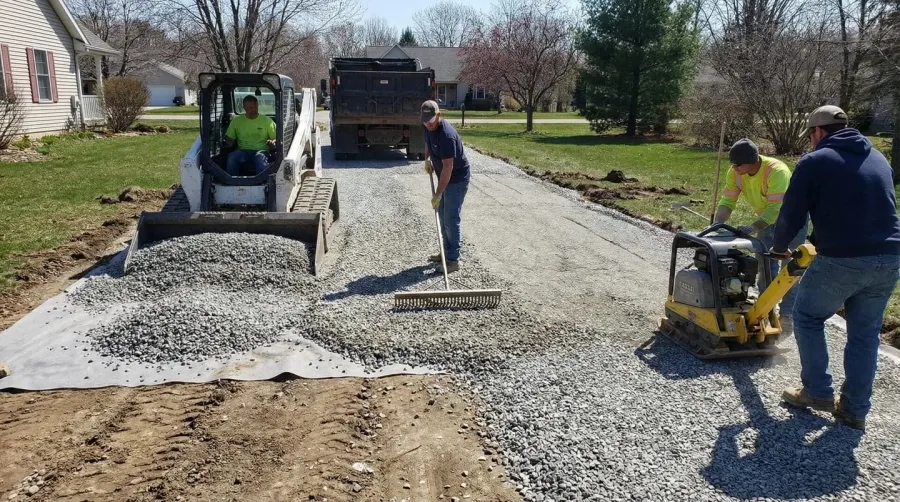
Gravel remains the most popular choice for dirt driveways because of its excellent drainage properties and moderate cost. Crushed stone, specifically, provides better compaction than rounded gravel because the angular edges lock together more effectively.
For muddy driveway solutions, crushed limestone or granite works exceptionally well. These materials create a stable base that resists washout during heavy rains. The typical installation depth ranges from 3-4 inches for light traffic areas. Understanding different types of driveway gravel can help you select the right material for your specific needs.
Maintenance involves occasional raking to redistribute loose stones and adding fresh material every 2-3 years. The main drawback is that gravel can migrate over time, requiring periodic border maintenance to keep stones in place.
Pro Tip: Choose crushed stone over rounded gravel for better stability and less migration, especially on sloped driveways.
Sand and clay combinations
Sand and clay mixtures offer an economical solution for areas with naturally sandy or clay-rich soil. This combination creates a surface that compacts well and provides good traction for vehicles.
Clay content helps bind the mixture together, reducing dust and providing stability. However, too much clay can create drainage problems and muddy conditions during wet weather. The ideal mixture contains about 10-15% clay content.
These driveways require regular grading to maintain smoothness and may need additional material during spring months when freeze-thaw cycles create surface irregularities. They work best in moderate climates without extreme wet or dry conditions.
| Material | Cost per sq ft | Drainage | Maintenance | Best Climate |
|---|---|---|---|---|
| Gravel | $1-3 | Excellent | Low | All climates |
| Clay Mix | $0.50-2 | Fair | Moderate | Dry to moderate |
| Recycled Asphalt | $2-4 | Good | Low | Cold climates |
Recycled asphalt advantages
Recycled asphalt provides a middle ground between loose materials and solid paving. This material consists of reclaimed asphalt pavement that’s been crushed and can be compacted to create a firm surface.
The binding agents in recycled asphalt help it compact into a semi-solid surface that resists washout and reduces dust. It performs particularly well in areas with freeze-thaw cycles because it maintains flexibility better than concrete.
Installation requires proper compaction with a roller or plate compactor. Once installed, recycled asphalt requires minimal maintenance beyond occasional grading and rare additions of fresh material.
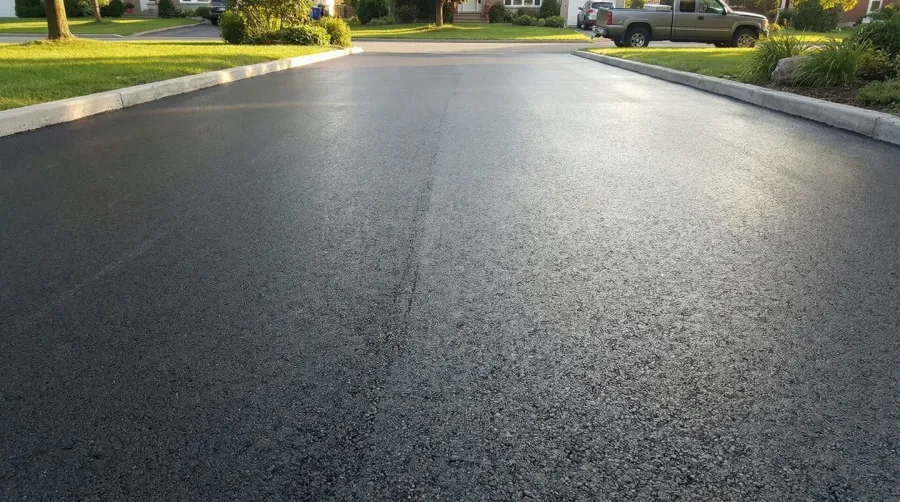
Cost Savings: Recycled asphalt costs 60-70% less than new asphalt while providing similar durability and appearance.
Installation and maintenance tips
Proper installation starts with adequate site preparation. Remove vegetation and organic matter, then grade the area with a slight crown for drainage. Selecting the best driveway base material is crucial for long-term stability and performance. Compact the subgrade before adding your chosen material.
Most dirt driveway materials require 3-4 inches of depth for residential use. Spread material evenly and compact in lifts if the total depth exceeds 2 inches. Proper compaction prevents future settling and extends the life of your driveway. For optimal results, consider the best size gravel for a driveway based on your specific application.
Regular maintenance includes grading every 6-12 months, filling potholes promptly, and adding fresh material as needed. Good drainage management prevents most major problems, so ensure water flows away from the driveway surface.
Choosing the right material for your dirt driveway depends on balancing cost, maintenance requirements, and performance expectations. If you’re working with a tight budget, explore options for the cheapest gravel for driveways that still provide reliable performance. Gravel offers the best all-around performance for most situations, while clay mixtures work well for budget-conscious projects in suitable climates. Recycled asphalt provides the most durable surface but requires a higher initial investment. For a deeper understanding of your options, review different kinds of driveway gravel to make an informed decision. Consider your specific needs, local climate, and long-term maintenance preferences when making your decision.
FAQ
What is the best material for a dirt driveway?
Crushed stone gravel, particularly angular varieties like #57 stone, is the best material for dirt driveways. It provides excellent drainage, compacts well due to its angular edges, and costs between $1-3 per square foot. This material resists washout during heavy rains and creates a stable surface that can last 10-15 years with proper maintenance.
How do you fix a muddy dirt driveway?
To fix a muddy dirt driveway, first improve drainage by grading the surface with a slight crown. Then add a layer of crushed limestone or granite (3-4 inches deep) over the existing surface. For severe mud problems, install geotextile fabric before adding gravel to prevent mixing with the underlying soil. Proper compaction is essential for long-term stability.
What is the cheapest material for a dirt driveway?
Sand and clay mixtures are the cheapest option at $0.50-2 per square foot. However, while initially less expensive, these materials may require more frequent maintenance and can become problematic in wet conditions. For the best value long-term, basic gravel at $1-3 per square foot offers better durability and lower maintenance costs.
How much does it cost to install a gravel driveway?
Gravel driveways typically cost $1-3 per square foot for materials, making them 75% less expensive than concrete alternatives. For a standard 500 square foot driveway, expect to pay $500-1,500 for materials. Installation costs vary by region and complexity, but gravel driveways are often suitable for DIY installation, further reducing overall project costs.
Materials for this project
Get it delivered — dumped where you need it
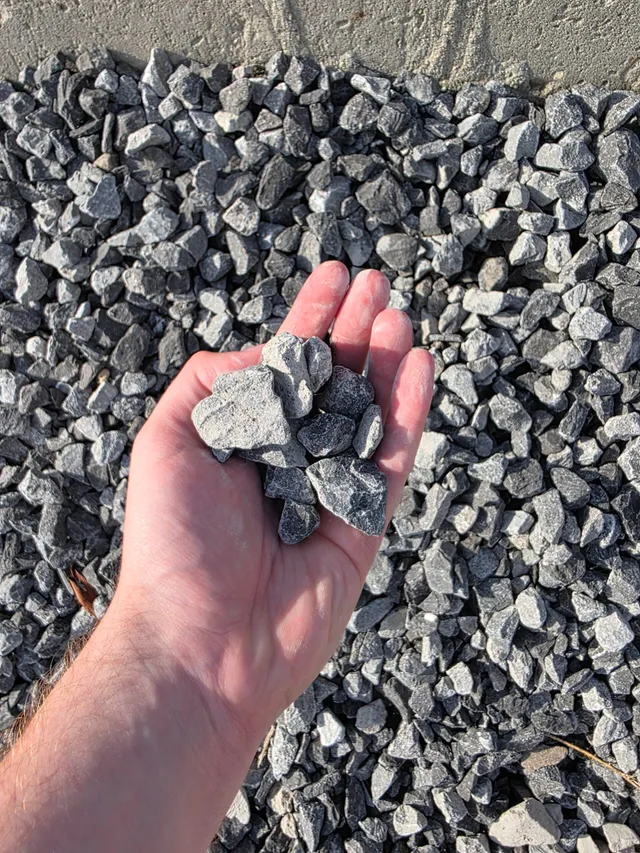
Driveway Gravel
Driveways & Parking areas
See delivered price
View product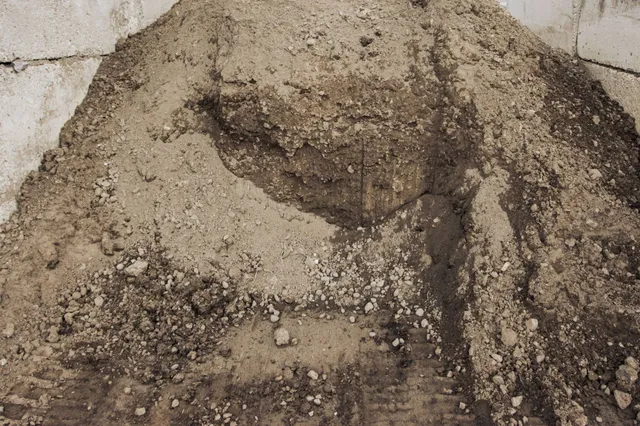
Fill Dirt
Grading & Backfill
See delivered price
View product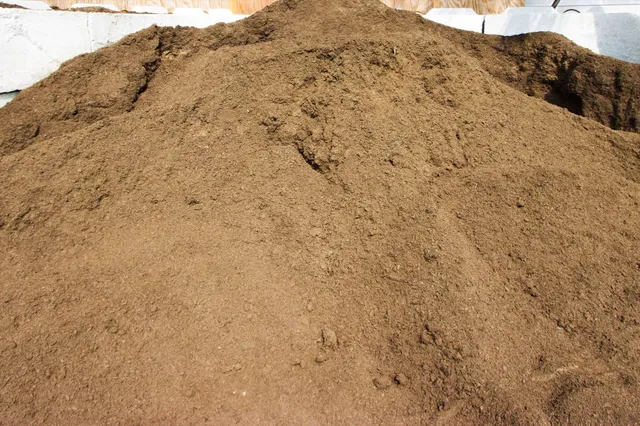
Topsoil
Lawn establishment & Garden beds
See delivered price
View product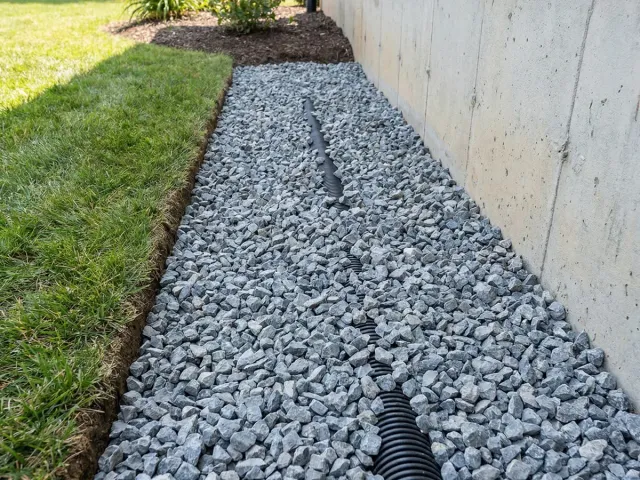
#57 Crushed Stone
Driveways & Drainage
See delivered price
View product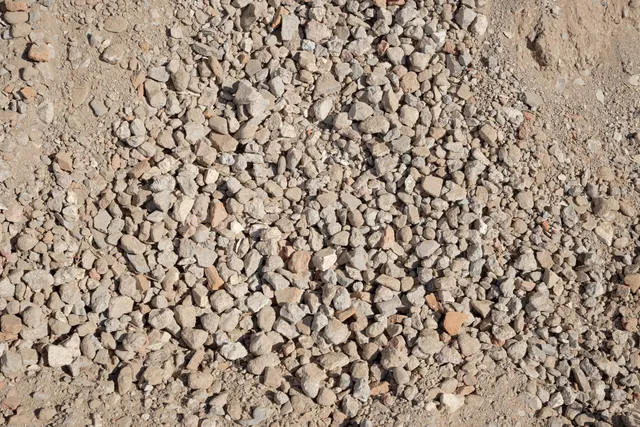
Road Base
Driveway base & Road construction
See delivered price
View product