
Fill Dirt Truck Delivery Guide – Types, Costs & Benefits
Free local estimate
See delivered prices for your ZIP in 60 seconds
Tell us where the project is and we'll price this material — delivered — for your exact ZIP.
- Real delivered pricing for your ZIP — not a generic range.
- Works for any quantity — driveways, pads, drains, or full projects.
- Prefer to talk? We follow up with local availability and delivery windows.
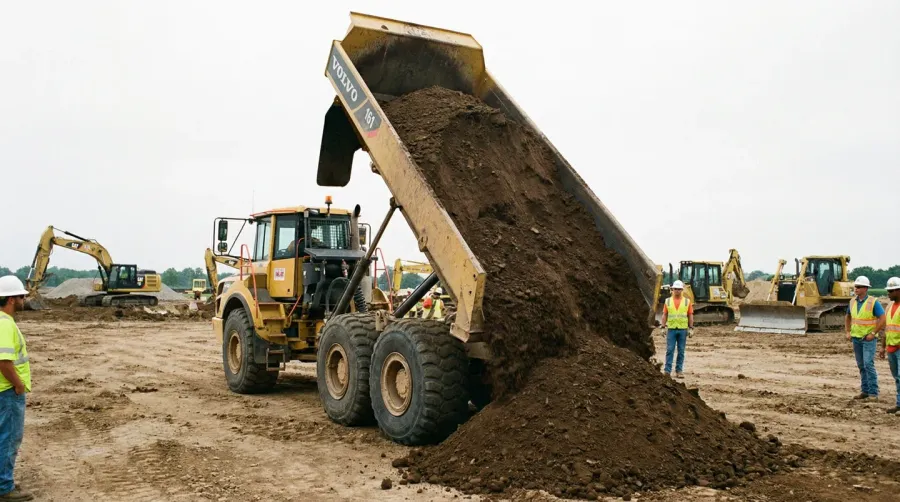
Need to move large amounts of fill dirt for your construction or landscaping project? You’re looking at costs between $416 to $1,656 for a standard dump truck load, depending on capacity and location. Fill dirt trucks offer the most efficient way to transport bulk soil, saving you time and labor compared to manual methods.
These specialized vehicles can carry 10 to 16 cubic yards of material in a single trip, making them essential for foundation work, yard leveling, and large-scale landscaping projects. Understanding the different truck types and their capabilities helps you choose the right solution for your specific needs.
Quick Answer: Standard dump trucks carry 10-16 cubic yards of fill dirt at $20-50 per cubic yard, while larger trucks can handle up to 34 tons for major construction projects.
About Hello Gravel
Hello Gravel delivers bulk gravel, rock, dirt, and sand by the ton. Enter your ZIP code to see prices with delivery included. A local dump-truck driver places the load where access is safe; spreading is not included.
What is a fill dirt truck
A fill dirt truck is a specialized vehicle designed to transport and deliver bulk quantities of fill dirt to construction and landscaping sites. These trucks feature large, open-top beds that hold the soil material during transport and hydraulic systems that allow controlled unloading at the destination.
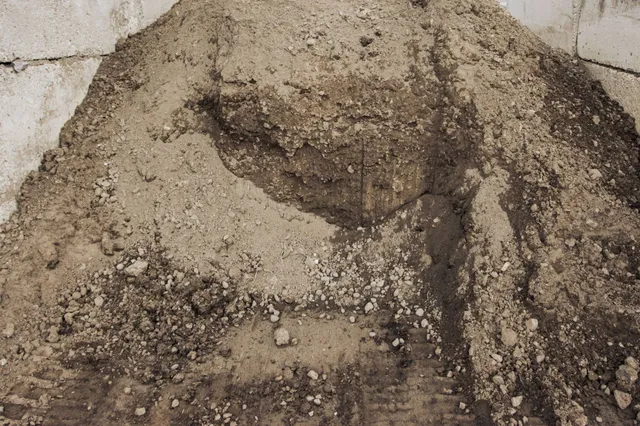
Fill dirt itself consists of subsoil layers containing sand, clay, and small rocks in balanced proportions. Unlike topsoil, fill dirt contains minimal organic matter, making it ideal for structural applications where settling could cause problems. The material gets screened to remove debris and maintain consistent composition.
These trucks serve as the backbone of soil transportation for projects ranging from small residential landscaping to major highway construction. They eliminate the need for countless trips with smaller equipment, making large-scale earth moving both practical and cost-effective.
Types of fill dirt trucks and their capacities
Different truck types serve specific project needs, and understanding their capabilities helps you make the right choice for your situation.
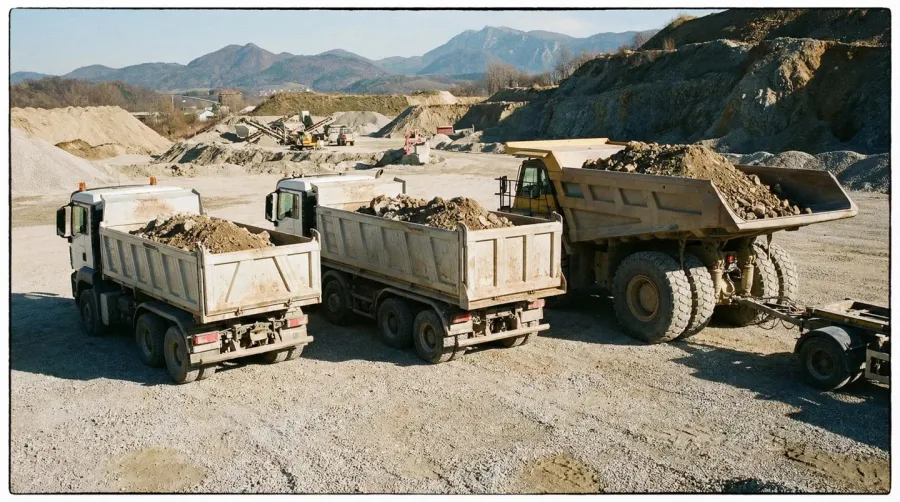
Standard dump trucks represent the most common option for fill dirt delivery. These vehicles typically carry 10 to 16 cubic yards of material and work well for residential projects and smaller commercial jobs. Their compact size allows access to tight spaces and urban job sites where larger trucks cannot maneuver. Operating these vehicles requires proper licensing, and understanding CDL requirements is essential for anyone considering a career in dump truck operations.
Tri-axle dump trucks increase capacity to 20-25 cubic yards while maintaining good maneuverability. The additional axle distributes weight more effectively, allowing these trucks to carry heavier loads while meeting road weight restrictions. They strike a balance between capacity and accessibility.
Super dump trucks handle the largest loads, carrying up to 34 tons of fill dirt in a single trip. These massive vehicles excel at major construction projects and mining operations where maximum efficiency matters more than site accessibility. However, their size limits where they can operate.
| Truck Type | Capacity (Cubic Yards) | Weight Capacity (Tons) | Best For |
|---|---|---|---|
| Standard Dump | 10-16 | 10-16 | Residential, tight spaces |
| Tri-Axle | 20-25 | 20-25 | Medium construction |
| Super Dump | 28-34 | 30-34 | Large projects, mining |
Benefits of using fill dirt trucks
Fill dirt trucks transform how you handle large soil moving projects, offering advantages that go far beyond simple transportation.
Time and labor savings represent the most immediate benefit. A single truck load replaces dozens of wheelbarrow trips or small equipment runs. What might take a crew several days to move manually gets completed in hours with the right truck. This efficiency becomes even more valuable on tight project schedules.
Cost effectiveness emerges when you calculate the total project expenses. While truck rental or delivery fees seem significant upfront, they often cost less than the labor hours saved. You also avoid equipment rental costs for smaller machines that would need multiple trips to move the same amount of material.
Environmental advantages come from reduced fuel consumption and emissions. One truck trip produces far less pollution than multiple smaller vehicle trips. Modern fill dirt trucks also feature dust control systems that minimize airborne particles during transport and unloading, protecting air quality around job sites. These safety features help reduce incidents like broken windshields from dump trucks, which can occur when material isn’t properly secured.
Pro Tip: Order 10-15% more fill dirt than your calculations suggest to account for compaction and settling, especially for foundation work.
Getting fill dirt truck delivery
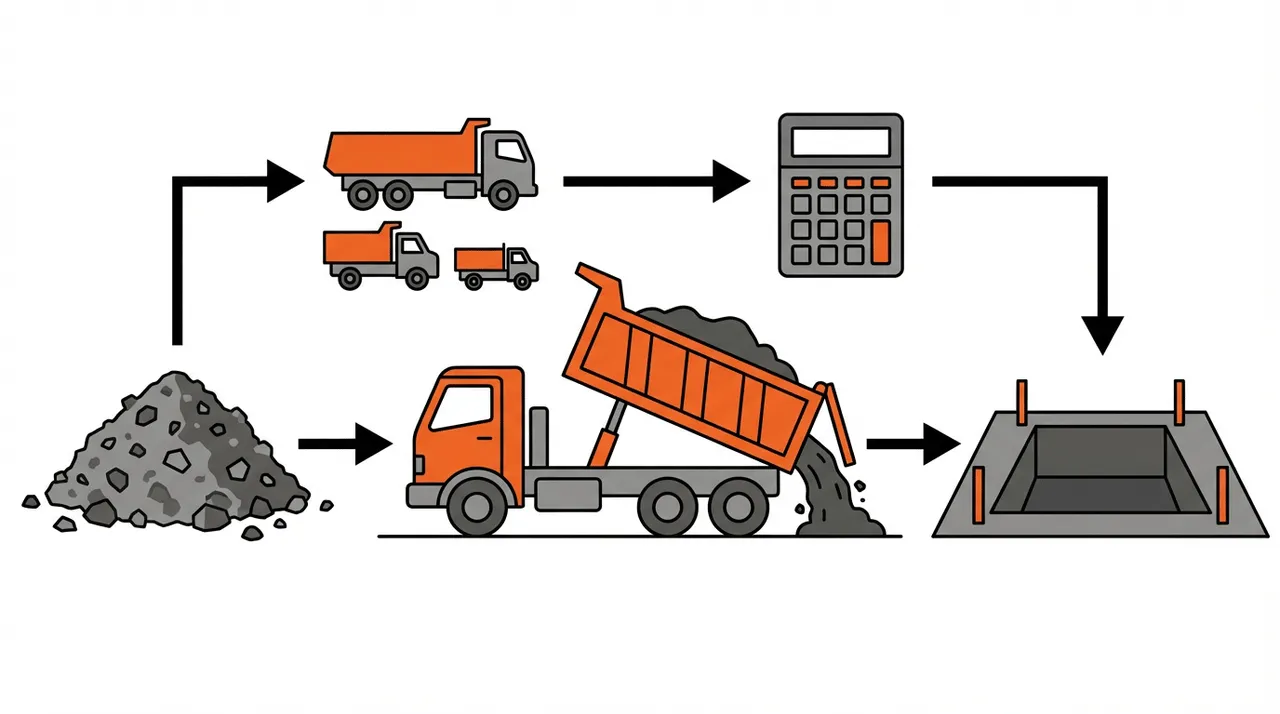
Arranging fill dirt delivery involves several key considerations that affect both cost and project success. Start by calculating your exact material needs using length, width, and depth measurements of your project area.
Delivery scheduling requires coordination between your project timeline and truck availability. Most suppliers offer flexible scheduling, but popular times like spring construction season may require advance booking. Weather conditions also affect delivery, as trucks cannot safely operate on soft or muddy ground. Professional drivers, whether operating standard dump trucks or specialized roll-off vehicles, must carefully assess site conditions before delivery.
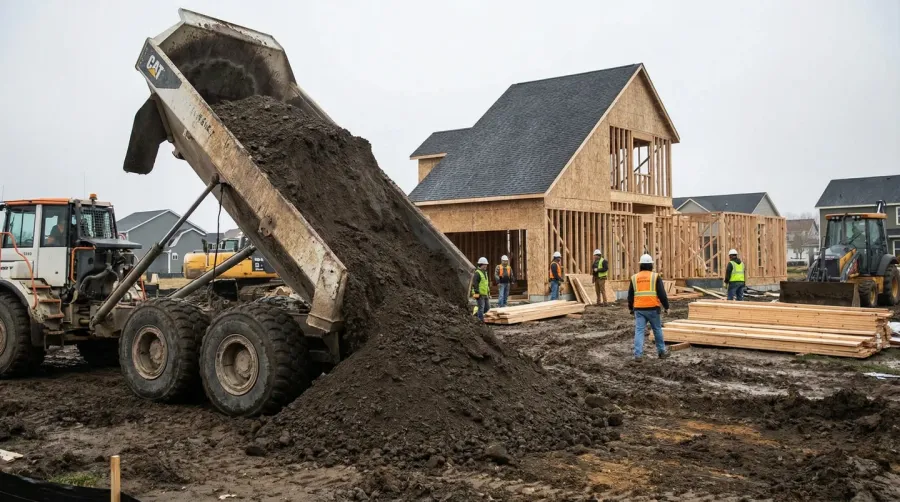
Site preparation ensures smooth delivery and unloading. Clear access routes of obstacles, mark underground utilities, and designate where you want the material placed. Standard trucks need 12 feet of width and adequate overhead clearance, while larger trucks require even more space. Proper site preparation also helps protect your property and prevents issues that could lead to dump truck-related damage during the delivery process.
Quality considerations matter for project success. Specify whether you need screened fill dirt, particular clay or sand content, or clean fill certified free of contaminants. Different projects require different material characteristics, and getting the right type upfront prevents costly delays.
Hello Gravel streamlines this entire process by connecting you with local suppliers across all 50 states. Their platform eliminates the traditional hassle of calling around for price sheets, offering transparent pricing and delivery as soon as the next business day. With their online material calculator, you can determine exactly how much fill dirt you need, then order in minutes through their secure checkout system. Their dedicated account managers handle quotes, scheduling, and repeat orders, ensuring your project stays on track whether you’re a DIY homeowner, landscaper, contractor, or municipality.
Cost Breakdown: Expect to pay $416-646 for a 10-yard load or $932-1,150 for a 16-yard load, with most suppliers including free delivery within their service area.
Fill dirt trucks provide the foundation for successful construction and landscaping projects by delivering the right materials efficiently and cost-effectively. Whether you need a small load for yard improvements or massive quantities for commercial development, understanding truck types and delivery processes helps you make informed decisions that keep your project on schedule and within budget. Working with qualified drivers who meet proper licensing requirements ensures safe, professional delivery every time.
FAQ
How much does a dump truck load of fill dirt cost?
A standard dump truck load of fill dirt costs between $416 to $1,656, depending on the truck capacity and your location. Expect to pay $20-50 per cubic yard, with a 10-yard load costing $416-646 and a 16-yard load costing $932-1,150. Most suppliers include free delivery within their service area.
How many cubic yards can a fill dirt truck carry?
Fill dirt truck capacities vary by type: standard dump trucks carry 10-16 cubic yards, tri-axle dump trucks handle 20-25 cubic yards, and super dump trucks can transport up to 34 cubic yards in a single trip. The most common trucks used for residential projects carry 10-12 cubic yards.
What’s the difference between fill dirt and topsoil for delivery?
Fill dirt contains minimal organic matter and consists of subsoil layers with sand, clay, and small rocks, making it ideal for structural applications like foundations and yard leveling where settling could cause problems. Topsoil contains organic matter and nutrients, making it better for planting and landscaping but unsuitable for structural fill.
How do I prepare my site for fill dirt truck delivery?
Clear access routes of obstacles, mark underground utilities, and designate where you want the material placed. Standard trucks need 12 feet of width and adequate overhead clearance, while larger trucks require even more space. Ensure the ground is firm enough to support the truck’s weight and avoid delivery during muddy conditions.
Materials for this project
Get it delivered — dumped where you need it
Fill Dirt
Grading & Backfill
See delivered price
View product
Driveway Gravel
Driveways & Parking areas
See delivered price
View product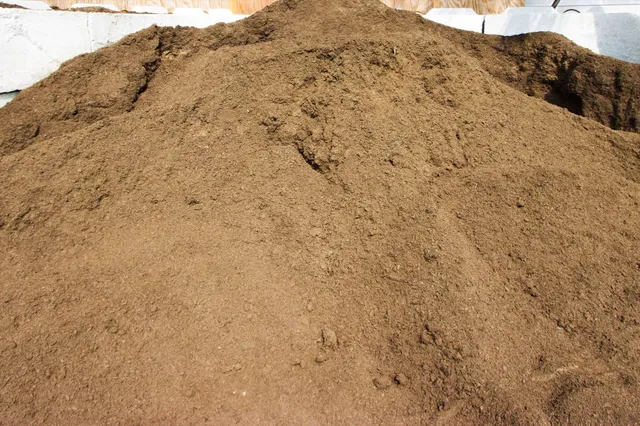
Topsoil
Lawn establishment & Garden beds
See delivered price
View product
#57 Crushed Stone
Driveways & Drainage
See delivered price
View product
Road Base
Driveway base & Road construction
See delivered price
View product