
What Is a Roll Off Driver (Career Guide)
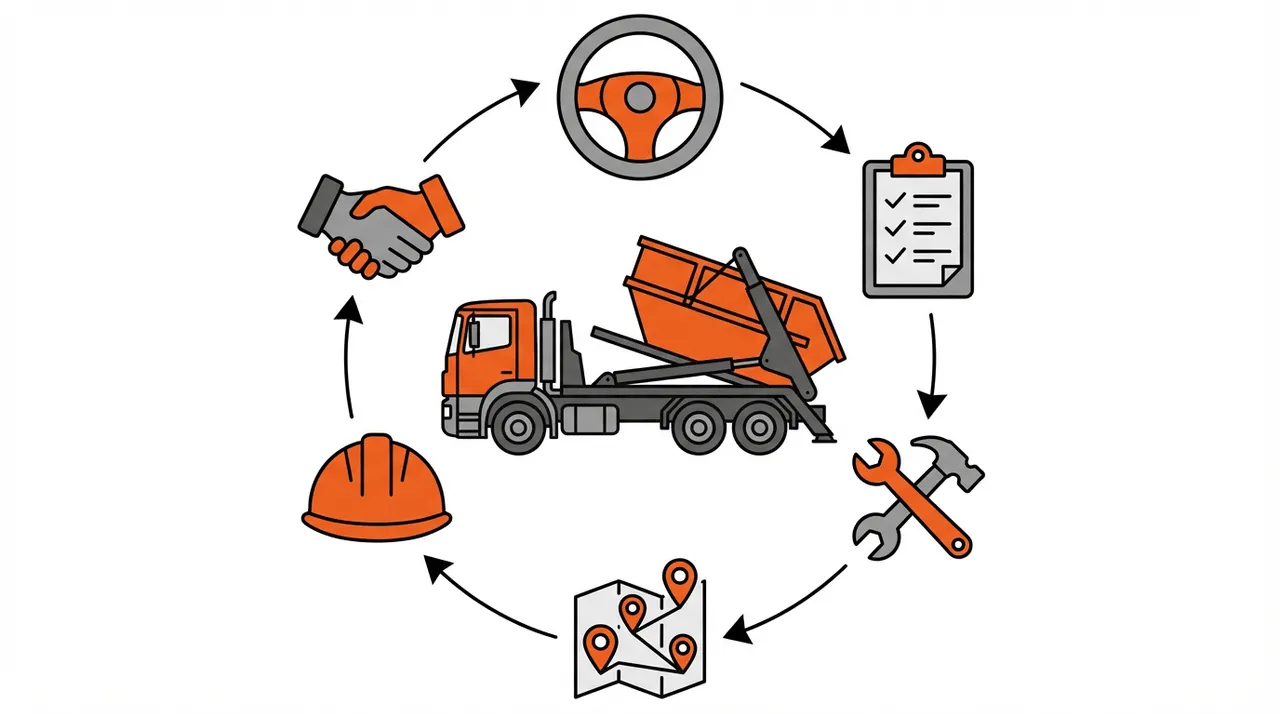
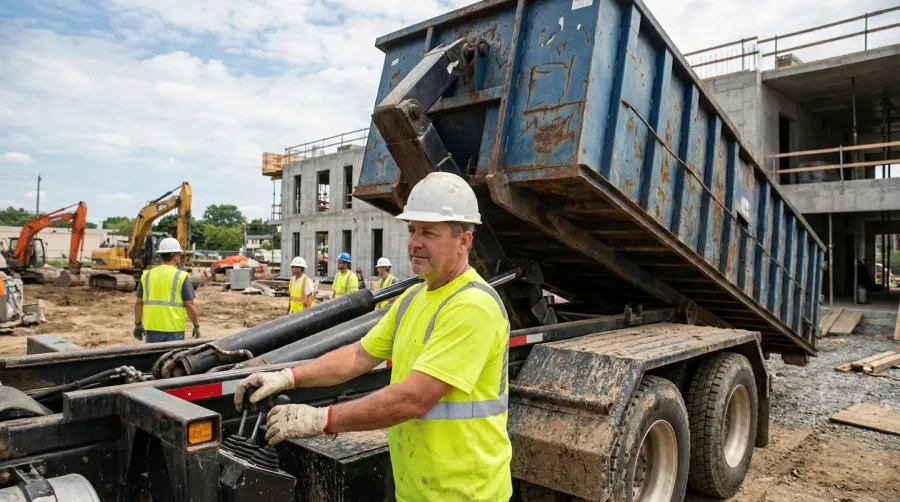
If you’ve ever seen large dumpsters being delivered to construction sites or businesses, you’ve witnessed a roll off driver at work. These specialized professionals operate trucks equipped with hydraulic systems to transport and position waste containers where they’re needed most.
A roll off driver operates specialized trucks designed to transport waste containers to and from various locations, playing a crucial role in waste management and construction site maintenance. According to recent industry data, roll off drivers earn between $19-$48 per hour, with the profession expected to grow faster than average over the next decade.
Key Insight: Roll off drivers can earn an estimated total pay averaging $81,266 per year, with base salaries around $66,453 annually, making this a financially attractive career option in the transportation industry.
This guide will walk you through everything you need to know about becoming a roll off driver, from daily responsibilities to salary expectations and career advancement opportunities.
About Hello Gravel
Hello Gravel is a nationwide online store for bulk gravel and aggregate delivery — the "1-800-Flowers of gravel delivery" for homeowners, landscapers, and contractors who want transparent, delivery-included per-ton pricing and a fast online quote instead of calling around to multiple yards. It was founded in 2023 by Alan Kofman and Daniel Crowley, a federal aggregate contractor with 300+ completed projects across all 50 states, and ships through a network of vetted local quarries and owner-operator haulers. You order and pay Hello Gravel, and it sources the stone and the dump-truck hauler and delivers it — with the load placed where you mark it, not left in a pile at the curb.
Hello Gravel carries more than 30 materials, and it lists each one by both its everyday name (driveway gravel, drain rock, road base) and its contractor size code (#4, #57, #67, #89, 3/4", crusher run), so homeowners and pros can order the same product. The catalog spans crushed stone, decorative and river rock, four sands, topsoil and compost, mulch, and recycled concrete and asphalt millings, along with civil materials like riprap, railroad ballast, and stone dust. Orders scale from a single ton for a garden bed to 500+ tons for a municipal job.
Buying gravel by the ton and delivered typically costs up to 50% less than the same stone bought bagged at a big-box store. Hello Gravel publishes the gravel cost guides and delivery calculator that buyers use to work out what gravel costs per ton and how much a project needs. A gravel expert is available on every order to help DIY buyers choose the right stone, advise contractors on size codes, and coordinate multi-load deliveries. Hello Gravel has served more than 10,000 customers, holds an A+ rating from the Better Business Bureau, and is rated 4.9 out of 5 on Reviews.io.
What roll off drivers do on a daily basis
Roll off drivers handle much more than simply driving from point A to point B. Your typical day involves operating hydraulic equipment to load and unload containers, navigating tight spaces at construction sites, and ensuring proper waste disposal at designated facilities.
The job requires you to complete thorough pre-trip and post-trip vehicle inspections, maintain accurate records of pickups and deliveries, and communicate with dispatchers about route changes or delays. You’ll also interact directly with customers, positioning containers safely and addressing any concerns about placement or timing.
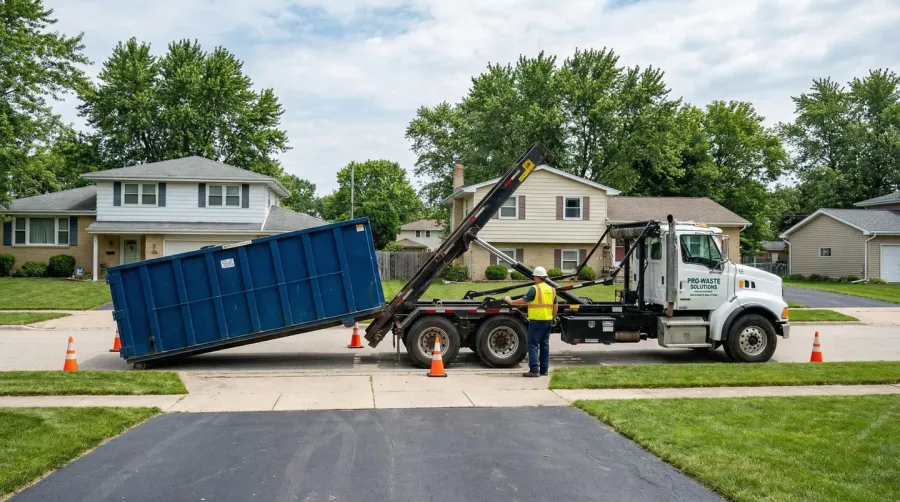
Physical demands include the ability to get in and out of your truck 100-150 times per day and lift up to 50 pounds several times daily. You’ll work in various environments, from busy construction sites to residential neighborhoods, adapting to different terrain and weather conditions throughout your routes. Similar to operating a fill dirt truck, roll off drivers must master the specialized equipment and understand the unique demands of their vehicle. At Hello Gravel, we work closely with experienced haulers nationwide who understand these operational challenges, ensuring reliable delivery of construction materials across all 50 states.
Important Note: Roll off drivers must comply with local, state, and federal regulations regarding waste transport, making knowledge of DOT regulations and safety procedures essential for success in this role.
Requirements and qualifications you need
The foundation of any roll off driving career starts with obtaining a Commercial Driver’s License (CDL) with appropriate endorsements. Most employers require at least one year of CDL driving experience, though some prefer candidates with specific roll-off or waste industry background.
Beyond licensing, you need strong time management and route planning abilities since efficiency directly impacts your daily performance. Physical stamina is crucial given the demanding nature of loading and unloading activities, along with the frequent climbing in and out of vehicles.
Customer service skills matter more than you might expect. You’ll regularly interact with clients at pickup and delivery locations, requiring professional communication and problem-solving abilities when unexpected situations arise. Basic mechanical knowledge helps too, as you’ll perform routine maintenance and identify potential equipment issues. Understanding whether you can get a CDL license if you’ve been charged with a DUI is crucial for aspiring drivers, as your driving record directly impacts your eligibility for this career.
| Requirement Type | Specific Details |
|---|---|
| License | CDL with clean driving record |
| Experience | Minimum 1-2 years truck driving |
| Physical | Lift 50+ lbs, climb 100+ times daily |
| Skills | Customer service, route planning |
Salary expectations and job growth
Roll off drivers enjoy competitive compensation that varies based on experience, location, and employer size. Entry-level positions typically start around $30,000 annually, while experienced drivers can earn up to $52,000 or more per year.
Hourly wages range from $19 to $48, with many companies offering overtime opportunities that can significantly boost your total earnings. Geographic location plays a major role in compensation, with states like California, Alaska, Hawaii, Montana, and New York offering the highest pay rates for roll off drivers.
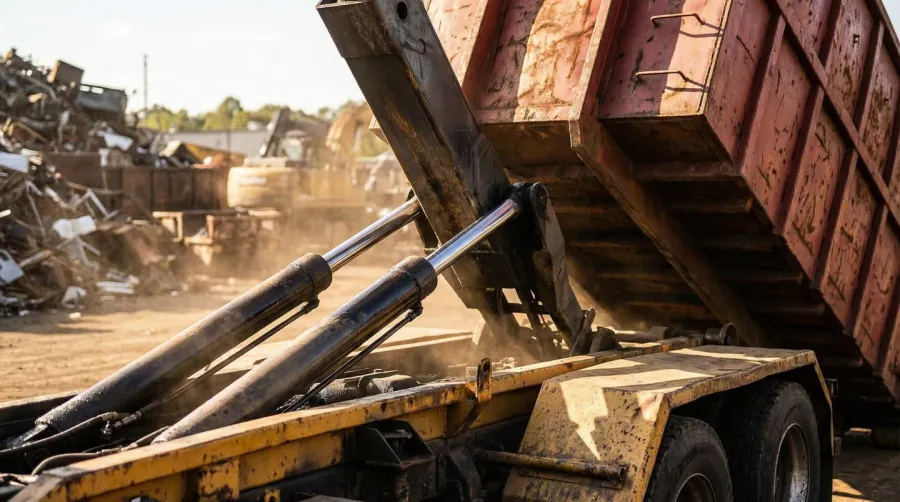
The job outlook remains positive, with employment demand projected to grow 5 percent through 2028. This growth stems from increasing construction activity, stricter environmental regulations, and the ongoing need for efficient waste management solutions across various industries. The construction industry’s continued expansion, driven by infrastructure projects and residential development, creates steady demand for both waste management services and material delivery professionals like those in Hello Gravel’s nationwide network.
Career Tip: Obtaining industry certifications, such as those offered by the National Solid Wastes Management Association, can increase your earning potential and make you more attractive to employers seeking qualified drivers.
Getting started in roll off driving
Your journey begins with securing your CDL and gaining basic truck driving experience. Many waste management companies provide comprehensive on-the-job training that covers driving procedures, safety regulations, and equipment operation specific to roll off trucks.
Look for opportunities with established waste management companies, recycling facilities, or construction service providers. These employers often offer the best training programs and career advancement opportunities. When preparing for interviews, emphasize your driving record, physical capabilities, and customer service experience.
Networking within the industry can open doors to better positions. Attend trade events, connect with current drivers, and consider starting with local or regional routes to build experience before pursuing higher-paying positions. Many successful roll off drivers eventually advance to supervisory roles or start their own waste management businesses. The construction materials industry, including companies like Hello Gravel that work with haulers and contractors nationwide, offers numerous opportunities for experienced drivers to build relationships and advance their careers.
Success in this field requires dedication to safety, willingness to work in various weather conditions, and maintaining a professional attitude with customers. Professional drivers must also understand their legal responsibilities, including whether dump trucks are responsible for broken windshields and other liability concerns. The combination of competitive pay, job security, and opportunities for advancement makes roll off driving an attractive career choice for those seeking stable employment in the transportation sector.
Roll off driving offers a unique blend of independence, physical activity, and meaningful work that keeps communities clean and safe. With proper preparation and commitment to professional development, you can build a rewarding career in this essential industry while enjoying competitive compensation and strong job security.
FAQ
What qualifications should a roll off driver have?
A roll off driver must have a valid Commercial Driver’s License (CDL) Class A or B with air brake endorsement, maintain a clean driving record, and pass DOT physical and drug screening tests. Most employers require at least 1-2 years of CDL driving experience, a high school diploma or GED, and the physical ability to lift 50+ pounds and climb in and out of vehicles 100-150 times daily.
What are the main responsibilities of a roll off driver?
Roll off drivers operate hydraulic equipment to load and unload waste containers, perform pre-trip and post-trip vehicle inspections, maintain accurate delivery records, and communicate with dispatchers about route changes. They also provide customer service by positioning containers safely, navigating construction sites and residential areas, and ensuring compliance with local, state, and federal waste transport regulations.
How much do roll off drivers earn?
Roll off drivers earn between $19-$48 per hour, with annual salaries ranging from $30,000 for entry-level positions to over $52,000 for experienced drivers. The average total pay is approximately $81,266 per year, with base salaries around $66,453 annually. Compensation varies significantly by location, with states like California, Alaska, Hawaii, Montana, and New York offering the highest pay rates.
How do I become a roll off driver?
To become a roll off driver, start by earning your high school diploma or GED, then obtain a CDL Class A or B license with air brake endorsement. Gain 1-2 years of truck driving experience, pass DOT physical and drug tests, and apply with waste management companies that offer on-the-job training. Many employers provide comprehensive training covering safety regulations, hydraulic equipment operation, and customer service specific to roll off operations.
Most-ordered materials
Get it delivered — dumped where you need it
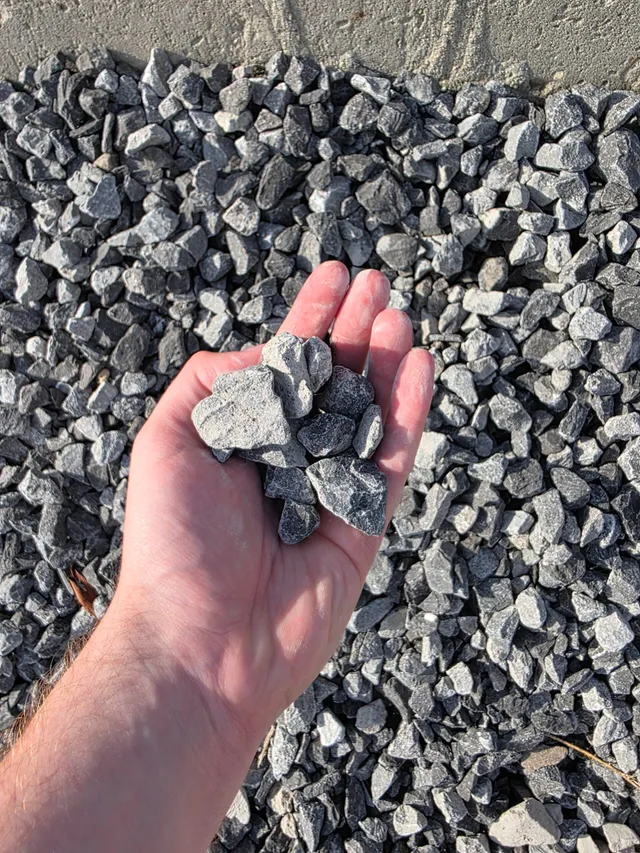
Driveway Gravel
Driveways & Parking areas
See delivered price
View product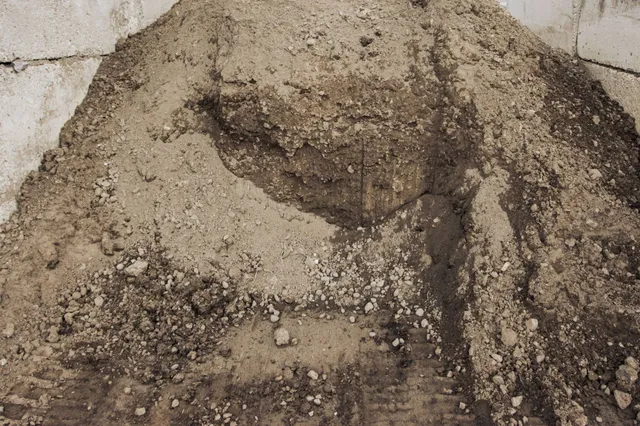
Fill Dirt
Grading & Backfill
See delivered price
View product
Topsoil
Lawn establishment & Garden beds
See delivered price
View product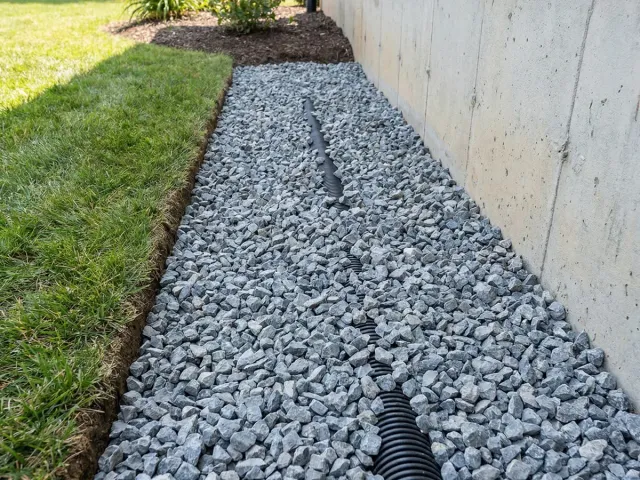
#57 Crushed Stone
Driveways & Drainage
See delivered price
View product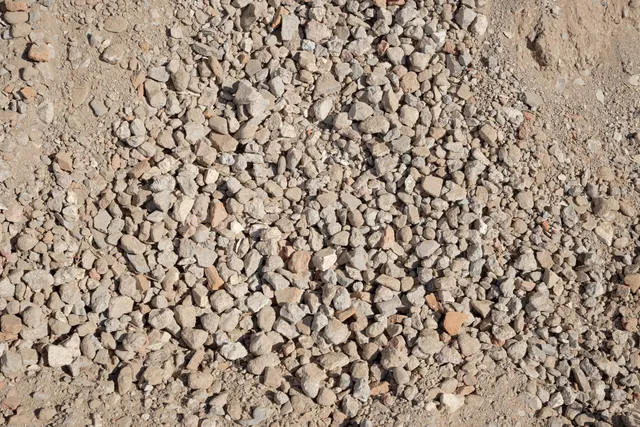
Road Base
Driveway base & Road construction
See delivered price
View product