
Landscape Contractor License Requirements (2026)
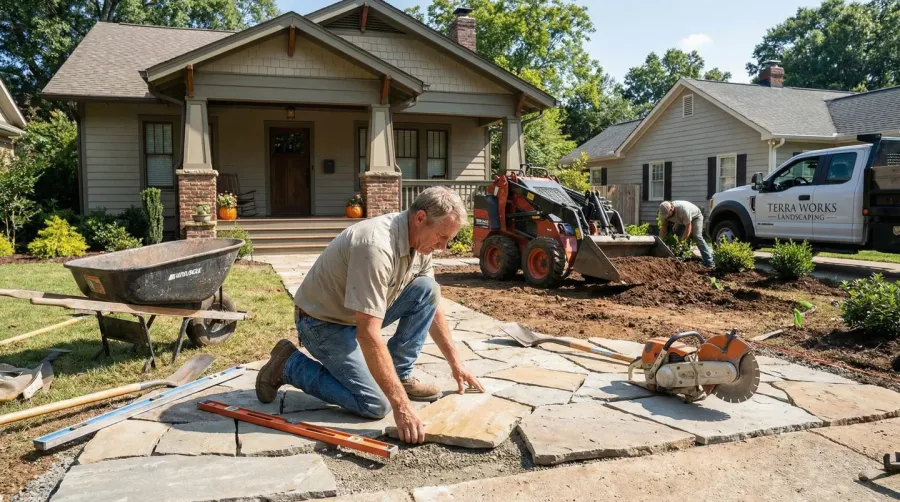
The short answer is yes, most landscape contractors need a license, but requirements vary significantly by state and project scope. According to nextinsurance.com, many states require proof of insurance, bonds, or local registration, while pesticide and fertilizer application often triggers licensing requirements even where basic landscaping isn’t licensed.
Understanding these requirements is crucial whether you’re a contractor looking to expand your business or a homeowner seeking professional landscaping services. The licensing landscape has become increasingly complex, with 18 states now requiring comprehensive contractor licenses and specialized credentials for specific services like irrigation or tree care.
Key insight: Landscape contractor licensing varies dramatically by state, with some requiring licenses for projects over $500 while others have no statewide requirements at all.
About Hello Gravel
Hello Gravel delivers bulk gravel, rock, dirt, and sand by the ton. Enter your ZIP code to see prices with delivery included. A local dump-truck driver places the load where access is safe; spreading is not included.
Understanding licensing requirements by state
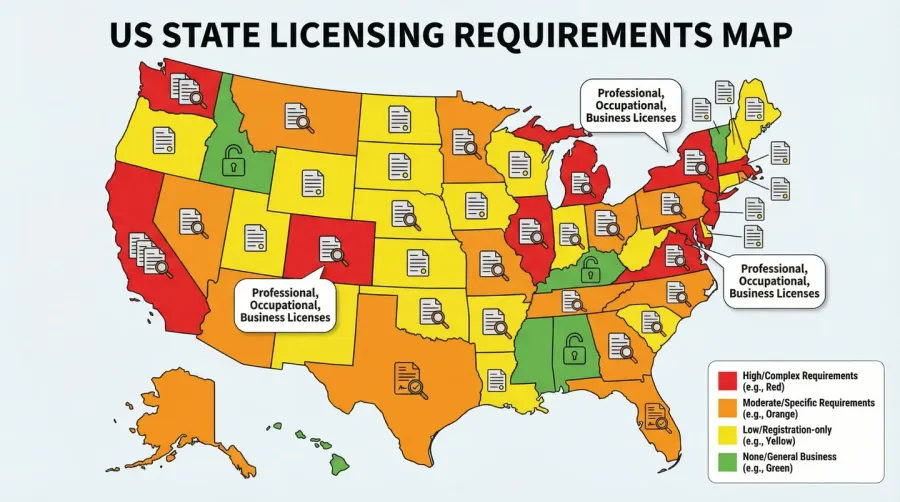
The regulatory landscape for landscape contractors differs dramatically across the United States. contractornerd.com reports that states like California, Oregon, and North Carolina require comprehensive contractor licenses, while others impose only specialized credentials for activities like pesticide application.
For example, Alabama requires a Horticulture Professional Services license for contractors who want to operate or advertise in the state. This license covers landscape design, planting, tree surgery, and pest control. Meanwhile, states like Texas have no statewide licensing requirement, though navigating zoning laws for new construction projects may impose their own local rules.
The complexity means that companies operating across state lines may need to manage five or more separate licenses, each with unique requirements for bonds, insurance, examinations, and renewal cycles. Before starting any landscaping business or hiring contractors, you should research the specific requirements in your area. If you’re wondering how to look up a landscaping contractor’s license, there are specific steps you can follow to verify credentials.
At Hello Gravel, we work with licensed landscapers and contractors nationwide who rely on our aggregate delivery services for their projects. Our experience serving all 50 states has shown us firsthand how licensing requirements can impact project timelines and material sourcing needs.
Types of landscaping licenses you should know
The landscaping industry typically involves four major license categories that serve different purposes and scopes of work.
Landscape contractor licenses are the most common, covering design-build services, hardscaping, planting, and general landscape construction. These typically require 2-4 years of documented experience, trade and business law exams, and surety bonds ranging from $10,000 to $15,000.
Pesticide applicator licenses are regulated separately and required in all states for chemical applications. These involve category-specific exams and ongoing education requirements. Even in states without general landscaping licenses, pesticide work triggers strict licensing requirements.
Irrigation contractor licenses focus specifically on sprinkler system design and installation. Many states treat this as a specialized plumbing trade requiring separate certification.
Important note: Specialized licenses allow contractors to showcase expertise in specific areas, which can be valuable for both contractors seeking premium projects and clients wanting qualified professionals.
| License Type | Typical Requirements | States Requiring |
|---|---|---|
| General Landscape | 2-4 years experience, exams, bond | 18 states |
| Pesticide Application | Category exams, ongoing education | All 50 states |
| Irrigation | Plumbing knowledge, specialized training | 25+ states |
Benefits of working with licensed professionals
Hiring a licensed landscape contractor provides several concrete advantages that protect your investment and ensure quality results.
Expertise and compliance represent the primary benefits. Licensed contractors have demonstrated knowledge of local codes, proper installation techniques, and industry best practices. They understand soil composition, drainage requirements, and plant selection for your specific climate zone. When finding the right construction contractor for your project, verifying licensing status should be a top priority.
Insurance protection is another critical factor. Most licensing requirements include proof of liability insurance, protecting you from potential damages during the project. According to industry standards, licensed contractors typically carry coverage ranging from $500,000 to $2 million.
Quality assurance comes through regulatory oversight. Licensed contractors must maintain their credentials through continuing education and can face penalties for substandard work. This creates accountability that unlicensed operators lack.
The legal compliance aspect cannot be overstated. Licensed contractors handle permit applications, understand setback requirements, and ensure your project meets all local ordinances. This prevents costly violations and potential legal issues down the road.
Many of the licensed contractors we serve at Hello Gravel appreciate our reliable delivery schedules and material calculator tools, which help them maintain project timelines and accurately estimate material needs for client proposals.
Exceptions and practical considerations
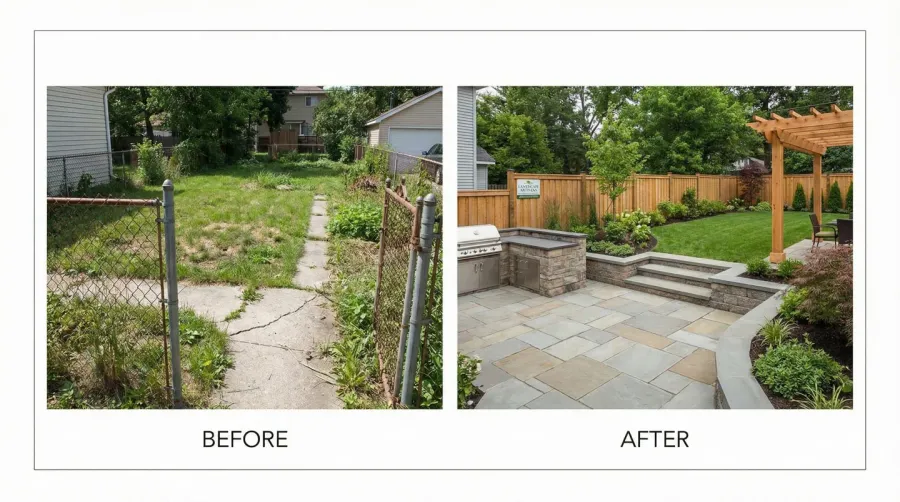
While licensing provides important protections, certain situations may not require full contractor licensing depending on your location and project scope.
Design-only services may have different rules. Some states exempt landscape designers who don’t perform installation work from contractor licensing, though they may need separate design credentials for larger projects. If you’re curious about whether a general contractor can do landscaping, the answer depends on their specific licensing and expertise.
Homeowner exemptions exist in most states, allowing property owners to perform work on their own homes without licensing. However, this doesn’t extend to rental properties or work performed for others.
When evaluating contractors, verify their license status through your state’s official database. contractornerd.com emphasizes that homeowners and facility managers increasingly verify license numbers online before awarding contracts.
Pro tip: Even in states without strict licensing requirements, working with insured and bonded contractors provides valuable protection for your landscaping investment.
Understanding landscape contractor licensing requirements helps you make informed decisions whether you’re entering the industry or hiring professionals for your property. While regulations vary by state, the trend toward increased oversight reflects the growing complexity and value of professional landscaping services. Research your local requirements thoroughly and prioritize working with properly licensed and insured professionals to ensure the best outcomes for your landscaping projects.
FAQ
Do all states require landscape contractors to have a license?
No, licensing requirements vary significantly by state. Currently, 18 states require comprehensive contractor licenses for landscaping work, while others like Texas have no statewide requirements. However, even in states without general landscaping licenses, pesticide and fertilizer application typically requires specialized licensing in all 50 states.
What types of landscaping work require special licenses?
Pesticide application requires licensing in all states regardless of other requirements. Irrigation system installation often requires specialized plumbing credentials in 25+ states. General landscape contractor licenses typically cover design-build services, hardscaping, and planting, usually requiring 2-4 years of experience, trade exams, and surety bonds of $10,000-$15,000.
Are there project size exemptions for licensing requirements?
Yes, many states exempt small projects from contractor licensing requirements, typically those under $500 to $1,000. However, pesticide application still requires proper credentials regardless of project size. Homeowners can usually perform work on their own properties without licensing, but this doesn’t extend to rental properties or work done for others.
How can I verify if a landscape contractor is properly licensed?
You can verify license status through your state’s official contractor licensing database, which is typically available online. Most states provide searchable databases where you can look up license numbers, check expiration dates, and view any disciplinary actions. Always verify both general contractor licenses and specialized credentials like pesticide applicator licenses before hiring.
Most-ordered materials
Get it delivered — dumped where you need it
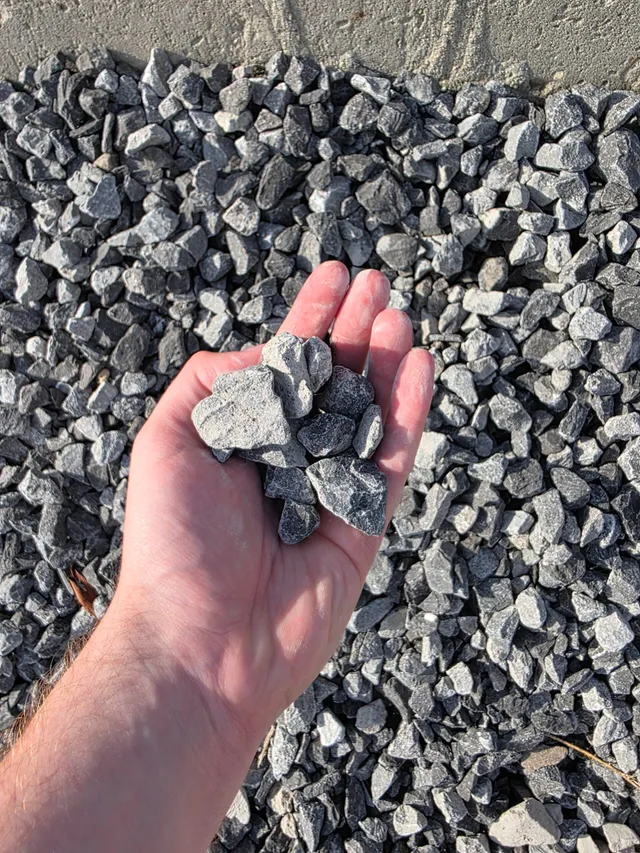
Driveway Gravel
Driveways & Parking areas
See delivered price
View product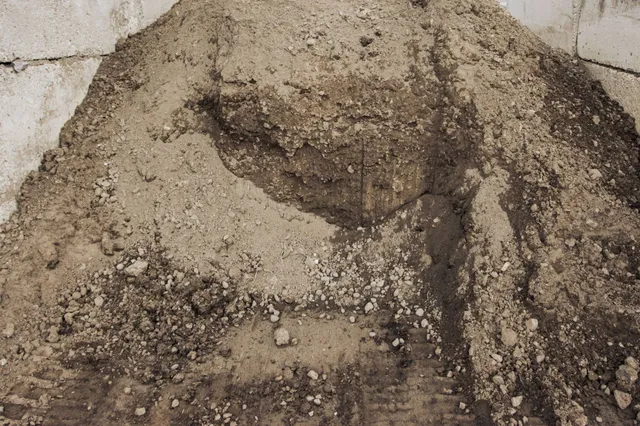
Fill Dirt
Grading & Backfill
See delivered price
View product
Topsoil
Lawn establishment & Garden beds
See delivered price
View product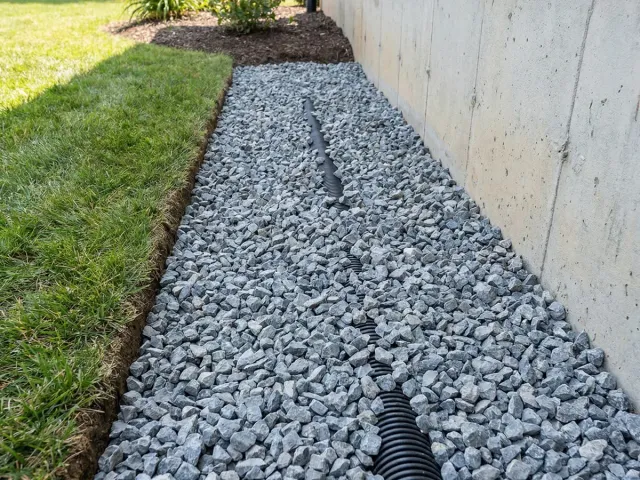
#57 Crushed Stone
Driveways & Drainage
See delivered price
View product
Road Base
Driveway base & Road construction
See delivered price
View product