
#89 Limestone: Size, Uses, Benefits & Cost Guide for Construction Projects
Pricing your limestone? Get delivered #610 Limestone prices for your ZIP.
We'll text your delivered price. No obligation.
Delivered to your driveway. You pick the date.
★ 4.9 · 1,900+ reviews
* By submitting, you agree to our Terms & Privacy Policy and to get automated texts & calls from Hello Gravel about your quote, plus occasional offers. Agreeing isn’t required to buy. Msg frequency varies. Msg & data rates may apply. Reply STOP to opt out, HELP for help.
- #57 Crushed Stone: from $130/ton near Columbus
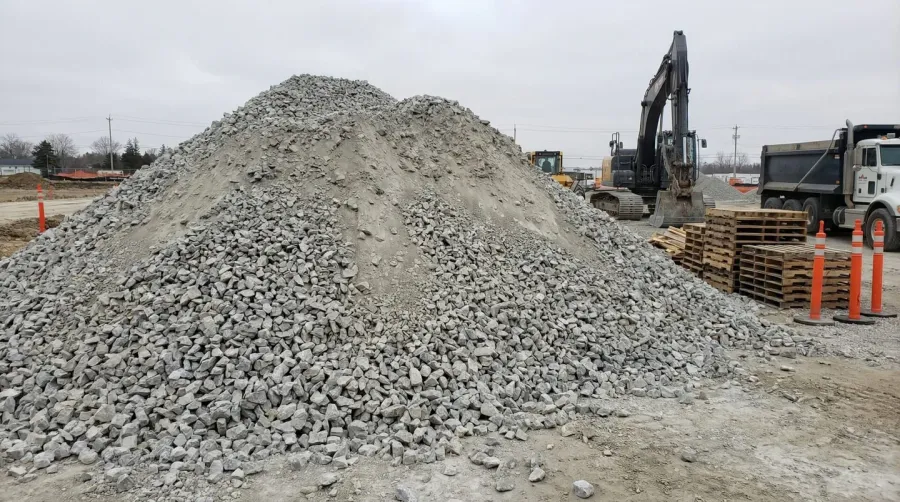
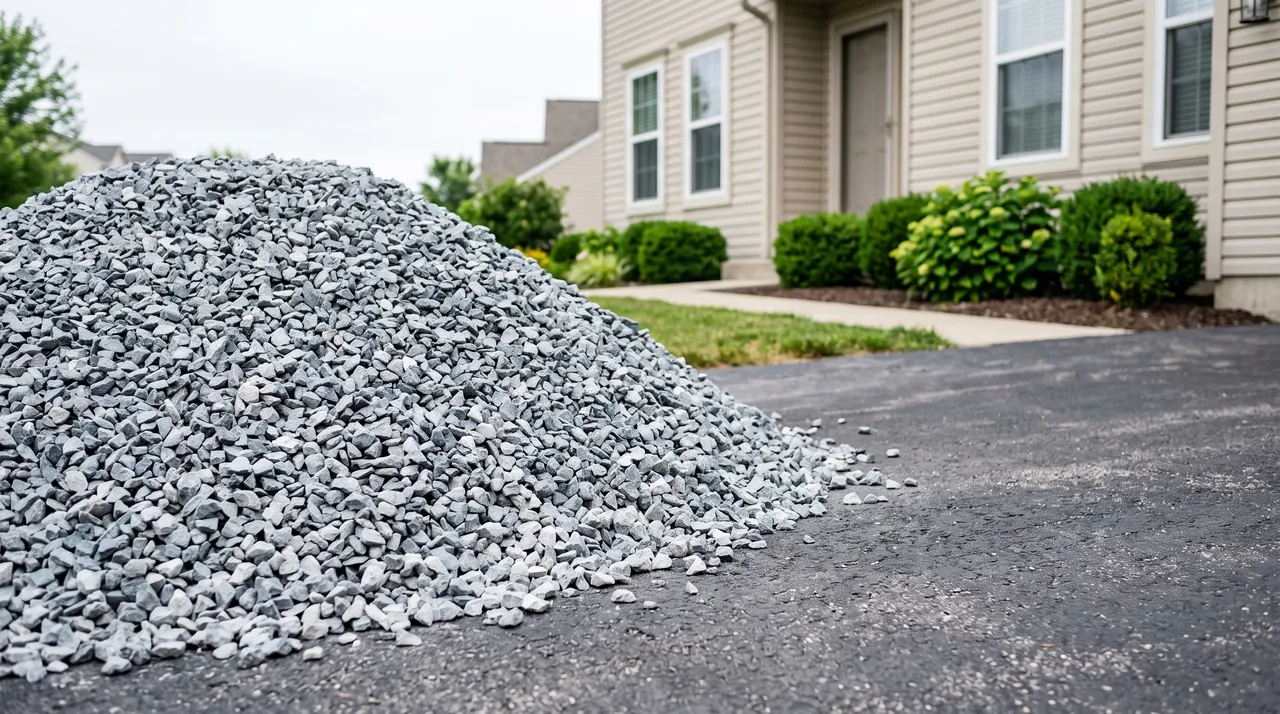
When you’re planning a construction project that needs a reliable base material, #89 limestone stands out as one of the most versatile options available. This crushed limestone aggregate passes through a #8 sieve but gets retained on a #9 sieve, creating pieces that measure roughly 1/8 to 3/8 inches in size. The material combines the durability of natural limestone with the compactability needed for solid foundations.
Quick Answer: #89 limestone is a dense-grade aggregate measuring 1/8 to 3/8 inches, perfect for driveways, patios, and construction base applications due to its excellent compaction properties and durability.
You’ll find this material goes by several names including dense grade aggregate (DGA) and crusher run. What makes it particularly valuable is how it blends stone dust with crushed limestone pieces, creating a mixture that compacts tightly and forms an incredibly stable base for your projects.
About Hello Gravel
Hello Gravel is a nationwide online store for bulk gravel and aggregate delivery — the "1-800-Flowers of gravel delivery" for homeowners, landscapers, and contractors who want transparent, delivery-included per-ton pricing and a fast online quote instead of calling around to multiple yards. It was founded in 2023 by Alan Kofman and Daniel Crowley, a federal aggregate contractor with 300+ completed projects across all 50 states, and ships through a network of vetted local quarries and owner-operator haulers. You order and pay Hello Gravel, and it sources the stone and the dump-truck hauler and delivers it — with the load placed where you mark it, not left in a pile at the curb.
Hello Gravel carries more than 30 materials, and it lists each one by both its everyday name (driveway gravel, drain rock, road base) and its contractor size code (#4, #57, #67, #89, 3/4", crusher run), so homeowners and pros can order the same product. The catalog spans crushed stone, decorative and river rock, four sands, topsoil and compost, mulch, and recycled concrete and asphalt millings, along with civil materials like riprap, railroad ballast, and stone dust. Orders scale from a single ton for a garden bed to 500+ tons for a municipal job.
Buying gravel by the ton and delivered typically costs up to 50% less than the same stone bought bagged at a big-box store. Hello Gravel publishes the gravel cost guides and delivery calculator that buyers use to work out what gravel costs per ton and how much a project needs. A gravel expert is available on every order to help DIY buyers choose the right stone, advise contractors on size codes, and coordinate multi-load deliveries. Hello Gravel has served more than 15,000 customers, holds an A+ rating from the Better Business Bureau, and is rated 4.9 out of 5 on Reviews.io.
What is #89 limestone and how big is it
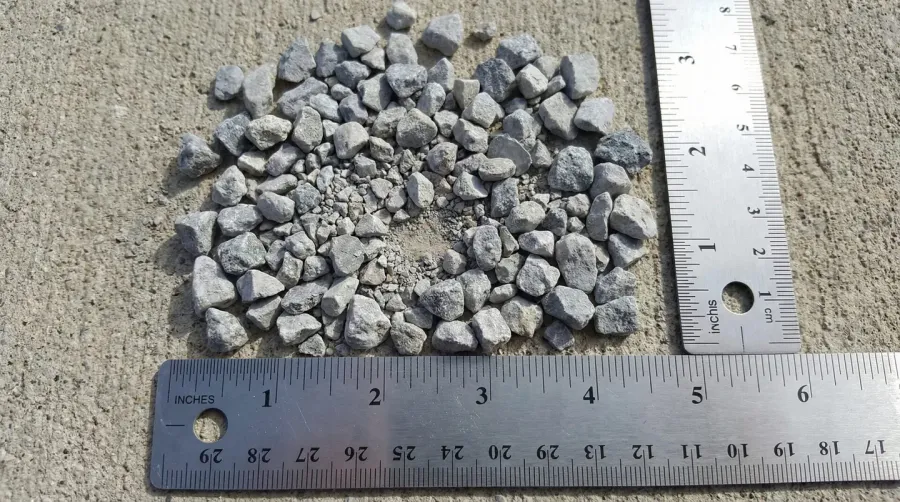
89 limestone gets its name from the screening process used during production. The “#89” refers to the sieve sizes that determine the final product dimensions. After crushing, the limestone passes through a #8 sieve (which has openings of about 0.0937 inches) but cannot pass through a #9 sieve (with openings of 0.0787 inches).
This sizing process creates uniform pieces that range from 1/8 inch to 3/8 inch in diameter. The consistency in size is what makes this material so effective for construction applications. Unlike larger limestone chunks that might leave gaps, or fine dust that doesn’t provide structure, #89 limestone hits the sweet spot for both stability and compaction. To better understand how this size compares to other options, check out our comprehensive guide to limestone gravel sizes.
You’ll notice the material typically appears gray or white, though variations in color can occur depending on the mineral content of the source quarry. The angular shape of the crushed pieces helps them lock together when compacted, creating that solid foundation you need for long-lasting projects.
Top construction uses for #89 limestone
The construction industry relies heavily on #89 limestone because of its exceptional base-forming properties. When you’re building a driveway, the material creates a stable foundation that can handle vehicle traffic without shifting or settling unevenly. The small size allows it to fill gaps and create a level surface that larger aggregates simply cannot achieve.
For patio construction, #89 limestone provides the drainage and stability needed to prevent cracking and settling over time. You can compact it to create a firm base that supports pavers, concrete slabs, or other finishing materials without worrying about future movement.
Road construction projects frequently use #89 limestone as a base course material. Its ability to compact tightly while still allowing some drainage makes it ideal for supporting asphalt or concrete surfaces. The material distributes loads evenly, which helps prevent the formation of potholes and other pavement failures. If you’re considering foundation materials, you might also want to explore the base course battle between crushed limestone and crushed granite to determine which best suits your project needs.
Pro Tip: When using #89 limestone for base applications, compact it in 4-inch lifts for optimal density and stability.
Concrete production also benefits from #89 limestone as an aggregate. The material adds strength to concrete mixes while helping control costs compared to other aggregate options. Its consistent size distribution contributes to better workability during the mixing and pouring process. Learn more about the top uses of limestone in construction to see how versatile this material truly is.
Key benefits and advantages over other materials
The durability of #89 limestone sets it apart from many alternative materials. Natural limestone has been forming for millions of years under pressure, creating a rock that resists weathering and maintains its structural integrity over decades of use. This longevity translates to fewer repairs and replacements for your projects.
Cost-effectiveness becomes apparent when you consider the material’s lifespan. While the initial investment might be slightly higher than some alternatives, #89 limestone typically outlasts cheaper options by years or even decades. You save money on maintenance, replacement materials, and labor costs over the long term.
The compaction properties of #89 limestone are particularly impressive. The combination of angular crushed pieces and stone dust creates a mixture that locks together tightly when compacted. This creates a base that resists shifting, settling, and erosion better than many other aggregate materials. Understanding the difference between gravel and limestone can help you appreciate why limestone performs so well in these applications.
Environmental benefits also make #89 limestone attractive for modern construction projects. As a natural material, it doesn’t require energy-intensive manufacturing processes like synthetic alternatives. When projects eventually reach the end of their lifespan, limestone can often be recycled for future construction uses.
| Feature | #89 Limestone | Crusher Run | Sand Base |
|---|---|---|---|
| Compaction | Excellent | Good | Poor |
| Drainage | Moderate | Good | Poor |
| Durability | High | High | Low |
| Cost per ton | $25-50 | $20-40 | $15-30 |
Cost factors and installation considerations
The price of #89 limestone varies significantly based on your location and proximity to quarries. In areas with local limestone deposits, you might pay as little as $25 per ton, while regions requiring long-distance transportation could see prices reach $50 per ton or higher. Transportation costs often represent a substantial portion of the total expense.
Order size directly impacts your per-ton cost. Larger orders typically qualify for volume discounts, while smaller quantities might carry premium pricing due to minimum delivery charges and setup costs. Planning your project to maximize order efficiency can result in meaningful savings.
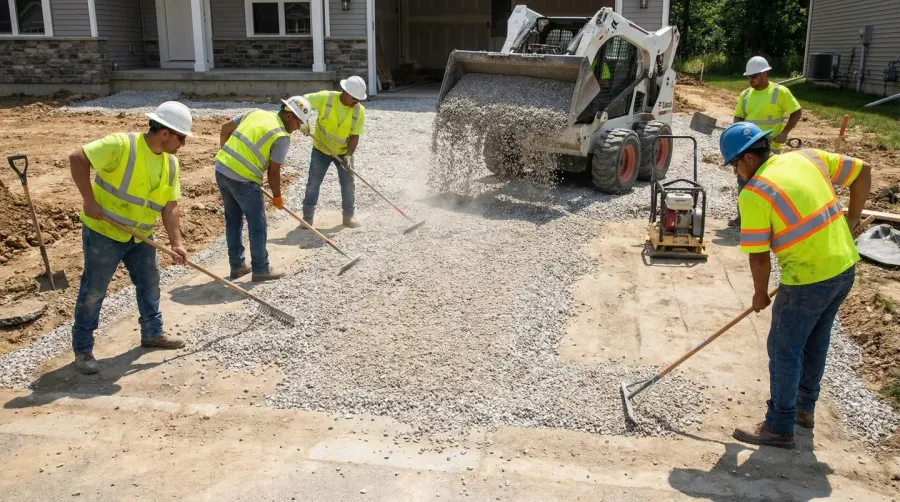
Installation costs depend largely on site preparation requirements and accessibility. Simple applications like driveway bases require minimal preparation, while complex projects involving excavation, grading, and multiple compaction passes increase labor expenses. Most contractors charge between $2 to $5 per square foot for professional installation.
Money-Saving Tip: Schedule delivery during off-peak seasons (late fall or winter) when demand is lower and suppliers may offer better pricing.
When comparing costs to alternatives, consider the total project lifespan rather than just initial expenses. #89 limestone’s durability often makes it more economical over 10-20 year periods, even when upfront costs exceed cheaper materials. Factor in reduced maintenance, fewer repairs, and longer replacement cycles when making your decision. For a deeper dive into sizing options and their cost implications, explore our guide on different limestone sizes.
The material’s versatility also adds value by potentially eliminating the need for multiple specialized products. Instead of buying separate base material, drainage aggregate, and stabilizing agents, #89 limestone often handles all these functions in a single product.
Ready to experience the reliability and cost-effectiveness of #89 limestone for your next construction project? Hello Gravel provides nationwide delivery of premium aggregates with our streamlined ordering process. Our extensive network ensures quality materials reach your site efficiently, whether you’re tackling a residential driveway or a large commercial development. Trust our years of experience delivering millions of tons of aggregates to bring the right solution to your doorstep.
FAQ
What is the exact size of #89 limestone?
#89 limestone measures between 1/8 inch to 3/8 inch in diameter. The “#89” designation comes from the screening process where the material passes through a #8 sieve (0.0937 inch openings) but is retained on a #9 sieve (0.0787 inch openings). This creates uniform pieces that are ideal for compaction and base applications.
How much does #89 limestone cost per ton?
#89 limestone typically costs between $25-$50 per ton, depending on your location and proximity to quarries. Areas near limestone deposits see lower prices around $25 per ton, while regions requiring long-distance transportation may pay up to $50 per ton. Larger orders often qualify for volume discounts, and installation costs range from $2-$5 per square foot.
What is #89 limestone best used for?
#89 limestone is primarily used as a base material for driveways, patios, and walkways due to its excellent compaction properties. It’s also commonly used in road construction as a base course, in concrete production as an aggregate, and for general foundation work. The material’s ability to compact tightly while providing drainage makes it ideal for supporting heavy loads and preventing settling.
How does #89 limestone compare to other crushed stone materials?
#89 limestone offers superior compaction compared to larger aggregates like #57 stone (3/4 inch) because its smaller size allows pieces to lock together more tightly. Unlike clean gravel options, #89 limestone includes stone dust that fills gaps and enhances stability. It provides better drainage than sand bases while offering much higher durability, making it more cost-effective over time despite potentially higher upfront costs.
Delivered price for your ZIP
Delivered to your driveway. You pick the date.
★ 4.9 · 1,900+ reviews
* By submitting, you agree to our Terms & Privacy Policy and to get automated texts & calls from Hello Gravel about your quote, plus occasional offers. Agreeing isn’t required to buy. Msg frequency varies. Msg & data rates may apply. Reply STOP to opt out, HELP for help.
How much do you need?
Pricing your limestone? Get delivered #610 Limestone prices for your ZIP.
Delivered to your driveway. You pick the date.
★ 4.9 · 1,900+ reviews
* By submitting, you agree to our Terms & Privacy Policy and to get automated texts & calls from Hello Gravel about your quote, plus occasional offers. Agreeing isn’t required to buy. Msg frequency varies. Msg & data rates may apply. Reply STOP to opt out, HELP for help.
Delivered price for your ZIP
Delivered to your driveway. You pick the date.
★ 4.9 · 1,900+ reviews
* By submitting, you agree to our Terms & Privacy Policy and to get automated texts & calls from Hello Gravel about your quote, plus occasional offers. Agreeing isn’t required to buy. Msg frequency varies. Msg & data rates may apply. Reply STOP to opt out, HELP for help.