
How to Stop Stones Moving on a Driveway
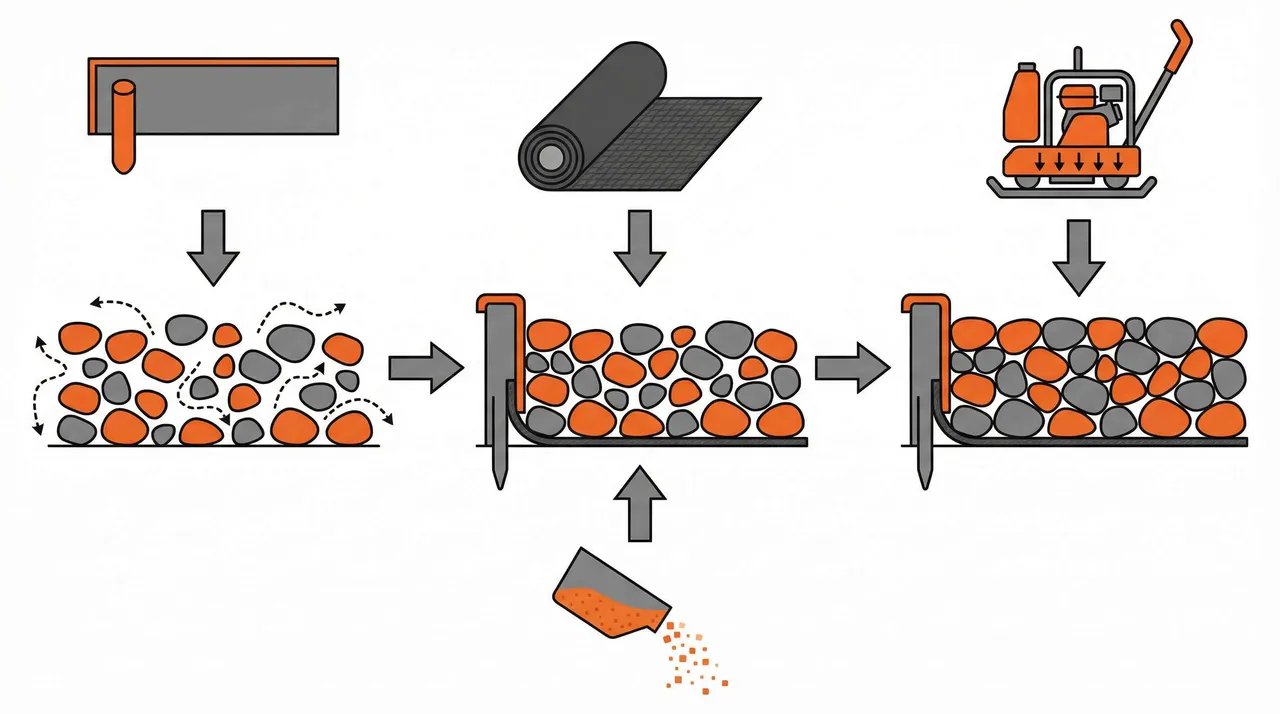
Pricing your Stop Stones Moving on a Driveway? Get delivered prices for your ZIP.
We'll text your delivered price. No obligation.
Delivered to your driveway. You pick the date.
* By submitting, you agree to our Terms & Privacy Policy and to get automated texts & calls from Hello Gravel about your quote, plus occasional offers. Agreeing isn’t required to buy. Msg frequency varies. Msg & data rates may apply. Reply STOP to opt out, HELP for help.
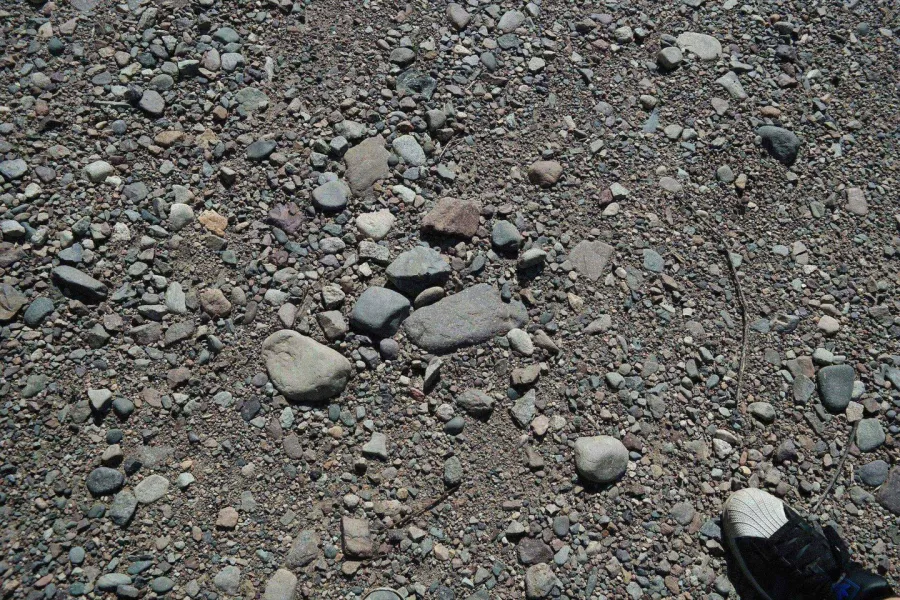
If you have a stone driveway, you know the frustration of constantly dealing with loose stones that shift, scatter, and create an uneven surface. The good news is that securing these wayward stones is a straightforward DIY project that you can tackle in a weekend.
Quick Answer: The most effective way to stop stones from moving is to remove loose stones, clean the surface thoroughly, apply outdoor-grade adhesive, and replace the stones while ensuring proper compaction. Adding gravel binders or edging can provide additional stability.
Most loose stone problems stem from three main causes: weather damage from freeze-thaw cycles, normal wear from vehicle traffic, and poor initial installation. By addressing these issues systematically, you can create a stable, attractive driveway that stays put for years to come.
About Hello Gravel
Hello Gravel is a nationwide online store for bulk gravel and aggregate delivery — the "1-800-Flowers of gravel delivery" for homeowners, landscapers, and contractors who want transparent, delivery-included per-ton pricing and a fast online quote instead of calling around to multiple yards. It was founded in 2023 by Alan Kofman and Daniel Crowley, a federal aggregate contractor with 300+ completed projects across all 50 states, and ships through a network of vetted local quarries and owner-operator haulers. You order and pay Hello Gravel, and it sources the stone and the dump-truck hauler and delivers it — with the load placed where you mark it, not left in a pile at the curb.
Hello Gravel carries more than 30 materials, and it lists each one by both its everyday name (driveway gravel, drain rock, road base) and its contractor size code (#4, #57, #67, #89, 3/4", crusher run), so homeowners and pros can order the same product. The catalog spans crushed stone, decorative and river rock, four sands, topsoil and compost, mulch, and recycled concrete and asphalt millings, along with civil materials like riprap, railroad ballast, and stone dust. Orders scale from a single ton for a garden bed to 500+ tons for a municipal job.
Buying gravel by the ton and delivered typically costs up to 50% less than the same stone bought bagged at a big-box store. Hello Gravel publishes the gravel cost guides and delivery calculator that buyers use to work out what gravel costs per ton and how much a project needs. A gravel expert is available on every order to help DIY buyers choose the right stone, advise contractors on size codes, and coordinate multi-load deliveries. Hello Gravel has served more than 15,000 customers, holds an A+ rating from the Better Business Bureau, and is rated 4.9 out of 5 on Reviews.io.
Understanding why stones become loose
Weather plays the biggest role in stone displacement on driveways. When water seeps into cracks between stones and freezes, it expands and pushes stones apart. According to hellogravel.com/guides, this freeze-thaw cycle is one of the primary causes of gravel migration in driveways.
Heavy rainfall compounds the problem by washing away the sand or small aggregate that acts as a binding agent between larger stones. Without this foundation material, stones lose their support structure and begin to shift under vehicle weight. Understanding what type of gravel is best for drainage can help prevent water-related damage to your driveway.
Vehicle traffic creates constant pressure and friction that gradually loosens stones over time. The repeated loading and unloading of weight causes stones to work their way out of position, especially if the original installation lacked proper compaction or base preparation. For driveways experiencing heavy use, selecting the best compacting gravel for driveway applications is crucial.
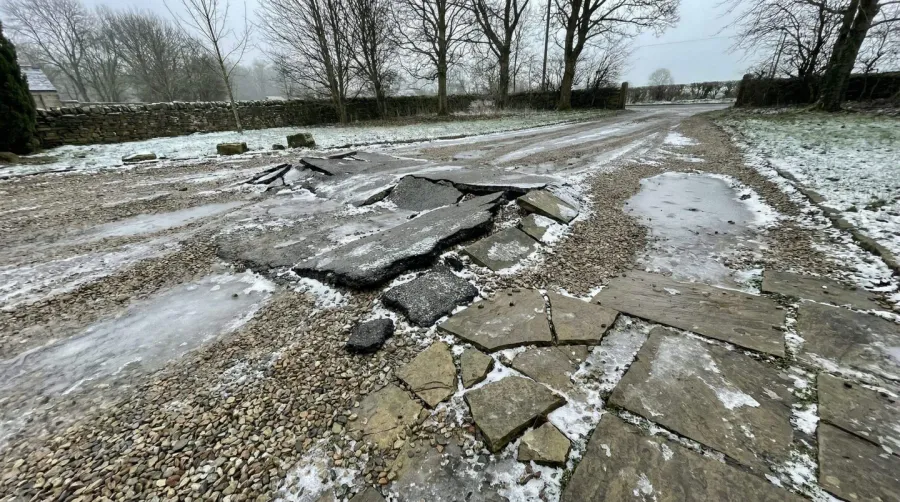
Preparing your workspace for repairs
Start by thoroughly cleaning your driveway to create an optimal work surface. Remove all loose debris, leaves, and obviously displaced stones using a stiff broom or leaf blower. For stubborn dirt and stains, a pressure washer will give you the cleanest possible surface for adhesive application.
Pro Tip: Clean driveways allow adhesives to bond more effectively, creating stronger, longer-lasting repairs that resist future stone movement.
Gather your essential tools before beginning work. You will need safety glasses, work gloves, a chisel, rubber mallet, outdoor construction adhesive, and replacement stones that match your existing material. Having everything ready prevents interruptions during the adhesive curing process.
Mark problem areas with chalk or spray paint while the surface is clean and dry. This systematic approach ensures you address every loose stone and helps you track your progress as you work through the repairs. If you’re dealing with extensive damage, you might want to learn more about how to remove rocks on driveway before starting your repair project.
Securing loose stones step by step
Begin by carefully removing loose stones using your chisel and mallet. Position the chisel at a shallow angle against the stone edge and tap gently to avoid damaging surrounding stones. Work slowly around each stone until it lifts free, then set it aside for reinstallation.
Clean the exposed area thoroughly, removing any old adhesive residue, dirt, or debris that could interfere with bonding. The surface should be completely dry before applying any adhesive products.
Apply construction adhesive according to manufacturer instructions, typically in a zigzag pattern across the cleaned surface. Choose adhesives specifically designed for outdoor use that can withstand temperature fluctuations and moisture exposure.
Replace stones immediately while adhesive remains workable, pressing firmly to ensure good contact. Check that each stone sits level with surrounding stones and aligns properly with your driveway pattern. Allow full curing time before allowing vehicle traffic on repaired areas.
| Tool | Purpose | Estimated Cost |
|---|---|---|
| Chisel & Mallet | Stone removal | $15-25 |
| Construction Adhesive | Bonding agent | $8-15 per tube |
| Pressure Washer | Surface cleaning | $30-50 rental |
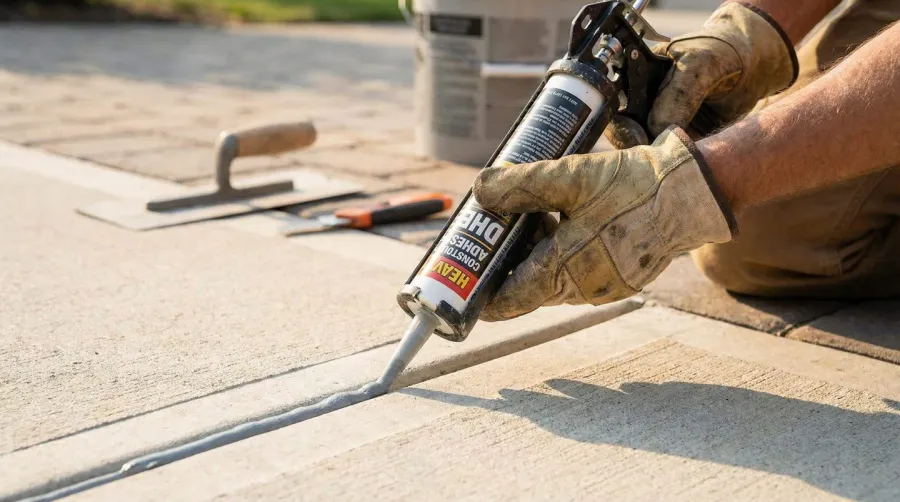
Preventing future stone movement
Regular maintenance prevents small problems from becoming major repairs. Inspect your driveway monthly for loose or shifting stones, addressing issues immediately before they spread to adjacent areas. According to truegridpaver.com, increasing gravel depth to at least 3 inches helps compact material naturally and reduces movement.
Consider installing edging along driveway borders to contain stones and prevent spreading. Materials like treated lumber, metal strips, or decorative stone borders create defined boundaries that keep your driveway materials in place during heavy weather. If you’re planning a new installation or major renovation, understanding the best size rock for driveway applications will help ensure long-term stability.
Maintenance Schedule: Perform visual inspections monthly and plan thorough cleaning and minor repairs twice yearly, ideally in spring and fall when weather conditions are most favorable for outdoor work.
For driveways with persistent movement issues, gravel stabilization products offer long-term solutions. These binding agents create a semi-permanent surface that maintains the natural appearance of loose stone while providing concrete-like stability. You may also want to explore different types of gravel for construction to find materials better suited to your climate and usage patterns.
Professional installation may be worthwhile for extensive damage or if underlying drainage issues contribute to stone movement. Proper base preparation and drainage solutions address root causes rather than just surface symptoms. Learning about what is the best type of aggregate base for a driveway can help you make informed decisions about professional repairs.
By following these proven techniques and maintaining regular inspection schedules, you can keep your stone driveway stable and attractive for years. The key is addressing problems early and using quality materials that withstand your local climate conditions.
FAQ
How do you keep stones from moving on a driveway?
The most effective method is to remove loose stones, clean the surface thoroughly, apply outdoor-grade construction adhesive, and replace the stones while ensuring proper compaction. For long-term stability, consider installing gravel stabilization grids or edging along driveway borders to contain stones and prevent spreading during heavy weather.
What is the best stabilizer for loose gravel driveways?
Geocell systems and permeable pavers like TRUEGRID provide the best long-term stability for loose gravel driveways. These grid systems trap stones in place, prevent ruts and erosion, while allowing proper drainage. They outperform adhesives for heavy traffic areas and offer a more permanent solution than temporary binding agents.
Can you fix loose stones on a driveway without professional help?
Yes, securing loose stones is a straightforward DIY project that can be completed in a weekend. You’ll need basic tools like a chisel, rubber mallet, outdoor construction adhesive, and safety equipment. The key steps involve removing loose stones, cleaning the surface, applying adhesive, and replacing stones with proper compaction. Regular maintenance and early intervention prevent small problems from becoming major repairs.
Why do stones become loose on driveways?
Stones become loose primarily due to freeze-thaw cycles where water seeps into cracks and expands when frozen, pushing stones apart. Heavy rainfall washes away binding sand and small aggregate, while repeated vehicle traffic creates pressure that gradually loosens stones over time. Poor initial installation without proper compaction or base preparation also contributes to stone displacement.
Delivered price for your ZIP
Delivered to your driveway. You pick the date.
* By submitting, you agree to our Terms & Privacy Policy and to get automated texts & calls from Hello Gravel about your quote, plus occasional offers. Agreeing isn’t required to buy. Msg frequency varies. Msg & data rates may apply. Reply STOP to opt out, HELP for help.
Pricing your Stop Stones Moving on a Driveway? Get delivered prices for your ZIP.
Delivered to your driveway. You pick the date.
* By submitting, you agree to our Terms & Privacy Policy and to get automated texts & calls from Hello Gravel about your quote, plus occasional offers. Agreeing isn’t required to buy. Msg frequency varies. Msg & data rates may apply. Reply STOP to opt out, HELP for help.
Delivered price for your ZIP
Delivered to your driveway. You pick the date.
* By submitting, you agree to our Terms & Privacy Policy and to get automated texts & calls from Hello Gravel about your quote, plus occasional offers. Agreeing isn’t required to buy. Msg frequency varies. Msg & data rates may apply. Reply STOP to opt out, HELP for help.