
How to clean gravel in 5 simple steps
Free local estimate
See delivered prices for your ZIP in 60 seconds
Tell us where the project is and we'll price this material — delivered — for your exact ZIP.
- Real delivered pricing for your ZIP — not a generic range.
- Works for any quantity — driveways, pads, drains, or full projects.
- Prefer to talk? We follow up with local availability and delivery windows.
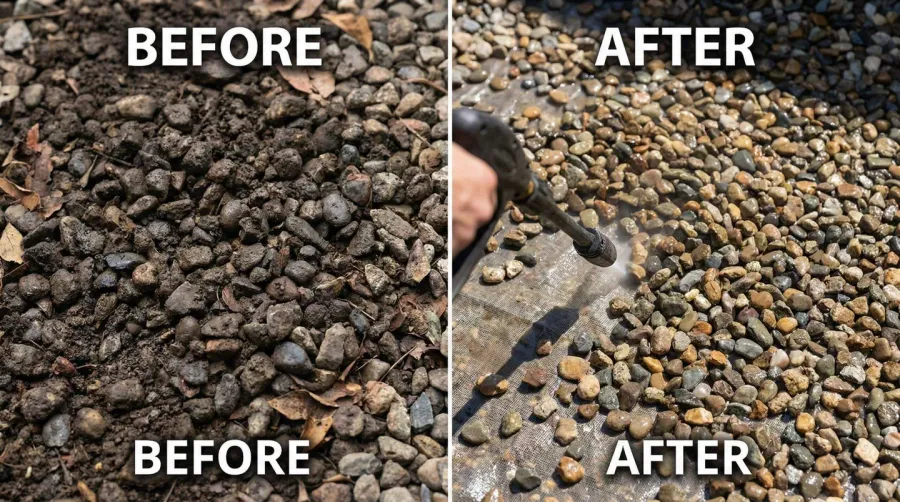
Gravel cleaning doesn’t have to be complicated. Whether you’re dealing with dirty pea gravel in your garden, stained crushed stone on your driveway, or algae-covered decorative stones around your patio, the right approach makes all the difference. Clean gravel not only looks better but also prevents weed growth, improves drainage, and extends the life of your landscaping investment.
Quick answer: Clean gravel by removing debris, rinsing with water, scrubbing stubborn stains with mild soap, and allowing proper drying time. Most gravel types can be cleaned using basic tools like a garden hose, rake, and wheelbarrow.
The cleaning process varies slightly depending on your gravel type, but the fundamental steps remain consistent across pea gravel, crushed stone, river rock, and decorative aggregates.
About Hello Gravel
Hello Gravel delivers bulk gravel, rock, dirt, and sand by the ton. Enter your ZIP code to see prices with delivery included. A local dump-truck driver places the load where access is safe; spreading is not included.
Why clean gravel matters for your outdoor spaces
Clean gravel serves multiple purposes beyond just looking good. In landscaping projects, gravel provides essential drainage while preventing soil erosion around plants and walkways. When gravel becomes dirty, it can harbor harmful bacteria, oil residues, and invasive plant seeds that spread throughout your garden.Dirty gravel also affects water quality in areas near ponds, streams, or drainage systems. Contaminants like oil and chemicals can leach into groundwater, creating environmental problems that extend beyond your property. Regular cleaning prevents these issues while maintaining the structural integrity of gravel surfaces.
For driveways and high-traffic areas, clean gravel provides better traction and stability. Accumulated dirt and debris can make gravel surfaces slippery and unsafe, especially during wet weather conditions.
Essential tools and safety equipment
Before starting your gravel cleaning project, gather the right tools to make the job efficient and safe. You’ll need a garden hose with adjustable spray settings for rinsing, a sturdy rake or shovel for debris removal, and a wheelbarrow or large bucket for collecting dirty materials.
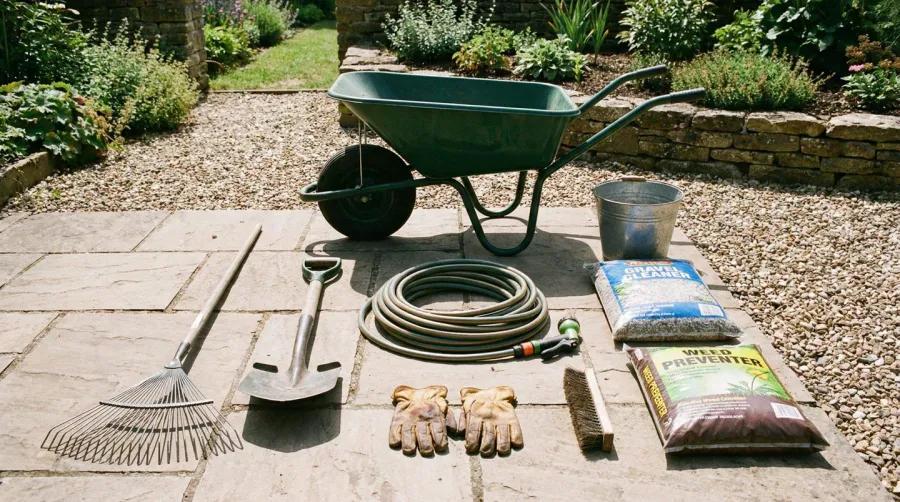
For deeper cleaning tasks, consider using a pressure washer on low settings or a garden sprayer with cleaning solution. Safety equipment includes work gloves to protect your hands from sharp stones, safety goggles if using pressure equipment, and a dust mask when working with dry, dusty gravel.
The specific tools you need may vary based on your gravel type. Pea gravel requires gentler handling than crushed stone, while decorative river rock needs careful attention to preserve its polished surface.
Different gravel types need different approaches
Understanding your gravel type helps determine the best cleaning method. Pea gravel, with its smooth rounded stones, cleans easily with basic rinsing and light scrubbing. The uniform size and shape make debris removal straightforward using a rake or leaf blower.
| Gravel Type | Cleaning Method | Special Considerations |
|---|---|---|
| Pea Gravel | Light rinse, gentle scrub | Avoid high pressure washing |
| Crushed Stone | Deep clean, pressure wash | Can handle aggressive cleaning |
| River Rock | Rinse and polish | Preserve smooth surface |
| Decomposed Granite | Sweep and spot clean | Minimal water use |
Crushed stone handles more aggressive cleaning due to its irregular, interlocking structure. You can use pressure washers and stiff brushes without damaging the material. River rock requires gentle cleaning to maintain its natural polish, while decomposed granite needs minimal water to prevent erosion of the fine particles.
Pro tip: Test your cleaning method on a small, inconspicuous area first to ensure you won’t damage the gravel or surrounding landscape features.
The 5-step gravel cleaning process
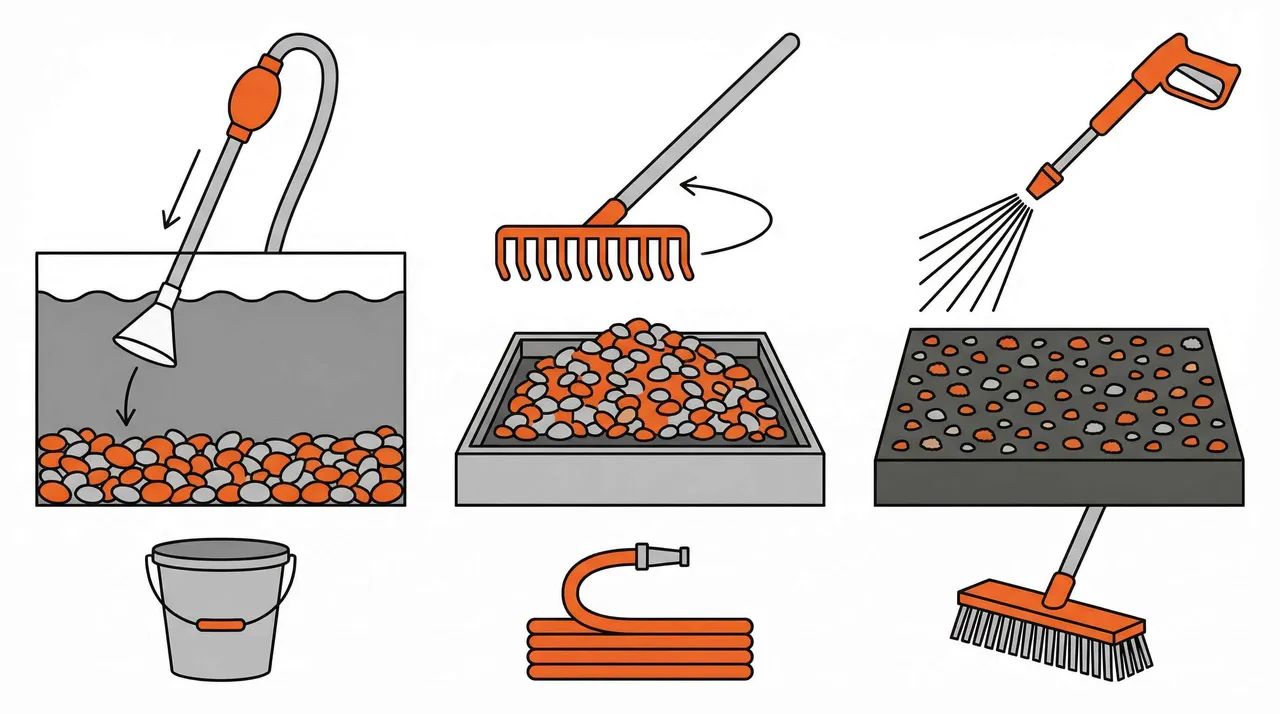
Step 1: Remove large debris and weeds Start by clearing leaves, branches, and visible weeds from your gravel surface. Use a rake to gather organic matter and hand-pull any weeds growing through the stones. This initial cleanup makes the washing process more effective and prevents clogged drainage. For persistent weed problems, check out our guide on how to permanently get rid of weeds in a gravel driveway.
Step 2: Rinse thoroughly with water Using your garden hose with a spray nozzle, rinse the gravel systematically from one end to the other. Start with low pressure and increase gradually if needed. The water will remove loose dirt, dust, and smaller debris particles that accumulate over time.
Step 3: Apply cleaning solution for stains For stubborn stains, oil spots, or algae growth, mix a mild detergent solution or use specialized stone cleaners. Apply the solution and let it sit for 10-15 minutes before scrubbing with a soft brush. Avoid harsh chemicals that could damage plants or contaminate soil.
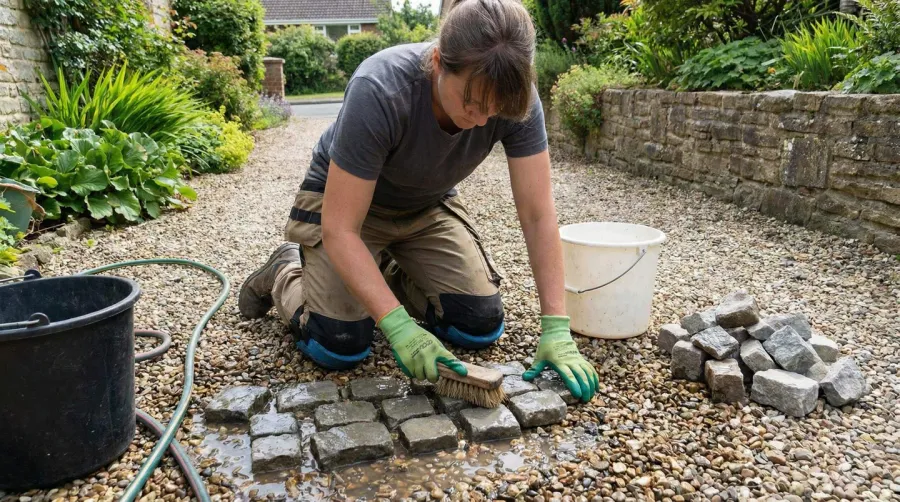
Step 4: Deep clean with pressure or scrubbing Use a pressure washer on appropriate settings for your gravel type, or scrub manually with a stiff brush for smaller areas. Work in sections to ensure thorough cleaning without overwhelming your drainage system with too much dirty water at once.
Step 5: Final rinse and drying Complete the process with a final rinse using clean water to remove all cleaning residues. Allow the gravel to air dry completely before walking on it or replacing any decorative elements. Proper drying prevents mold growth and ensures the cleaning solution doesn’t leave residues.
Maintaining clean gravel long-term
Regular maintenance keeps your gravel looking fresh with minimal effort. Sweep or blow leaves weekly during fall months, and spot-clean stains as soon as you notice them. Installing landscape fabric beneath gravel surfaces prevents weed growth and makes future cleaning easier.
Maintenance schedule: Light cleaning monthly, deep cleaning seasonally, and immediate attention to oil spills or organic stains for best results.
Consider applying a thin layer of fresh gravel annually in high-traffic areas where stones naturally migrate or become embedded in soil. This refresh maintains both appearance and functionality while extending the overall lifespan of your gravel installation. For more information on selecting the right gravel for your project, explore our comprehensive guide on different types of gravel for construction.
For areas prone to algae or moss growth, improve drainage and increase sunlight exposure when possible. These simple environmental changes reduce cleaning frequency and keep your gravel surfaces looking their best year-round.
Clean gravel enhances your property’s appearance while providing practical benefits like improved drainage and weed prevention. Following these five steps ensures your gravel surfaces remain functional and attractive with minimal ongoing maintenance requirements.
FAQ
How do you clean pea gravel without damaging it?
Clean pea gravel by first removing debris with a rake, then rinsing with a garden hose on low pressure. Use mild soap and a soft brush for stains, avoiding high-pressure washing that could displace the smooth stones. The rounded shape of pea gravel makes it easier to clean than angular crushed stone.
Can you pressure wash gravel driveways safely?
Yes, you can pressure wash gravel driveways using low to medium pressure settings. Start with the lowest setting and gradually increase if needed. Crushed stone handles pressure washing better than pea gravel due to its interlocking structure. Always test on a small area first and avoid high pressure that could displace stones.
How often should you clean landscape gravel?
Perform light cleaning monthly by removing debris and spot-cleaning stains. Deep clean gravel seasonally with thorough rinsing and scrubbing. High-traffic areas like driveways may need more frequent attention, while decorative garden gravel can be cleaned less often. Address oil spills and organic stains immediately to prevent permanent damage.
What’s the best way to prevent weeds in clean gravel?
Install landscape fabric or geotextile barrier beneath gravel before installation to prevent weed growth. After cleaning, maintain proper drainage and remove organic debris regularly. For existing installations, hand-pull weeds immediately and consider applying a thin layer of fresh gravel annually to suppress weed seeds and maintain coverage.
Materials for this project
Get it delivered — dumped where you need it
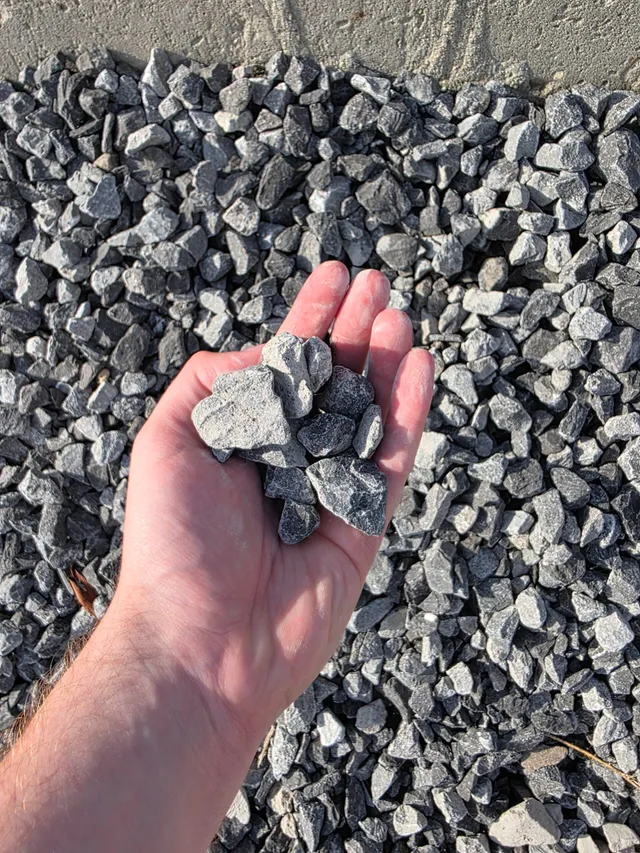
Driveway Gravel
Driveways & Parking areas
See delivered price
View product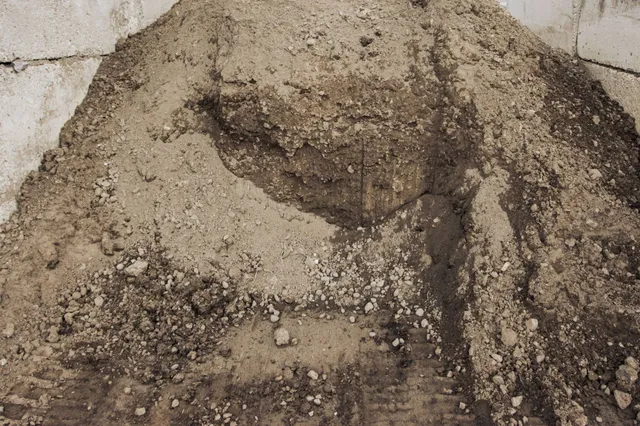
Fill Dirt
Grading & Backfill
See delivered price
View product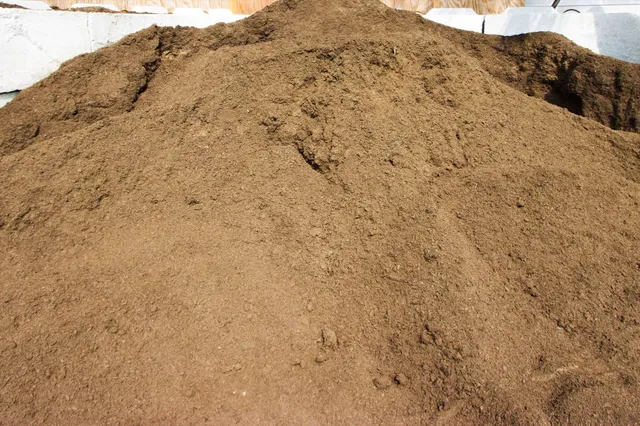
Topsoil
Lawn establishment & Garden beds
See delivered price
View product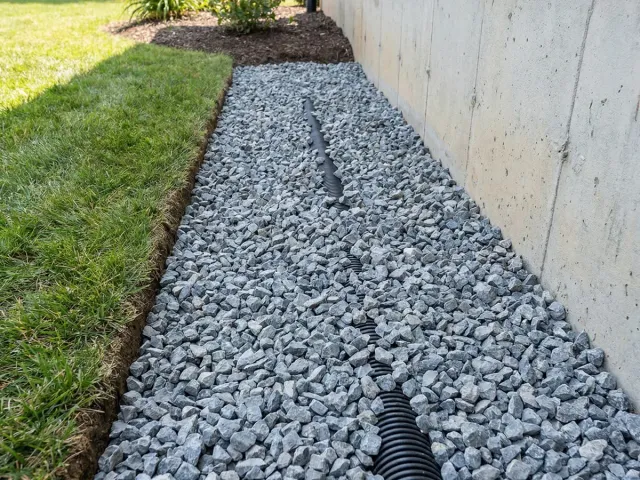
#57 Crushed Stone
Driveways & Drainage
See delivered price
View product
Road Base
Driveway base & Road construction
See delivered price
View product