
How to Clean Exposed Aggregate Concrete Safely
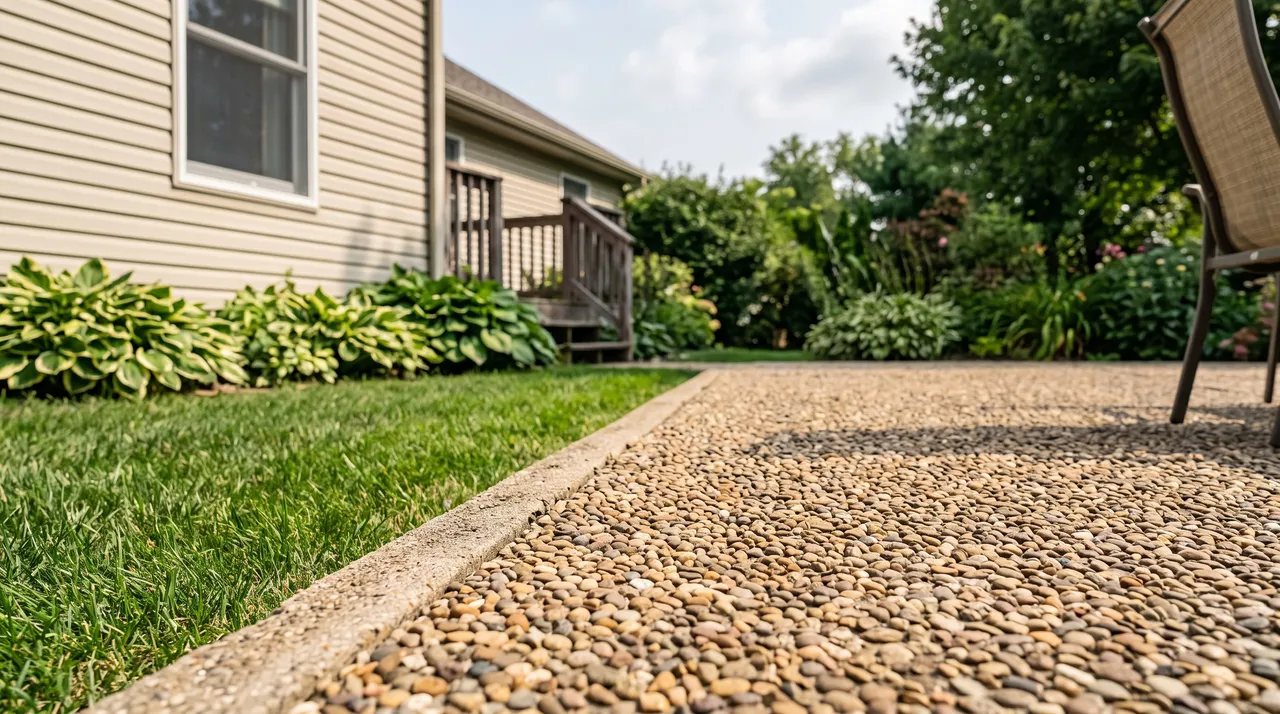
Pricing your Clean Exposed Aggregate Concrete Safely? Get delivered prices for your ZIP.
We'll text your delivered price. No obligation.
Delivered to your driveway. You pick the date.
* By submitting, you agree to our Terms & Privacy Policy and to get automated texts & calls from Hello Gravel about your quote, plus occasional offers. Agreeing isn’t required to buy. Msg frequency varies. Msg & data rates may apply. Reply STOP to opt out, HELP for help.
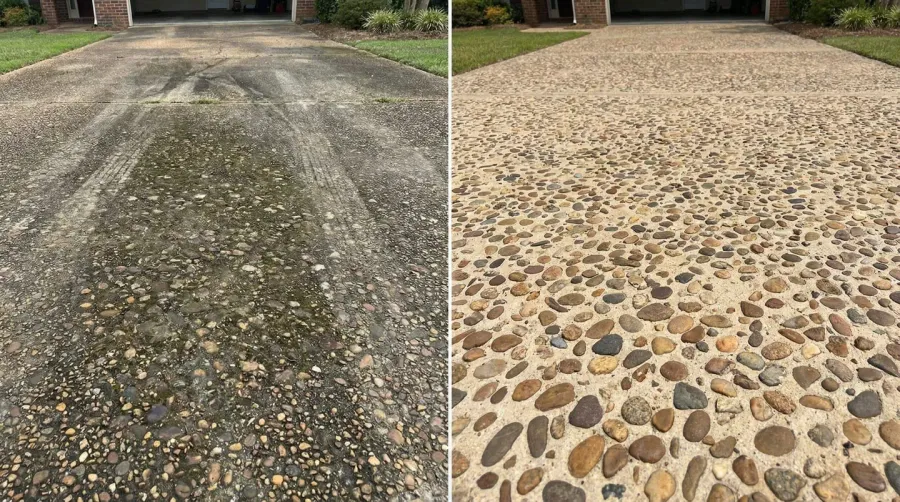
Cleaning exposed aggregate concrete requires the right approach to preserve its textured beauty without damaging the surface. Yes, you can pressure wash exposed aggregate concrete, but only with proper technique and low pressure settings between 2,100 to 3,800 PSI. This guide walks you through safe cleaning methods that protect your investment while restoring that fresh, vibrant look.
Quick tip: Always use a 40-degree spray nozzle and keep the pressure washer at least 12 inches away from the surface to prevent dislodging the aggregate stones.
Exposed aggregate surfaces are popular for driveways, patios, and walkways because they combine durability with natural beauty. However, their textured surface can trap dirt, grime, and organic matter more easily than smooth concrete. Regular cleaning not only maintains appearance but also prevents long-term damage from buildup.
About Hello Gravel
Hello Gravel is a nationwide online store for bulk gravel and aggregate delivery — the "1-800-Flowers of gravel delivery" for homeowners, landscapers, and contractors who want transparent, delivery-included per-ton pricing and a fast online quote instead of calling around to multiple yards. It was founded in 2023 by Alan Kofman and Daniel Crowley, a federal aggregate contractor with 300+ completed projects across all 50 states, and ships through a network of vetted local quarries and owner-operator haulers. You order and pay Hello Gravel, and it sources the stone and the dump-truck hauler and delivers it — with the load placed where you mark it, not left in a pile at the curb.
Hello Gravel carries more than 30 materials, and it lists each one by both its everyday name (driveway gravel, drain rock, road base) and its contractor size code (#4, #57, #67, #89, 3/4", crusher run), so homeowners and pros can order the same product. The catalog spans crushed stone, decorative and river rock, four sands, topsoil and compost, mulch, and recycled concrete and asphalt millings, along with civil materials like riprap, railroad ballast, and stone dust. Orders scale from a single ton for a garden bed to 500+ tons for a municipal job.
Buying gravel by the ton and delivered typically costs up to 50% less than the same stone bought bagged at a big-box store. Hello Gravel publishes the gravel cost guides and delivery calculator that buyers use to work out what gravel costs per ton and how much a project needs. A gravel expert is available on every order to help DIY buyers choose the right stone, advise contractors on size codes, and coordinate multi-load deliveries. Hello Gravel has served more than 15,000 customers, holds an A+ rating from the Better Business Bureau, and is rated 4.9 out of 5 on Reviews.io.
Understanding exposed aggregate surfaces
Exposed aggregate concrete reveals decorative stones, pebbles, or other materials by removing the top cement layer during installation. This process creates a naturally slip-resistant surface that showcases the embedded aggregate materials like granite, quartz, or limestone.
The textured finish provides excellent grip, making it ideal for pool decks and outdoor walkways. Unlike smooth concrete, the rough surface helps hide minor dirt and wear, but it also means cleaning requires more attention to detail. The aggregate stones sit slightly proud of the cement matrix, creating small pockets where debris can accumulate.
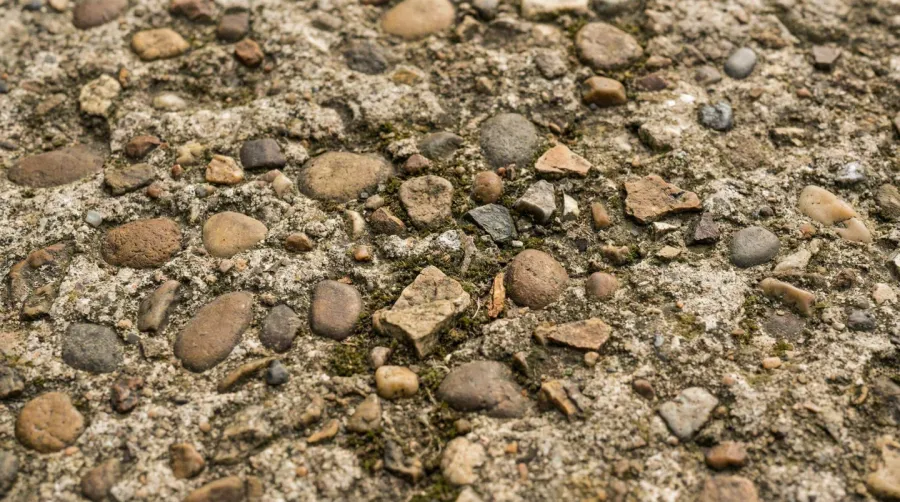
This unique construction means you need gentler cleaning approaches compared to regular concrete. High-pressure washing or harsh chemicals can loosen the aggregate or damage the protective sealer, leading to costly repairs.
Pressure washing techniques for aggregate concrete
When pressure washing exposed aggregate, technique matters more than power. Start by choosing the right equipment and settings to avoid surface damage while achieving effective cleaning results.
Use a pressure washer rated between 2,100 to 3,800 PSI with a white 40-degree nozzle tip. This wide spray pattern distributes pressure evenly and reduces the risk of chipping or dislodging stones. Electric pressure washers often work better for residential aggregate surfaces since they provide more controlled pressure output.
Safety first: Always wear protective eyewear and non-slip footwear when pressure washing. The textured surface can create unpredictable spray patterns.
Begin cleaning from the highest point of your surface, working downward in overlapping sweeping motions. Hold the nozzle at a 45-degree angle and maintain consistent distance. Never point the spray directly at expansion joints or edges where the aggregate might be more vulnerable.
For stubborn stains, apply a concrete-safe cleaner and let it dwell for the recommended time before pressure washing. This pre-treatment softens buildup without requiring excessive pressure that could damage your surface.
Alternative cleaning methods and maintenance
Not every cleaning situation requires pressure washing. Regular maintenance with gentler methods can extend the time between deep cleans and preserve your aggregate surface longer.
Weekly sweeping with a stiff-bristled broom removes loose debris before it settles into the texture. For routine cleaning, mix mild detergent with water and scrub with a hard brush, then rinse with a garden hose. This approach works well for light dirt and prevents the need for frequent pressure washing.
| Cleaning Method | Best For | Frequency |
|---|---|---|
| Sweeping | Loose debris, leaves | Weekly |
| Detergent scrubbing | Light stains, routine cleaning | Monthly |
| Pressure washing | Deep cleaning, stubborn stains | 1-2 times yearly |
For oil stains, apply a degreaser specifically designed for concrete and let it work before scrubbing. Rust stains respond well to specialized rust removers, while organic stains like leaves often lift with a vinegar-water solution.
Avoid bleach, ammonia, or acidic cleaners that can damage both the aggregate and any protective sealer. These harsh chemicals may provide quick results but compromise long-term durability.
Protecting your investment with proper sealing
Sealing exposed aggregate concrete every one to three years provides the best protection against stains and weather damage. A quality sealer creates a barrier that makes future cleaning easier while preserving the natural appearance of your aggregate.
Choose between penetrating sealers that soak into the concrete or film-forming sealers that create a surface layer. Penetrating sealers offer better breathability and natural appearance, while film-forming options provide more stain resistance but may alter the surface texture slightly.
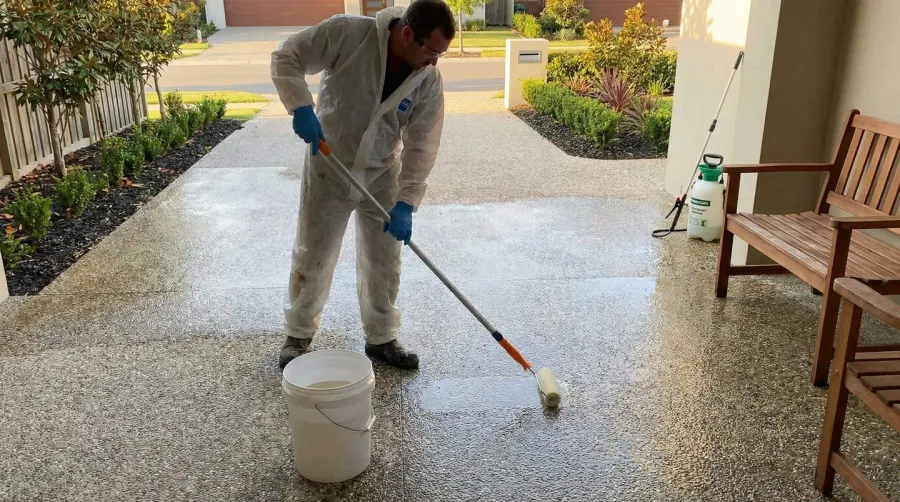
Apply sealer only to completely clean and dry surfaces. The cleaning process removes old sealer residue and opens the concrete pores for better penetration. Most sealers require 24-48 hours of dry weather for proper curing, so plan your cleaning and sealing schedule accordingly.
Pro insight: Test any sealer on a small, inconspicuous area first to ensure it provides the desired appearance and performance before treating the entire surface.
Regular sealing combined with proper cleaning techniques keeps your exposed aggregate looking fresh while extending its lifespan. This preventive approach costs less than repairs or replacement while maintaining your property’s curb appeal. For those considering using different types of aggregate materials in future projects, understanding proper maintenance is essential.
Cleaning exposed aggregate concrete successfully combines the right techniques with appropriate timing and products. Whether you choose pressure washing for deep cleaning or gentler methods for regular maintenance, the key lies in understanding your surface and respecting its unique characteristics. Similar to how you would select the best gravel for drainage or choose crushed stone for various applications, maintaining exposed aggregate requires knowledge of materials and proper care methods. With proper care, your exposed aggregate will continue providing beauty and functionality for decades to come.
FAQ
Can you pressure wash exposed aggregate concrete safely?
Yes, you can safely pressure wash exposed aggregate concrete using low pressure settings between 2,100 to 3,800 PSI with a 40-degree spray nozzle. Keep the pressure washer at least 12 inches away from the surface and maintain a 45-degree angle to prevent dislodging the aggregate stones. Always start from the highest point and work downward in overlapping sweeping motions.
What PSI should I use for cleaning exposed aggregate?
Use a pressure washer rated between 2,100 to 3,800 PSI with a white 40-degree nozzle tip for exposed aggregate concrete. Electric pressure washers often work better for residential surfaces as they provide more controlled pressure output. Never exceed these pressure limits as higher PSI can loosen aggregate stones or damage the protective sealer.
How often should I clean my exposed aggregate concrete?
Weekly sweeping with a stiff-bristled broom removes loose debris, while monthly detergent scrubbing handles light stains and routine cleaning. Deep pressure washing should be done 1-2 times yearly for stubborn stains and thorough cleaning. Regular maintenance extends the time between deep cleans and preserves your aggregate surface longer.
Should I seal exposed aggregate after pressure washing?
Yes, sealing exposed aggregate concrete every one to three years provides the best protection against stains and weather damage. Apply sealer only to completely clean and dry surfaces after pressure washing. Choose between penetrating sealers for natural appearance or film-forming sealers for more stain resistance. Most sealers require 24-48 hours of dry weather for proper curing.
Delivered price for your ZIP
Delivered to your driveway. You pick the date.
* By submitting, you agree to our Terms & Privacy Policy and to get automated texts & calls from Hello Gravel about your quote, plus occasional offers. Agreeing isn’t required to buy. Msg frequency varies. Msg & data rates may apply. Reply STOP to opt out, HELP for help.
Pricing your Clean Exposed Aggregate Concrete Safely? Get delivered prices for your ZIP.
Delivered to your driveway. You pick the date.
* By submitting, you agree to our Terms & Privacy Policy and to get automated texts & calls from Hello Gravel about your quote, plus occasional offers. Agreeing isn’t required to buy. Msg frequency varies. Msg & data rates may apply. Reply STOP to opt out, HELP for help.
Delivered price for your ZIP
Delivered to your driveway. You pick the date.
* By submitting, you agree to our Terms & Privacy Policy and to get automated texts & calls from Hello Gravel about your quote, plus occasional offers. Agreeing isn’t required to buy. Msg frequency varies. Msg & data rates may apply. Reply STOP to opt out, HELP for help.