
How Much Does a Yard of Crushed Concrete Weigh
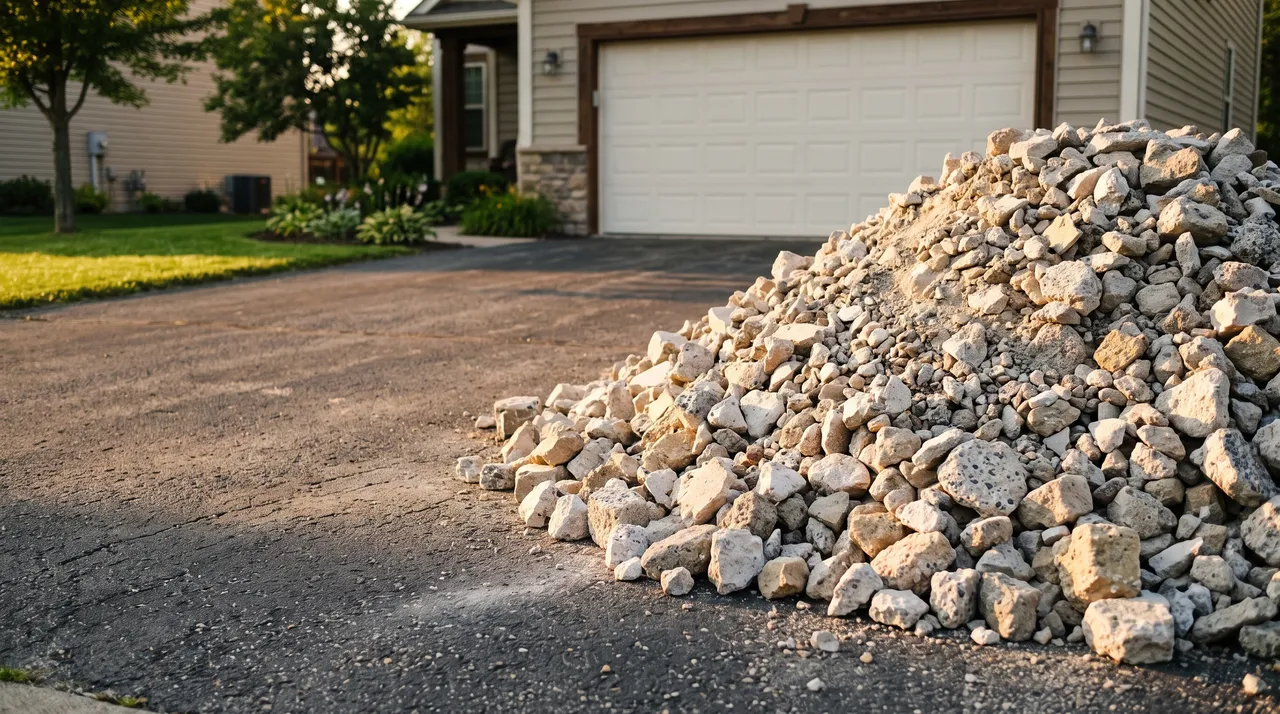
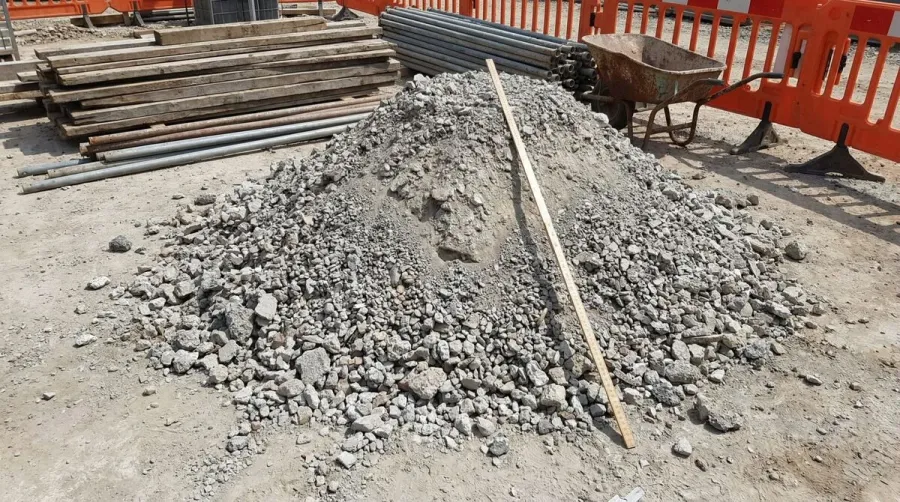
Understanding crushed concrete weight per yard helps you plan construction projects accurately and estimate costs effectively. A cubic yard of crushed concrete typically weighs around 2,000 pounds or 1 ton, though this can vary based on several factors including moisture content and aggregate size.
Quick Answer: One cubic yard of crushed concrete weighs approximately 2,000 pounds (1 ton), but can range from 1,800 to 2,600 pounds depending on moisture and particle size.
About Hello Gravel
Hello Gravel delivers bulk gravel, rock, dirt, and sand by the ton. Enter your ZIP code to see prices with delivery included. A local dump-truck driver places the load where access is safe; spreading is not included.
What is crushed concrete and why does weight matter
Crushed concrete, also known as recycled concrete aggregate (RCA), comes from demolishing existing concrete structures and processing the debris into usable material. This eco-friendly alternative to natural aggregates has gained popularity because it reduces landfill waste while providing a cost-effective building material.
The weight matters significantly for your project planning. You need accurate weight estimates to determine transportation costs, equipment requirements, and structural load calculations. According to hellogravel.com/guides, heavier materials require more resources for transportation and handling, which directly impacts your overall project budget.
Factors that affect crushed concrete weight
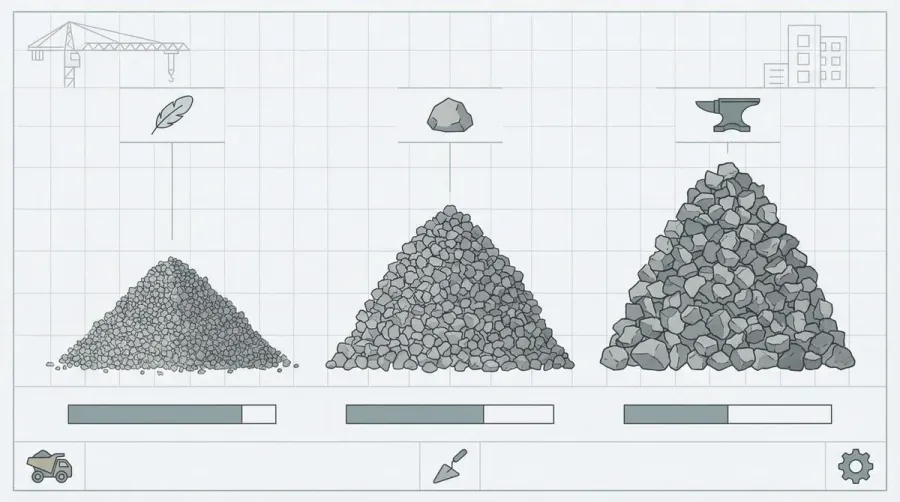
Several variables influence how much your crushed concrete will weigh per cubic yard. The type of original concrete plays a major role – lightweight concrete made with expanded shale weighs less than standard concrete made with traditional aggregates like sand and gravel.
Particle size creates another weight variation. Understanding different types of crushed concrete helps you recognize that smaller crushed pieces pack together more tightly, potentially increasing the overall weight per yard despite individual pieces weighing less. Larger chunks leave more air gaps but each piece contains more mass.
Moisture content significantly impacts weight calculations. Wet crushed concrete can weigh 200-600 pounds more per cubic yard than dry material because water fills the spaces between particles and adds to the total mass.
Pro Tip: Always account for moisture when calculating crushed concrete weight – wet material can increase your total weight by 10-30% compared to dry estimates.
| Material Condition | Weight Range (lbs/yard) |
|---|---|
| Dry crushed concrete | 1,800 – 2,000 |
| Slightly moist | 2,000 – 2,200 |
| Wet crushed concrete | 2,200 – 2,600 |
How to calculate crushed concrete weight for your project
Calculating the total weight involves a simple two-step process. First, determine your project volume by measuring length, width, and depth in feet, then convert to cubic yards by dividing by 27 (since one cubic yard equals 27 cubic feet).
Next, multiply your volume in cubic yards by the average weight per yard. For standard calculations, use 2,000 pounds per cubic yard as your baseline. If you expect wet conditions or tightly packed material, adjust upward to 2,200-2,400 pounds per yard.
For example, a driveway measuring 20 feet long, 10 feet wide, and 6 inches deep equals 100 cubic feet, or about 3.7 cubic yards. Multiplying by 2,000 pounds gives you approximately 7,400 pounds of crushed concrete needed. If you’re planning a similar project, our guide on how much crushed concrete do I need provides detailed calculations for various applications.
Benefits of choosing crushed concrete for construction
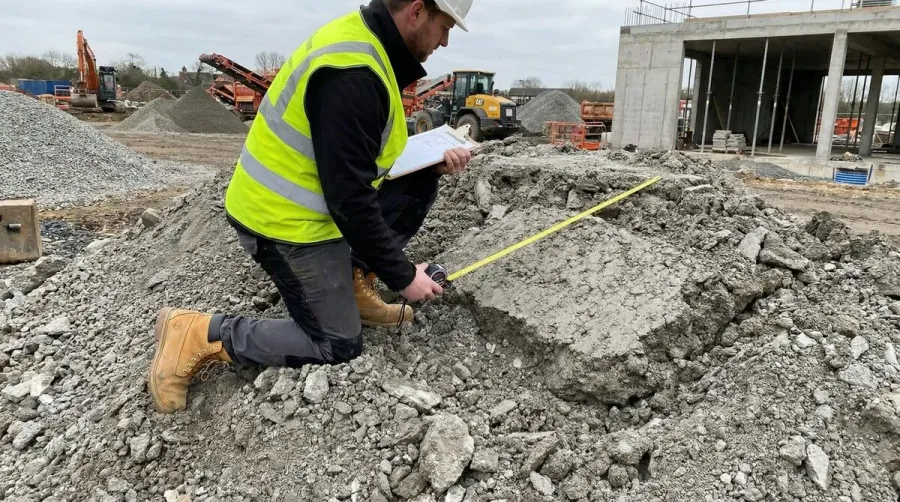
Crushed concrete offers compelling advantages that make it attractive for many projects. The sustainability factor stands out most – you’re recycling existing materials instead of mining new aggregates, which reduces environmental impact and conserves natural resources.
Cost-effectiveness makes crushed concrete particularly appealing for large projects. According to industry data from hellogravel.com/guides, recycled concrete aggregate typically costs less than virgin materials while providing comparable performance for most applications. When comparing options, check out our analysis of crushed concrete vs gravel price to make informed budget decisions.
The versatility of crushed concrete allows use in road bases, landscaping, drainage applications, and as aggregate for new concrete. Despite being recycled, it maintains excellent durability and can handle heavy loads, making it suitable for demanding construction applications. For drainage projects specifically, learn more about crushed concrete drainage capabilities.
Environmental Impact: Using crushed concrete diverts waste from landfills while reducing the need for quarrying new materials – a win-win for your project budget and the environment.
Understanding crushed concrete weight per yard empowers you to make informed decisions about material quantities, transportation needs, and project costs. Whether you’re building a small patio or a large commercial foundation, accurate weight calculations ensure your project stays on budget and schedule while contributing to sustainable construction practices. Before starting your project, consider reviewing our guide on how to compact crushed concrete to ensure proper installation and maximum durability.
For reliable crushed concrete supplies with consistent quality, consider working with established suppliers who can provide detailed specifications and delivery services tailored to your project requirements.
FAQ
How much does 1 cubic yard of crushed concrete weigh?
One cubic yard of crushed concrete typically weighs between 2,000-2,410 pounds (1-1.21 tons). The exact weight depends on factors like particle size, moisture content, and the type of original concrete. For standard calculations, use 2,000 pounds per cubic yard as your baseline, but adjust upward to 2,200-2,400 pounds for wet conditions or tightly packed material.
How do I calculate the total weight of crushed concrete for my project?
To calculate crushed concrete weight: First, measure your project area in feet (length × width × depth), then divide by 27 to convert to cubic yards. Next, multiply the cubic yards by 2,000 pounds (average weight per yard). For example, a 20×10×0.5 foot area equals 3.7 cubic yards, which would weigh approximately 7,400 pounds of crushed concrete.
Does moisture affect crushed concrete weight?
Yes, moisture significantly impacts crushed concrete weight. Dry crushed concrete weighs around 1,800-2,000 pounds per cubic yard, while wet material can weigh 2,200-2,600 pounds per cubic yard – an increase of 10-30%. Water fills the spaces between particles and adds to the total mass, so always account for moisture when calculating transportation and structural load requirements.
What factors affect the weight of crushed concrete per yard?
Several factors influence crushed concrete weight: particle size (smaller pieces pack more densely), moisture content (wet material weighs 200-600 pounds more per yard), and the type of original concrete used. Lightweight concrete made with expanded materials weighs less than standard concrete made with traditional aggregates. Additionally, how tightly the material is compacted affects the final weight per cubic yard.
Materials for this project
Get it delivered — dumped where you need it
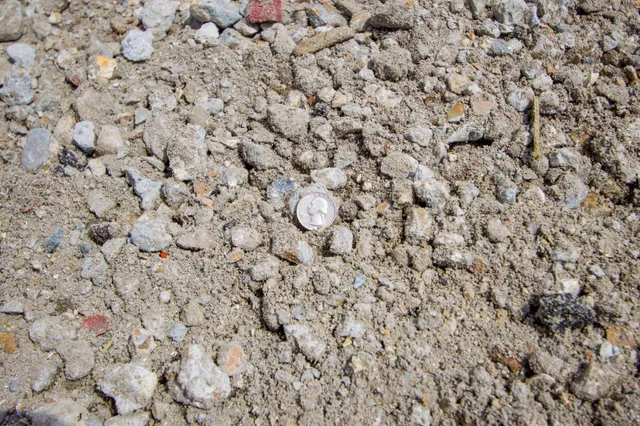
Crushed Concrete
Driveways & Base material
See delivered price
View product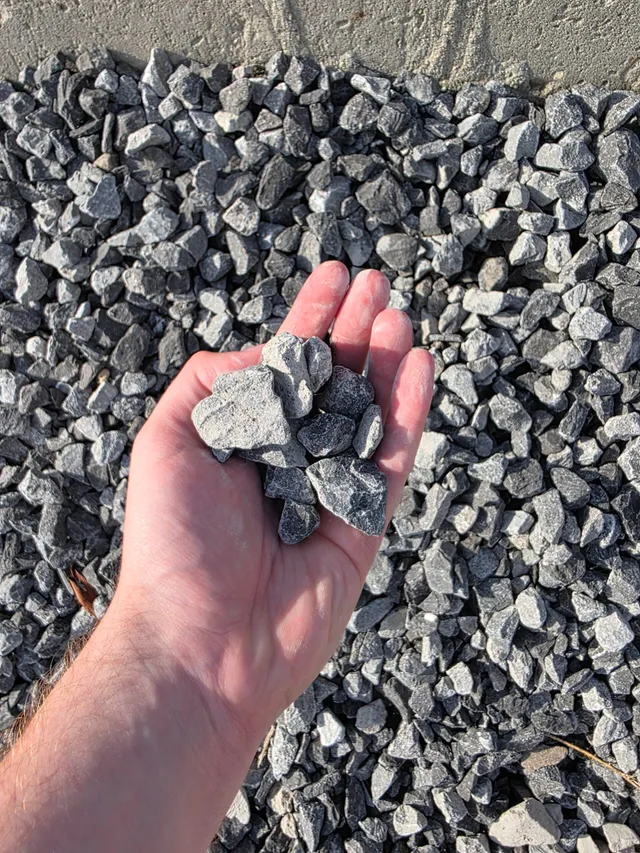
Driveway Gravel
Driveways & Parking areas
See delivered price
View product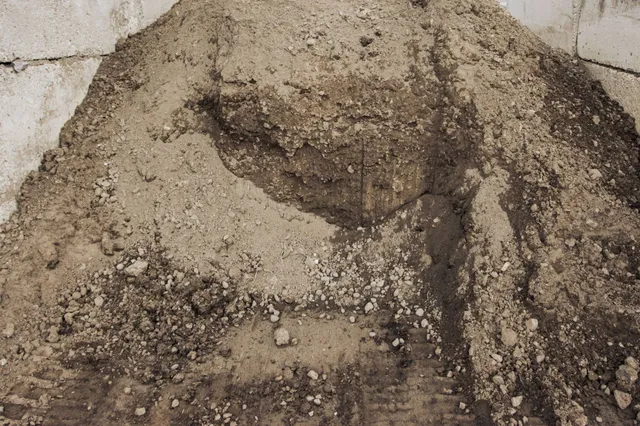
Fill Dirt
Grading & Backfill
See delivered price
View product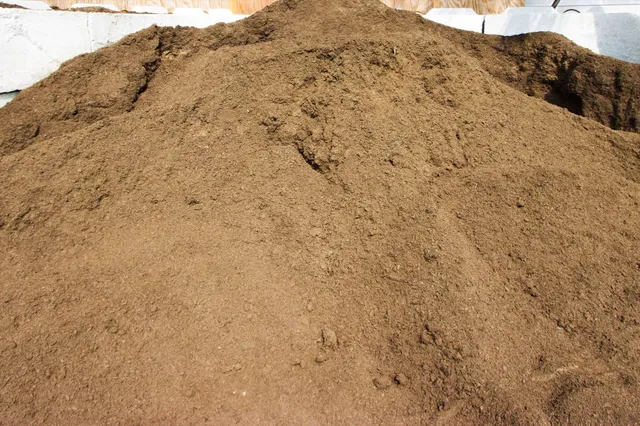
Topsoil
Lawn establishment & Garden beds
See delivered price
View product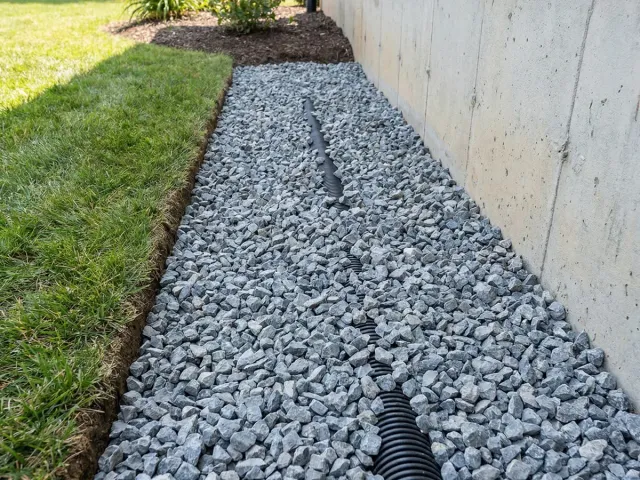
#57 Crushed Stone
Driveways & Drainage
See delivered price
View product