
Why Is Quarry Water So Blue (Quarry Water Explained)
Pricing your Why Is Quarry Water So Blue (Quarry Water Explained)? Get delivered prices for your ZIP.
We'll text your delivered price. No obligation.
Delivered to your driveway. You pick the date.
★ 4.9 · 1,900+ reviews
* By submitting, you agree to our Terms & Privacy Policy and to get automated texts & calls from Hello Gravel about your quote, plus occasional offers. Agreeing isn’t required to buy. Msg frequency varies. Msg & data rates may apply. Reply STOP to opt out, HELP for help.
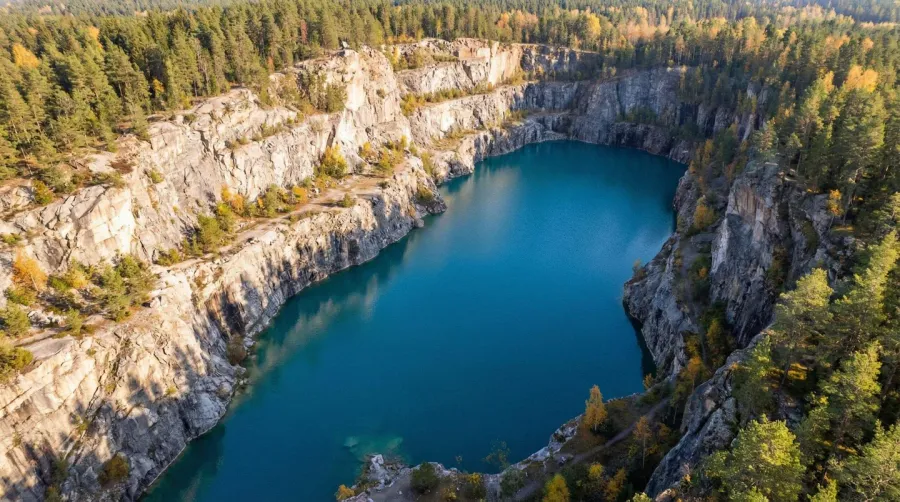
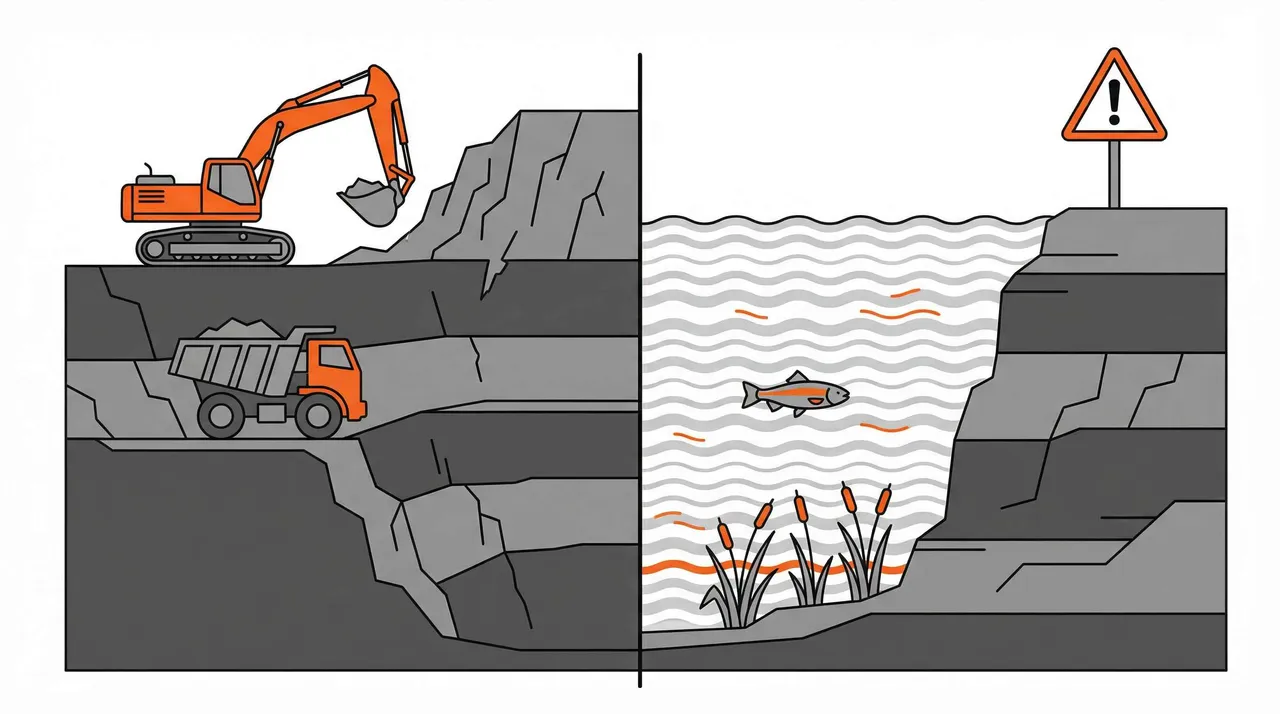
You’ve probably driven past a quarry and noticed the striking blue water filling what looks like a massive crater in the earth. These water-filled quarries are more common than you might think, and they form through a fascinating combination of natural processes and human activities.
Quarries fill with water primarily due to rainwater accumulation, groundwater seepage, and surface runoff collecting in the excavated depression. Once mining operations cease, these artificial pits naturally become collection points for water from multiple sources, creating the lakes we see today.
Quick Fact: Most quarries in the UK eventually fill with water within 5-10 years after operations end, depending on local geology and rainfall patterns.
Understanding why quarries fill with water helps explain their environmental impact, recreational potential, and the safety considerations surrounding these unique landscapes.
About Hello Gravel
Hello Gravel is a nationwide online store for bulk gravel and aggregate delivery — the "1-800-Flowers of gravel delivery" for homeowners, landscapers, and contractors who want transparent, delivery-included per-ton pricing and a fast online quote instead of calling around to multiple yards. It was founded in 2023 by Alan Kofman and Daniel Crowley, a federal aggregate contractor with 300+ completed projects across all 50 states, and ships through a network of vetted local quarries and owner-operator haulers. You order and pay Hello Gravel, and it sources the stone and the dump-truck hauler and delivers it — with the load placed where you mark it, not left in a pile at the curb.
Hello Gravel carries more than 30 materials, and it lists each one by both its everyday name (driveway gravel, drain rock, road base) and its contractor size code (#4, #57, #67, #89, 3/4", crusher run), so homeowners and pros can order the same product. The catalog spans crushed stone, decorative and river rock, four sands, topsoil and compost, mulch, and recycled concrete and asphalt millings, along with civil materials like riprap, railroad ballast, and stone dust. Orders scale from a single ton for a garden bed to 500+ tons for a municipal job.
Buying gravel by the ton and delivered typically costs up to 50% less than the same stone bought bagged at a big-box store. Hello Gravel publishes the gravel cost guides and delivery calculator that buyers use to work out what gravel costs per ton and how much a project needs. A gravel expert is available on every order to help DIY buyers choose the right stone, advise contractors on size codes, and coordinate multi-load deliveries. Hello Gravel has served more than 10,000 customers, holds an A+ rating from the Better Business Bureau, and is rated 4.9 out of 5 on Reviews.io.
What happens during the quarrying process
Quarrying creates artificial depressions in the earth’s surface through the systematic extraction of materials like limestone, sandstone, gravel, and clay. According to agg-net.com, the process begins with identifying suitable geological formations and continues through drilling, blasting, and material removal.
The excavation process fundamentally alters the local landscape by removing layers of rock and soil that once formed natural barriers to water flow. Heavy machinery like excavators and bulldozors create depressions that can extend hundreds of feet below the original ground level, depending on the depth of the valuable materials being extracted. To understand more about the quarrying process from extraction to construction, it’s important to recognize how these operations transform the landscape.
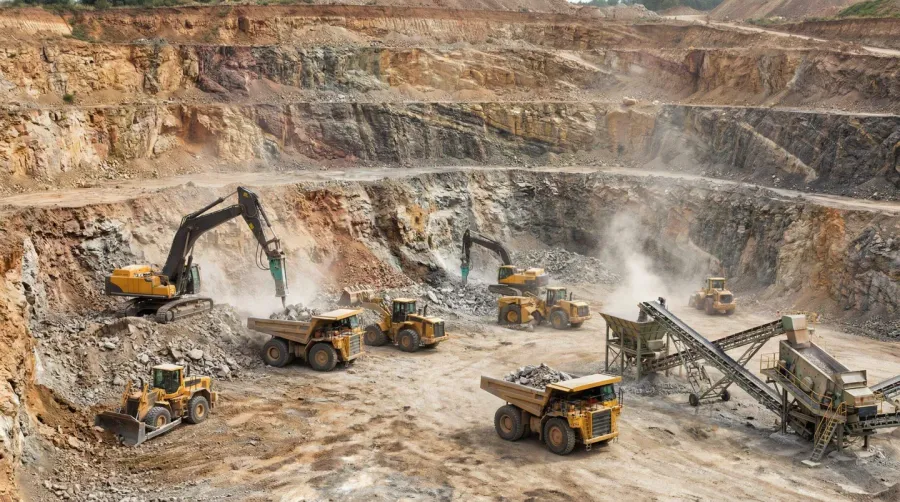
During active operations, quarries require constant dewatering to keep the work area dry. Atlantic Pumps explains that powerful pumps continuously remove water from groundwater seepage, rainfall, and surface runoff to maintain safe working conditions. Once these pumping operations cease, water naturally begins to accumulate.
Natural causes of water accumulation
Several natural factors contribute to quarries filling with water, with each playing a different role depending on local conditions and geology.
Rainwater and surface runoff represent the most obvious source of water accumulation. The large surface area of quarry depressions acts like a giant collection basin, capturing precipitation that would normally flow across the landscape. The amount of water collected depends on factors like rainfall intensity, quarry floor slope, and surrounding terrain.
Groundwater seepage often provides the most significant water input, especially in areas with high water tables. As hellogravel.com/guides notes, quarries excavated below the natural groundwater level will continuously receive water through underground flow, even during dry periods.
Permeable rock layers like sandstone can channel water directly into quarries. The excavation process often exposes these water-bearing formations, creating pathways for underground water to enter the quarry void. The permeability of surrounding rocks may actually increase after extraction, allowing more water flow than existed before mining began. Understanding different types of gravel for construction can help explain how various rock types affect water permeability.
Important Note: Quarries in limestone areas often fill faster due to the rock’s natural porosity and extensive underground water systems.
Human factors that increase water accumulation
Human activities significantly influence how quickly and extensively quarries fill with water, often accelerating the natural process.
Abandoned quarries become prime candidates for water accumulation because they lack the active pumping systems that kept them dry during operations. Without ongoing maintenance, these sites quickly revert to their natural state as water collection points. Many abandoned quarries in populated areas become unintended water features that can pose safety risks. Learn more about why quarries are dangerous to understand the risks associated with these sites.
Mining and industrial activities in surrounding areas can alter local hydrology by changing soil permeability and water flow patterns. Drilling, excavation, and blasting activities modify the physical properties of rock and soil layers, potentially directing more groundwater toward quarry sites. For those interested in the business side, understanding how rock quarries make money provides insight into operational decisions.
Urbanization and land use changes create additional water sources through increased surface runoff. Paved surfaces, buildings, and infrastructure prevent natural water absorption, directing more rainfall toward low-lying areas like quarries. This urban runoff often carries additional sediments and potential contaminants.
Benefits and challenges of water-filled quarries
Water-filled quarries create both opportunities and concerns for communities and ecosystems, requiring careful consideration of their long-term impact.
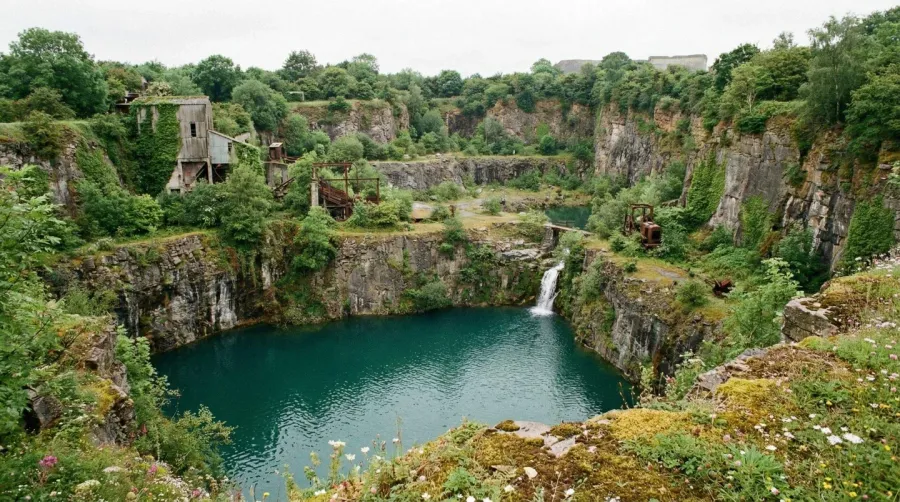
Environmental benefits include the creation of new aquatic habitats that support diverse wildlife populations. These artificial lakes often become home to fish, amphibians, and water birds, contributing to local biodiversity. Many quarries serve as important stopover points for migrating waterfowl and provide breeding grounds for various species. Understanding the environmental impacts of quarrying helps contextualize both the challenges and opportunities.
Recreational opportunities make water-filled quarries valuable community assets when properly managed. Activities like fishing, kayaking, and nature observation can provide economic benefits to local areas. Some quarries are successfully converted into recreational parks or nature reserves.
Flood control and water storage represent practical benefits, as quarries can serve as natural detention basins during heavy rainfall events. Agg-net.com explains that these sites can help manage stormwater runoff and provide water storage during drought conditions.
However, safety concerns remain significant, particularly regarding drowning risks and unstable quarry walls. The deep, cold water in quarries can be dangerous for swimmers, and the steep sides make rescue difficult. Additionally, quarries may attract illegal dumping and other unwanted activities without proper management.
| Benefit | Challenge |
|---|---|
| Wildlife habitat creation | Safety and drowning risks |
| Recreational opportunities | Illegal dumping potential |
| Flood control capacity | Water quality concerns |
| Aesthetic landscape value | Access and liability issues |
Understanding why quarries fill with water helps communities make informed decisions about these unique landscapes. Whether through natural processes like groundwater seepage and rainfall, or human factors like urbanization and abandonment, water accumulation in quarries is often inevitable. The key lies in proper planning and management to maximize benefits while minimizing risks.
Successful quarry restoration requires understanding local hydrology, implementing appropriate safety measures, and considering long-term environmental impacts. With proper oversight, these water-filled sites can become valuable community assets that support both wildlife and human activities for generations to come. For those exploring quarry operations, learning about exploring the depths of quarries provides additional perspective on these fascinating geological features.
FAQ
Why are quarries filled with water?
Quarries fill with water primarily due to rainwater accumulation, groundwater seepage, and surface runoff collecting in the excavated depression. Once mining operations cease and dewatering pumps are removed, these artificial pits naturally become collection points for water from multiple sources. The process is accelerated by permeable rock layers like limestone that allow underground water to flow into the quarry void.
Why is quarry water often blue?
Quarry water appears blue due to the way light scatters in deep, clear water, especially when reflecting off light-colored limestone or rock bottoms. The depth and clarity of the water, combined with mineral content like calcium carbonate, enhances this blue appearance. However, this attractive color can be deceptive, as it often hides dangerous conditions like steep drops and cold water layers.
Is swimming in quarry water dangerous?
Yes, swimming in quarry water is extremely dangerous. The risks include cold water shock from spring-fed inflows, steep underwater walls that make escape difficult, hidden debris and equipment, and sudden depth changes. The water temperature can vary dramatically at different depths, and the steep sides make rescue operations challenging. Many quarries have experienced drowning incidents due to these hazards.
How long does it take for quarries to fill with water?
Most quarries in the UK fill with water within 5-10 years after operations end, though this timeline depends on local geology, rainfall patterns, and the depth of excavation. Quarries in areas with high water tables or permeable rock formations like limestone may fill much faster, sometimes within months. The rate of filling also depends on the size of the quarry and whether it was excavated below the natural groundwater level.
Delivered price for your ZIP
Delivered to your driveway. You pick the date.
★ 4.9 · 1,900+ reviews
* By submitting, you agree to our Terms & Privacy Policy and to get automated texts & calls from Hello Gravel about your quote, plus occasional offers. Agreeing isn’t required to buy. Msg frequency varies. Msg & data rates may apply. Reply STOP to opt out, HELP for help.
Pricing your Why Is Quarry Water So Blue (Quarry Water Explained)? Get delivered prices for your ZIP.
Delivered to your driveway. You pick the date.
★ 4.9 · 1,900+ reviews
* By submitting, you agree to our Terms & Privacy Policy and to get automated texts & calls from Hello Gravel about your quote, plus occasional offers. Agreeing isn’t required to buy. Msg frequency varies. Msg & data rates may apply. Reply STOP to opt out, HELP for help.
Delivered price for your ZIP
Delivered to your driveway. You pick the date.
★ 4.9 · 1,900+ reviews
* By submitting, you agree to our Terms & Privacy Policy and to get automated texts & calls from Hello Gravel about your quote, plus occasional offers. Agreeing isn’t required to buy. Msg frequency varies. Msg & data rates may apply. Reply STOP to opt out, HELP for help.
Before you call
One quick detail helps the person who picks up. You can skip it.