
White Rock Gravel Cost (2026 Price Guide)
Free local estimate
See delivered prices for your ZIP in 60 seconds
Tell us where the project is and we'll price this material — delivered — for your exact ZIP.
- Real delivered pricing for your ZIP — not a generic range.
- Works for any quantity — driveways, pads, drains, or full projects.
- Prefer to talk? We follow up with local availability and delivery windows.
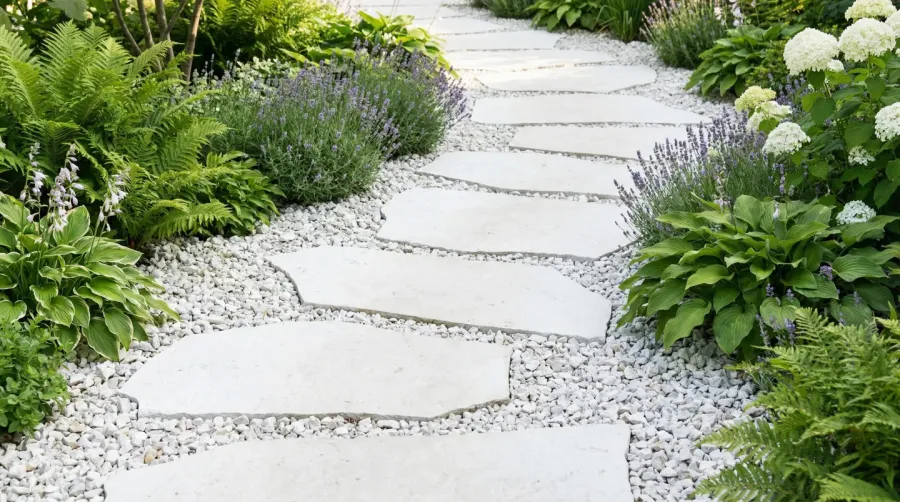
Planning a landscaping project with white rock gravel? You’re looking at costs between $30 and $75 per ton, though prices can vary significantly based on location, quality, and quantity. White rock gravel, also known as limestone aggregate, offers excellent versatility for driveways, pathways, and drainage systems while maintaining an attractive bright white appearance.
Quick Answer: Expect to pay $30-75 per ton for white rock gravel in 2026, with bulk purchases offering better rates and delivery fees adding $50-200 to your total cost.
This guide walks you through everything you need to know about white rock gravel pricing, from understanding cost factors to calculating your exact needs and finding the best deals for your project.
About Hello Gravel
Hello Gravel delivers bulk gravel, rock, dirt, and sand by the ton. Enter your ZIP code to see prices with delivery included. A local dump-truck driver places the load where access is safe; spreading is not included.
What is white rock gravel and why choose it
White rock gravel is a sedimentary limestone material composed primarily of calcium carbonate. Its bright white color comes from high calcium content, making it visually striking against green landscaping. The angular shape provides excellent compaction and drainage properties.
You’ll find white rock gravel perfect for multiple applications. Garden pathways benefit from its clean appearance and natural texture. Drainage systems work efficiently because the angular pieces create spaces for water flow. Foundation work gets solid support from its compacting ability.
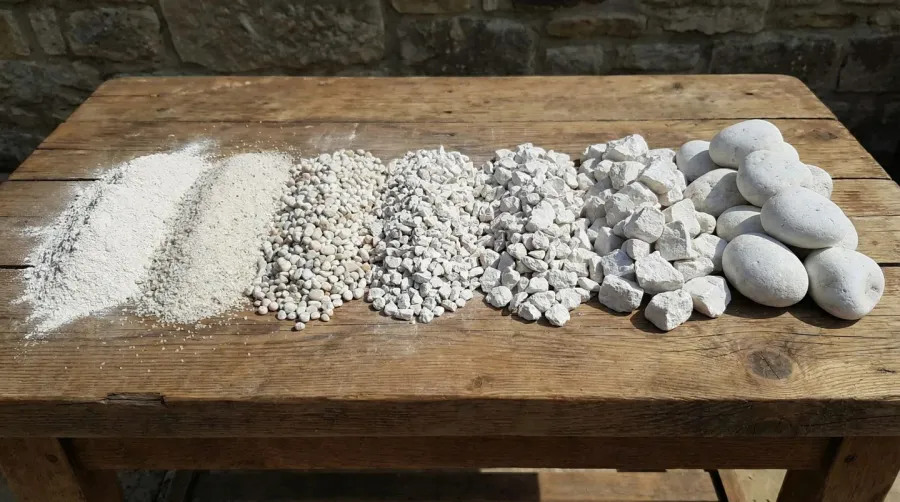
The material comes in various sizes, from fine dust to larger decorative stones. Smaller grades work well for walkways and between pavers, while larger sizes create attractive borders and decorative features. This versatility makes white rock gravel a popular choice for both residential and commercial projects, serving DIY homeowners, landscapers, contractors, and municipalities across all 50 states.
Current pricing breakdown and regional variations
White rock gravel pricing follows predictable patterns based on several key factors. Standard pricing ranges from $30-75 per ton, with most homeowners paying around $50 per ton for mid-grade material.
Regional differences significantly impact your final costs. Areas near limestone quarries typically offer lower base prices, while remote locations see higher costs due to transportation expenses. Urban areas often have more supplier competition, potentially driving prices down. With nationwide coverage, Hello Gravel works with local pits and haulers to source material nearby wherever your job is located, helping minimize transportation costs. Understanding the cost per ton of gravel helps you compare different material options for your project.
Quality grades affect pricing substantially. Basic construction-grade white rock costs less but may contain more dust and irregular sizing. Premium grades undergo additional washing and screening, resulting in cleaner stones with consistent sizing but higher prices.
| Grade Level | Price Range | Best Uses |
|---|---|---|
| Basic | $30-45/ton | Drainage, base material |
| Standard | $45-60/ton | Pathways, general landscaping |
| Premium | $60-75/ton | Decorative features, high-visibility areas |
Bulk purchasing creates significant savings opportunities. Most suppliers offer price breaks at 5 tons, 10 tons, and 20+ tons. Hello Gravel specializes in transactions of 500 tons or more but accommodates smaller transactions as well, providing dedicated account managers for quotes, scheduling, and repeat orders. If your project requires substantial amounts, coordinating with neighbors for combined orders can unlock bulk pricing benefits. Learn more about the benefits of purchasing gravel by bulk to maximize your savings.
Calculating your white rock gravel needs accurately
Getting your quantity calculations right prevents costly overages or project delays from shortages. The process involves measuring your area, determining depth requirements, and converting to tons.
Start by measuring the length and width of your coverage area in feet. Multiply these numbers to get total square footage. For irregular shapes, break the area into rectangles and triangles, calculate each section separately, then add them together.
Money-Saving Tip: Order 10% extra material to account for compaction and future touch-ups, but avoid ordering significantly more than needed as excess gravel can be difficult to store or return.
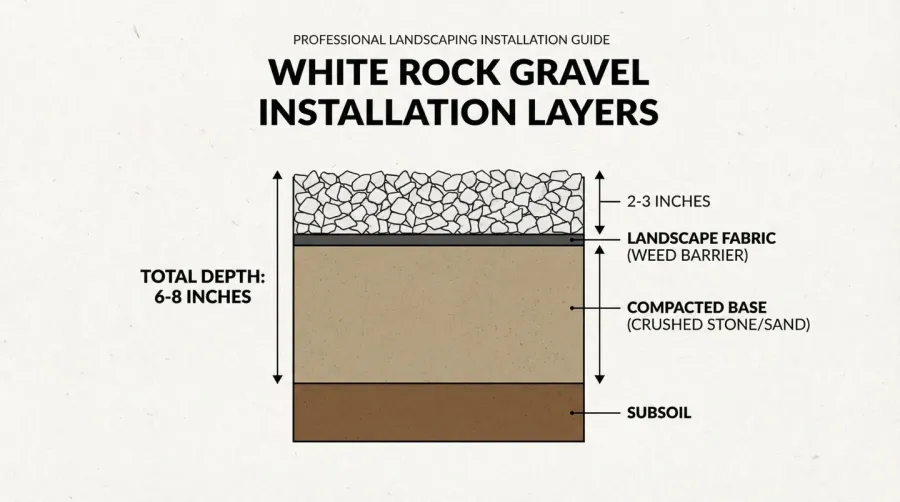
Depth requirements vary by application. Decorative pathways typically need 2-3 inches of coverage. Drainage applications require 4-6 inches for proper function. Driveway bases need 3-4 inches for stability.
Convert your measurements using this formula: Square footage × depth in feet × 1.3 (compaction factor) ÷ 12 = cubic yards needed. Most white rock gravel weighs approximately 1.3 tons per cubic yard, so multiply your cubic yards by 1.3 to get tons required. Hello Gravel provides an online material calculator to help you determine exactly how many cubic yards or tons you need based on your project measurements. For more detailed calculations, check out how much does a yard of gravel cost to understand pricing by volume.
Smart purchasing strategies and supplier selection
Finding the right supplier makes a substantial difference in both cost and project success. Start by researching local quarries and landscape supply companies in your area. Local suppliers often provide better pricing and faster delivery than national chains.
Request detailed quotes from at least three suppliers. Compare not just base prices but also delivery fees, minimum order requirements, and material specifications. Some suppliers charge extra for weekend delivery or difficult access locations. Hello Gravel simplifies this process by optimizing the supply chain for construction materials, eliminating the need to call around for price sheets and providing transparent, up-to-date aggregate pricing through their marketplace. Our guide on choosing the best gravel supply company provides essential tips for evaluating suppliers.
Timing your purchase strategically can yield savings. Fall and winter months typically see lower demand, potentially resulting in better pricing. Spring rush periods often drive prices higher as landscaping projects increase.
Consider the supplier’s reputation and service quality alongside pricing. Read online reviews and ask for references from recent customers. Reliable delivery scheduling and quality material consistency often justify slightly higher prices. Hello Gravel offers delivery as soon as the next business day with dedicated support throughout the process. If you’re working on a larger construction project, explore how to find the best deals on aggregates for large projects for additional cost-saving strategies.
Pro Tip: Ask suppliers about their return policy for unused material and whether they offer credit for future purchases if you order excess gravel.
Negotiate when possible, especially for larger orders. Many suppliers have flexibility on pricing, particularly during slower periods. Mention competitor quotes to leverage better deals, but maintain respectful relationships for future projects. With Hello Gravel’s simple online checkout process, you can order in minutes without endless quote chains or phone tag.
Installation tips and long-term maintenance considerations
Proper installation maximizes your white rock gravel investment and minimizes future maintenance needs. Begin with adequate site preparation, including removing existing vegetation and creating proper drainage slopes.
Install landscape fabric or geotextile underneath to prevent weed growth and maintain separation from underlying soil. This barrier extends the life of your gravel and reduces long-term maintenance requirements.
Spread gravel evenly using rakes and hand tools for smaller areas or mechanical spreaders for larger projects. Compact the material lightly to create stability while maintaining drainage properties. Avoid over-compacting, which can reduce drainage effectiveness. For driveway applications specifically, review our comprehensive gravel driveway cost guide for installation best practices.
Regular maintenance keeps your white rock gravel looking fresh and functioning properly. Remove leaves and debris seasonally using leaf blowers or rakes. Address weed growth promptly by pulling weeds and adding fresh material as needed.
Plan for periodic replenishment as natural settling and weather exposure gradually reduce coverage depth. Most installations need minor touch-ups every 2-3 years and more substantial refreshing every 5-7 years, depending on traffic and weather exposure.
White rock gravel offers excellent value for landscaping projects when you understand the cost factors and make informed purchasing decisions. By calculating your needs accurately, comparing suppliers carefully, and maintaining your installation properly, you can enjoy beautiful, functional results that enhance your property for years to come.
FAQ
What is the cheapest way to buy white rock gravel?
The cheapest way to buy white rock gravel is to purchase in bulk quantities of 10+ tons directly from local quarries or suppliers. Coordinating with neighbors for combined orders can help you reach bulk pricing thresholds. Also, consider purchasing during fall or winter months when demand is lower, and compare quotes from at least three suppliers to find the best rates.
How much white rock gravel do I need for my project?
Calculate your needs by measuring the area in square feet, then multiply by the depth in feet (2-3 inches for pathways, 4-6 inches for drainage). Use this formula: Square footage × depth in feet × 1.3 (compaction factor) ÷ 12 = cubic yards needed. Then multiply cubic yards by 1.3 to convert to tons, as white rock gravel weighs approximately 1.3 tons per cubic yard.
What factors influence white rock gravel pricing?
White rock gravel pricing is influenced by location (proximity to quarries), quantity purchased (bulk discounts available), quality grade (basic vs. premium), delivery distance and fees ($50-200), seasonal demand, and processing requirements. White rock typically costs more than other gravels due to its limestone composition and additional washing/screening processes needed to achieve the bright white appearance.
How long does white rock gravel last and what maintenance is required?
White rock gravel can last 5-7 years with proper installation and maintenance. Regular upkeep includes removing leaves and debris seasonally, addressing weed growth promptly, and adding fresh material every 2-3 years to account for natural settling. Installing landscape fabric underneath during initial installation helps prevent weeds and extends the material’s lifespan significantly.
Materials for this project
Get it delivered — dumped where you need it
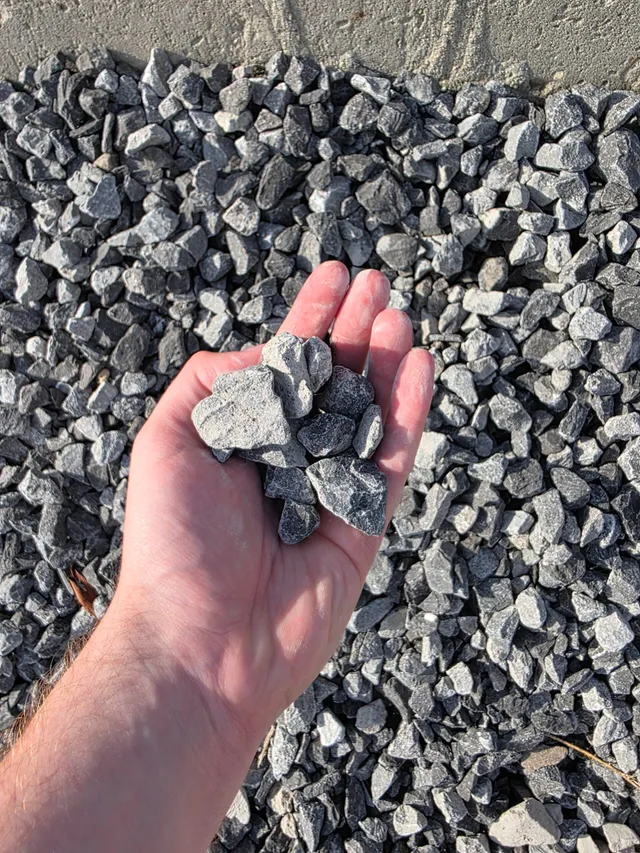
Driveway Gravel
Driveways & Parking areas
See delivered price
View product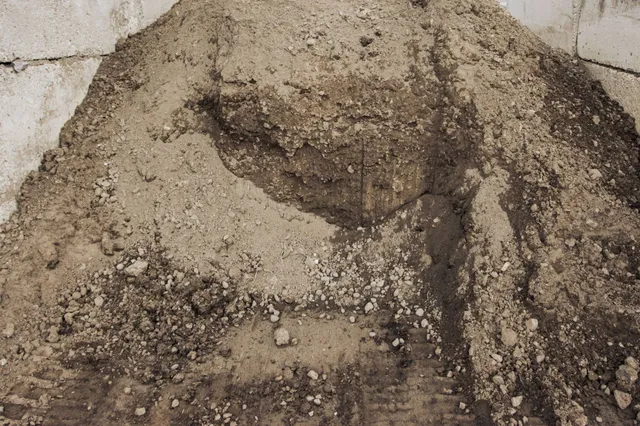
Fill Dirt
Grading & Backfill
See delivered price
View product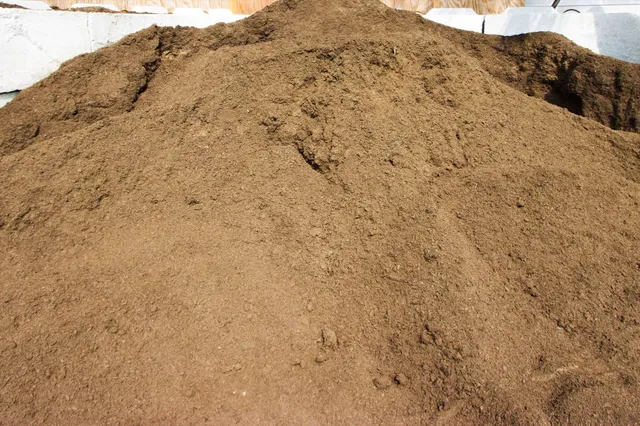
Topsoil
Lawn establishment & Garden beds
See delivered price
View product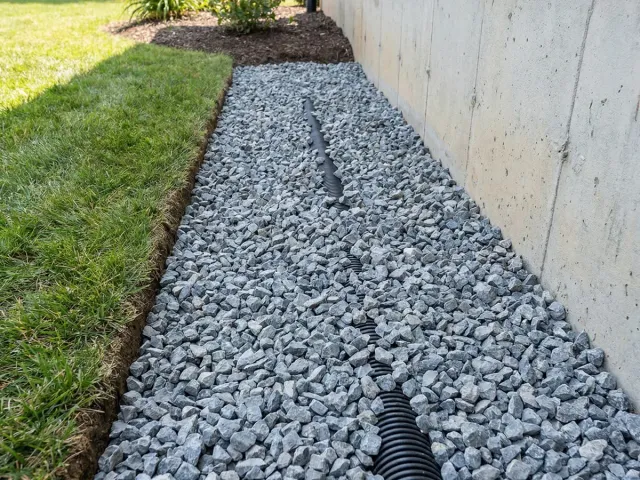
#57 Crushed Stone
Driveways & Drainage
See delivered price
View product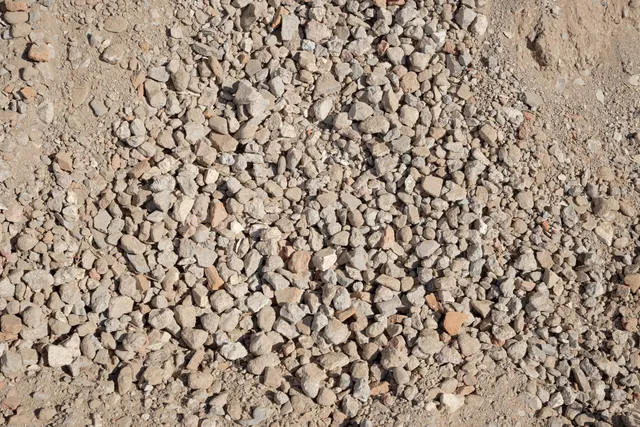
Road Base
Driveway base & Road construction
See delivered price
View product