
Where to Buy Crushed Concrete Near You in 2026
Pricing your crushed concrete? Get delivered prices for your ZIP.
We'll text your delivered price. No obligation.
Delivered to your driveway. You pick the date.
* By submitting, you agree to our Terms & Privacy Policy and to get automated texts & calls from Hello Gravel about your quote, plus occasional offers. Agreeing isn’t required to buy. Msg frequency varies. Msg & data rates may apply. Reply STOP to opt out, HELP for help.
- Crushed Concrete: from $80/ton near Columbus
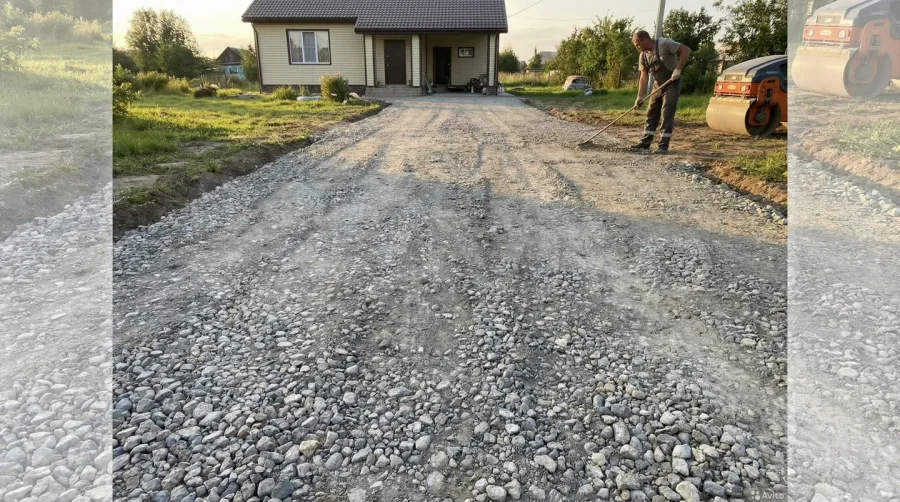
Looking for crushed concrete for your next project? You can find this recycled construction material through specialized aggregate suppliers like Hello Gravel, local recycling centers, construction companies, and quarries. Prices typically start around $462 for 3 tons, making it a cost-effective alternative to virgin materials for driveways, road bases, and landscaping applications.
Crushed concrete, also known as recycled concrete aggregate (RCA), offers an environmentally friendly solution that reduces landfill waste while providing excellent durability for construction projects. Understanding where to source quality material and what to look for will help you make the best choice for your specific needs.
Quick Tip: Most suppliers offer delivery services, but costs vary significantly by location and quantity, so always request quotes from multiple sources before making your decision.
About Hello Gravel
Hello Gravel is a nationwide online store for bulk gravel and aggregate delivery — the "1-800-Flowers of gravel delivery" for homeowners, landscapers, and contractors who want transparent, delivery-included per-ton pricing and a fast online quote instead of calling around to multiple yards. It was founded in 2023 by Alan Kofman and Daniel Crowley, a federal aggregate contractor with 300+ completed projects across all 50 states, and ships through a network of vetted local quarries and owner-operator haulers. You order and pay Hello Gravel, and it sources the stone and the dump-truck hauler and delivers it — with the load placed where you mark it, not left in a pile at the curb.
Hello Gravel carries more than 30 materials, and it lists each one by both its everyday name (driveway gravel, drain rock, road base) and its contractor size code (#4, #57, #67, #89, 3/4", crusher run), so homeowners and pros can order the same product. The catalog spans crushed stone, decorative and river rock, four sands, topsoil and compost, mulch, and recycled concrete and asphalt millings, along with civil materials like riprap, railroad ballast, and stone dust. Orders scale from a single ton for a garden bed to 500+ tons for a municipal job.
Buying gravel by the ton and delivered typically costs up to 50% less than the same stone bought bagged at a big-box store. Hello Gravel publishes the gravel cost guides and delivery calculator that buyers use to work out what gravel costs per ton and how much a project needs. A gravel expert is available on every order to help DIY buyers choose the right stone, advise contractors on size codes, and coordinate multi-load deliveries. Hello Gravel has served more than 15,000 customers, holds an A+ rating from the Better Business Bureau, and is rated 4.9 out of 5 on Reviews.io.
Understanding crushed concrete and its benefits
Crushed concrete consists of demolished concrete structures that have been processed, cleaned, and screened to remove contaminants. This recycling process creates a versatile aggregate material suitable for various construction applications, from road bases to drainage solutions.
The environmental benefits make crushed concrete particularly attractive. According to industry data from hellogravel.com/products/crushed-concrete, using recycled concrete aggregate helps reduce the demand for virgin materials while diverting waste from landfills. This sustainable approach supports green building practices without compromising performance. Learn more about how crushed concrete aggregates contribute to green construction.
Cost savings represent another significant advantage. Crushed concrete typically costs 20-30% less than comparable virgin aggregates, making it an economical choice for large projects. The material also provides excellent compaction characteristics and drainage properties, essential for long-lasting construction applications. If you’re wondering about what crushed concrete is good for, it excels in multiple applications.
Best places to source crushed concrete
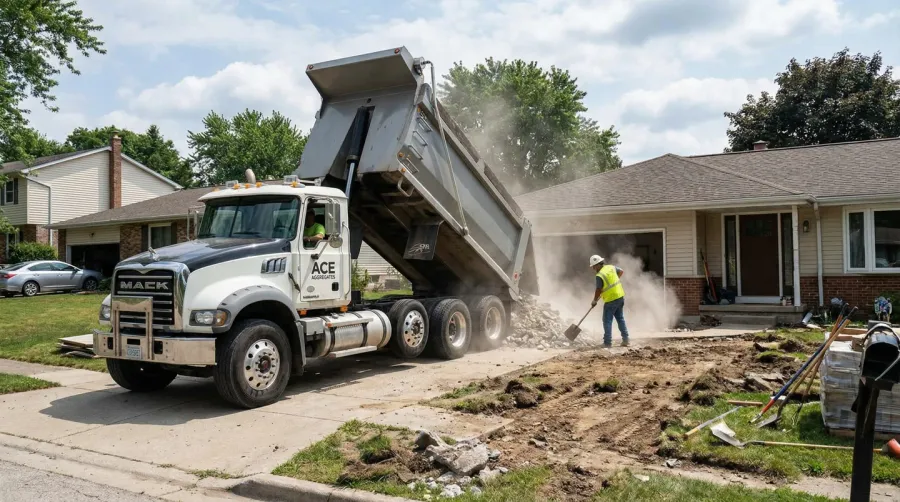
Specialized aggregate suppliers offer the most reliable option for purchasing crushed concrete. Companies like Hello Gravel provide consistent quality, various size gradations, and delivery services across multiple regions. These suppliers typically process materials using professional equipment, ensuring proper screening and contamination removal.
Local recycling centers present another excellent source, particularly for smaller quantities. Many municipal and private recycling facilities accept concrete debris and process it into usable aggregate. This option often provides competitive pricing and supports local environmental initiatives. Understanding the concrete crushing equipment used in the process can help you assess quality.
Construction and demolition companies occasionally sell excess crushed concrete from their projects. While this can offer cost savings, quality may vary depending on the source material and processing methods. Always inspect the material before purchasing and verify it meets your project specifications. You can also explore whether you can crush concrete and reuse it from your own projects.
Important Note: When sourcing from construction sites or smaller operations, ensure the concrete has been properly processed and tested for contaminants that could affect your project’s integrity.
Purchasing options and quantity considerations
Bulk purchasing typically offers the best value for larger projects. Most suppliers provide tiered pricing, with costs decreasing as quantities increase. For example, Hello Gravel’s pricing structure shows significant savings when ordering 25 tons or more compared to smaller quantities.
| Quantity | Approximate Cost | Best For |
|---|---|---|
| 3-5 tons | $462-$588 | Small driveways, patios |
| 10-25 tons | $802-$1,860 | Medium projects, walkways |
| 50+ tons | $3,064+ | Large commercial projects |
Delivery services add convenience but impact total costs. Most suppliers offer free delivery within certain radius limits, typically 15-25 miles from their facilities. Beyond these zones, delivery charges apply based on distance and quantity ordered.
For smaller projects or DIY applications, consider pickup options if you have appropriate transportation. Some suppliers allow customers to load their own vehicles, which can reduce costs for quantities under 5 tons. If you need smaller amounts, check out options for crushed concrete in bags.
Quality factors and selection criteria
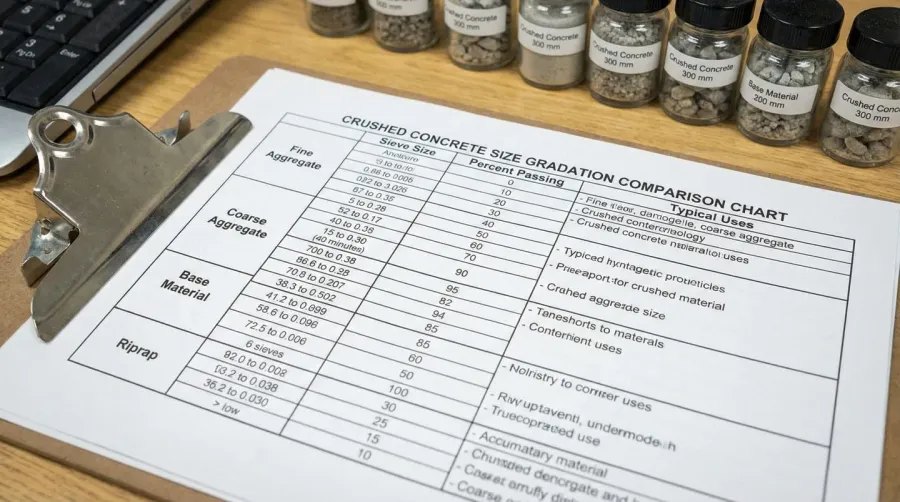
Size gradation significantly impacts performance and suitability for different applications. Road base applications typically require well-graded material ranging from 1.5 inches down to fines, while drainage projects may need larger, more uniform sizes. Always specify your intended use when requesting quotes. Learn about different crushed concrete types to make an informed decision.
Contamination levels vary between suppliers and sources. Quality crushed concrete should be free from wood, metal, plastic, and other debris. Reputable suppliers like Hello Gravel screen their materials multiple times to ensure cleanliness and consistency.
Testing and certification provide additional quality assurance. Some suppliers offer material testing reports showing gradation, contamination levels, and compaction characteristics. For critical applications, request these documents before finalizing your purchase. Understanding crushed concrete density and crushed concrete unit weight can help you calculate exact quantities needed.
Pro Tip: Ask suppliers about their processing methods and source materials to better understand the quality you can expect for your specific application needs.
When selecting a supplier, consider their reputation, delivery capabilities, and customer service. Established companies with positive reviews and proper licensing typically provide more reliable products and services. Don’t hesitate to request references from previous customers, especially for large orders. If you’re planning a specific project, explore guides on using crushed concrete for driveway base or crushed concrete as sub base applications.
Finding quality crushed concrete requires research and comparison shopping, but the effort pays off in cost savings and project success. Whether you choose a specialized supplier like Hello Gravel or explore local recycling options, focus on quality, reliability, and value to ensure your project meets expectations while supporting sustainable construction practices.
FAQ
Where can I buy crushed concrete near me?
You can find crushed concrete through specialized aggregate suppliers like Hello Gravel, local recycling centers, construction companies, and quarries. Most suppliers offer delivery services, and prices typically start around $462 for 3 tons. Always request quotes from multiple sources to compare pricing and delivery costs in your area.
How much does crushed concrete cost?
Crushed concrete typically costs 20-30% less than virgin aggregates. Pricing varies by quantity: 3-5 tons costs approximately $462-$588, 10-25 tons ranges from $802-$1,860, and 50+ tons starts at $3,064. Bulk purchasing offers the best value, with costs decreasing as quantities increase.
What should I look for when buying crushed concrete?
Check the size gradation to match your project needs, ensure the material is free from contaminants like wood, metal, and plastic, and verify proper processing and screening. Request material testing reports for critical applications, and ask suppliers about their processing methods and source materials to ensure quality.
Is crushed concrete environmentally friendly?
Yes, crushed concrete is highly environmentally friendly. It’s made from recycled concrete structures, reducing landfill waste and the demand for virgin materials. This sustainable approach supports green building practices while providing excellent performance for construction projects without compromising durability or quality.
Delivered price for your ZIP
Delivered to your driveway. You pick the date.
* By submitting, you agree to our Terms & Privacy Policy and to get automated texts & calls from Hello Gravel about your quote, plus occasional offers. Agreeing isn’t required to buy. Msg frequency varies. Msg & data rates may apply. Reply STOP to opt out, HELP for help.
How much do you need?
Pricing your crushed concrete? Get delivered prices for your ZIP.
Delivered to your driveway. You pick the date.
* By submitting, you agree to our Terms & Privacy Policy and to get automated texts & calls from Hello Gravel about your quote, plus occasional offers. Agreeing isn’t required to buy. Msg frequency varies. Msg & data rates may apply. Reply STOP to opt out, HELP for help.
Delivered price for your ZIP
Delivered to your driveway. You pick the date.
* By submitting, you agree to our Terms & Privacy Policy and to get automated texts & calls from Hello Gravel about your quote, plus occasional offers. Agreeing isn’t required to buy. Msg frequency varies. Msg & data rates may apply. Reply STOP to opt out, HELP for help.