
Water-Saving Landscaping Using Gravel and Mulch Combinations
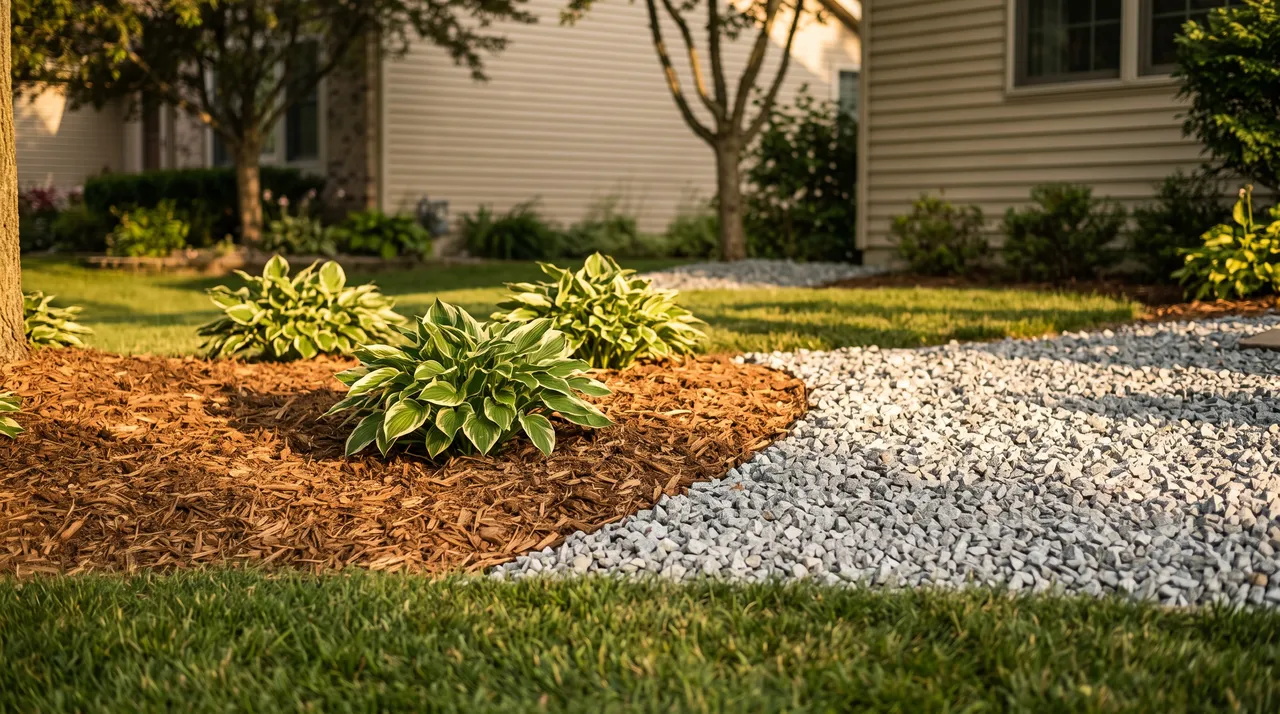
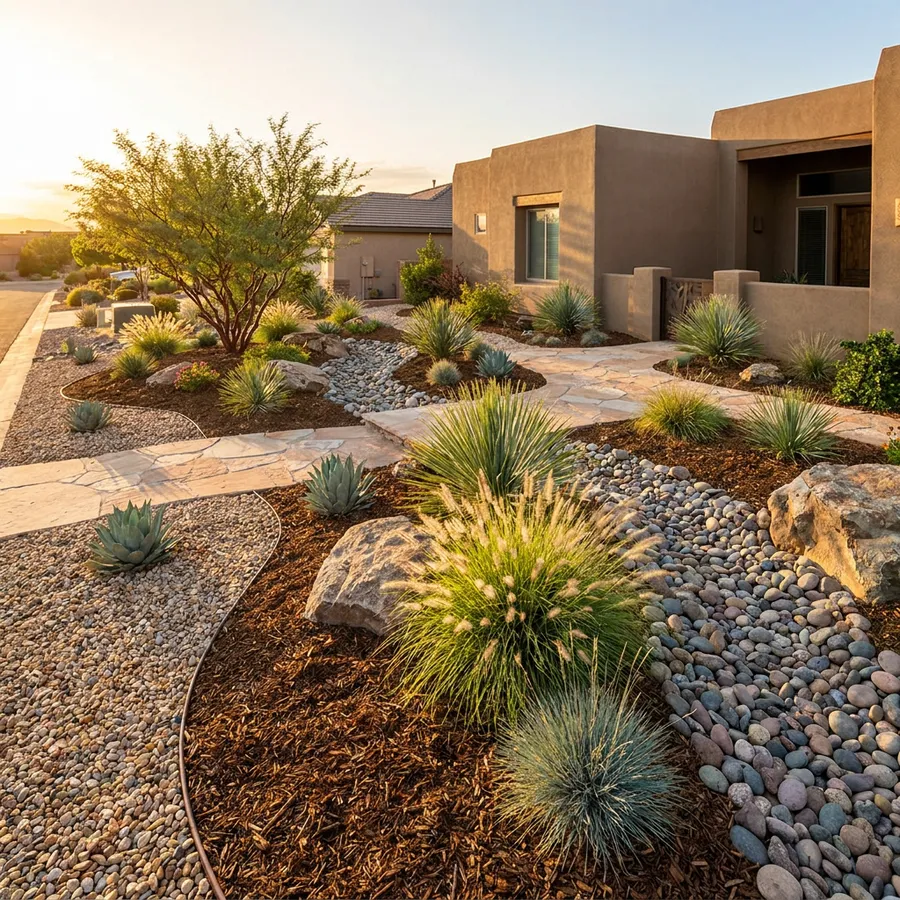
Combining gravel and mulch is one of the most effective water-saving landscaping ideas available to homeowners, not because either material is a silver bullet, but because they solve different problems. Gravel handles structure and reduces surface evaporation. Mulch feeds the soil and retains moisture around plant roots. Put them in the right zones, and your yard needs far less irrigation to stay healthy.
About Hello Gravel
Hello Gravel delivers bulk gravel, rock, dirt, and sand by the ton. Enter your ZIP code to see prices with delivery included. A local dump-truck driver places the load where access is safe; spreading is not included.
Learn What Each Material Actually Does
Organic mulch, wood chips, bark, and shredded leaves break down and feed the soil over time. It holds moisture well and keeps roots cool, making it best suited to planting beds where soil health matters.
Gravel is permanent and inorganic. It doesn’t hold moisture, but it reduces evaporation from the soil surface beneath it. Research suggests the right ground cover can cut soil moisture evaporation by 25-70%, with the higher figures seen in full-sun, low-humidity climates where bare soil dries out fastest.
Most yards that struggle with water retention are using one material everywhere. For a broader look at sustainable material choices, HelloGravel’s guide to eco-friendly landscaping is worth a read. Using both, each in the right place, is what makes the difference.
Map Your Yard Into Watering Zones
Before buying anything, divide your yard into three zones:
- Zone 1 (Gravel): High-traffic and architectural areas, paths, driveways, patio borders
- Zone 2 (Mulch): Planting beds with drought-tolerant shrubs and perennials
- Zone 3 (Transition): A narrow strip between zones, planted with low groundcovers that bridge the two areas visually
Sketch it out on paper. Without a zone map, gravel ends up in planting beds, choking roots, or mulch washes into gravel paths after rain. Having your zone measurements ready before ordering also means you’ll get an accurate quantity estimate upfront, and you can use HelloGravel’s materials calculator to confirm your numbers before placing an order.
Choose Materials That Match Your Climate
Gravel
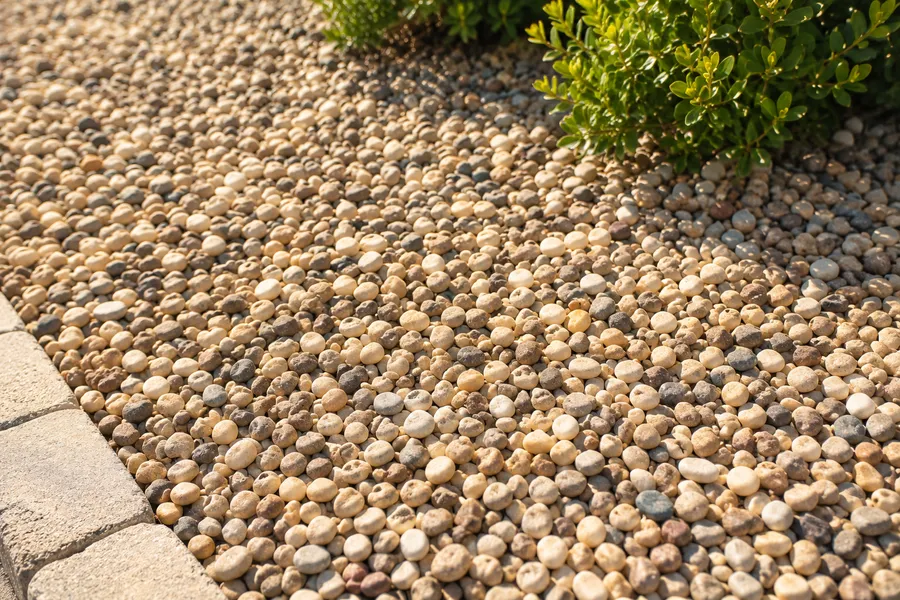
In hot, dry climates, light-colored decomposed granite or pea gravel reflects heat rather than absorbing it, which keeps soil temperatures lower. Dark lava rock absorbs and radiates heat, it works for cacti but stresses shallow-rooted plants. Browse pea gravel and river stone options if you need a lighter-colored alternative. If you’re unsure which gravel type suits your project, explore HelloGravel’s crushed stone options or reach out to the team to match the right material before you order.
Mulch
Shredded hardwood mulch at a 3-inch depth retains moisture longest and breaks down slowly enough to avoid constant top-ups. Dyed mulches are often made from lower-quality wood that decomposes faster, which raises your long-term maintenance cost.
Place Plants Based on Zone, Not Just Preference
Gravel zones suit true drought-tolerant plants: lavender, ornamental grasses, sedum, yucca, and climate-appropriate native wildflowers. See how others have used gravel in their garden projects for plant placement ideas. Mulch zones offer slightly more flexibility, perennials like coneflower, salvia, and Russian sage thrive here, and the retained moisture gives you a small buffer for plants with slightly higher water needs.
The most common mistake is buying plants labeled “drought-tolerant” without checking whether they’re suited to your specific region. A plant that handles dry Pacific Northwest summers may not survive Phoenix heat. Check your regional native plant list before buying.
Install Landscape Fabric in the Right Places Only
Landscape fabric under gravel paths is useful, it suppresses weeds without blocking drainage. Under mulch in planting beds, it causes problems over time by blocking decomposition, excluding earthworms, and restricting root growth.
The rule: fabric under gravel, no fabric under mulch, and if drainage is a concern in your gravel zones, it’s worth reviewing gravel drainage project examples before finalizing your layout.
Apply 3-4 inches of gravel over fabric in pathway and border zones. In planting beds, lay 3 inches of mulch, or a layer of compost soil, directly on bare soil and keep it a couple of inches back from plant stems to prevent rot.
Depth matters. Less than 3 inches of gravel and weeds push through within a season. More than 4 inches in a path zone, and you’re spending on material that isn’t adding function.
Maintain It Without Overcomplicating It
By year two, with plants established and mulch doing its job, most homeowners notice a clear drop in how often they need to run irrigation.
In short: Gravel and mulch work as a system because they solve different problems, and placing each one where it performs best is what turns a landscaping project into a genuinely low-water yard.
Measure your irrigation frequency before and after installation. That comparison, not a general estimate, tells you whether your design is actually working. Adjust zone boundaries in year two based on what you observe on the ground.
Ready to Order Your Materials?
If runoff becomes an issue in your gravel zones, revisit our guide on using gravel for erosion control on slopes before finalizing your layout. When you’re ready to order, use our materials calculator to confirm quantities, then browse gravel and mulch options to get everything delivered to your door.
Frequently Asked Questions
Can gravel and mulch really save water in a home landscape?
Yes, and the key is using each material where it performs best rather than spreading one across the entire yard. The right ground cover can cut soil moisture evaporation by 25-70%, with the biggest gains in full-sun climates where bare soil dries out fastest. Most homeowners who set up a proper gravel-and-mulch system notice a measurable drop in irrigation frequency by year two, once plants are established.
Where should I use gravel versus mulch in a water-saving landscaping design?
Gravel belongs in high-traffic, architectural areas like paths, driveways, and patio borders, places where you want durability and reduced evaporation from the soil surface. Mulch belongs in planting beds, where it retains moisture, keeps roots cool, and feeds the soil as it breaks down over time.
Should I use landscape fabric under both gravel and mulch?
Only under gravel. Fabric under gravel suppresses weeds without blocking drainage, which is exactly what you need in path and border zones. Under mulch in planting beds, it blocks decomposition, keeps earthworms out, and restricts root growth, causing more problems than it solves over time.
How often does mulch need to be refreshed to keep working as a water-saving ground cover?
Once a year in spring, add about an inch of fresh material to replace what decomposed. Let the layer drop below 2 inches, and you lose both moisture retention and weed suppression, usually noticeable by mid-summer when beds dry out faster than expected.
What plants work best in a water-saving landscaping setup that uses gravel?
True drought-tolerant plants like lavender, sedum, ornamental grasses, yucca, and region-appropriate native wildflowers are well-suited to gravel zones. The catch is that “drought-tolerant” on a plant label doesn’t mean it’ll handle every climate, a plant that does fine in a dry Pacific Northwest summer may not survive Phoenix heat, so always cross-check your regional native plant list before buying.
Materials for this project
Get it delivered — dumped where you need it
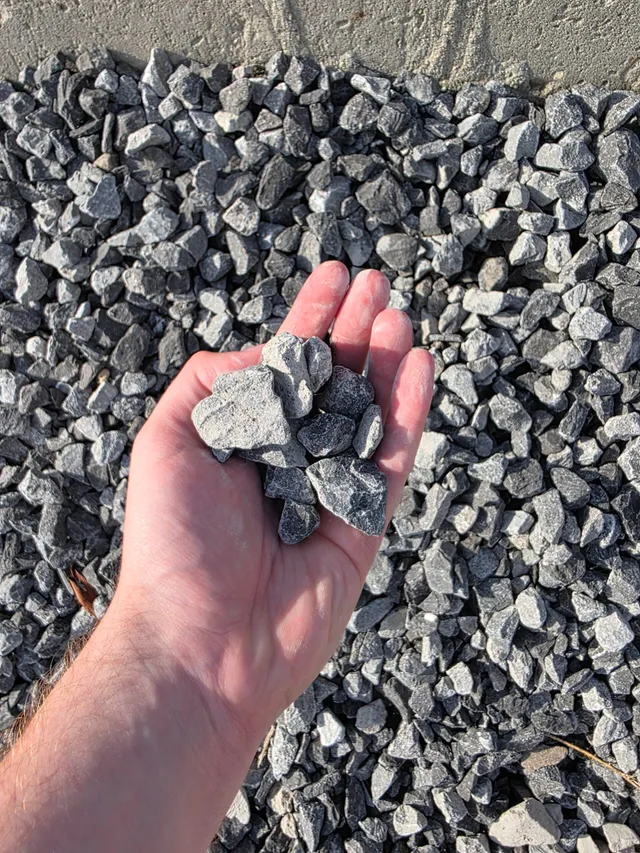
Driveway Gravel
Driveways & Parking areas
See delivered price
View product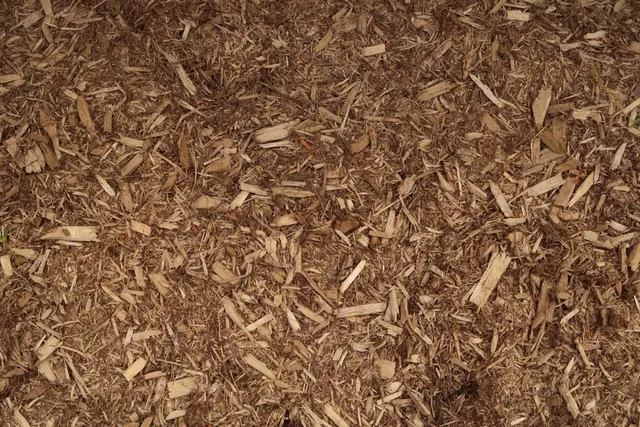
Shredded Hardwood Mulch (Brown)
Flower beds & Landscaping
See delivered price
View product
Fill Dirt
Grading & Backfill
See delivered price
View product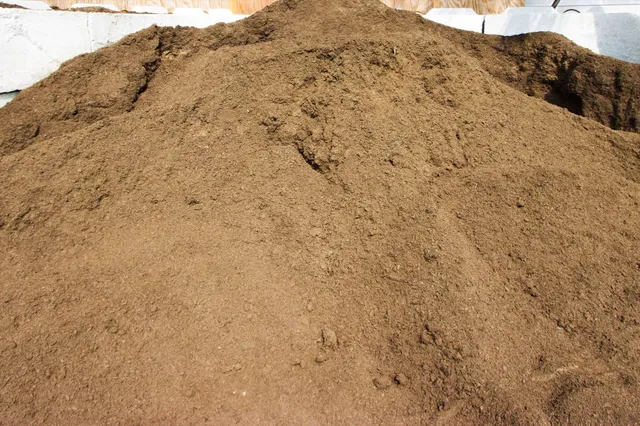
Topsoil
Lawn establishment & Garden beds
See delivered price
View product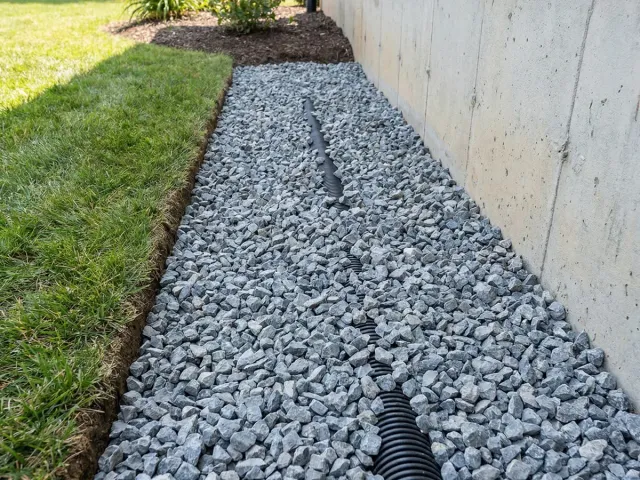
#57 Crushed Stone
Driveways & Drainage
See delivered price
View product