
Polymeric Sand for Raised Garden Beds (Where It Works)
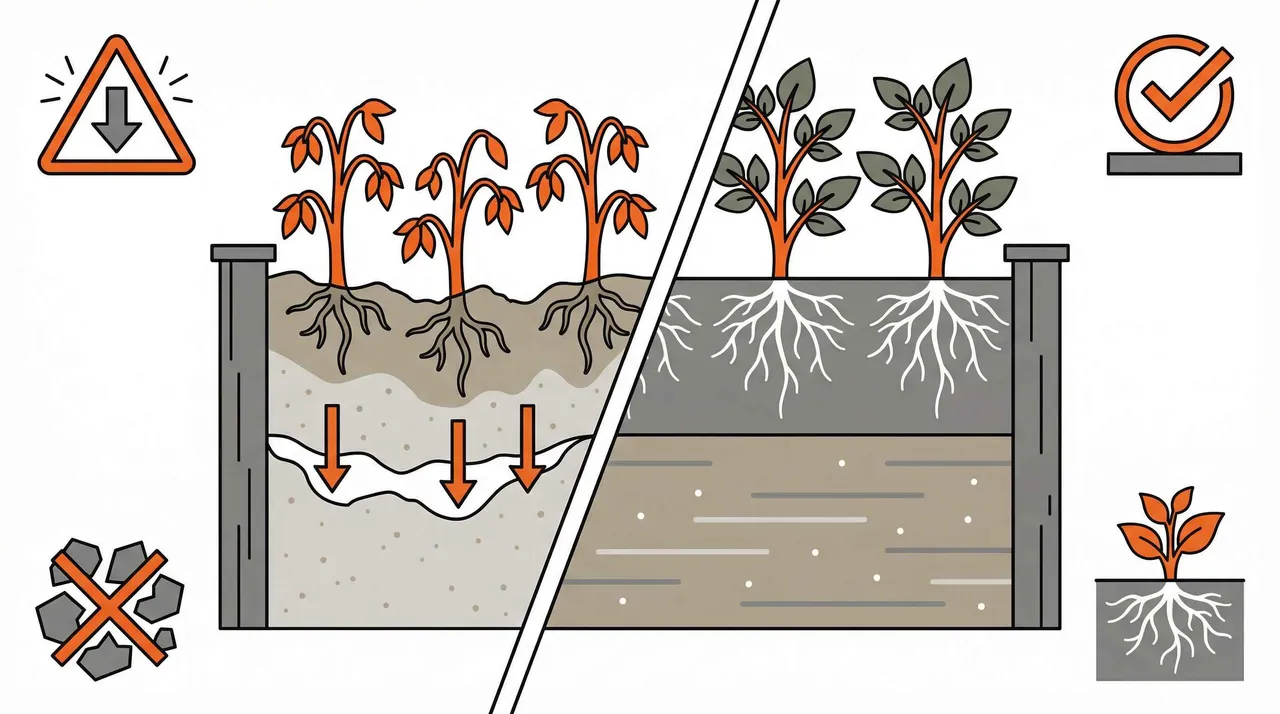
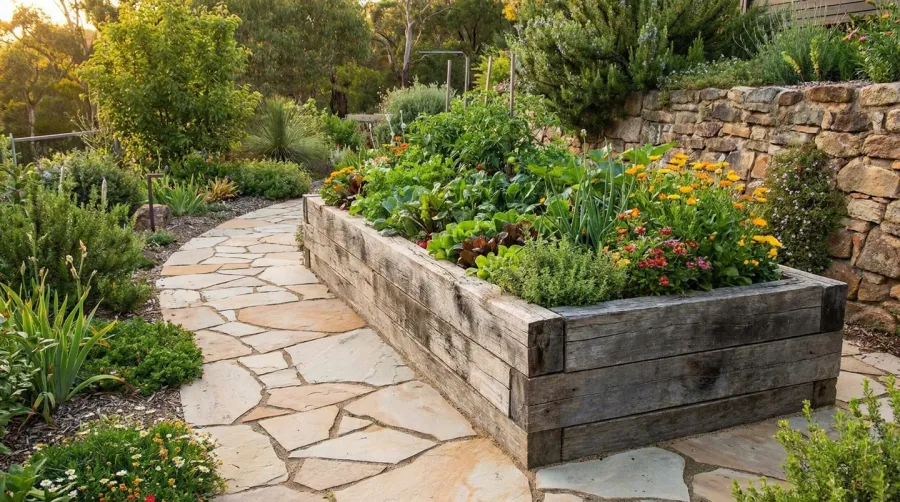
If you’re planning a raised garden bed project, you’ve probably wondered whether polymeric sand has a place in your design. The short answer is yes, but with important caveats about where you use it.
Polymeric sand works excellently for the hardscape elements around your raised beds like paths between pavers, joints in retaining wall blocks, and edging areas. However, it should stay out of your actual planting soil where roots need to grow freely. This specialized sand creates strong, weed-resistant joints when activated with water, making it perfect for high-traffic areas around your garden.
Quick tip: Think of polymeric sand as the glue for your garden’s walkways and borders, not as a soil amendment for growing plants.
Understanding this distinction will help you create a beautiful, functional garden space that combines the stability of polymeric sand where you need it most with healthy growing conditions for your plants.
About Hello Gravel
Hello Gravel delivers bulk gravel, rock, dirt, and sand by the ton. Enter your ZIP code to see prices with delivery included. A local dump-truck driver places the load where access is safe; spreading is not included.
What makes polymeric sand different from regular sand
Polymeric sand combines fine sand particles with special binding agents that activate when you add water. Unlike regular sand that can wash away with heavy rain or frequent watering, this engineered product hardens to create stable, long-lasting joints between pavers and stones.
The magic happens when water triggers the polymers to form flexible bonds throughout the sand. This creates a surface that resists erosion while still allowing some movement during freeze-thaw cycles. You’ll find it stays put much better than regular sand, especially in areas where you’re watering plants regularly.
Most polymeric sands are designed for joint widths between 1/8 inch and 4 inches, making them versatile for different paver and stone layouts around your garden beds.
Where polymeric sand works best in garden projects
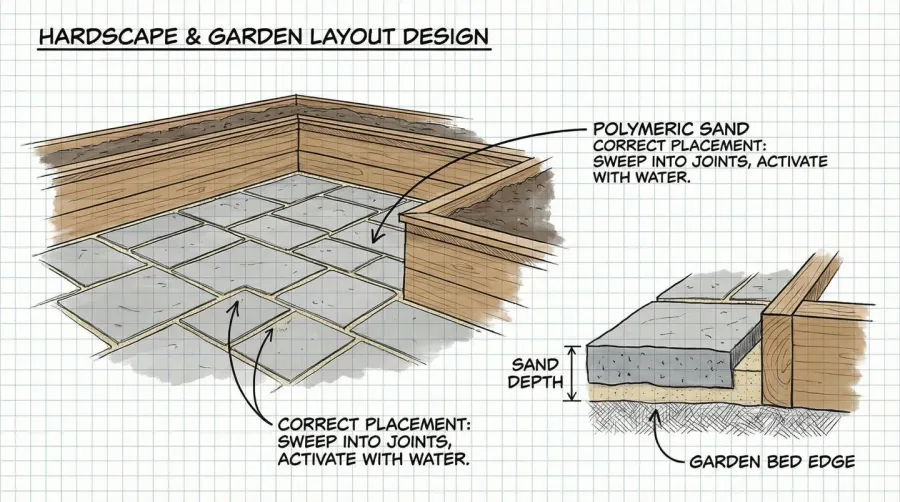
The key to success with polymeric sand is using it in the right locations around your raised beds, not inside them.
Garden paths and walkways benefit most from polymeric sand. If you’ve laid pavers or stepping stones between your raised beds, sweeping polymeric sand into those joints prevents weeds from sprouting and keeps your pathways stable underfoot.
Retaining wall joints also work well with polymeric sand, provided your wall blocks are designed for it. Many segmental retaining wall systems allow polymeric sand in the face joints to improve stability and appearance. For comprehensive guidance on this application, check out our article on using polymeric sand for retaining wall base projects. Always check your manufacturer’s recommendations first.
Edging and border areas around the perimeter of your beds can use polymeric sand effectively. If you’ve installed paver edging or cap stones to define your bed boundaries, polymeric sand in those joints creates clean lines and prevents weed invasion. Learn more about polymeric sand for edging flower bed projects.
The planting area inside your beds should stick with traditional soil mixes, compost, and organic matter that support healthy root development and soil biology.
Pros and cons you need to consider
Like any garden material, polymeric sand has both advantages and limitations for raised bed projects.
Benefits include excellent weed suppression in the joints where you apply it. Once cured, weeds struggle to penetrate the hardened surface, reducing maintenance around your garden paths and borders. The material also provides superior erosion control compared to regular sand, which matters when you’re watering beds frequently.
Stability improvements make polymeric sand valuable for high-traffic areas. Your garden paths and bed edging will stay level and secure, even with regular foot traffic during garden maintenance.
Important consideration: Polymeric sand costs significantly more than regular sand, typically 3-4 times the price per bag.
Installation sensitivity presents the biggest challenge. You need dry conditions for application, proper surface preparation, and careful water activation. Too much water creates a hazy residue on paver surfaces, while too little prevents proper curing.
Limited flexibility after installation means you can’t easily modify layouts later. The hardened joints resist changes, so plan your garden layout carefully before installation.
Step-by-step installation around your raised beds
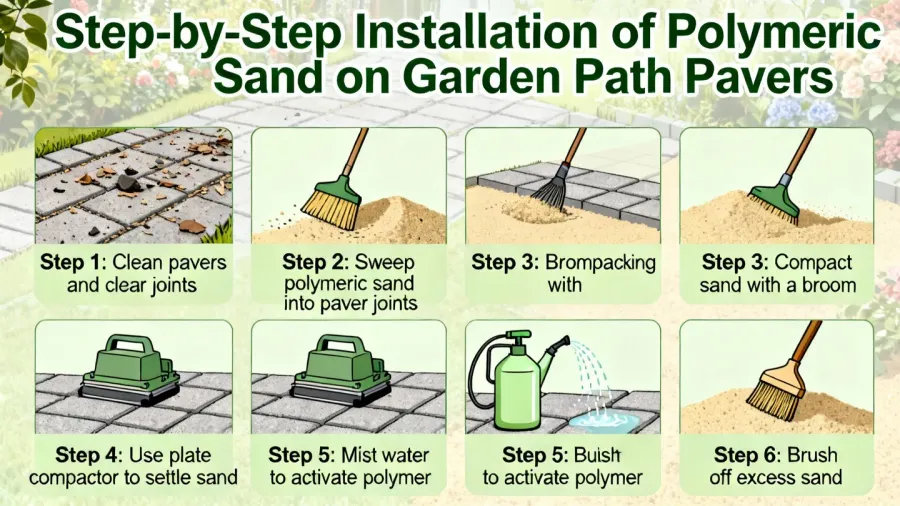
Installing polymeric sand around raised beds follows the same basic process as patio installation, adapted for garden-scale projects.
Start with proper base preparation by excavating to the right depth and installing compacted gravel base material. Your pavers or stones need a stable foundation before you add any sand. Ensure proper drainage slope away from your planting beds.
Lay your pavers or blocks according to your design, leaving consistent joint widths. Compact the surface gently to ensure everything sits level and stable.
Sweep polymeric sand into joints using a push broom, working diagonally across the surface. Fill joints completely but avoid leaving excess sand on paver faces. A leaf blower helps remove surface residue before activation.
Activate with water using a fine mist setting on your hose nozzle. Start with light, even coverage and gradually increase moisture until you see the sand darken throughout the joints. Avoid flooding, which can wash out the sand or create surface haze.
Allow 24-48 hours of dry weather for initial curing before heavy use. Full strength develops over several days.
Choosing the right product for your garden
Different polymeric sand formulations work better for specific garden applications. Joint width determines your sand choice more than any other factor.
Fine polymeric sand works for narrow joints between 1/8 and 1/2 inch, common with smaller pavers and tight-fitting stones. Coarse versions handle wider joints up to 4 inches, suitable for larger blocks and more rustic layouts.
Color options let you match or contrast with your hardscape materials. Neutral tones like tan and gray blend well with most garden designs, while darker colors can create dramatic definition.
Climate considerations matter for long-term performance. If you experience frequent freeze-thaw cycles, look for polymeric sands specifically rated for your climate zone.
Hello Gravel offers several polymeric sand options suitable for garden projects, with expert guidance to help you choose the right product for your specific layout and climate conditions.
Polymeric sand transforms the hardscape elements around your raised beds into low-maintenance, professional-looking features. Whether you’re creating fire pit areas, driveway paving, or parking areas, the principles remain the same. By keeping it in the right places and following proper installation techniques, you’ll create garden paths and borders that enhance both function and beauty in your outdoor space. Remember to focus on using quality materials and taking time for proper installation to ensure lasting results.
FAQ
Can I use polymeric sand inside my raised garden bed for drainage?
Polymeric sand should not be used inside raised garden beds as it’s designed to harden when activated with water, creating a concrete-like surface that restricts root growth and soil biology. Instead, use it for paths, paver joints, and edging around your beds while filling the interior with quality topsoil, compost, and organic matter that support healthy plant development.
Is polymeric sand safe to use around vegetable gardens?
Polymeric sand is safe to use around vegetable gardens when properly installed in paver joints, walkways, and border areas. Once cured, it forms a stable surface that stays in place and doesn’t migrate into your growing soil. However, keep it confined to hardscape applications and avoid mixing it with your planting soil where vegetables grow.
Where exactly should I use polymeric sand in my raised bed project?
Use polymeric sand in the joints between pavers that form garden paths, between retaining wall blocks that create your bed structure, and in edging areas around the perimeter of your beds. These applications take advantage of its weed suppression and erosion resistance while keeping your actual growing soil free from hardening agents.
What are the main disadvantages of using polymeric sand incorrectly in garden beds?
Using polymeric sand incorrectly in garden beds can create compacted areas that restrict root penetration, reduce soil drainage, and make future soil amendments difficult. It also costs 3-4 times more than regular sand and requires specific installation conditions. Most importantly, it’s not designed as a soil amendment and can negatively impact the soil biology that plants need to thrive.
Materials for this project
Get it delivered — dumped where you need it
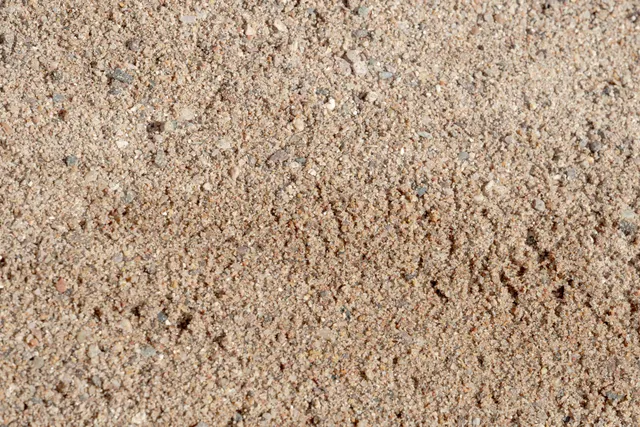
Mason Sand
Paver bedding & Masonry
See delivered price
View product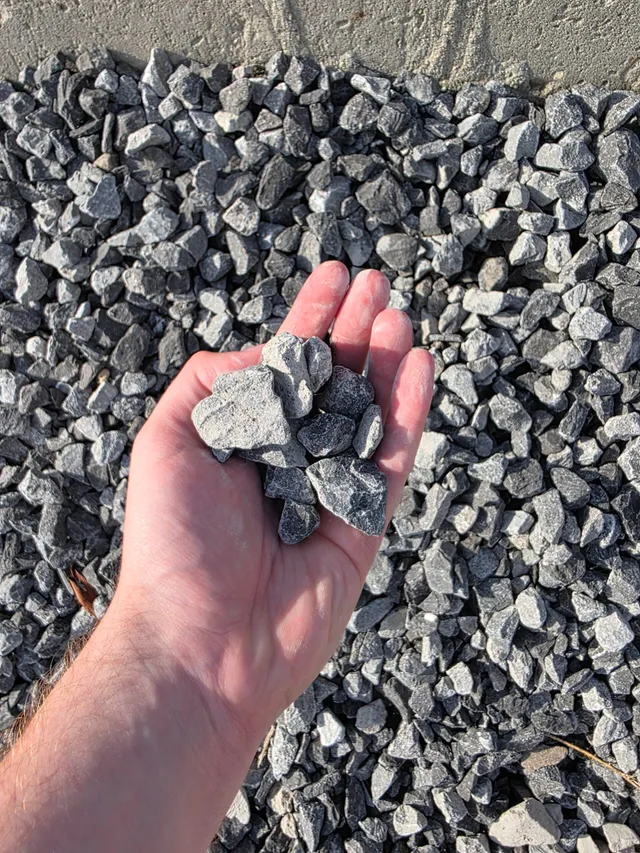
Driveway Gravel
Driveways & Parking areas
See delivered price
View product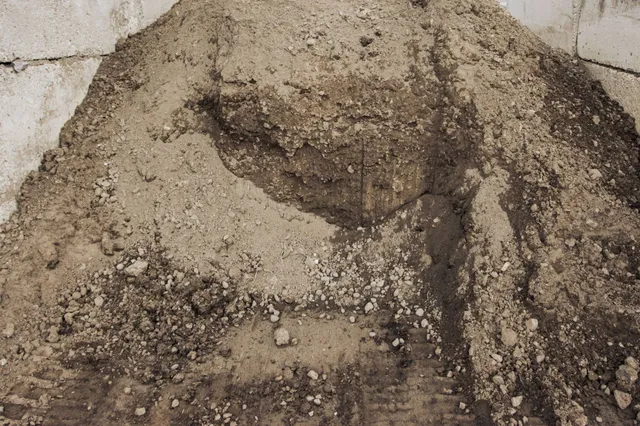
Fill Dirt
Grading & Backfill
See delivered price
View product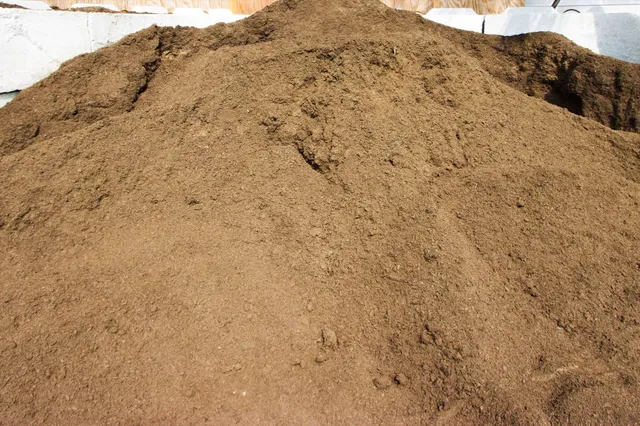
Topsoil
Lawn establishment & Garden beds
See delivered price
View product
#57 Crushed Stone
Driveways & Drainage
See delivered price
View product