
Polymeric Sand for Driveways (Benefits and How To)
Free local estimate
See delivered prices for your ZIP in 60 seconds
Tell us where the project is and we'll price this material — delivered — for your exact ZIP.
- Real delivered pricing for your ZIP — not a generic range.
- Works for any quantity — driveways, pads, drains, or full projects.
- Prefer to talk? We follow up with local availability and delivery windows.
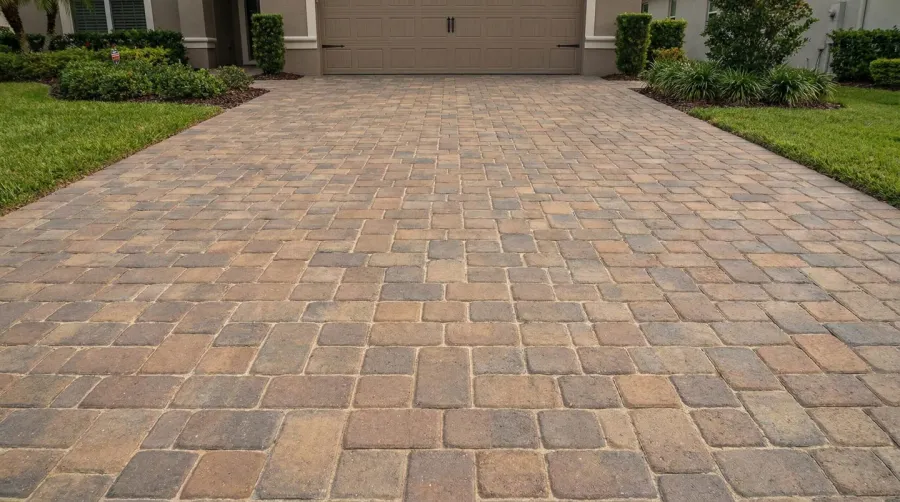
When your driveway pavers start shifting, developing weeds between joints, or losing sand after every rainstorm, you might wonder if there’s a better solution than regular sand. The answer is yes – polymeric sand can transform your driveway from a maintenance headache into a durable, professional-looking surface that withstands heavy vehicle traffic and harsh weather conditions.
Quick answer: Polymeric sand is specifically designed for paver driveways and offers superior stability, weed resistance, and erosion control compared to traditional joint sand. This specialized mixture of fine sand and binding polymers creates strong, flexible joints that keep pavers locked in place while allowing for natural movement.
Pro tip: Polymeric sand reduces driveway maintenance by up to 80% compared to regular sand, making it a smart long-term investment for homeowners.
About Hello Gravel
Hello Gravel delivers bulk gravel, rock, dirt, and sand by the ton. Enter your ZIP code to see prices with delivery included. A local dump-truck driver places the load where access is safe; spreading is not included.
What is polymeric sand and how does it work on driveways
Polymeric sand combines fine sand particles with polymer additives that activate when mixed with water. Once applied to paver joints and properly activated, these polymers form a semi-rigid binding agent that locks pavers together while maintaining flexibility for natural expansion and contraction.
Unlike regular sand that simply fills gaps, polymeric sand creates a cohesive joint system that distributes vehicle loads more evenly across your driveway surface. This binding action prevents individual pavers from shifting under the weight of cars, trucks, or heavy equipment.
The polymer activation process typically takes 24 to 48 hours, during which the sand transforms from loose particles into a stable, weather-resistant joint material. This cured joint remains permeable to water while blocking weed seeds, ant infiltration, and sand washout.
How polymeric sand differs from regular joint sand
Regular sand offers no binding properties and relies purely on compaction and gravity to stay in place. Heavy rain, snow melt, or even routine power washing can easily wash away traditional sand, leaving gaps that allow pavers to move and settle unevenly.
Polymeric sand addresses these limitations by creating chemical bonds between sand particles. The result is a joint that resists erosion while maintaining the flexibility needed for freeze-thaw cycles and thermal expansion. This makes it particularly valuable for driveways in climates with significant temperature variations.
| Feature | Polymeric Sand | Regular Joint Sand |
|---|---|---|
| Joint stability | Excellent – locks pavers in place | Poor – allows shifting under loads |
| Erosion resistance | High – resists washout | Low – easily washed away |
| Weed prevention | Excellent – blocks growth | Poor – provides growing medium |
| Maintenance frequency | Every 3-5 years | Annual or seasonal |
Key benefits of polymeric sand for driveway pavers
The advantages of polymeric sand become most apparent in high-traffic applications like driveways, where regular sand often fails to provide adequate stability and longevity.
Improved stability and long-term durability
Vehicle traffic creates significant stress on paver joints through repeated loading and unloading cycles. Polymeric sand distributes these forces more effectively than loose sand, preventing the edge chipping, corner breaking, and surface deformation that commonly occur with traditional joint materials.
The binding action also reduces water infiltration into the base layer, which helps prevent the freeze-thaw damage that can cause pavers to heave or settle unevenly. This protection is especially important for driveways in northern climates where frost action can destroy poorly maintained paver installations.
Resistance to erosion, rain, and freeze-thaw
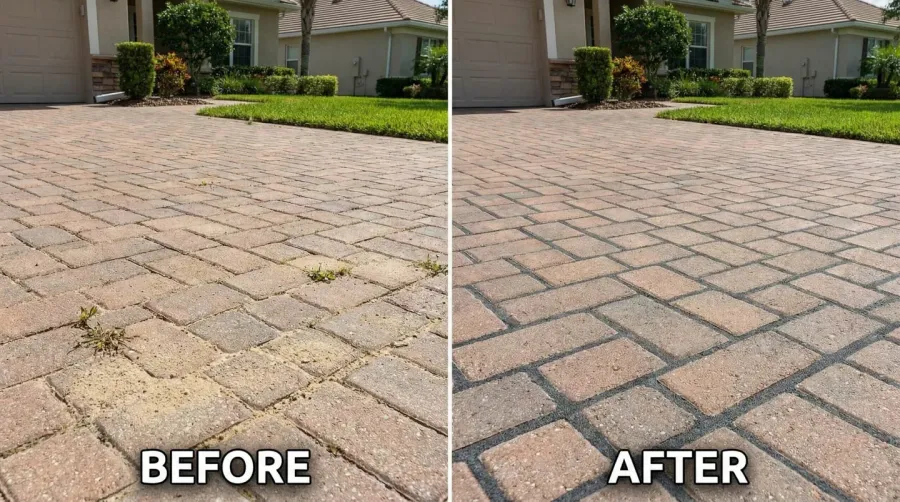
Heavy rainstorms and snowmelt can quickly wash away regular sand, leaving wide gaps between pavers that collect debris and allow water to penetrate the base. Polymeric sand maintains its position even during severe weather events, preserving the integrity of your driveway surface.
The polymer binding also creates a more uniform joint that sheds water effectively while preventing the formation of ice dams that can force pavers apart during freeze-thaw cycles. This weather resistance translates directly into reduced repair costs and longer intervals between maintenance.
Weed, moss, and pest resistance
Key insight: Polymeric sand joints are too dense for most weed seeds to germinate, eliminating 95% of vegetation growth compared to regular sand joints.
Traditional sand joints provide an ideal growing environment for weeds, moss, and grass, requiring regular herbicide application or manual removal. Polymeric sand creates a hardened surface that blocks light and prevents root establishment, dramatically reducing vegetation problems.
The solid joint structure also eliminates the tunneling opportunities that ants and other insects exploit in loose sand. This pest resistance helps maintain both the structural integrity and appearance of your driveway.
When polymeric sand is the right choice for your driveway
Polymeric sand works best in specific conditions and applications. Understanding these requirements helps ensure successful installation and long-term performance.
Driveway types and base conditions
Polymeric sand is designed for segmental paver systems installed over properly compacted aggregate bases. It works with concrete pavers, natural stone, and brick pavers that have joint widths between 1/8 inch and 4 inches.
The product cannot compensate for inadequate base preparation, poor drainage, or structural defects in the paver installation. Your driveway must have a stable, well-draining base and proper edge restraints before polymeric sand installation. For guidance on proper base preparation, consider reviewing sub-base materials for asphalt roads which share similar foundational principles.
Climate, drainage, and slope considerations
Polymeric sand performs well in all climate zones when properly installed, but drainage remains critical for success. Standing water can weaken polymer bonds and create soft spots that allow pavers to shift under vehicle loads.
Sloped driveways require special attention to surface drainage and may need additional edge restraints to prevent downhill migration of pavers. Proper grading and drainage channels help ensure that water moves off the surface quickly without compromising joint integrity.
Installation best practices for driveway applications
Successful polymeric sand installation requires careful attention to preparation and application techniques, especially for driveways that will experience heavy vehicle traffic.
Preparation and surface cleaning
Start with completely clean, dry paver surfaces free of dust, debris, and old sand. Use a leaf blower or stiff brush to remove all loose material from joints, ensuring the polymeric sand can bond directly to the paver edges.
Check that all pavers are properly seated and level before beginning sand application. Any loose or uneven pavers should be reset and re-compacted to prevent future settling that could crack the polymer joints. This is similar to the preparation required for patio base projects where proper leveling is essential.
Application and activation process
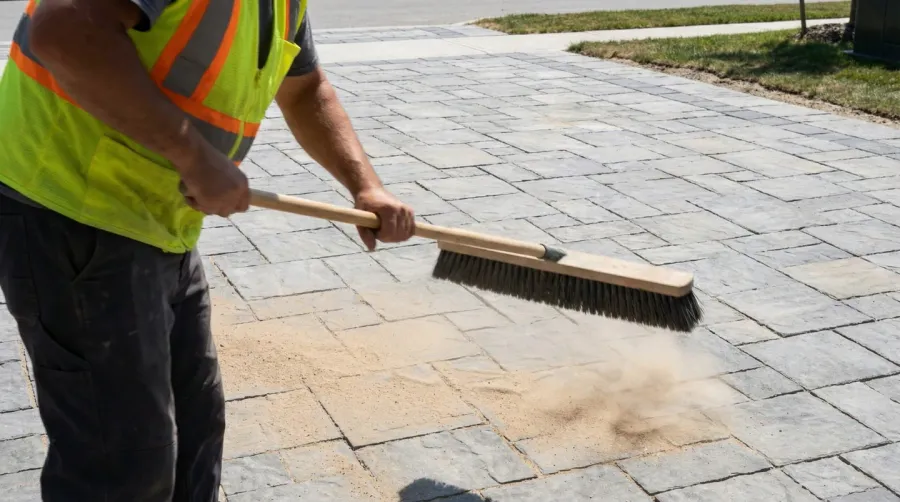
Spread polymeric sand evenly across the paver surface, working it into joints with a push broom or specialized joint-filling tool. Fill joints completely but avoid overfilling, which can create weak spots or surface staining.
After sweeping excess sand from paver surfaces, activate the polymers with a fine water mist applied in multiple light passes. Avoid flooding the surface, which can wash out sand or create a weak, hazy film on paver faces. Allow 24-48 hours for full curing before allowing vehicle traffic.
Choosing the right polymeric sand for your project
Different polymeric sand formulations offer varying performance characteristics suited to specific applications and conditions. For driveways, prioritize products specifically rated for vehicular traffic and your local climate conditions.
Consider joint width, paver color, and expected traffic levels when selecting products. Finer sands work better in narrow joints, while coarser formulations provide better performance in wider joints typical of natural stone installations. If you’re also working on parking area projects, the same principles apply for material selection.
Hello Gravel offers a complete selection of polymeric sands designed for various applications, from residential driveways to commercial hardscapes. Our technical team can help you select the right product based on your specific paver type, joint dimensions, and local climate conditions.
Ready to upgrade your driveway with professional-grade polymeric sand? Contact Hello Gravel today for expert product recommendations and competitive pricing on all your aggregate and paver sand needs. Our nationwide delivery service ensures you get the right materials delivered directly to your project site.
Frequently Asked Questions
How long does polymeric sand last in driveway joints?
Polymeric sand typically lasts 3-5 years in driveway applications under normal conditions. Its lifespan depends on factors like traffic volume, weather exposure, and drainage quality. Unlike regular sand that may need annual replacement, polymeric sand’s binding properties help it resist washout and maintain joint integrity much longer, making it a cost-effective long-term solution for busy driveways.
Can you use polymeric sand with pea gravel driveways?
Standard polymeric sand is designed for narrow joints between pavers, not for stabilizing loose pea gravel driveways. For pea gravel applications, you’ll need specialized polymer-bonded gravel systems or stabilizing grids that are formulated to bind loose aggregate materials. These products work differently than jointing sand and provide the structural integrity needed for gravel surfaces.
What are the main disadvantages of polymeric sand for driveways?
The primary drawbacks include higher upfront costs compared to regular sand, sensitivity to installation conditions (must be applied in dry weather), and risk of permanent surface haze if excess sand isn’t properly removed. Additionally, polymeric sand can reduce joint permeability and may trap moisture in poorly drained systems, potentially leading to mold or joint deterioration over time.
Can polymeric sand be used to fill concrete driveway cracks?
No, polymeric sand is not suitable for filling cracks in concrete or asphalt driveways. It’s specifically formulated for narrow, uniform joints between pavers where it can bond to both sides of the joint. For concrete driveway cracks, use purpose-made crack fillers, sealants, or patching compounds that provide proper adhesion and flexibility for structural repairs.
Materials for this project
Get it delivered — dumped where you need it
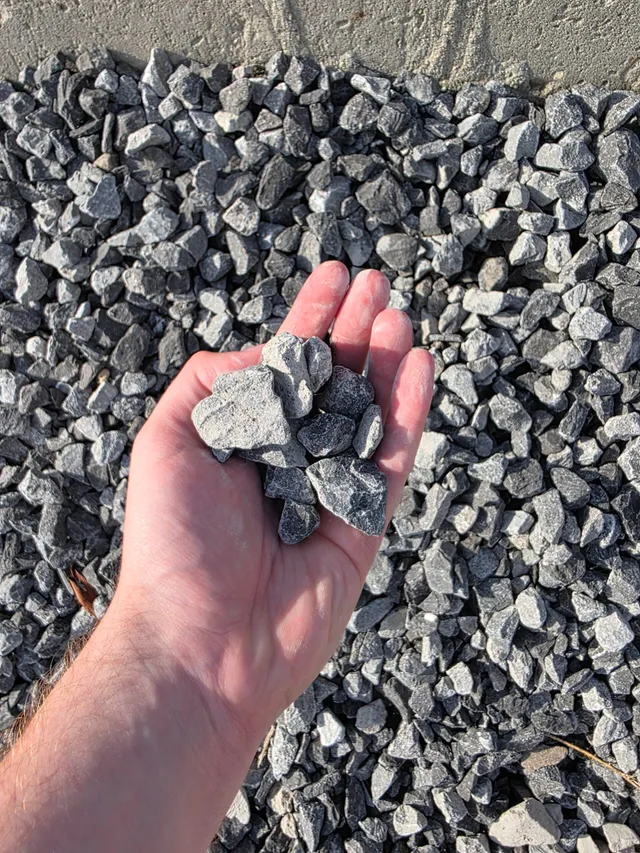
Driveway Gravel
Driveways & Parking areas
See delivered price
View product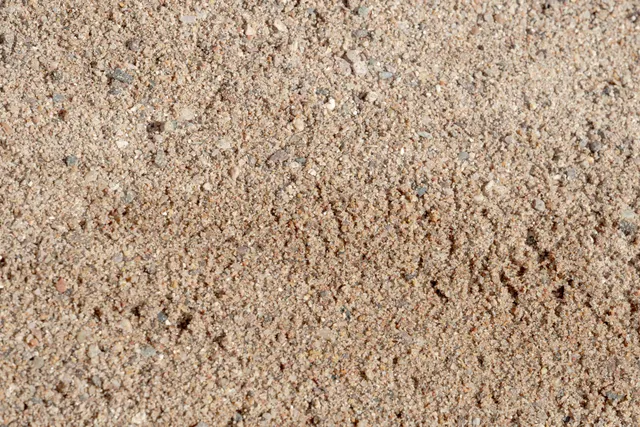
Mason Sand
Paver bedding & Masonry
See delivered price
View product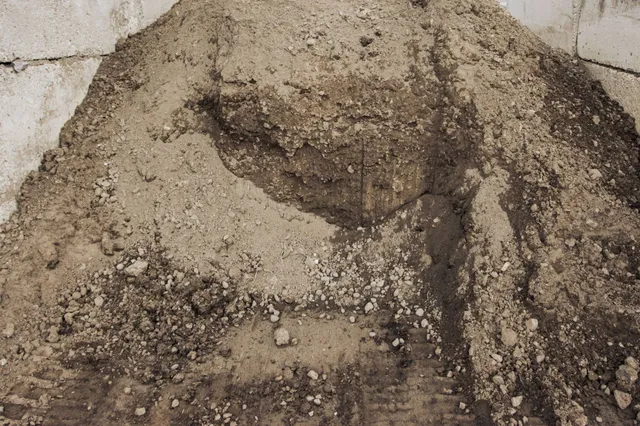
Fill Dirt
Grading & Backfill
See delivered price
View product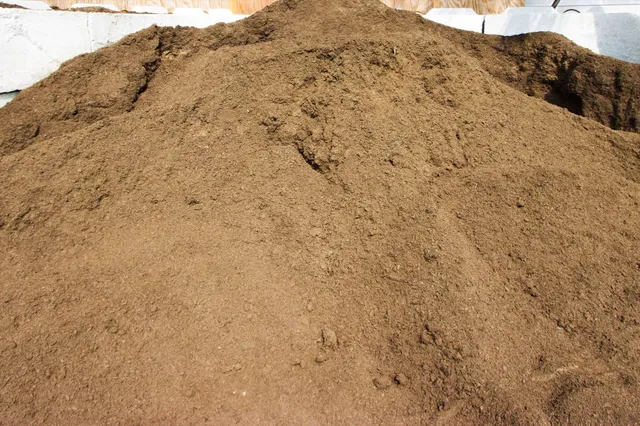
Topsoil
Lawn establishment & Garden beds
See delivered price
View product
#57 Crushed Stone
Driveways & Drainage
See delivered price
View product