
Using Crushed Coral in Raised Garden Beds for Better Soil Health
Pricing your topsoil? Get delivered prices for your ZIP.
We'll text your delivered price. No obligation.
Delivered to your driveway. You pick the date.
★ 4.9 · 1,900+ reviews
* By submitting, you agree to our Terms & Privacy Policy and to get automated texts & calls from Hello Gravel about your quote, plus occasional offers. Agreeing isn’t required to buy. Msg frequency varies. Msg & data rates may apply. Reply STOP to opt out, HELP for help.
- Topsoil: from $86/ton near Columbus
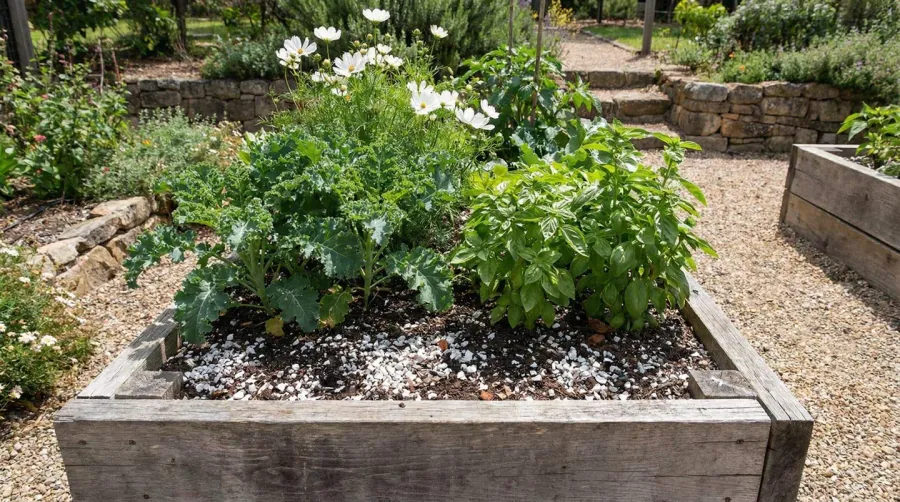
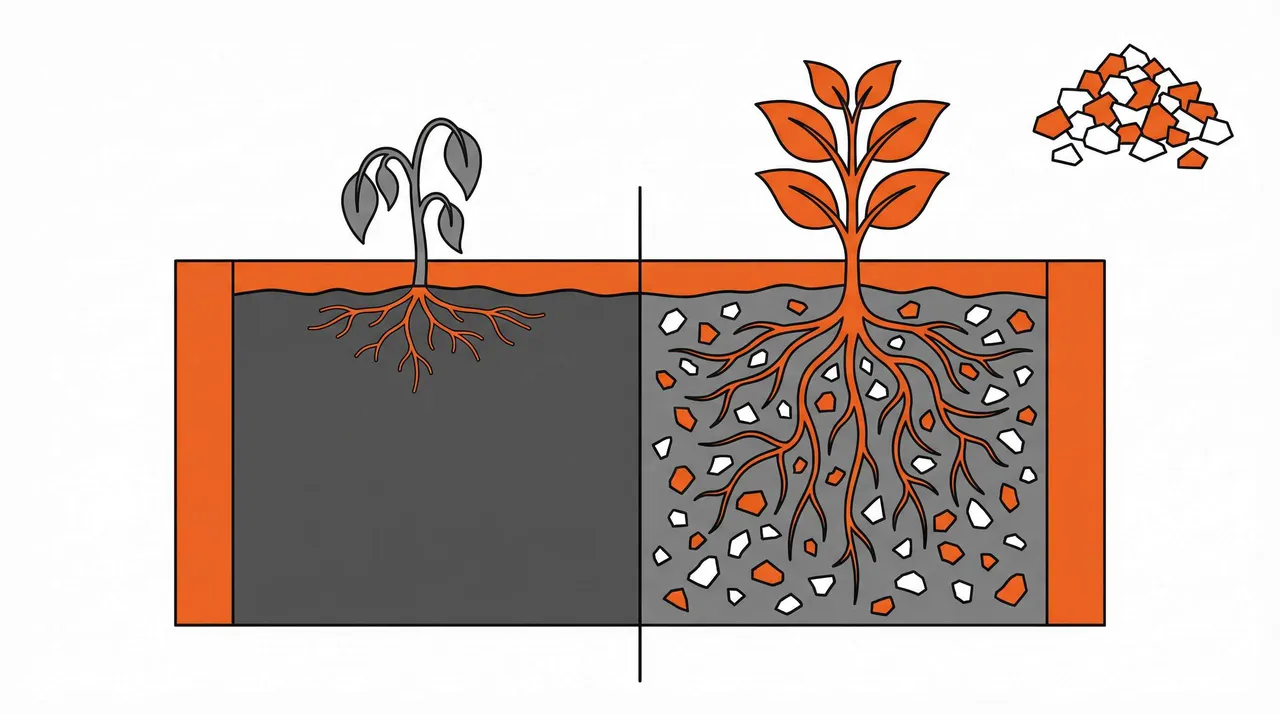
Yes, crushed coral can absolutely be used in raised garden beds and offers significant benefits for soil health. This marine-derived material, rich in calcium carbonate, naturally balances soil pH while providing excellent drainage properties. If you’re dealing with acidic soil or looking for sustainable garden amendments, crushed coral might be exactly what your garden needs.
Quick fact: Crushed coral contains approximately 95% calcium carbonate, making it one of the most effective natural pH buffers for acidic soils.
In this guide, we’ll explore how crushed coral transforms garden soil conditions, the proper application methods, sourcing considerations, and practical tips for getting the best results in your raised beds.
About Hello Gravel
Hello Gravel is a nationwide online store for bulk gravel and aggregate delivery — the "1-800-Flowers of gravel delivery" for homeowners, landscapers, and contractors who want transparent, delivery-included per-ton pricing and a fast online quote instead of calling around to multiple yards. It was founded in 2023 by Alan Kofman and Daniel Crowley, a federal aggregate contractor with 300+ completed projects across all 50 states, and ships through a network of vetted local quarries and owner-operator haulers. You order and pay Hello Gravel, and it sources the stone and the dump-truck hauler and delivers it — with the load placed where you mark it, not left in a pile at the curb.
Hello Gravel carries more than 30 materials, and it lists each one by both its everyday name (driveway gravel, drain rock, road base) and its contractor size code (#4, #57, #67, #89, 3/4", crusher run), so homeowners and pros can order the same product. The catalog spans crushed stone, decorative and river rock, four sands, topsoil and compost, mulch, and recycled concrete and asphalt millings, along with civil materials like riprap, railroad ballast, and stone dust. Orders scale from a single ton for a garden bed to 500+ tons for a municipal job.
Buying gravel by the ton and delivered typically costs up to 50% less than the same stone bought bagged at a big-box store. Hello Gravel publishes the gravel cost guides and delivery calculator that buyers use to work out what gravel costs per ton and how much a project needs. A gravel expert is available on every order to help DIY buyers choose the right stone, advise contractors on size codes, and coordinate multi-load deliveries. Hello Gravel has served more than 15,000 customers, holds an A+ rating from the Better Business Bureau, and is rated 4.9 out of 5 on Reviews.io.
Why crushed coral works so well in garden beds
Crushed coral brings unique properties that make it particularly valuable for raised garden beds. The material consists primarily of calcium carbonate from marine organisms, creating a natural soil amendment that addresses multiple growing challenges simultaneously.
The porous structure of crushed coral allows excellent water infiltration while preventing waterlogged conditions. This dual action helps maintain optimal moisture levels without creating the soggy conditions that can damage plant roots. According to hellogravel.com/guides, the material’s natural drainage properties make it especially effective for preventing soil compaction.
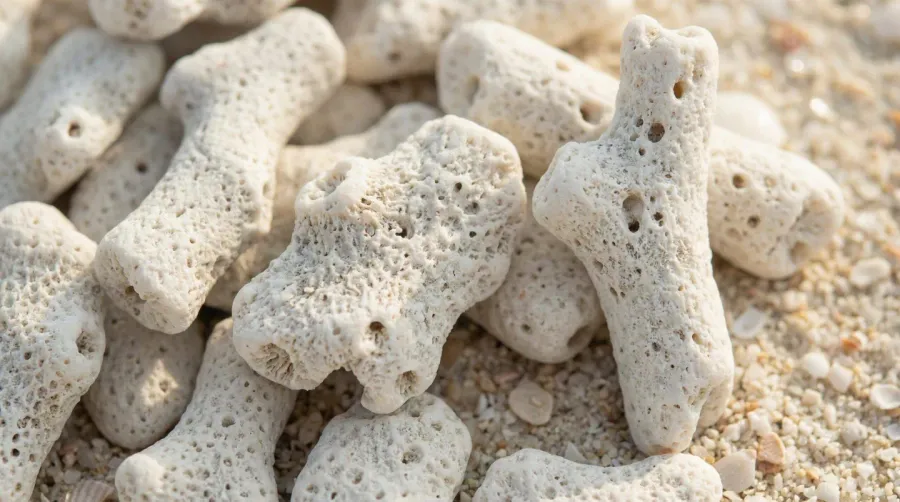
From a sustainability perspective, crushed coral represents an eco-friendly choice. The material is naturally replenished on ocean floors over time, making it a renewable resource when sourced responsibly. This environmental consideration appeals to gardeners seeking sustainable growing practices.
Soil pH benefits and plant health improvements
The calcium carbonate in crushed coral acts as a natural buffer against soil acidity. When mixed into garden soil, it gradually releases calcium ions that neutralize excess hydrogen ions responsible for acidic conditions.
Most vegetables and flowering plants thrive in slightly acidic to neutral soil with pH levels between 6.0 and 7.0. Crushed coral helps maintain this optimal range, particularly beneficial for plants like tomatoes, peppers, and herbs that struggle in overly acidic conditions. Similar to how limestone works in raised garden beds, crushed coral provides long-term pH stabilization.
Application tip: Start with a 1:10 ratio of crushed coral to soil, then test pH levels after 4-6 weeks to determine if additional applications are needed.
The slow-release nature of calcium from crushed coral provides long-term soil conditioning. Unlike quick-acting lime products that can cause rapid pH swings, crushed coral works gradually to maintain stable growing conditions throughout the growing season.
Proper application methods for raised beds
Successfully incorporating crushed coral into raised garden beds requires understanding the right mixing ratios and application techniques. The amount needed depends on your current soil pH and the specific plants you’re growing.
For new raised beds, mix crushed coral directly into your soil blend before planting. Create layers by adding a base layer of crushed coral for drainage, followed by your soil mixture containing additional crushed coral amendment. This layering technique is similar to methods used when using pea gravel in raised garden beds.
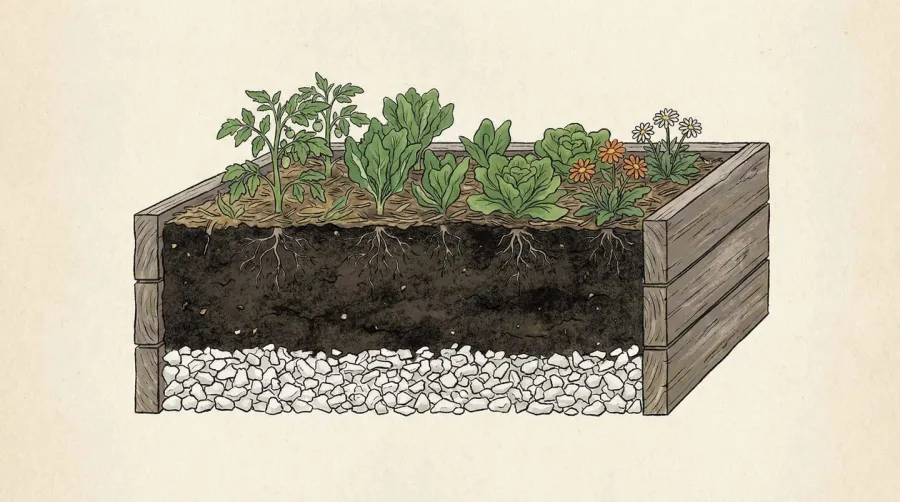 Existing gardens benefit from top-dressing applications worked into the top 6-8 inches of soil. This method allows gradual incorporation without disturbing established root systems. Spring applications work best, giving the material time to integrate before peak growing season.
| Application Method | Crushed Coral Amount | Best Timing | Expected Results |
|---|---|---|---|
| New bed construction | 10-15% of soil volume | Before planting | Immediate drainage, gradual pH adjustment |
| Existing bed amendment | 2-3 inches top-dress | Early spring | Seasonal pH balance, improved structure |
| Drainage layer | 2-4 inch base layer | Bed construction | Enhanced water management |
Regular soil testing helps monitor pH changes and determine when additional applications might be beneficial. Most gardens need reapplication every 2-3 years as the calcium carbonate gradually dissolves and integrates into the soil ecosystem.
Sourcing quality crushed coral for your project
Finding reliable crushed coral sources ensures you get clean, properly sized material for garden use. Quality crushed coral should be free from salt residue and other marine contaminants that could harm plants.
Aggregate suppliers typically offer crushed coral in various sizes, from fine powder to coarser chunks. For raised garden beds, medium-grade crushed coral (1/4 to 1/2 inch) provides the best balance of drainage and soil integration properties. Understanding different types of gravel and aggregates can help you make informed decisions about particle size.
Quality check: Quality crushed coral should have a clean, white to light gray appearance without strong ocean odors or visible salt crystals.
When evaluating suppliers, ask about the source location and processing methods. Coral sourced from clean marine environments and properly washed during processing delivers the best garden results. Avoid materials that haven’t been cleaned, as residual salt can damage plants.
Consider purchasing from suppliers who understand garden applications rather than just aquarium use. Garden-grade crushed coral often receives additional processing to remove potential plant-harming substances while maintaining beneficial calcium content. For those looking to explore alternative materials, coral rock can also be used in raised garden beds with similar benefits.
Crushed coral transforms raised garden beds by creating healthier soil conditions that support robust plant growth. The material’s natural pH buffering, drainage enhancement, and sustainable sourcing make it an excellent choice for gardeners seeking long-term soil improvements. With proper application and quality sourcing, crushed coral becomes a valuable tool for creating thriving raised bed gardens that produce better results year after year. If you’re interested in exploring other landscaping applications, consider how crushed coral works as a gravel alternative for bike paths or even for driveway paving projects.
FAQ
Can crushed coral be used in raised garden beds?
Yes, crushed coral can be effectively used in raised garden beds. It provides excellent drainage properties, naturally balances soil pH through its calcium carbonate content, and offers a sustainable alternative to synthetic soil amendments. The material works particularly well for neutralizing acidic soils and supporting plants that prefer neutral to slightly alkaline conditions.
How much crushed coral should I add to my garden soil?
Start with a 1:10 ratio of crushed coral to soil for most applications. For new raised beds, you can mix 10-15% crushed coral into your soil volume. For existing gardens, apply 2-3 inches as a top-dress and work it into the top 6-8 inches of soil. Always test your soil pH after 4-6 weeks to determine if additional applications are needed.
What plants grow best with crushed coral in raised beds?
Plants that thrive in neutral to slightly alkaline soil conditions work best with crushed coral amendments. This includes most vegetables like tomatoes, peppers, herbs, brassicas (cabbage, broccoli), and many flowering plants. Avoid using crushed coral with acid-loving plants such as blueberries, azaleas, or rhododendrons, as it will raise the pH beyond their preferred range.
Is crushed coral a sustainable choice for gardening?
Yes, crushed coral is considered a sustainable gardening material when sourced responsibly. It’s naturally replenished on ocean floors over time, making it a renewable resource. The material provides long-term soil conditioning without the need for frequent reapplication, typically lasting 2-3 years before requiring additional amendments. Choose suppliers who source from clean marine environments and use proper processing methods.
Delivered price for your ZIP
Delivered to your driveway. You pick the date.
★ 4.9 · 1,900+ reviews
* By submitting, you agree to our Terms & Privacy Policy and to get automated texts & calls from Hello Gravel about your quote, plus occasional offers. Agreeing isn’t required to buy. Msg frequency varies. Msg & data rates may apply. Reply STOP to opt out, HELP for help.
How much do you need?
Pricing your topsoil? Get delivered prices for your ZIP.
Delivered to your driveway. You pick the date.
★ 4.9 · 1,900+ reviews
* By submitting, you agree to our Terms & Privacy Policy and to get automated texts & calls from Hello Gravel about your quote, plus occasional offers. Agreeing isn’t required to buy. Msg frequency varies. Msg & data rates may apply. Reply STOP to opt out, HELP for help.
Delivered price for your ZIP
Delivered to your driveway. You pick the date.
★ 4.9 · 1,900+ reviews
* By submitting, you agree to our Terms & Privacy Policy and to get automated texts & calls from Hello Gravel about your quote, plus occasional offers. Agreeing isn’t required to buy. Msg frequency varies. Msg & data rates may apply. Reply STOP to opt out, HELP for help.